Elevator mechanics, also called elevator constructors or elevator technicians, work inside shafts, on top of moving cars, and around high voltage controllers and hydraulic systems. A missed step or a slow reaction has consequences for the mechanic and for everyone who rides the equipment afterward. That risk profile is why drug testing shows up at several points in this trade: when a candidate joins a union apprenticeship, when a contractor signs a general contractor's site safety agreement, when a building owner sets house rules for the mechanics who service its equipment, and when a state licensing board asks about fitness for duty. None of those layers is the same as a single federal law that requires it. This guide walks through where the actual requirements come from, where testing is a private program decision instead, and what a typical elevator trade testing program looks like.
Is elevator mechanic drug testing required by federal law
There is no general federal statute or OSHA standard that requires private employers to drug test elevator mechanics. OSHA's recordkeeping rule does address one specific scenario: an employer may not use drug testing as a form of retaliation against a worker who reports a job related injury, but the rule's preamble makes clear that employer drug testing policies, including tests conducted after a workplace incident, are permitted when they are designed to determine the root cause of the incident and are not used to punish the reporting itself. That distinction is spelled out in the regulation text at 29 CFR 1904.35 and in OSHA's Federal Register notice on the final recordkeeping rule, available at osha.gov. In other words, OSHA shapes how a post incident test can be used, it does not order employers to run one.
The one place federal law clearly does mandate testing is when an elevator mechanic also holds a commercial driver's license and drives a commercial motor vehicle as part of the job, for example moving a service van loaded with parts across state lines under a CDL. Those employees fall under the Department of Transportation's drug and alcohol testing program at 49 CFR Part 382, which requires pre employment, random, reasonable suspicion, post accident, return to duty and follow up testing. Most elevator mechanics do not fall under this rule because their driving is incidental and local, but a contractor should check each mechanic's actual duties rather than assume.
Where testing actually comes from in this trade
Outside the DOT carve out, elevator mechanic drug testing is built from four overlapping sources, and a mechanic can be covered by more than one at the same time.
State elevator licensing boards
Most states that license elevator mechanics or require certified elevator contractors regulate competency, continuing education, and sometimes a criminal background check as part of licensure, not a standing drug test requirement administered by the state itself. California's Division of Occupational Safety and Health runs the state's Elevator Unit, which certifies elevator mechanics and conducts permit inspections under the state's elevator safety orders; its program page is at dir.ca.gov/dosh/elevator.html. New Jersey's Division of Codes and Standards oversees elevator safety subcode enforcement and licensing of elevator mechanics through its codes division, described at nj.gov/dca/divisions/codes. Because licensing structures differ by state and some states have no elevator licensing program at all, deferring to local law and checking the relevant state board page is the only reliable approach; do not assume a license by itself implies a drug test requirement.
Union apprenticeship and member programs
Elevator constructors frequently train through a joint apprenticeship program run jointly by a union local and signatory contractors through a National Elevator Industry Educational Program style structure. Entry into these apprenticeship programs commonly includes a pre apprenticeship drug screen, and many joint programs maintain a random testing policy for active apprentices and journey level mechanics as a condition of dispatch, set by the joint apprenticeship and training committee rather than by any government agency. Mechanics should get the specific policy language from their local's training office, since terms vary by local and by the collective bargaining agreement in force.
Contractor and general contractor site rules
Elevator contractors that bid commercial construction work are frequently required, as a condition of working on the jobsite, to follow the general contractor's safety program, which on many commercial sites includes pre access drug testing, random testing, and mandatory post incident testing for every trade on site, elevator mechanics included. This is a private contractual requirement tied to the project, not a government mandate, and it ends when the mechanic leaves that jobsite unless the mechanic's own employer has adopted a similar policy company wide.
Building owner and property management rules
Owners of hospitals, airports, government buildings, and high security facilities often require any contractor technician who services equipment on site, including elevator mechanics, to pass a background check and drug screen before badge access is granted, and some require ongoing random testing for standing service contracts. These access requirements come from the property, not from a statute, and should be spelled out in the service agreement.
| Program layer | Who sets the rule | Typical trigger | Government mandate |
|---|---|---|---|
| DOT CDL driving duties | Federal Motor Carrier Safety Administration | Pre employment, random, post accident, reasonable suspicion | Yes, 49 CFR Part 382 |
| State elevator license | State licensing board or safety division | Varies, usually not a standing drug test | Varies by state, check primary source |
| Union apprenticeship or JATC | Joint apprenticeship and training committee, local bargaining agreement | Entry screen, random for active members | No, private program |
| GC jobsite safety program | General contractor | Site access, random, post incident | No, contractual |
| Owner or facility access | Building owner or property manager | Badge access, standing service contract | No, contractual |
What a typical program looks like
Employers and joint programs that test elevator mechanics generally structure the program around these elements, each of which should be set out in a written policy the mechanic can read before signing:
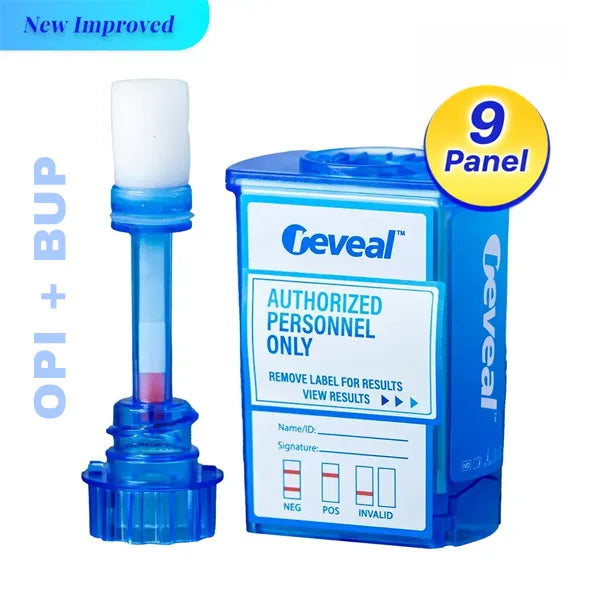
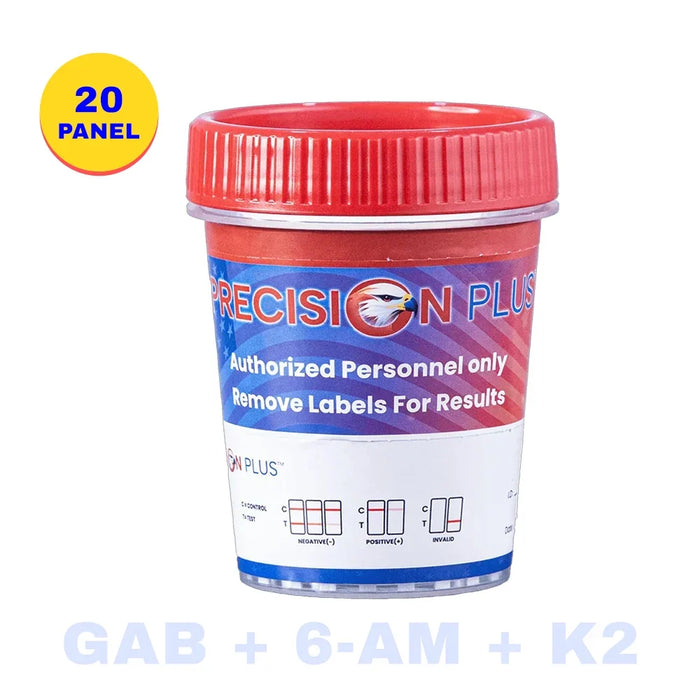
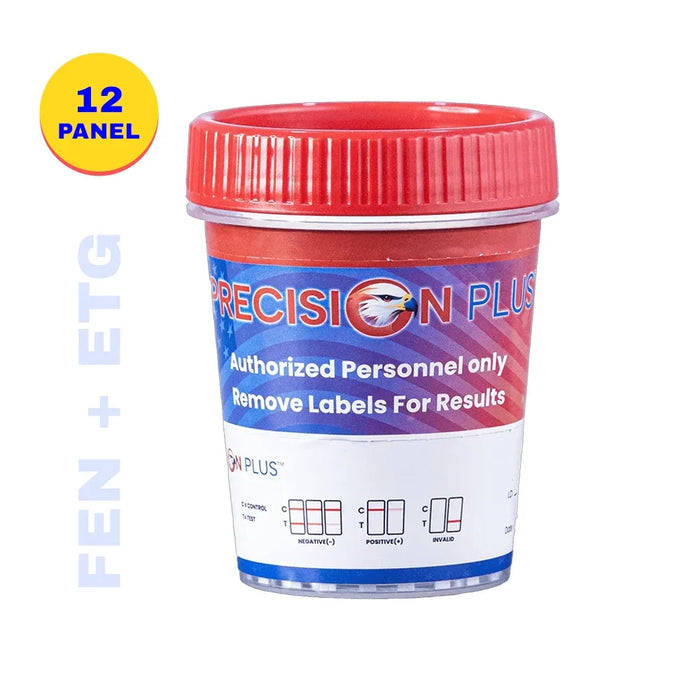
- Panel. A standard panel for safety sensitive trades commonly screens for amphetamines, cocaine metabolite, marijuana metabolite, opiates, and phencyclidine, often expanded to include synthetic opioids and benzodiazepines depending on the program. An oral fluid test or a urine cup is typically used for the initial screen.
- Confirmation. A non negative screening result should be confirmed by a certified laboratory using gas chromatography mass spectrometry or liquid chromatography mass spectrometry before any employment action is taken, and reviewed by a medical review officer who contacts the individual about any legitimate prescription before the result is reported as positive.
- Testing events. Pre access or pre apprenticeship, random selection for active personnel, reasonable suspicion based on observed behavior, and post incident following a workplace injury or equipment malfunction are the events most programs use.
- Documentation. Chain of custody paperwork, a signed consent form, and a clear appeals or retest process protect both the mechanic and the program administrator.
Guidance on building a defensible workplace testing program, including specimen types, cutoff levels, and laboratory certification, is published by the Substance Abuse and Mental Health Services Administration at samhsa.gov/workplace.
What a drug free workplace program should never do
A policy should never claim that a screening device is promised accurate or legally conclusive; a non negative screen is a preliminary result that requires laboratory confirmation. Employers should never use a drug test as a stand in for a performance conversation or as retaliation for an injury report, which risks running afoul of OSHA's anti retaliation provisions discussed above. Decisions tied to a positive confirmed result, especially where a state has legalized medical or recreational marijuana, raise employment law questions that vary significantly by state; employers should consult counsel before taking adverse action rather than assuming a uniform national rule, since no single federal law resolves the conflict for private, non DOT employers.
Building a program for an elevator company
A contractor standing up its own policy, separate from a union or GC requirement, typically needs oral fluid or urine test devices for a standard panel, a relationship with a SAMHSA certified laboratory for confirmation, and a medical review officer arrangement. Businesses sourcing testing supplies in volume for field crews can review cup, dip card, and oral fluid options through the wholesale portal at wholesale.americanscreeningcorp.com or the retail collection of drug test cups. Related trade specific policy guidance is available for welders and HVAC technicians, two other mechanical trades that face similar site access and safety sensitive testing questions.
Frequently asked questions
Does federal law require elevator mechanics to be drug tested
No, outside of a mechanic who drives a commercial motor vehicle under a CDL, where the Department of Transportation's testing rule at 49 CFR Part 382 applies. Most elevator mechanic testing comes from union programs, contractor site rules, or building owner access requirements rather than from a federal mandate.
Do state elevator licensing boards require a drug test to get licensed
This varies by state and by board, and many state elevator licensing or certification programs focus on competency exams and continuing education rather than a standing drug test. Check the specific state licensing or elevator safety division page before assuming a rule exists.
Can a union apprenticeship program require random drug testing
Yes, a joint apprenticeship and training committee can set a random testing policy as a condition of program participation or dispatch, since this is a private program requirement set in the apprenticeship standards or collective bargaining agreement, not a government rule.
What happens after a workplace incident involving an elevator mechanic
Many employers and site safety programs include post incident testing as part of determining root cause. OSHA's rule at 29 CFR 1904.35 permits this type of testing as long as it is not used to retaliate against the worker for reporting the injury.
What panel do elevator trade testing programs typically use
Programs commonly screen for amphetamines, cocaine metabolite, marijuana metabolite, opiates, and phencyclidine at minimum, with some programs adding synthetic opioids or benzodiazepines, followed by laboratory confirmation and medical review officer review of any non negative result.
Can an elevator mechanic be fired for a positive test in a state with legal marijuana
This depends on state law, the specific program the mechanic is tested under, and whether the role is safety sensitive, and it varies widely. Employers may be able to maintain a drug free workplace policy for safety sensitive trades, but should consult employment counsel before taking adverse action rather than relying on a general assumption.
This article is general information, not legal or medical advice. Employers should consult qualified counsel and the primary sources linked above before adopting or changing a testing policy.