Heating, ventilation and air conditioning technicians spend most of a shift driving a company vehicle, carrying refrigerant cylinders and power tools, and working inside a customer's home or mechanical room, often alone. Those conditions push many HVAC contractors toward a drug testing policy, but there is no single federal law that requires it. What actually applies depends on whether the technician holds a commercial driver's license, whether the employer holds a federal contract or grant, and what the technician's own state allows an employer to do with a positive test result.
No general federal mandate for HVAC technicians
There is no OSHA, EPA, or Department of Labor rule that requires a residential or commercial HVAC company to drug test its technicians. Federally mandated testing under the Department of Transportation's rules is tied to the vehicle and the license, not the trade. A technician who drives a pickup truck or a van under 26,001 pounds gross vehicle weight rating generally does not need a commercial driver's license and is not a "DOT covered employee." The controlled substances and alcohol testing requirements in 49 CFR Part 382 apply to drivers who are required to hold a CDL and who operate a commercial motor vehicle as defined in that rule, for example technicians who regularly tow heavy equipment trailers or drive larger service trucks that cross the CDL weight or passenger thresholds. An HVAC company that operates CDL rated vehicles should confirm with its own counsel or its drug and alcohol program consortium whether any of its technicians fall under that part.
Outside of that narrow category, whether to test is an employer decision, shaped by state law, insurance requirements, and the contracts the company signs with commercial clients, property managers, or general contractors who may require their subcontractors to run a drug free workplace program as a condition of the job.
EPA Section 608 certification is not a drug testing requirement
Technicians who purchase, handle, or work with regulated refrigerants need Section 608 technician certification from the Environmental Protection Agency, which covers safe handling, recovery, and recycling of ozone depleting and substitute refrigerants. The EPA Section 608 program page describes the certification types (Type I, Type II, Type III, and Universal) and the exams technicians must pass. Nothing in that certification program involves drug screening, and EPA does not condition the certificate on a drug test result. Employers sometimes assume a federal certification implies a federal testing mandate; for HVAC refrigerant handling, it does not. Any drug testing policy at an EPA certified shop is a separate, employer created program, not an EPA requirement.
Building an employer drug testing program
Most HVAC employers that test build a non-DOT program around a handful of trigger points: pre-employment, reasonable suspicion, post-accident, and sometimes random testing for technicians in safety sensitive roles such as those who drive company vehicles daily or work with pressurized refrigerant systems and combustible gas lines. A written policy should state the triggers, the testing method, the substances covered, and the consequences of a positive result or a refusal, and it should be distributed to technicians before any test is run.
| Trigger | When it applies | Typical panel |
|---|---|---|
| Pre-employment | After a conditional job offer, before the technician starts driving or entering customer homes | 5 or 10 panel urine or oral fluid |
| Reasonable suspicion | A trained supervisor observes specific, documented signs of impairment on the job | Urine, oral fluid, or breath alcohol depending on the observation |
| Post-accident | After a vehicle collision, a fall, a burn, or another workplace injury that meets the employer's written criteria | Urine or oral fluid, often paired with an alcohol test |
| Random | Ongoing, unannounced selection for technicians in roles the employer has designated safety sensitive | Same panel as pre-employment, per policy |
Employers that drug test after a workplace injury need to be careful about how the policy is written and applied. The Occupational Safety and Health Administration's injury and illness recordkeeping rule, 29 CFR 1904.35, protects an employee's right to report a work related injury without fear of retaliation. OSHA has stated that blanket post-accident drug testing policies are permitted, but a policy should not be designed or applied in a way that penalizes an employee for reporting an injury, and testing should generally be limited to situations where drug use could plausibly have contributed to the incident. A policy that automatically tests every technician who reports any injury, regardless of the facts, is the kind of practice OSHA has flagged as a potential deterrent to reporting.
State law limits what an employer can do with a result
State law is where most of the real limits sit, and it varies significantly from state to state. A growing number of states restrict an employer's ability to refuse to hire, discipline, or fire a worker based solely on a positive marijuana test, particularly for off duty, off premises use where the job is not safety sensitive. Nevada is a useful example of how specific these state carve outs can get: under NRS Chapter 613, an employer generally may not refuse to hire a prospective employee solely because that person submitted to a screening test and tested positive for marijuana, but the statute carves out exceptions for firefighters, emergency medical technicians, drivers who must carry a CDL or whose position requires operating a motor vehicle and for which federal or state law requires drug testing, and other specifically listed safety sensitive categories. Other states draw the line differently, some protect medical marijuana cardholders only, some protect all adult use, and some impose no limit at all on employer testing decisions. An HVAC employer should not assume the rule in one state carries over to another, and should verify its own state's current law, ideally with the help of counsel, rather than relying on a general industry practice.
Federal contractors and grantees have their own layer
An HVAC company that performs installation or service work directly for the federal government as a contractor, or that receives certain federal grants, may fall under the Drug-Free Workplace Act requirements codified at 2 CFR Part 182. That rule requires covered contractors and grantees to publish a drug free workplace policy, establish an awareness program, and notify employees of the consequences of drug violations in the workplace; it does not by itself require drug testing of every employee. Separately, many commercial general contractors and property management firms require their HVAC subcontractors to participate in a drug free workplace program as a condition of working on a job site, which is a contractual requirement rather than a government mandate. The SAMHSA workplace resources page is a useful starting point for employers building or updating a written policy, including sample policy language and guidance on program design.
Frequently asked questions
Does federal law require HVAC companies to drug test their technicians?
No general federal law requires it. Federal testing rules under 49 CFR Part 382 only apply to drivers who are required to hold a commercial driver's license and operate a commercial motor vehicle as defined in that rule. Most residential and light commercial HVAC technicians who drive a standard service van or pickup truck fall outside that definition.
Does EPA Section 608 refrigerant certification include a drug test?
No. The EPA Section 608 certification program covers refrigerant handling knowledge and exams. It has no connection to drug testing, and passing or holding the certification does not depend on a drug screen.
Can an HVAC employer require testing after a customer complains an employee seemed impaired?
Many non-DOT policies allow reasonable suspicion testing when a trained supervisor documents specific signs of impairment, which can include a credible, detailed customer report combined with a supervisor's own observation. The policy should require documentation of the specific signs observed, not just a general complaint, and should be applied consistently.
Does a positive marijuana test automatically disqualify an HVAC applicant?
It depends on the state. Some states limit an employer's ability to take action on a positive marijuana test for off duty use in a non safety sensitive role, while others place no limit on the employer's discretion. Employers should check current law in their state, such as the protections and exceptions described in NRS Chapter 613 in Nevada, rather than assume a uniform national rule.
Can testing after a vehicle accident or injury be used to penalize an employee for reporting it?
No. Under OSHA's recordkeeping rule at 29 CFR 1904.35, a policy cannot be designed or applied in a way that discourages employees from reporting a workplace injury. Post-accident testing should be tied to the facts of the incident, not used automatically or punitively.
Choosing testing products for a field service program
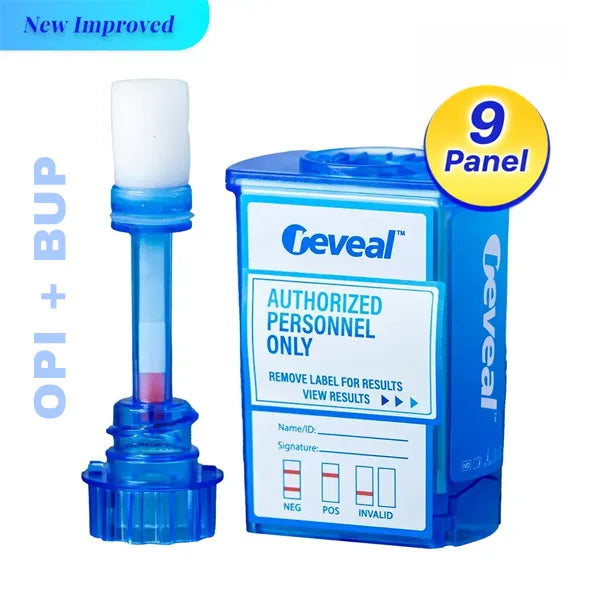
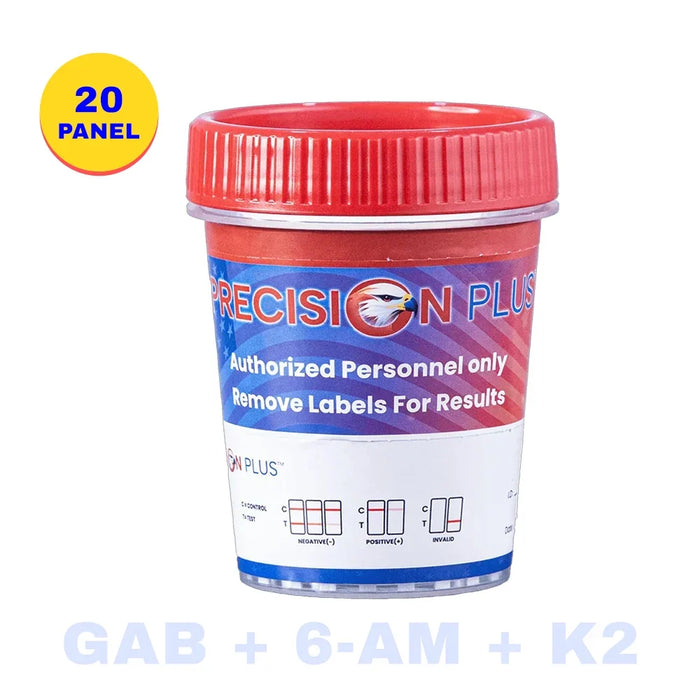
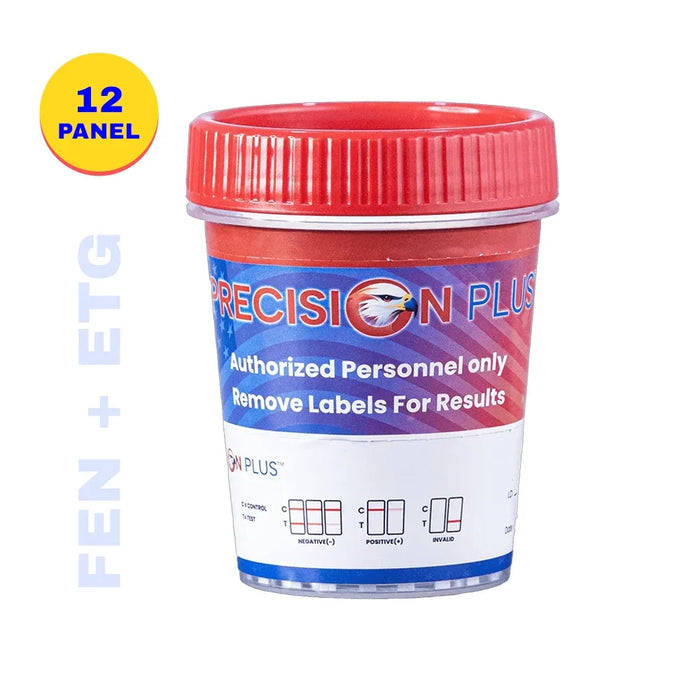
HVAC employers that build a non-DOT program typically standardize on a single device type across the company so dispatchers, supervisors, and technicians all know the procedure. Urine test cups and oral fluid tests are both commonly used for pre-employment and random testing in field service trades; see the full range of drug test cups for options that cover standard panel configurations. Companies evaluating related trades may also want to compare how electrical contractors and plumbing contractors structure similar driving and jobsite based programs, since the underlying legal framework is close to identical across these trades. Distributors and larger contractor groups that need bulk ordering can also review the wholesale account program at wholesale.americanscreeningcorp.com.
This article is general information for employers and is not legal advice. Drug testing policies touch federal, state, and sometimes local law in ways that change by jurisdiction and by job duty; employers should confirm current requirements with qualified counsel before adopting or changing a policy.