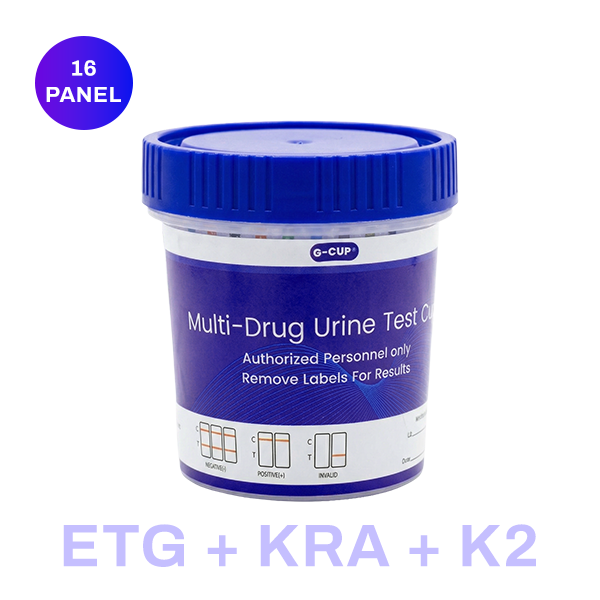
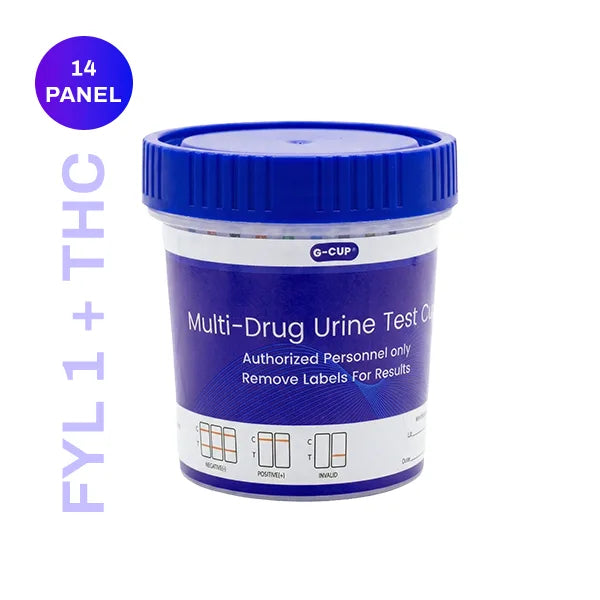
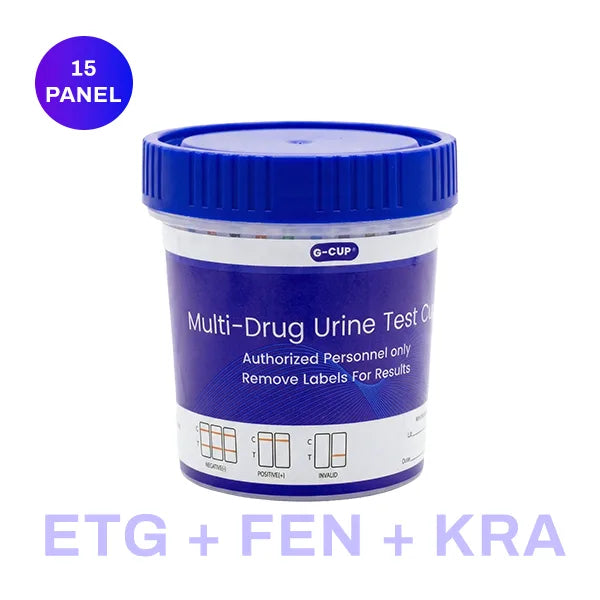
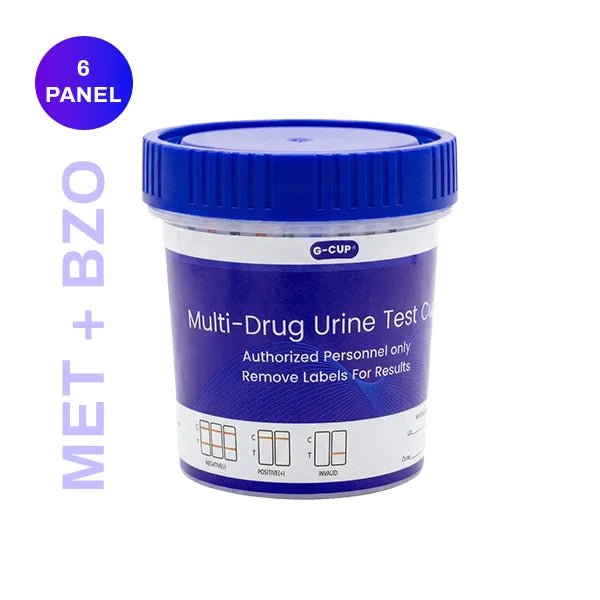
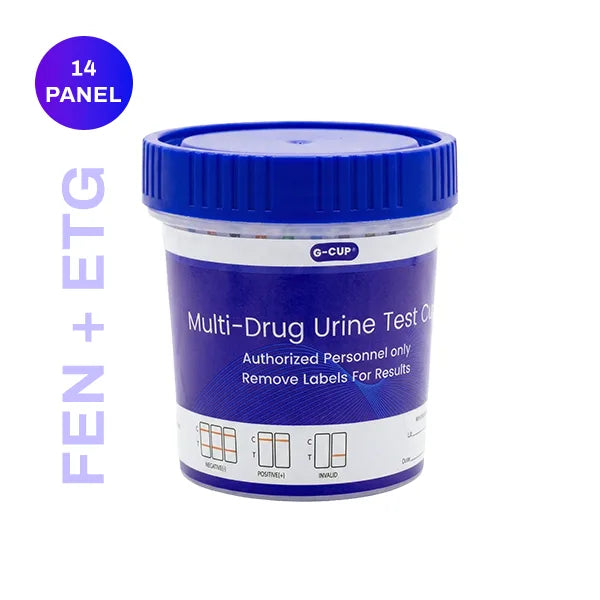
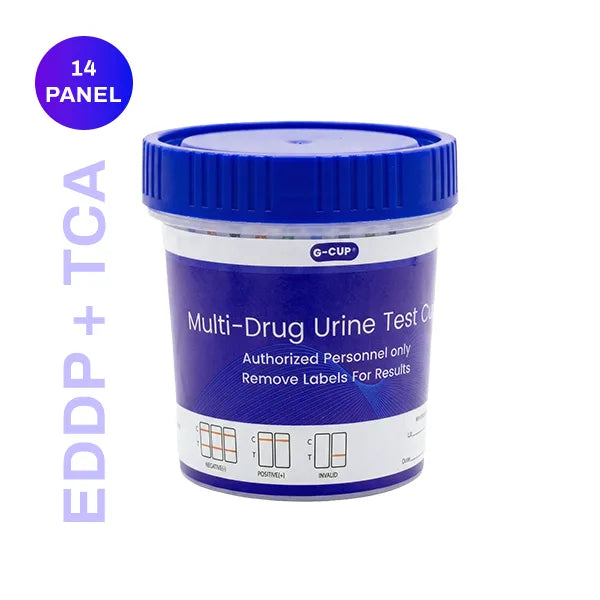
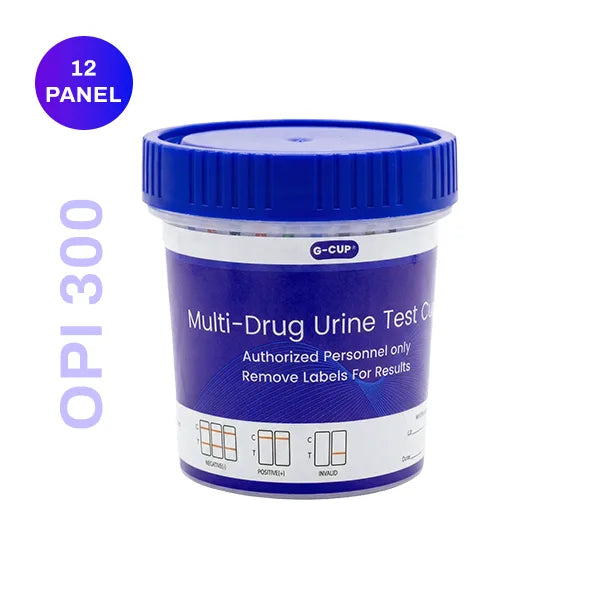
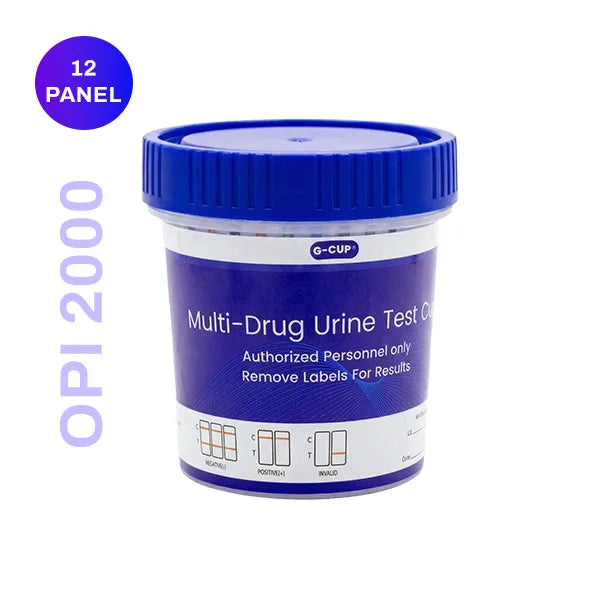
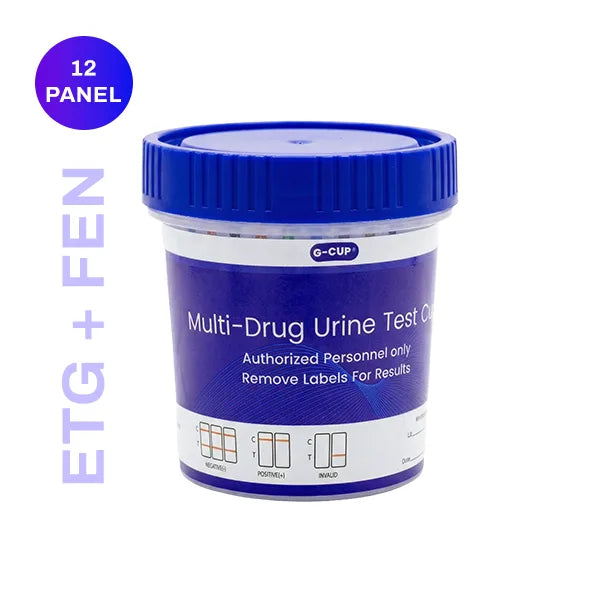
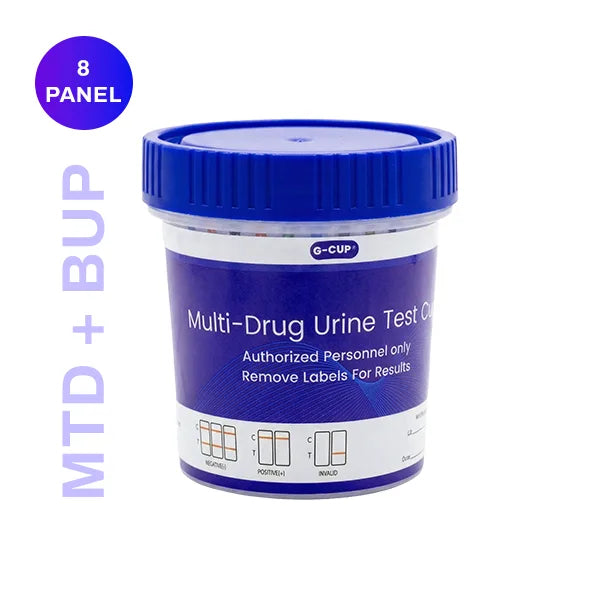
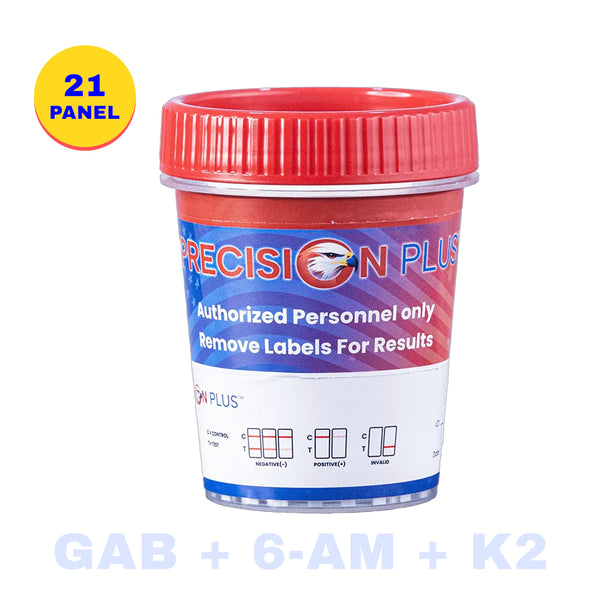
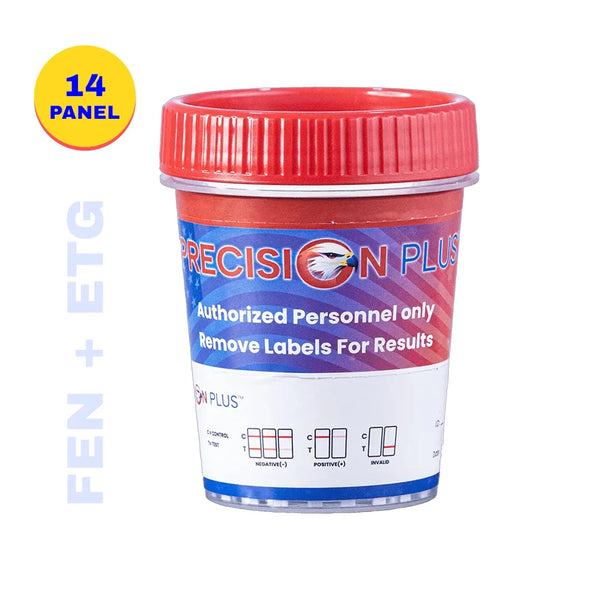
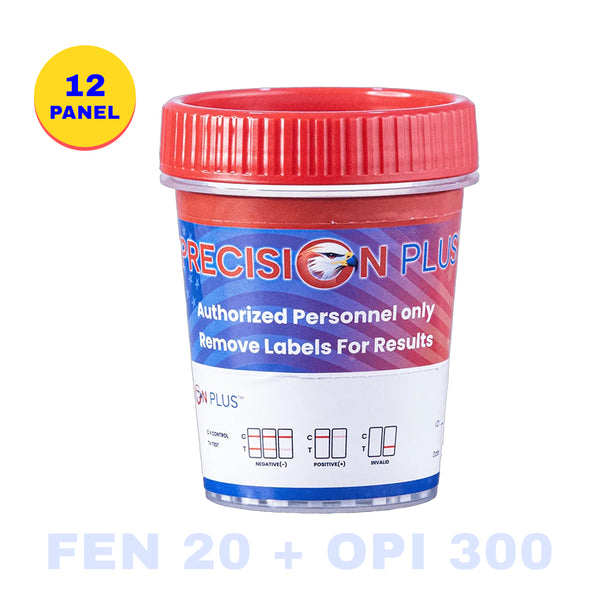
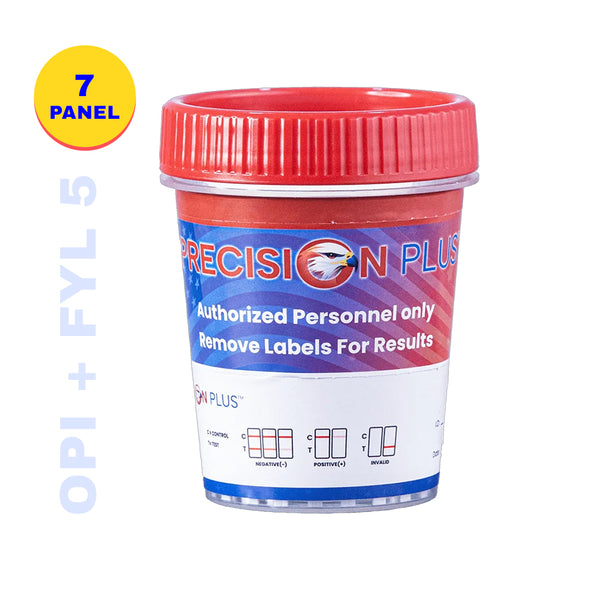
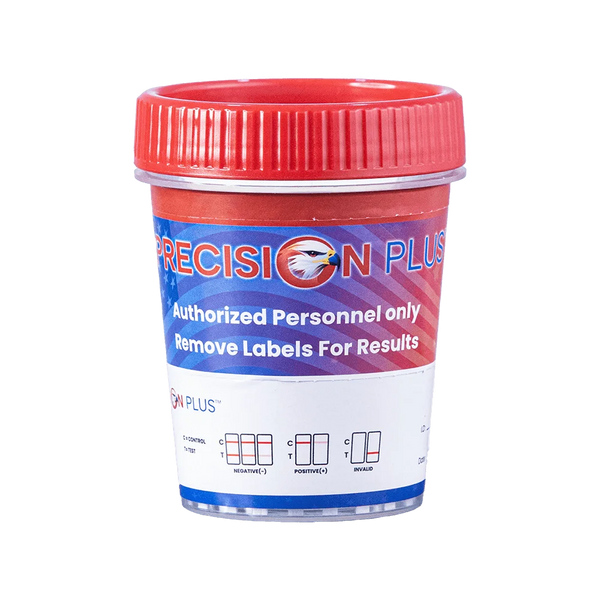
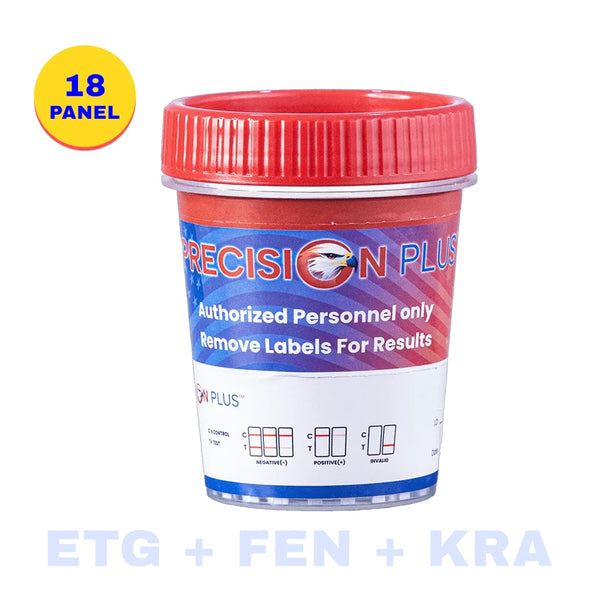
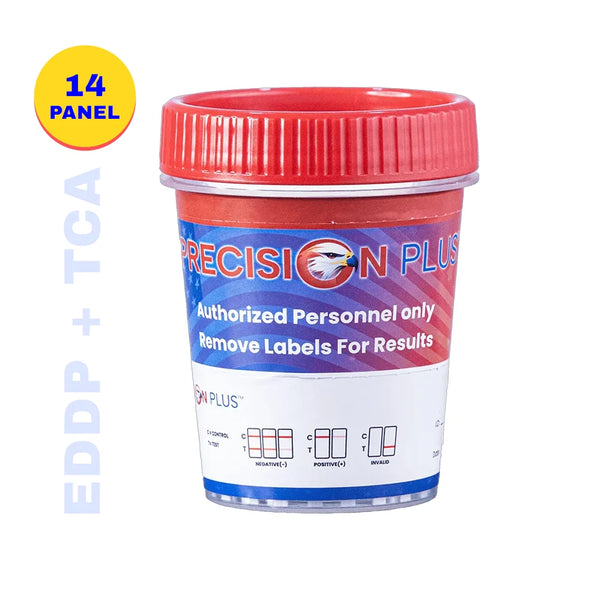
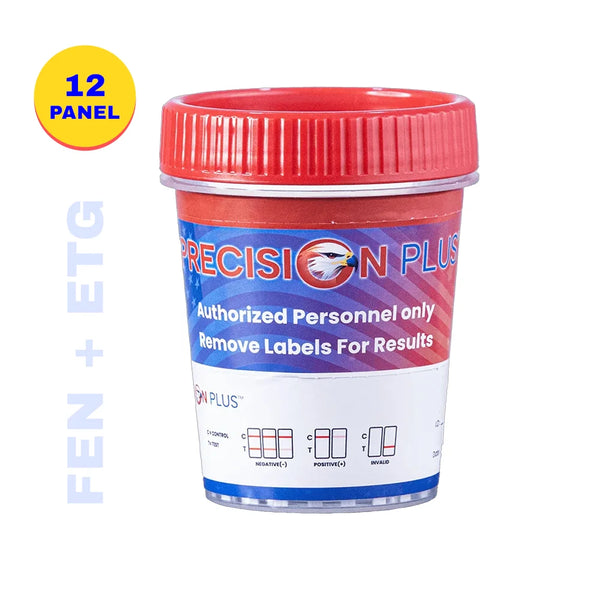
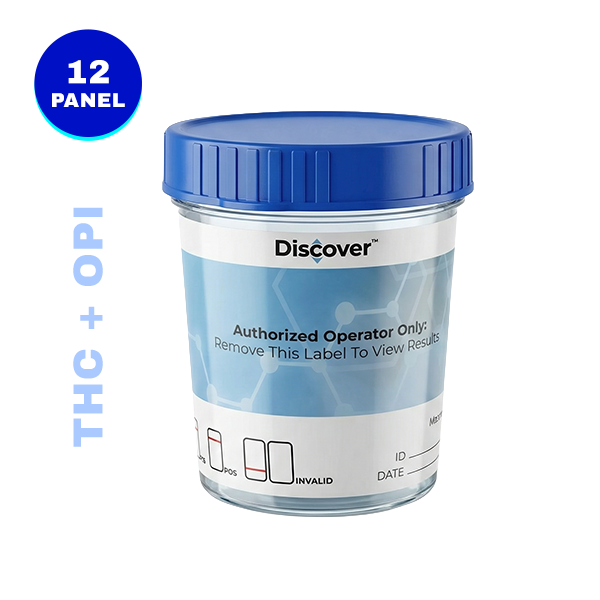
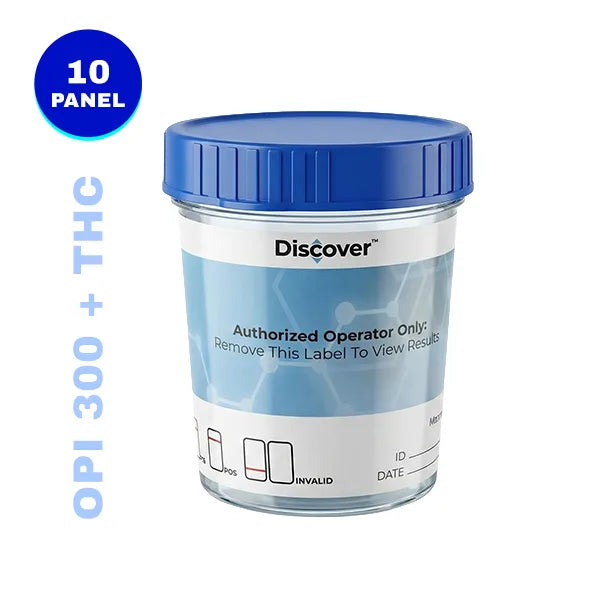
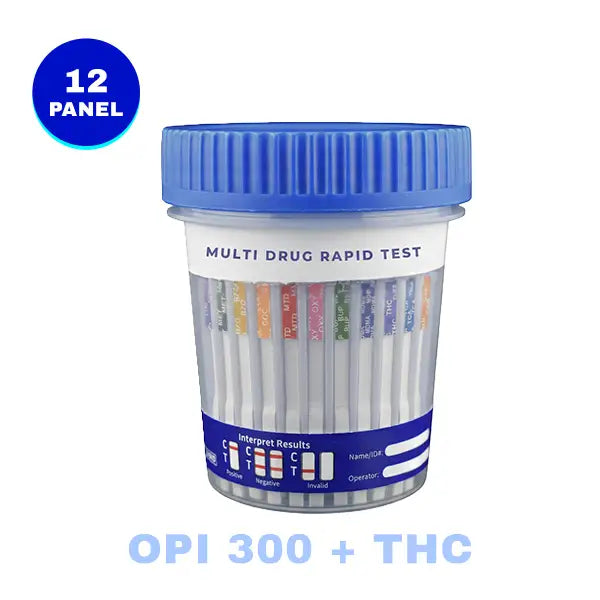
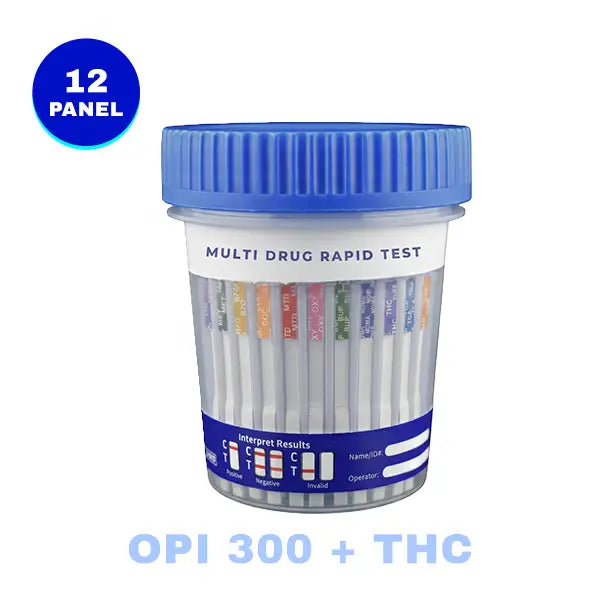
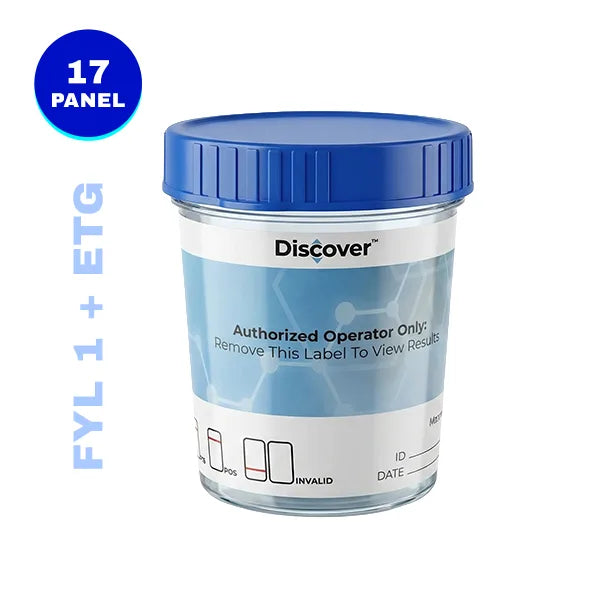
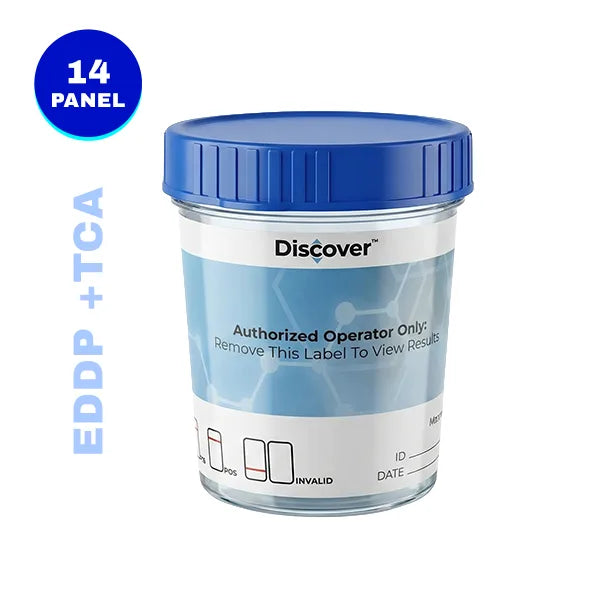
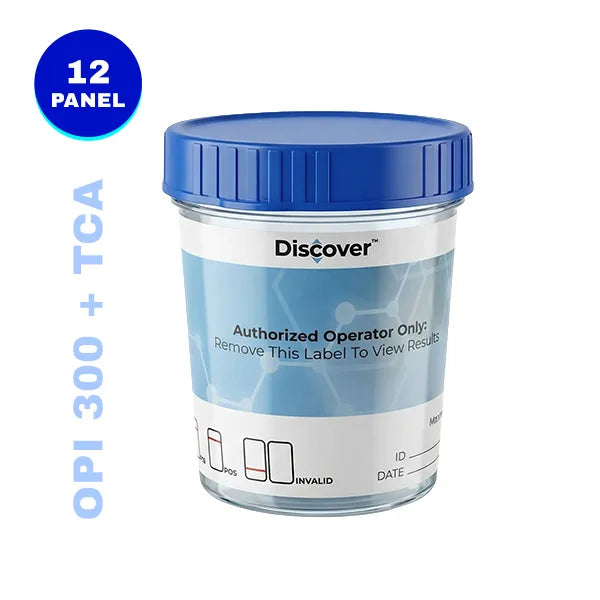
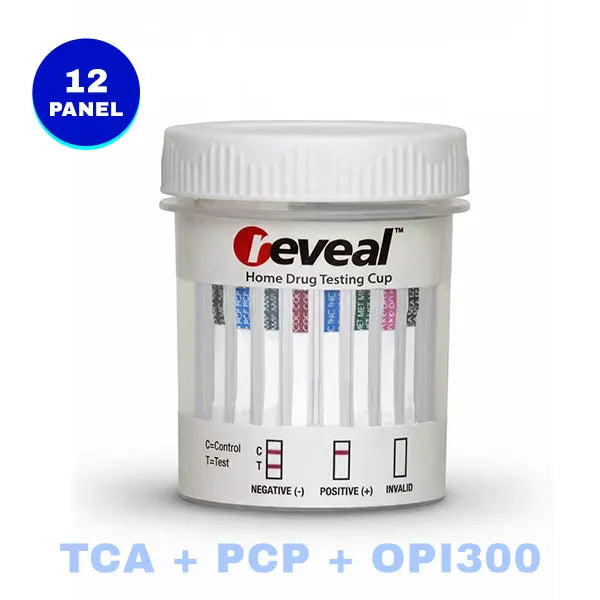
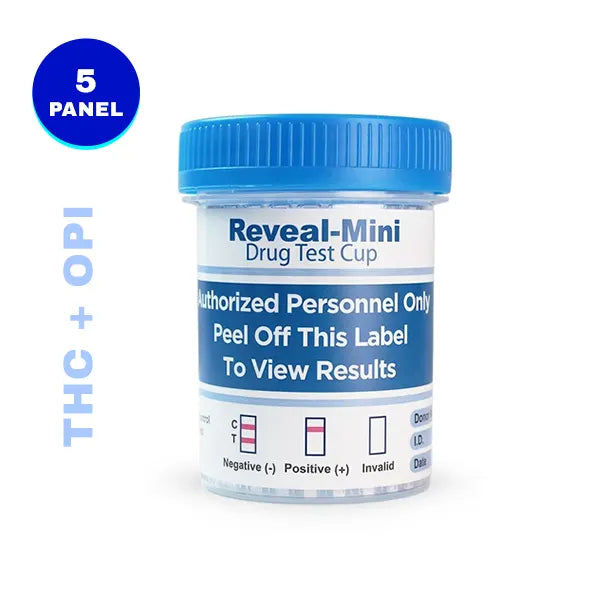
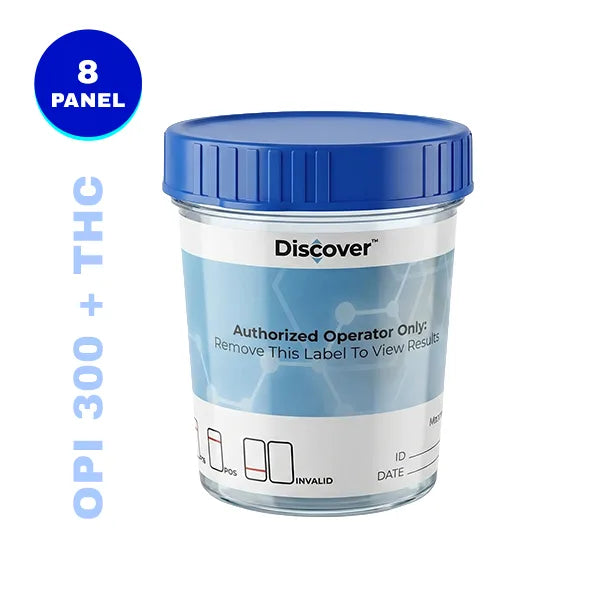
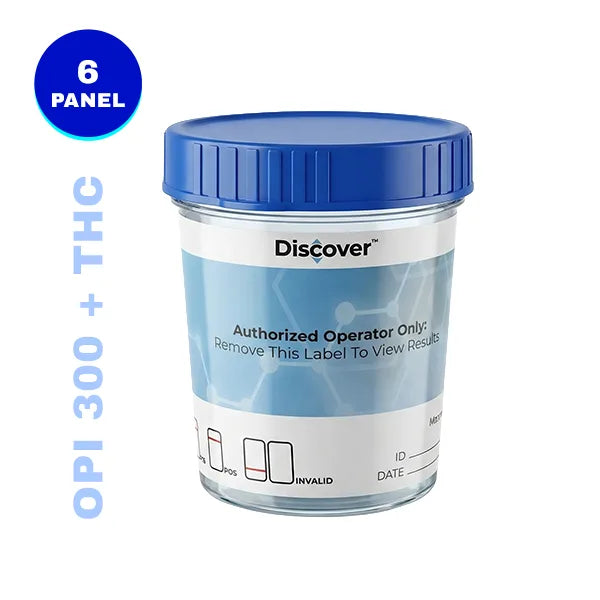
Quick answer: An icup is an all-in-one urine drug test cup that collects the specimen and screens it for multiple drugs on site, usually in about five minutes. This collection offers 10 to 20 panel cups with adulterant checks. Options include FDA-cleared, CLIA-waived and forensic-use-only configurations, sold wholesale by the case.
People search "icup" for several reasons. If you want a self-contained urine drug screening device for a clinic, court program, workplace or collection site, you are in the right place. American Screening Corp (ASC) has supplied wholesale drug and alcohol testing products from Shreveport, Louisiana, since 2004. This page covers our drug test cups, how they work, how to choose between them, and how to order in volume.
What a icup detects
A drug test cup has a built-in collection chamber and test strips, so there is no pouring or transferring. Each panel is a set of drug classes screened at the same time. Our cups run from 10 to 20 panels, and many include adulterant (specimen validity) checks. Some add fentanyl, kratom, gabapentin, ketamine, tramadol or synthetic cannabinoid (K2) tests. Cutoffs below are typical values. Exact analytes and cutoffs vary by configuration, so check the product page and package insert before you order.
| Drug class |
Abbreviation |
Typical screening cutoff (ng/mL) |
| Amphetamine |
AMP |
1000 (some 500) |
| Methamphetamine |
MET |
500 (some 1000) |
| Cocaine |
COC |
150 or 300 |
| Marijuana (THC) |
THC |
50 |
| Opiates (morphine) |
OPI / MOP |
2000 or 300 |
| Phencyclidine |
PCP |
25 |
| Benzodiazepines |
BZO |
300 |
| Barbiturates |
BAR |
300 |
| Methadone |
MTD |
300 |
| Oxycodone |
OXY |
100 |
| Buprenorphine |
BUP |
10 |
| MDMA |
MDMA |
500 |
| Fentanyl |
FYL / FEN |
Commonly 1 to 20, varies by product |
Adulterant strips typically check creatinine, oxidants, pH, and sometimes specific gravity, nitrite or bleach. These checks help show whether a specimen is consistent with normal human urine.
Formats compared
Cups are the most common on-site format, but they are not the only one. This table shows how they compare with dip cards and oral fluid devices.
| Feature |
Urine cup |
Urine dip card |
Oral fluid |
| Specimen |
Urine, collected in the device |
Urine, collected in a separate container |
Saliva |
| Result time |
About 5 minutes |
About 5 minutes |
About 10 minutes |
| Observed collection |
Often not practical for urine; depends on policy |
Same as cup |
Easy to observe |
| Adulteration checks |
Often built in |
Usually a separate strip |
Less relevant |
| Best for |
Routine, high-volume screening |
Low-cost, high-volume testing |
Recent-use detection, observed settings |
Who buys and why
-
Clinics and treatment programs: point-of-care screens at intake and during recovery to support treatment and medication monitoring.
-
Courts and probation: routine screens at check-ins, often with a forensic-use-only cup and lab confirmation of non-negatives.
-
Employers and staffing firms: pre-employment and post-incident screening of many candidates, with built-in validity checks.
-
Collection sites and labs: a fast, contained device that limits handling of the specimen.
-
Drug-free workplace programs: panels matched to company policy, including expanded panels for newer substances.
Compliance
Look at the labeling on each product. FDA 510(k)-cleared devices have been reviewed for their stated intended use. CLIA-waived cups may be used in waived testing settings under a CLIA certificate. Products marked forensic use only are not cleared for diagnostic use, and are often chosen for programs where results will be sent for confirmation. Expanded panels with newer analytes may fall into this category.
A cup gives a preliminary result only. Presumptive positives should be confirmed by a more specific method such as GC-MS or LC-MS/MS, especially when results affect employment, custody, or legal outcomes. DOT-regulated testing has its own rules for specimen collection, labs and forms, and on-site cups generally do not replace those procedures. Confirm requirements with your program administrator, medical review officer or legal counsel. This page is not legal advice.
How to read results
- Check the cup temperature strip within the time window in the instructions, and record it.
- Keep the cup on a flat surface and start the timer when the specimen is collected, following the package insert.
- Read at the time stated, typically about five minutes. Do not read after the maximum time.
- Look for the control line first. A control line in each strip means the test ran properly.
- For each drug, one line at the test region (alongside the control) is a negative. No line in the test region is a presumptive positive.
- Check the adulterant pads against the color chart, then document and, if needed, photocopy or photograph the result.
A faint line is generally read as a negative, since any visible line in the test region counts. If you are unsure, follow the insert and consider lab confirmation. A missing control line means the test is invalid, so repeat it with a new device. An out-of-range adulterant result or temperature should be handled according to your policy.
Ordering in bulk from ASC
If you are looking for drug test cups wholesale, ASC sells by the case, with larger quantities available for programs that test regularly. Orders ship the same day. Volume quotes are available for health systems, agencies, staffing networks and distributors, and private label options may be available on qualifying orders. Contact our team for pricing, and for help choosing a panel and compliance status.
ICUP FAQ
What is an icup?
An icup is a self-contained urine drug test cup. It collects the specimen and screens for several drug classes at once, with results read directly from the device in minutes. Many versions also include adulterant strips. It provides a preliminary screening result, not a confirmed laboratory result.
How long does an icup take?
Most urine drug test cups give results in about five minutes. Read the result inside the window in the package insert, because results read after the maximum time may be unreliable. Confirmation by a laboratory takes longer and depends on the lab used.
What does an icup detect?
Panels vary. Common targets include THC, cocaine, amphetamine, methamphetamine, opiates, oxycodone, benzodiazepines, methadone, buprenorphine and PCP. Some of our cups also screen for fentanyl, kratom, gabapentin, ketamine or tramadol. Check each product page for the exact panel and cutoffs.
How much do drug test cups cost?
Price depends on the panel size, the number of adulterant checks, regulatory status and order quantity. Larger panels with specialty analytes generally cost more. Buying by the case lowers the cost per test. Contact ASC for a volume quote based on your program.
Where can I buy an icup near me?
On-site testing supplies are usually bought online rather than in stores, which gives you more panel choices and case quantities. ASC ships same day from Louisiana, so clinics, employers and agencies can restock without a local supplier. Home users should look at product labeling for intended use.
How accurate is an icup?
Accuracy depends on the device, the drug, the cutoff and proper use. Cups are screening tools, and cross-reactivity, medications or very low concentrations near the cutoff can affect results. Follow the instructions carefully, and send presumptive positives for GC-MS or LC-MS confirmation.