Quick answer: New DOT drug testing requirements allow oral fluid testing alongside urine under 49 CFR Part 40, effective June 1, 2023. They also bring state driver licensing agencies into FMCSA Clearinghouse II, effective November 18, 2024. DOT tests must use HHS-certified laboratories and Part 40 collection procedures. American Screening Corp supplies non-regulated screening products.
- Oral fluid is a DOT-authorized specimen type, but only with Part 40 collection and an HHS-certified laboratory (U.S. DOT ODAPC, as of 2025).
- Clearinghouse II links drug and alcohol violations to commercial driver's license status through state licensing agencies (FMCSA Clearinghouse).
- Point-of-care cups and dips are not valid for DOT-regulated tests. They suit non-DOT programs, and every positive is preliminary until confirmed by GC/MS or LC-MS/MS laboratory testing.
What are the new DOT drug testing requirements?
The main change is a second specimen option. DOT's final rule amending 49 CFR Part 40, effective June 1, 2023, lets employers use oral fluid instead of urine for DOT-regulated testing (U.S. DOT Office of Drug and Alcohol Policy and Compliance, "Oral Fluid Testing").
Need drug tests for your clinic, program or workplace?
American Screening Corp has supplied FDA-cleared, CLIA-waived tests at wholesale pricing since 2004. Popular options:
Ordering 100+ tests? Request volume pricing.
Part 40 is the DOT regulation that governs how specimens are collected, tested and reported. Employers regulated by FMCSA, FAA, FRA, FTA, PHMSA and the Coast Guard all follow it.
The second change affects commercial drivers. The FMCSA Drug and Alcohol Clearinghouse II final rule took effect November 18, 2024. State driver licensing agencies must now check driver status, and a driver with an unresolved violation can lose commercial driving privileges (FMCSA, "Clearinghouse II").
Which drugs does DOT test for, and at what cutoffs?
The DOT panel is 5 drug classes: marijuana metabolites (THC), cocaine metabolites, amphetamines, opioids and phencyclidine (PCP). Initial urine cutoffs are listed in 49 CFR Part 40 and the HHS Mandatory Guidelines for Federal Workplace Drug Testing Programs. Some examples:
- Marijuana metabolite: 50 ng/mL urine; 4 ng/mL oral fluid.
- Cocaine metabolite: 150 ng/mL urine; 15 ng/mL oral fluid.
- Amphetamine and methamphetamine: 500 ng/mL urine; 50 ng/mL oral fluid.
- PCP: 25 ng/mL urine; 10 ng/mL oral fluid.
Fentanyl is not on the DOT panel. Check the current text of 49 CFR Part 40 before relying on these values, because the regulator can amend them.
Urine or oral fluid: how do they compare for DOT?
| Factor | Urine | Oral fluid |
|---|---|---|
| DOT authorized | Yes | Yes, since June 1, 2023 |
| Collection | Collection site, often with observation rules | Observed by the collector, which reduces adulteration risk |
| Typical detection window | Longer, often days | Shorter, generally hours to a couple of days |
| Best use | Routine and return-to-duty testing | Post-accident and reasonable-suspicion testing, where recent use matters |
| Laboratory | HHS-certified | HHS-certified for oral fluid |
Detection windows vary by drug, dose and individual. Treat them as general ranges.
What must a DOT-regulated employer do now?
Start with your testing policy, then your vendors. The policy must name the specimen types you use, and your collection sites and laboratories must be Part 40 compliant.
- Update your written policy to say whether you use urine, oral fluid or both.
- Confirm your third-party administrator and collection sites can collect oral fluid, if you plan to use it.
- Run the required Clearinghouse queries: full pre-employment queries and annual limited queries for current drivers.
- Make sure supervisors have completed required reasonable-suspicion training.
- Keep records for the retention periods in Part 40 and the modal rules.
- Route every non-negative result through a Medical Review Officer (MRO).
Where do rapid test cups and dips fit?
Rapid devices cannot replace a DOT test. Part 40 requires a federal custody and control form, a certified laboratory and an MRO review, so an instant cup result is never a DOT result.
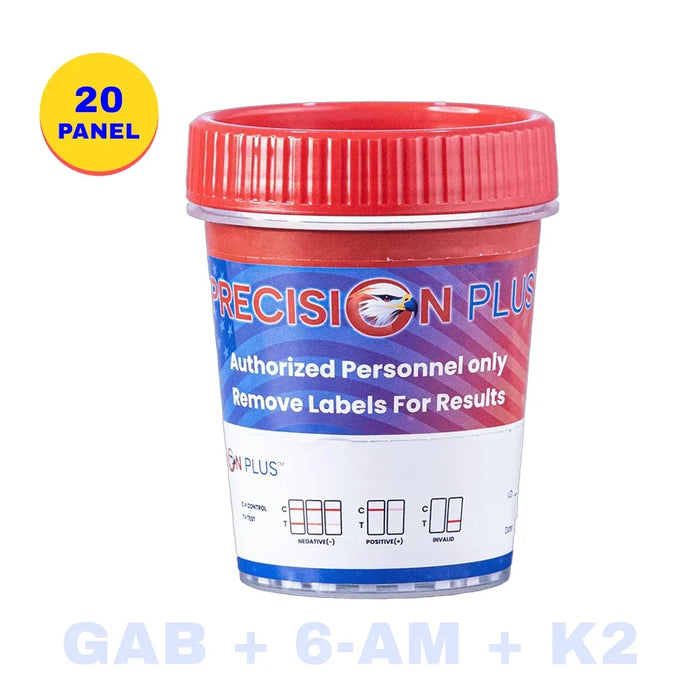
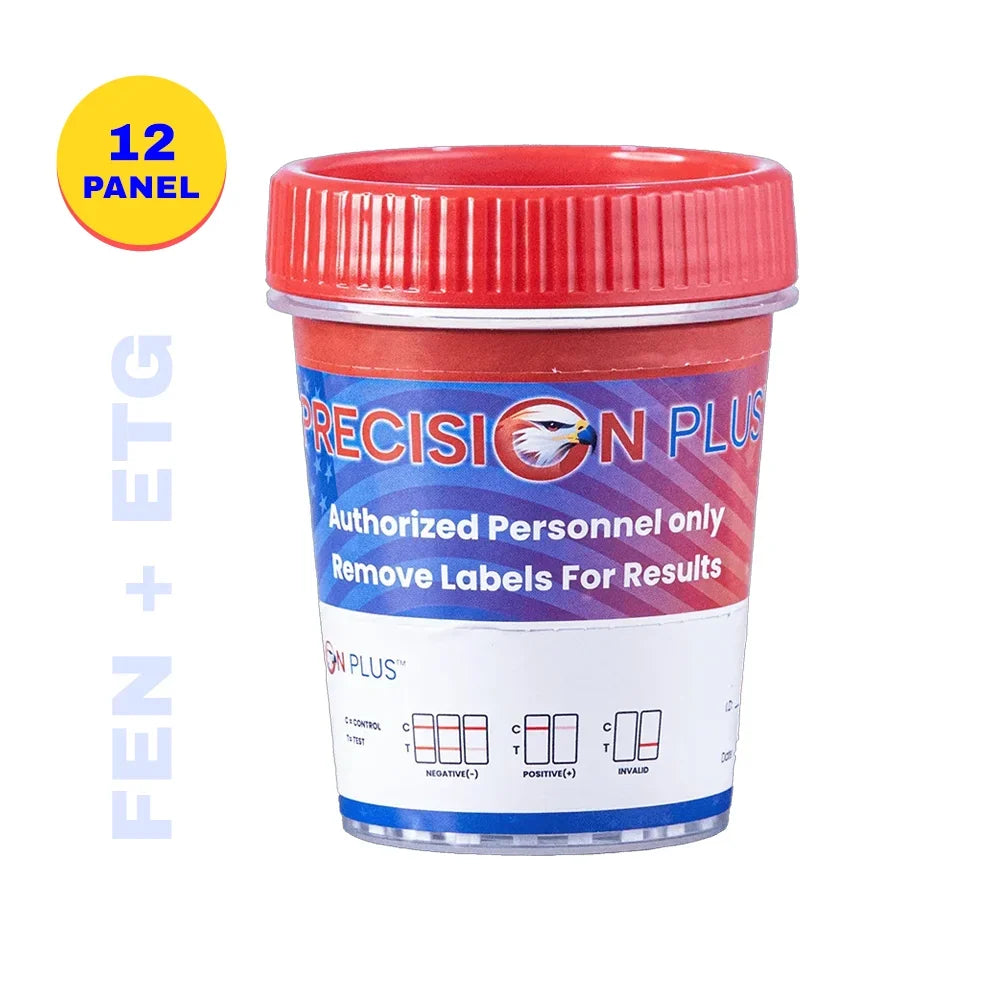
They do have a role in non-regulated programs: private employers, clinics, treatment centers, courts and probation. American Screening Corp supplies FDA-cleared, CLIA-waived drug test cups and drug test dip cards in wholesale quantities. Verify the clearance and panel on the product record before you buy.
Every positive screen is preliminary. Confirm it by GC/MS or LC-MS/MS laboratory testing before any action.
How do drug testing and background screening work together?
Many staffing and transportation employers pair testing with employment screening. Our sister division, Reveal Background, runs employment background checks. For DOT roles, past DOT testing history is a separate Part 40 inquiry. It is not part of a standard background check.
FAQ
Can DOT employers use oral fluid testing now?
Yes. Oral fluid has been a DOT-authorized specimen since June 1, 2023. It must be collected under 49 CFR Part 40 and tested by an HHS-certified laboratory.
Does Clearinghouse II change employer duties?
Employers still run the required queries and report violations. Clearinghouse II adds state licensing agencies, which act on driver status. Check FMCSA guidance for your specific duties.
Can a rapid cup be used for a DOT test?
No. DOT tests require a certified laboratory, Part 40 collection and MRO review. Rapid cups are for non-regulated screening, and positives must be confirmed by GC/MS or LC-MS/MS.
Is fentanyl on the DOT panel?
No. The DOT panel covers marijuana, cocaine, amphetamines, opioids and PCP. Employers may add fentanyl screening only in non-DOT programs under their own policy.
Sources
- U.S. DOT Office of Drug and Alcohol Policy and Compliance
- FMCSA Drug and Alcohol Clearinghouse
- eCFR: 49 CFR Part 40
Need non-regulated screening supplies for your program? Contact American Screening Corp for wholesale pricing.
This article is general information, not legal or medical advice.