
CLIAWAIVED
ASC
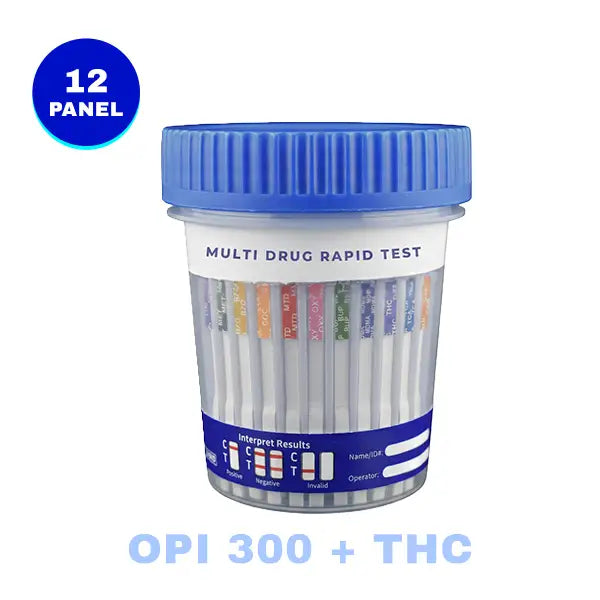
12 Panel Drug Test Cup with THC & BUP
DOA-A1127C-062-A3
MOP(OPI)300, MDMA500, OXY100, COC150, MET500, MTD300, BZO300, BAR300, AMP500, TCA1000, THC50, BUP10
as low as$2.10each
View Product →WHOLESALE DRUG TESTING SUPPLIES · BULK PRICING
Quick answer: CLIA waived tests are simple, FDA-cleared screens that a site with a Certificate of Waiver can run on-site. This collection covers urine cups and dip cards that detect common drug classes, including THC, cocaine, amphetamines, opiates, and buprenorphine. Devices are FDA-cleared and CLIA-waived...
ASC
DOA-A1127C-062-A3
MOP(OPI)300, MDMA500, OXY100, COC150, MET500, MTD300, BZO300, BAR300, AMP500, TCA1000, THC50, BUP10
as low as$2.10each
View Product →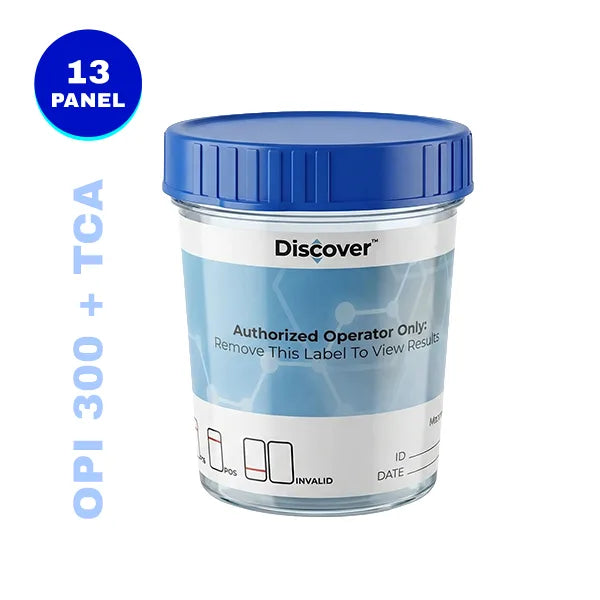
Discover Plus
DISP-DUD6134N$
THC COC, AMP, OPI300, MAMP, PCP, BAR, BZO, MTD, MDMA, OXY, BUP, TCA (PH/SG/CREA)
as low as$3.08each
View Product →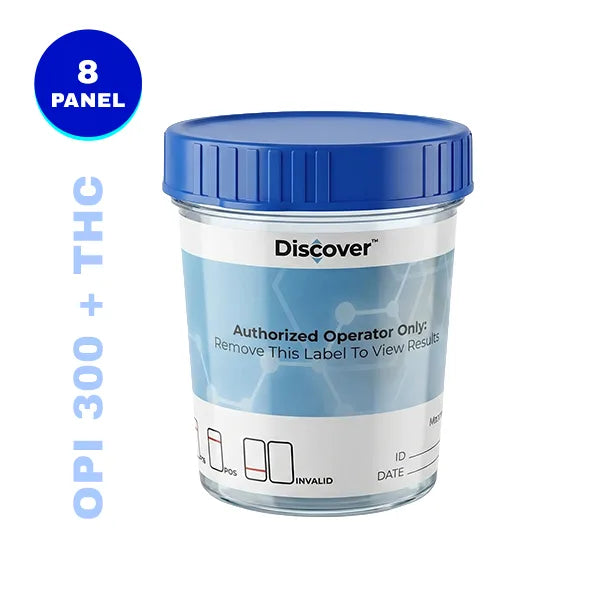
Discover Plus
DISP-DUD184N$
THC50, COC150, AMP500, OPI300, BZO300, MTD300, OXY100, BUP10 (PH/SG/CREA)
as low as$1.67each
View Product →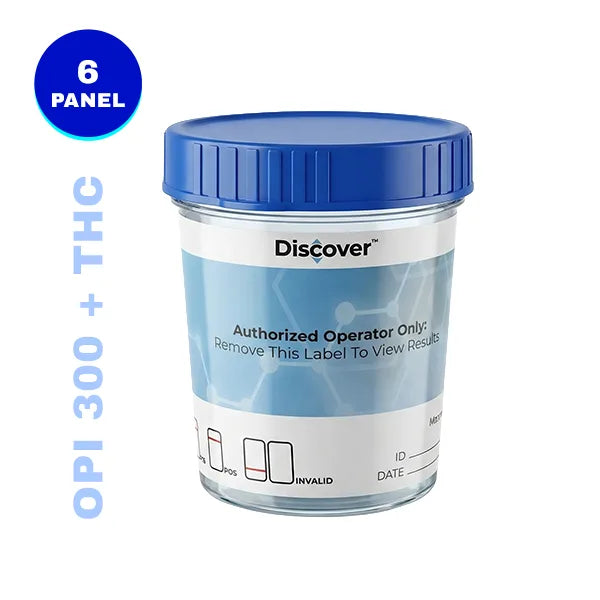
Discover Plus
DISP-DUD264N$
THC50, COC150, AMP500, OPI300, MET500, BZO300 (PH/SG/CREA)
as low as$1.68each
View Product →
Reveal
REVEAL-EMP
AMP, THC, MAMP, OPI, PCP, BAR, BZO, MTD, OXY, MDMA, TCA, COC
as low as$61.13each
View Product →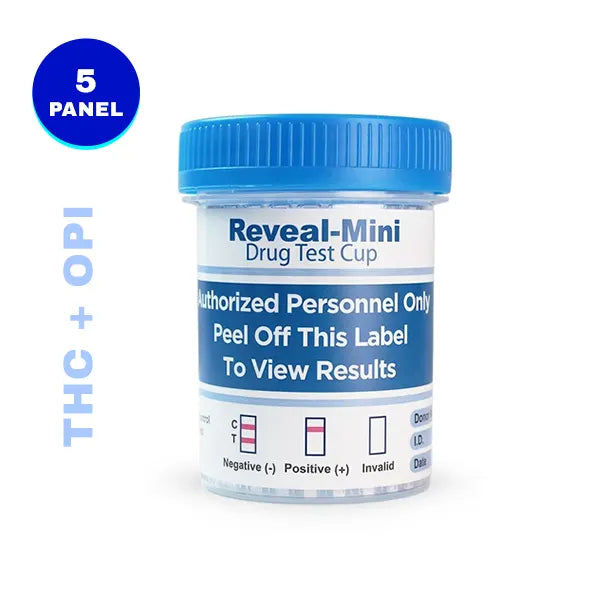
Reveal Mini
ASC-RMCUP-254
THC, COC, AMP, OPI, MAMP
as low as$1.52each
View Product →
Precision DX
PREDX-DOA-154N
THC, COC, AMP, OPI, PCP
as low as$1.35each
View Product →
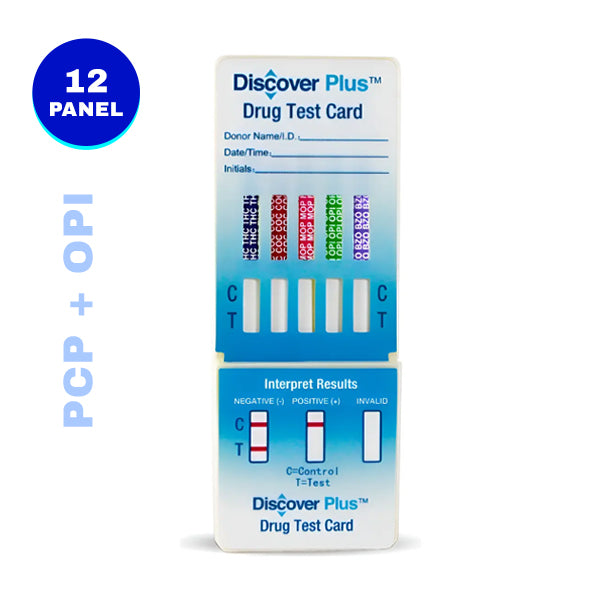
Discover Plus
DISP-DOA-1124N
THC, COC, AMP, OPI, MAMP, PCP, BAR, BZO, MTD, MDMA, OXY, PPX
as low as$2.09each
View Product →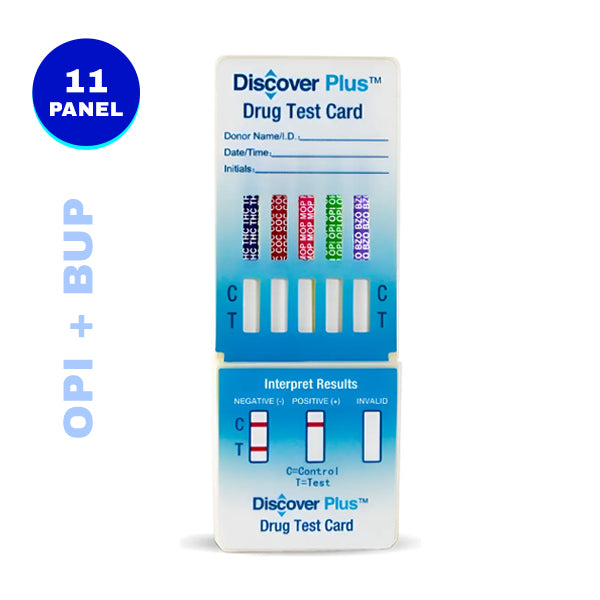
Discover Plus
DISP-DOA-2114N
THC, COC, AMP, OPI, MAMP, PCP, BAR, BZO, MTD, OXY, BUP
as low as$2.59each
View Product →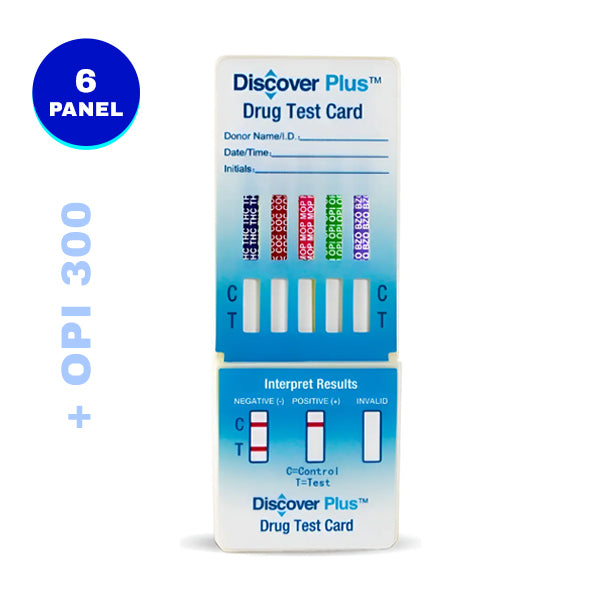
Discover Plus
DISP-DOA-865N
COC, OPI300, BZO, MTD, OXY, BUP
as low as$1.16each
View Product →
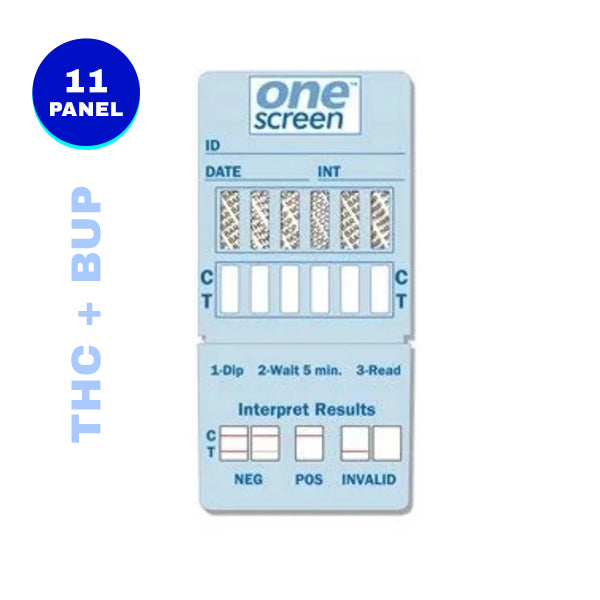
One Screen
ASC-DOA3114MD
THC, COC, AMP, MOP, MAMP, PCP, BAR, BZO, MTD, OXY, BUP
as low as$2.01each
View Product →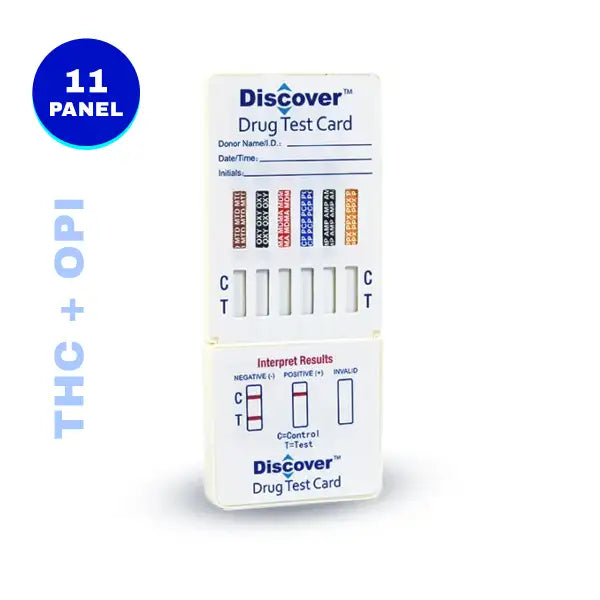
Discover
DIS-DOA-2114
THC, COC, AMP, OPI, MAMP, PCP, BAR, BZO, MTD, OXY, BUP
as low as$1.96each
View Product →
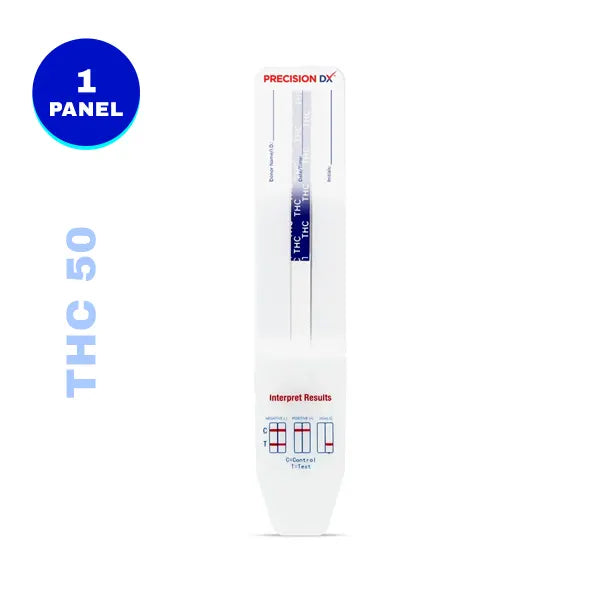
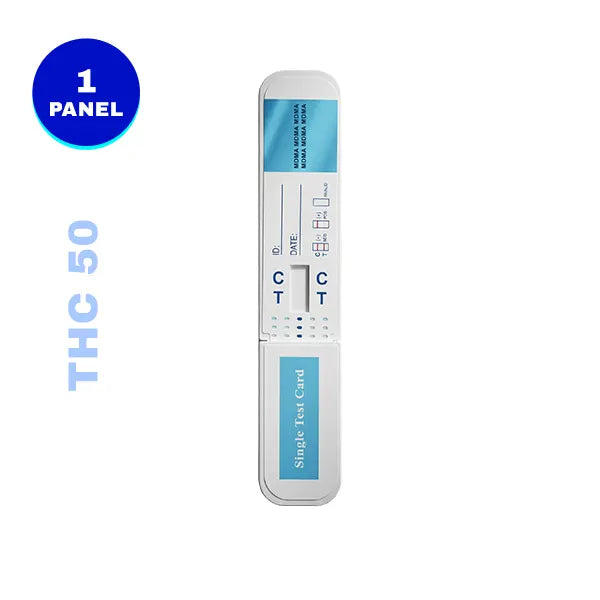
Precision DX
PREDX-DTH-114N
THC 50
as low as$0.30each
View Product →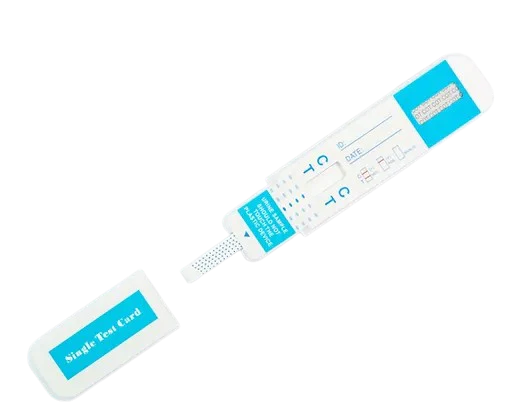
ASC
WTC-25
TCA 1000
as low as$0.26each
View Product →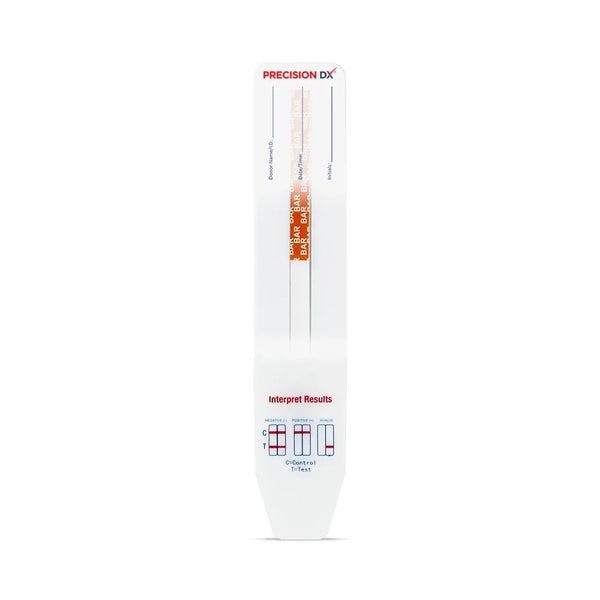
Precision Plus
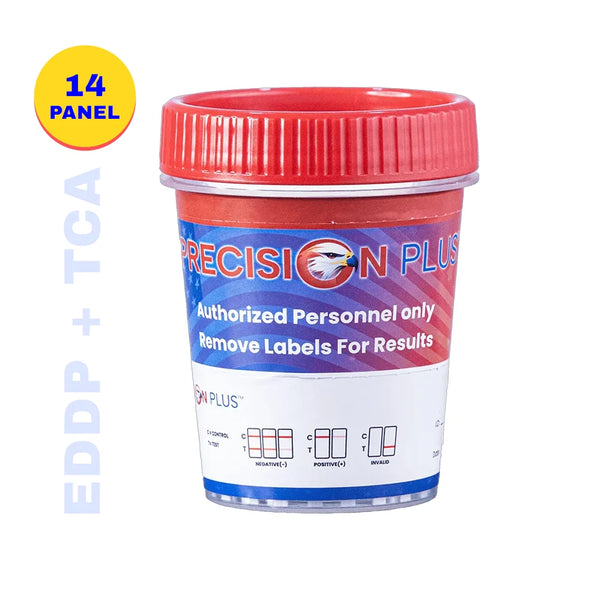
PREPL-DUD6144N!
THC50, COC150, AMP500, OPI300, MET500, PCP25, BAR300, BZO300, MTD300, MDMA500, OXY100, EDDP300, BUP10, TCA1000 (PH/SG/CREA)
as low as$2.64each
View Product →
Precision Plus
PREPL-DUD6124N!
THC50, COC150, AMP500, OPI2000, MET500, PCP25, BAR300, BZO300, MTD300, MDMA500, OXY100, BUP10 (PH/SG/CREA)
as low as$2.38each
View Product →
ASC
CDOA-6125
PCP25, AMP1000, MOP(OPI)300, MET1000, BZO300, COC300, MTD300, OXY100, BUP10, MDMA500, THC50, BAR300
as low as$2.38each
View Product →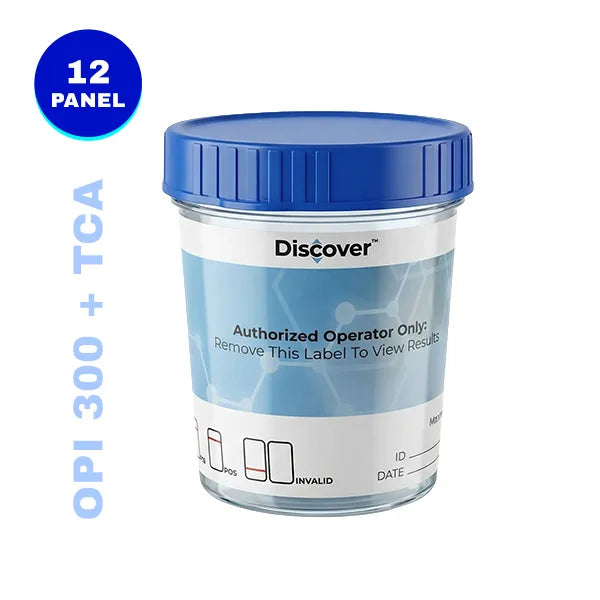
Discover Plus
DISP-DUD9124N$
THC, COC, AMP, OPI300, MAMP, PCP, BAR, BZO, MTD, MDMA, OXY, TCA (PH/SG/CREA)
as low as$2.60each
View Product →
Discover Plus
DISP-DUD484N$
COC, AMP, MET, OPI300, BAR, BZO, OXY, BUP (PH/SG/CREA)
as low as$1.72each
View Product →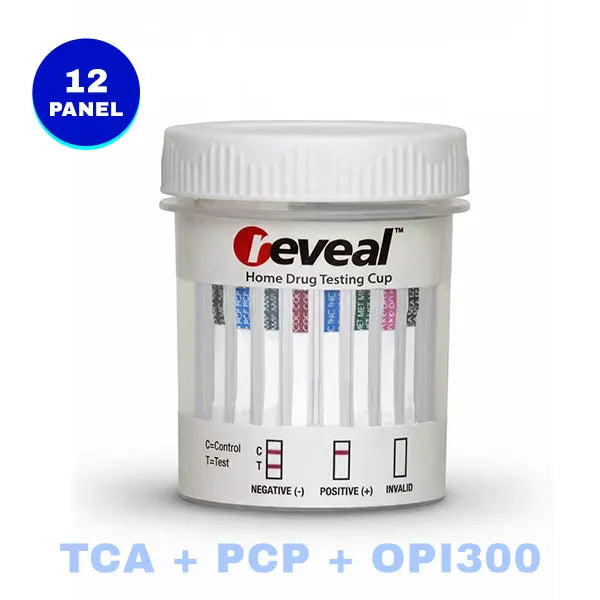
Reveal
ASCRCUP3124NDI
THC, COC, AMP, OPI300, MAMP, PCP, BAR, BZO, MTD, MDMA, OXY, TCA
as low as$2.66each
View Product →
Precision DX
PREDX-DOA6124N
THC, COC, AMP, MOP, MAMP, PCP, BAR, BZO, MTD, MDMA, OXY, BUP
as low as$1.81each
View Product →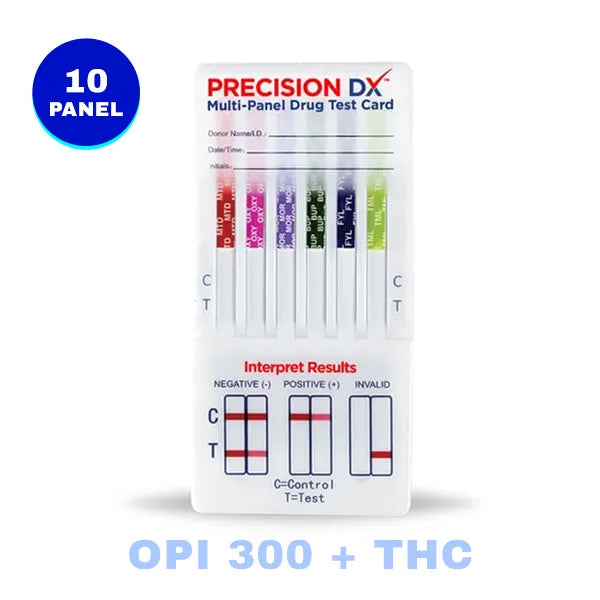
Precision DX
PREDX-DOA7104N
AMP, BAR, BZO, COC, MAMP, OPI300, MTD, PCP, TCA, THC
as low as$3.00each
View Product →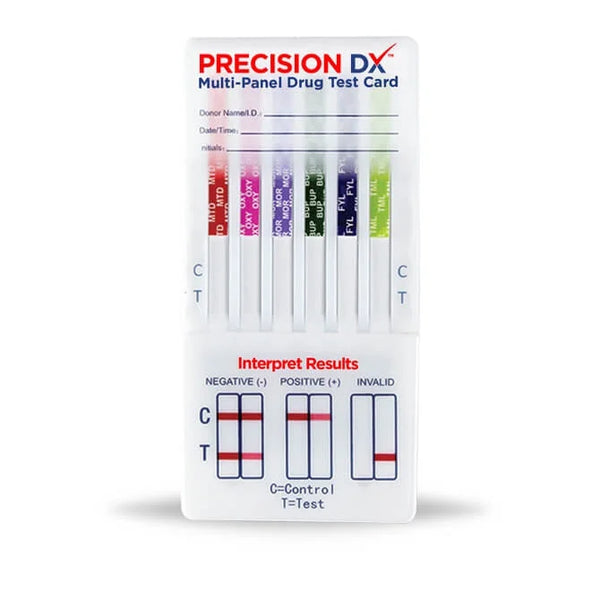
Precision DX
PREDX-DOA6104N
THC, COC, AMP, OPI, BAR, BZO, MTD, OXY, BUP, TCA
as low as$2.74each
View Product →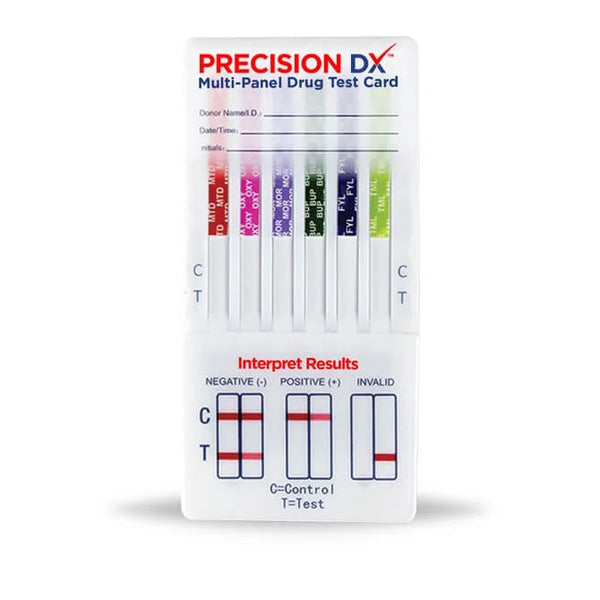
Precision DX
PREDX-DOA4104N
THC, COC, AMP, OPI, MAMP, PCP, BAR, BZO, MTD, OXY
as low as$2.29each
View Product →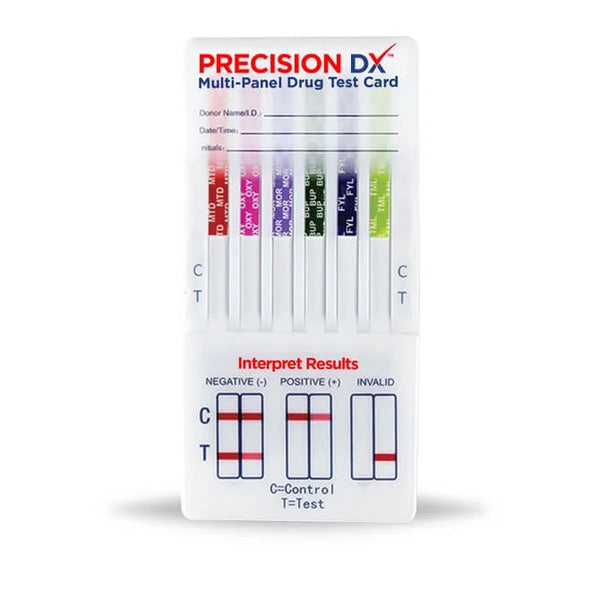
Precision DX
PREDX-DOA-264N
THC, COC, AMP, OPI, MAMP, BZO
as low as$1.81each
View Product →
ASC
W13124
AMP, BAR, BUP, BZO, COC, MAMP, MDMA, MOR, MTD, OXY, PCP, THC
as low as$2.51each
View Product →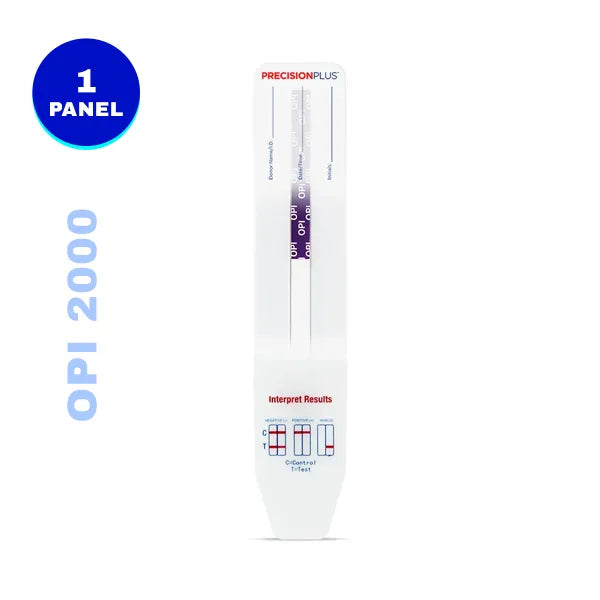
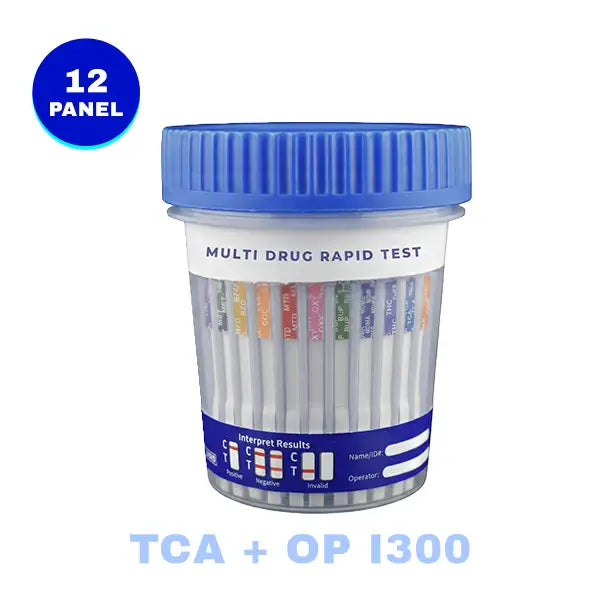
ASC
CDOA-7125
TCA1000, AMP1000, OPI300, MET1000, BZO300, COC300, MTD300, OXY100, BUP10, MDMA500, THC50, BAR300
as low as$2.42each
View Product →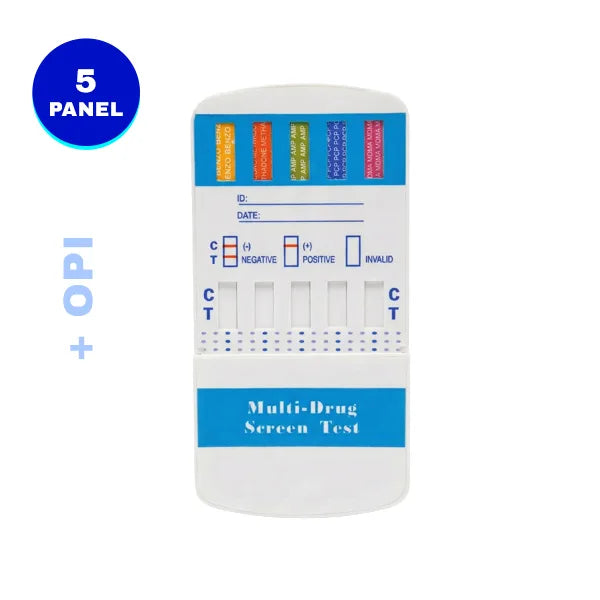


ASC
HCDOAV-264A3
AMP1000, COC300, BZO300, MET1000, OPI2000, THC50 (OX/SG/pH)
as low as$2.56each
View Product →

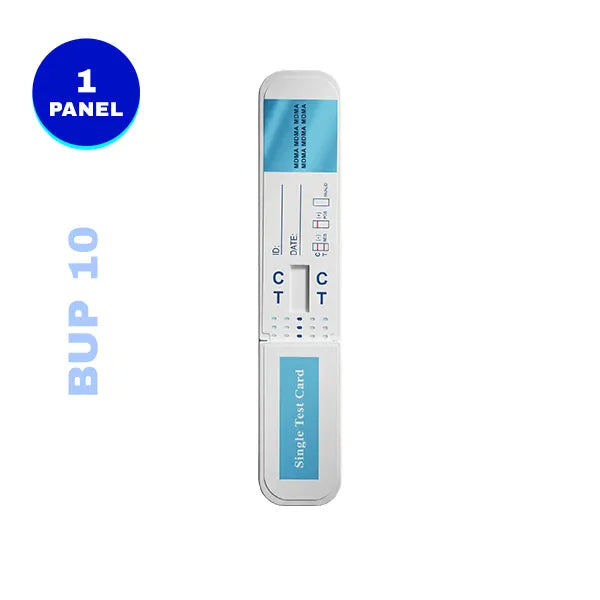
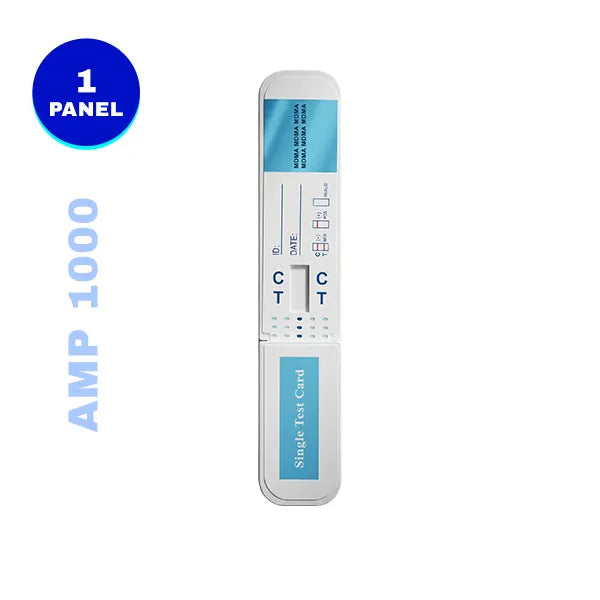
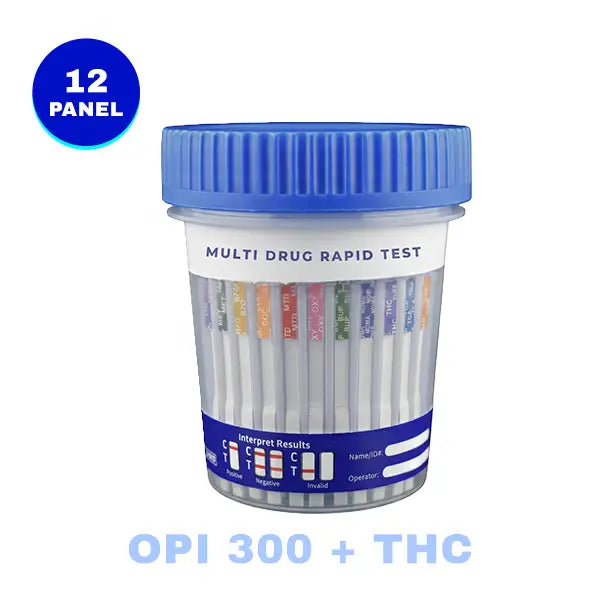
ASC
CDOA-6125A3
THC, COC, AMP, OPI300, MAMP, PCP, BAR, BZO, MTD, MDMA, OXY, BUP (PH/SG/CREAT)
as low as$3.02each
View Product →
ASC
W4104
THC, COC, AMP, MAMP, OPI300, PCP, BZO, BAR, MTD, OXY
as low as$2.23each
View Product →


ASC
CDOA-255
AMP1000, COC300, OPI300, PCP25, THC50
as low as$1.87each
View Product →
ASC
HCDOAV-855
AMP1000, COC300, MET1000, MOP300, OXY100
as low as$2.34each
View Product →
ASC
HCDOAV-1145
AMP1000, BAR300, BUP10, BZO300, COC300, MDMA500, MET1000, MOP300, MTD300, OXY100, PCP25, PPX300, TCA1000, THC50
as low as$2.84each
View Product →
ASC
HCDOAV-10115
AMP1000, BAR300, BUP10, BZO300, COC300, MDMA500, MET1000, MOP300, MTD300, OXY100, PCP25
as low as$3.28each
View Product →

ASC
W9124
AMP, BAR, BUP, BZO, COC, MAMP, MDMA, MTD, OPI, OXY, PCP, THC
as low as$2.64each
View Product →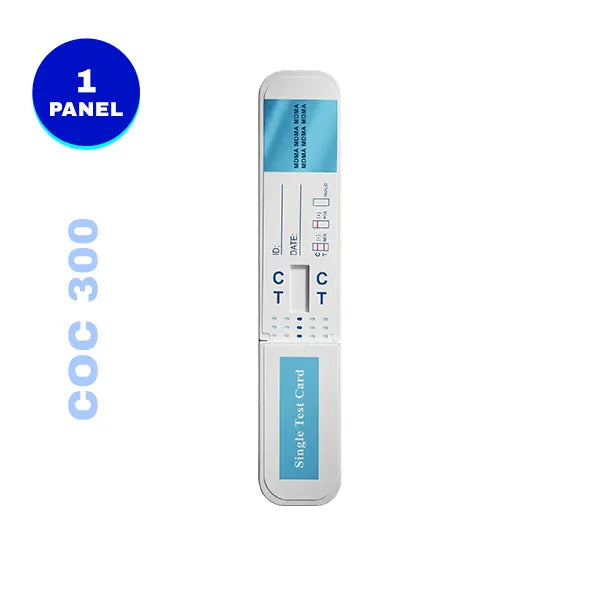
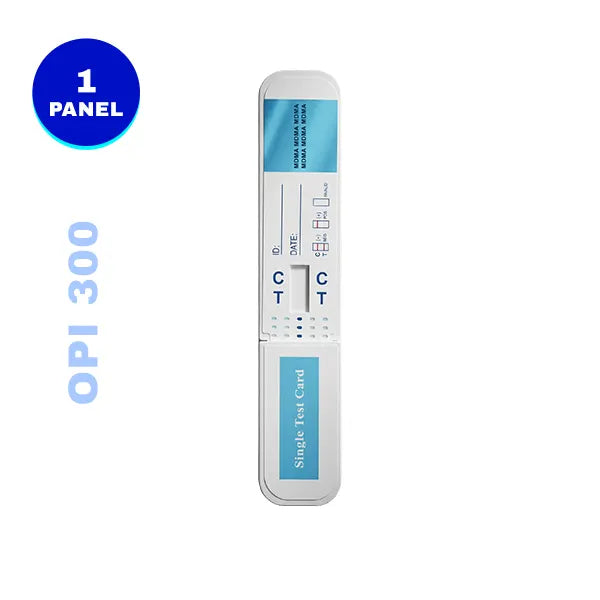
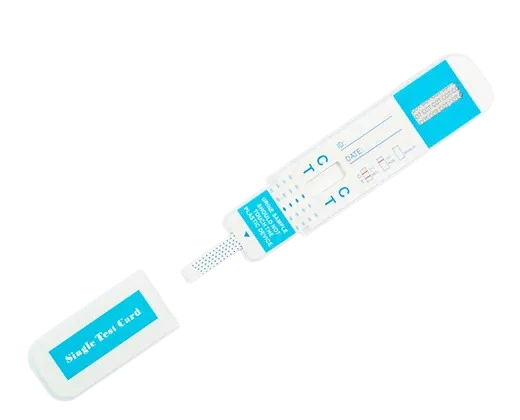
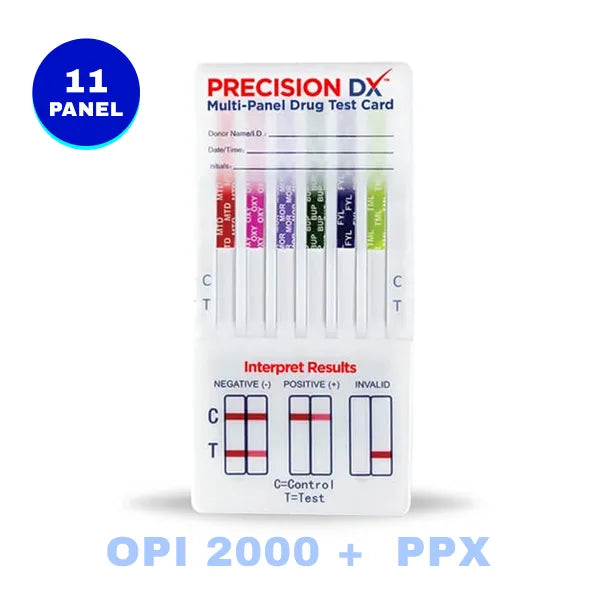
Precision DX
PREDX-DOA-45114
AMP1000, BAR300, BZO300, COC300, MAMP1000, MDMA500, MTD300, OPI2000, OXY100, PCP25, PPX300
as low as$2.69each
View Product →
ASC
CDOA-285
AMP1000, OPI300, MAMP1000, BZO300, COC300, OXY100, BUP10, THC50
as low as$2.20each
View Product →
ASC
CDOA-8125AD3
AMP1000, OPI300, MET1000, BZO300, COC300, MTD300, OXY100, BUP10, MDMA500, THC50, BAR300, PCP25 with 3 Adulterants (SG/PH/CRE)
as low as$2.04each
View Product →
ASC
DOA-6125
AMP1000, BAR300, BUP10, BZO300, COC300, MDMA500, MET1000, MTD300, OPI300, OXY100, PCP25, THC50
as low as$2.10each
View Product →
G-Cup
G-DUD254N
THC50, COC150, AMP500, OPI300, MET500 (PH/SG/CREA)
as low as$1.24each
View Product →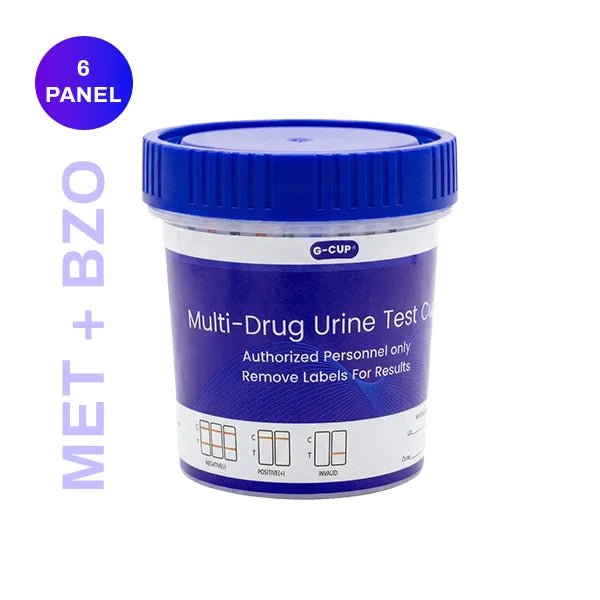
G-Cup
G-DUD264N
THC50, COC150, AMP500, OPI300, MET500, BZO300 (PH/SG/CREA)
as low as$1.32each
View Product →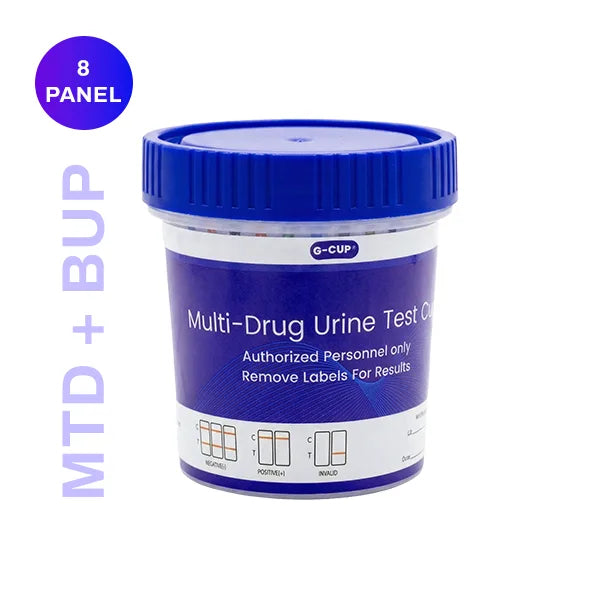
G-Cup
G-DUD184N
THC50, COC150, AMP500, OPI300, BZO300, MTD300, OXY100, BUP10 (PH/SG/CREA)
as low as$1.48each
View Product →
G-Cup
G-CUP5104N
MOP(OPI) 300, OXY100, COC150, MET500, MTD300, BAR300, BZO300, AMP500, THC50, BUP10
as low as$1.92each
View Product →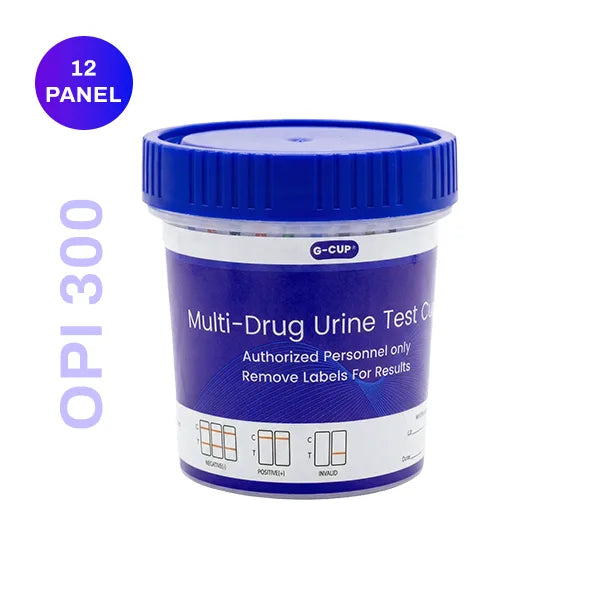
G-Cup
G-DUD20124N
THC50, COC150, AMP500, OPI300, MAMP500, PCP25, BAR300, BZO300, MTD300, MDMA500, OXY100, BUP10 (PH/SG/CREA)
as low as$2.11each
View Product →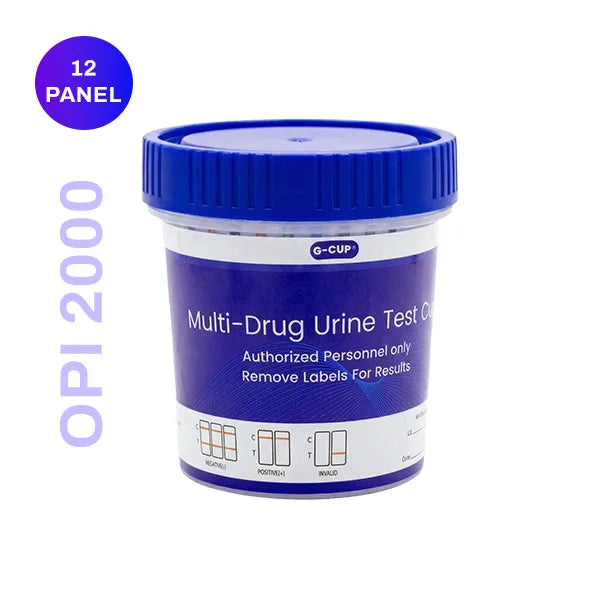
G-Cup
G-DUD6124N
THC50, COC150, AMP500, OPI2000, MET500, PCP25, BAR300, BZO300, MTD300, MDMA500, OXY100, BUP10 (PH/SG/CREA)
as low as$2.11each
View Product →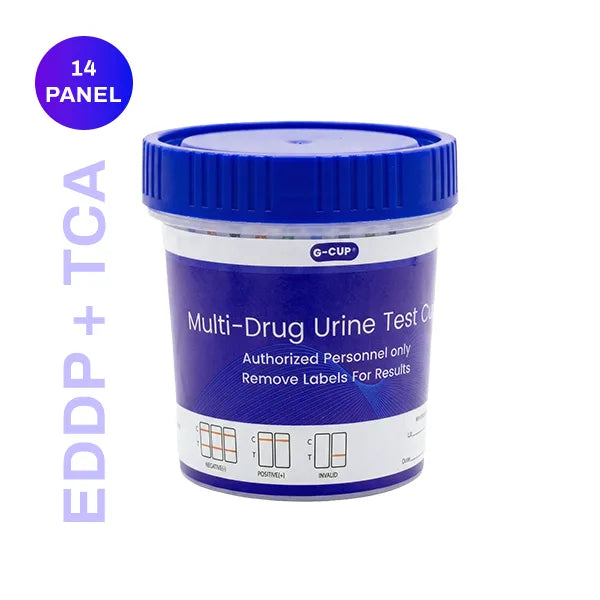
G-Cup
G-DUD6144N
THC50, COC150, AMP500, OPI300, MET500, PCP25, BAR300, BZO300, MTD300, MDMA500, OXY100, EDDP300, BUP10, TCA1000 (PH/SG/CREA)
as low as$2.42each
View Product →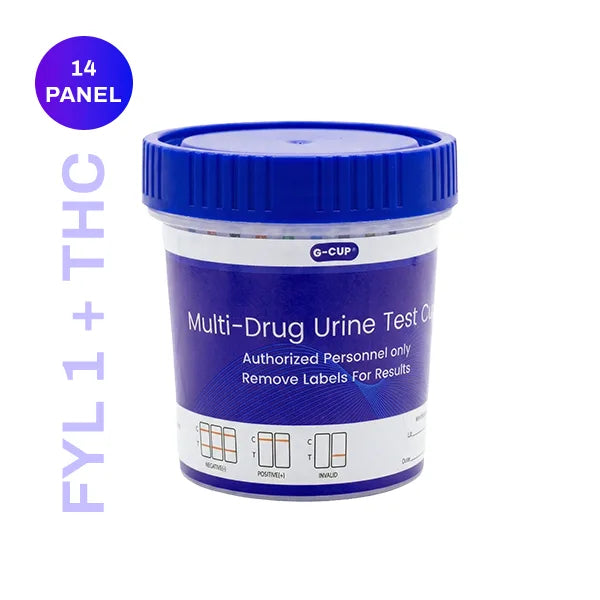
G-Cup
G-DUD1147N
AMP500, BAR300, BZO300, BUP10, COC150, THC50, MTD300, MET500, MDMA500, MOP300, PCP25, TCA1000, OXY100, FYL1 (OXI/CRE/PH)
as low as$2.38each
View Product →
Precision Plus
PREPL-CUP5104N!
OPI300, OXY100, COC150, MET500, MTD300, BAR300, BZO300, AMP500, THC50, BUP10
as low as$2.29each
View Product →
Precision Plus
PREPL-DUD20124N!
THC50, COC150, AMP500, OPI300, MAMP500, PCP25, BAR300, BZO300, MTD300, MDMA500, OXY100, BUP10 (PH/SG/CREA)
as low as$2.14each
View Product →ASC
W3104
COC, AMP, MAMP, THC, OPI, PCP, BAR, BZO, MTD, MDMA
as low as$2.23each
View Product →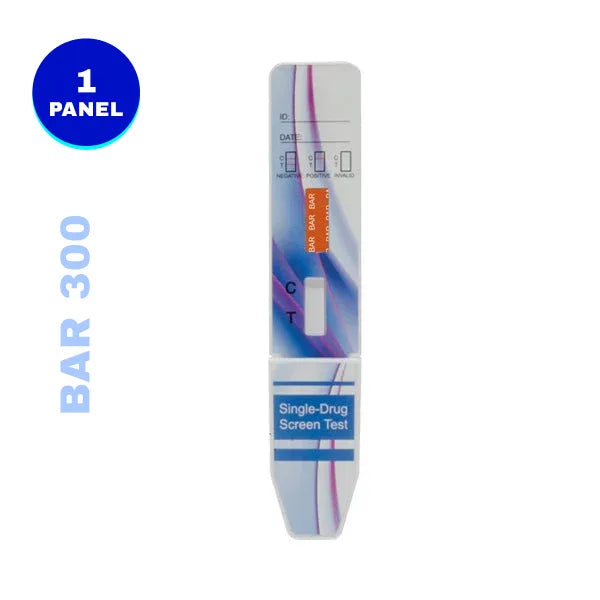
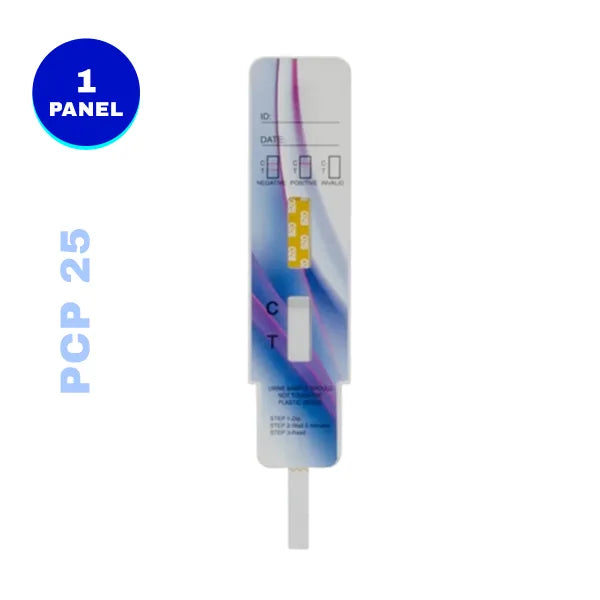
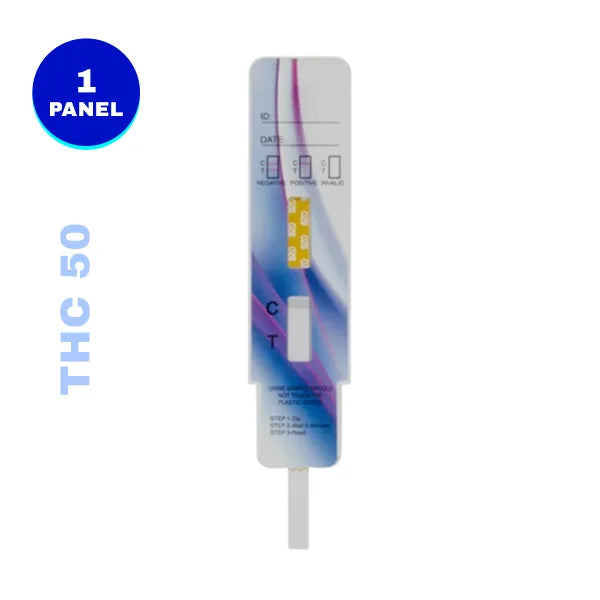

One Screen
ASC-DUD-2124
THC, COC, AMP, MOP, MAMP, BAR, BZO, MTD, MDMA, OXY, PPX, BUP(PH/SG/OXI)
as low as$2.49each
View Product →No products match your filters. Try another panel count, brand or search.
Quick answer: CLIA waived tests are simple, FDA-cleared screens that a site with a Certificate of Waiver can run on-site. This collection covers urine cups and dip cards that detect common drug classes, including THC, cocaine, amphetamines, opiates, and buprenorphine. Devices are FDA-cleared and CLIA-waived or forensic-use-only depending on the SKU. Results typically appear in about five minutes when used as directed.
A CLIA waived drug test in this collection is a qualitative immunoassay screen. It reports a preliminary negative or preliminary positive for each drug class printed on the device. It does not measure an exact concentration, identify a specific prescription by brand, or replace laboratory confirmation. Panel size and included analytes vary by cup or card. Always read the package insert for the lot you received, because cutoffs, cross-reactants, and reading times are configuration-specific.
Typical multi-panel cups in this assortment range from 5 panel through 13 panel and may add adulteration pads. Common examples include a 5 panel urine drug test cup with adulterants, a 6 panel drug screen cup with adulterants, an 8 panel drug test cup with adulterants, a 12 panel urine drug test cup with adulterants, a 12 panel drug test cup with THC and BUP, and a 13 panel drug screen test cup with adulterants. The table below lists typical SAMHSA and industry immunoassay screening cutoffs. Treat every value as typical only. Your device may use a tighter or wider cutoff, a morphine 300 ng/mL versus 2,000 ng/mL opiate target, or extra classes such as fentanyl, tramadol, ETG, or synthetic cannabinoids when those strips are present.
| Drug class | Abbreviation | Typical screening cutoff (ng/mL) |
|---|---|---|
| Marijuana metabolite | THC | 50 |
| Cocaine metabolites | COC | 150 or 300 |
| Amphetamines | AMP | 500 or 1,000 |
| Methamphetamine | MET / mAMP | 500 or 1,000 |
| Opiates (morphine) | OPI / MOP | 300 or 2,000 |
| Phencyclidine | PCP | 25 |
| Benzodiazepines | BZO | 300 |
| Barbiturates | BAR | 300 |
| Methadone | MTD | 300 |
| Oxycodone | OXY | 100 |
| Buprenorphine | BUP | 10 |
| MDMA (ecstasy) | MDMA | 500 |
| Tricyclic antidepressants | TCA | 1,000 |
Adulteration strips, when included, are not drug assays. They typically flag specimen validity issues such as creatinine, specific gravity, pH, oxidants, or nitrites so staff can recoup or refer the specimen. A validity flag is not a drug-positive result. Cross-reactivity also differs by antibody: some amphetamine strips respond to certain cold medicines; some benzodiazepine strips miss particular prescriptions. The insert lists known cross-reactants. When a result will affect treatment, employment, or a court condition, send presumptive positives for GC-MS or LC-MS/MS confirmation.
Most SKUs on this page are integrated urine cups because they combine collection, timing, and multi-drug readout in one vessel. Dip cards and oral fluid devices remain useful when workflow, observed collection, or specimen type changes. Result times below are typical for rapid immunoassays; the insert reading window controls interpretation, not a wall clock guess.
| Format | Specimen | Typical result time | Observed collection | Adulteration checks | Best for |
|---|---|---|---|---|---|
| Urine cup | Urine collected in the device | About 5 minutes | Possible with a same-gender observer and a protocol | Often built in on adulterant cups | Clinics, treatment, probation, and high-volume on-site screening |
| Dip card | Urine collected in a cup, then the card is dipped | About 5 minutes | Possible; extra handling of an open specimen | Usually a separate validity strip or cup | Lower volume sites and custom or rotating panels |
| Oral fluid | Saliva / oral fluid | Often about 10 minutes | Inherently observed | Urine adulteration pads do not apply | Sites where urine collection is impractical or delayed |
Choose the format that matches your policy, not only panel count. Cups reduce transfer steps. Cards can lower per-test waste if you run fewer assays. Oral fluid shortens the collection dispute window but uses different cutoffs and detection windows than urine. Mix-and-match only when your procedures name the device, specimen, and confirmation path.
American Screening Corp has supplied wholesale drug and alcohol testing products from Shreveport, Louisiana since 2004. Buyers on this collection are organizations that need a documented, on-site screen with a clear path to confirmation, not a home-use novelty kit.
Physician offices and outpatient clinics use cups during intake, pain-management visits, and same-day follow-up so the clinician can discuss a preliminary result before the patient leaves. Behavioral health and medication-assisted treatment programs monitor illicit use alongside expected medication, which is why many 12 panel configurations include THC with BUP or methadone. Drug courts, probation, and parole units need observed or temperature-checked collections with a printed panel that matches court orders. Non-DOT employers and staffing firms run pre-employment and reasonable-suspicion screens in a clinic or occupational health office. Collection sites and independent labs stock cups as an initial screen, then ship non-negative specimens to a confirmation laboratory. Correctional intake, sober-living houses, and school or athletic programs with a written policy also buy case quantities when they must test on a schedule rather than wait for a reference-lab courier.
These devices are screening tools. They help you decide who needs a laboratory work-up, a recoup, or a documented negative. They do not, by themselves, satisfy every regulated workplace program. Official DOT testing under 49 CFR Part 40 is a separate laboratory process. If your site is DOT-covered, keep these cups for non-DOT populations unless your device and collection protocol are specifically authorized for that use.
In the United States, facilities that test human specimens for health assessment, diagnosis, prevention, or treatment are regulated under the Clinical Laboratory Improvement Amendments of 1988. CMS administers CLIA with FDA and CDC. Waived complexity covers test systems the FDA has cleared for home use or has approved as so simple and accurate that the chance of an erroneous result is negligible and there is no reasonable risk of harm if the test is performed incorrectly. A CLIA waived drug test still is not error-proof. Staff must follow the manufacturer’s instructions, including storage, timing, specimen volume, and the reading window. Skipping those steps is the usual source of invalid or untrustworthy screens.
To run waived testing for clinical purposes, the site obtains a Certificate of Waiver. The federal CLIA waiver application is Form CMS-116. Submit it to the state agency for the location where testing occurs, and ask that agency about extra state rules. A CLIA waiver is not a product you buy with the cups; it is a facility certificate. Certificates are generally renewed every two years. Federal CLIA does not require a laboratory director for waived-only sites and does not schedule routine inspections of those sites, though random visits and complaint investigations can occur. You still must follow the insert, document tests, and train personnel. Many programs add proficiency testing even when it is not mandatory, because an outside challenge set is a practical way to show staff can read the devices they use.
FDA 510(k) clearance and CLIA-waived status are printed on the labeling of clinical SKUs. Forensic-use-only devices are not for diagnosis, treatment, or CLIA clinical testing; use them only as the label allows, typically in workplace, criminal-justice, or other non-clinical screening. Do not mix a forensic-use-only lot into a medical record workflow. Confirm whether a given catalog number is waived or forensic before you place it in a clinic cart.
Immunoassay cups produce presumptive results. When a preliminary positive will change a job, a prescription, a court status, or a medical decision, confirmation by GC-MS or LC-MS/MS at a qualified laboratory is the accepted next step. Chain-of-custody forms, split specimens, and medical-review-officer review apply when your policy or a regulator requires them. This page is product information, not legal advice. Your counsel, medical director, and state survey agency should review your CLIA file, consent forms, and confirmation rules.
Competitive drug-of-abuse immunoassays work opposite to many infectious-disease strips: a line in the test region is typically negative for that drug. Train every reader on the insert for the exact cup or card in stock. Do not use phone photos, after-window reads, or “mostly gone” lines as official results.
Color intensity is not a concentration. A faint line is not “a little positive.” If two readers disagree, treat the result as unresolved and follow your supervisor procedure rather than averaging opinions.
ASC sells to clinics, treatment centers, courts and probation, employers, staffing firms, collection sites, and labs. This collection is built for case quantities rather than single-cup retail. Ask for a volume quote when you are standardizing a panel across several locations or a standing monthly draw. Same-day shipping is available on in-stock orders from Shreveport when you meet the cutoff, so replacement cups can arrive before a clinic day is lost. Private-label and custom-panel discussions are available for qualified wholesale accounts that need their program name on the pouch. We do not publish prices here because case breaks, panel mix, and adulterant options change the quote. Call or request a wholesale list with your estimated monthly cups, whether you need CLIA-waived or forensic-use-only labeling, and whether you want matching dip cards or oral fluid as a backup format.
It is an FDA-cleared screening device categorized as waived complexity under CLIA. A site with a Certificate of Waiver may use it for clinical screening when staff follow the insert. Cups and cards in this collection detect drug classes in urine in minutes. Forensic-use-only versions look similar but are not for diagnosis or treatment. Confirmation at a laboratory is still required when a preliminary positive will drive a clinical, employment, or legal decision.
Most urine cups and dip cards develop in about five minutes. Read only inside the manufacturer’s window; results outside that window are not reportable. Oral fluid devices often take longer. A federal Certificate of Waiver is generally valid for two years and must be kept current for the testing address. Processing time for a new CMS-116 filing depends on the state agency, so apply before you promise a start date to a clinic or court contract.
Only if that strip is on the device. A classic 5 panel does not include buprenorphine, fentanyl, oxycodone, or ETG. Many 12 panel cups add THC and BUP for treatment programs. Fentanyl, tramadol, K2, and alcohol metabolite strips appear on selected configurations only. Match the printed abbreviations to your protocol and keep the insert. No waived cup detects every opioid or every benzodiazepine equally; confirmation identifies the specific compound.
Unit cost depends on panel count, adulteration pads, cup versus card, case size, and whether you need private label. ASC quotes wholesale case pricing rather than a single public each-price, because a 5 panel without adulterants is not the same product as a 13 panel cup with validity strips. Request a volume quote with your monthly usage. There is no meaningful “near me” retail price for program-grade waived cups; programs buy cases and run them on-site.
You do not need a local storefront to run on-site screening. Order online from ASC for shipment to your clinic, courthouse, occupancy office, or collection site, then test under your own Certificate of Waiver. Same-day shipping on in-stock cases from Shreveport is intended for programs that cannot pause intake. If you lack a waiver and will use results in clinical care, complete the CMS-116 with your state agency before testing patients.
They are screening immunoassays with stated cutoffs, not quantitative lab methods. Accuracy depends on following the insert, reading in window, and confirming non-negatives when decisions matter. False negatives can occur below cutoff, with dilute urine, or when a drug does not cross-react with that antibody. False positives can occur from cross-reacting compounds. Waived status means the method is simple and low risk when used correctly, not that every result is final. Use GC-MS or LC-MS/MS for confirmation.