Xywav is a prescription medicine for narcolepsy and idiopathic hypersomnia. Its active ingredient is oxybate, a mix of calcium, magnesium, potassium and sodium salts of the same molecule known on the street as GHB (gamma hydroxybutyrate). Because GHB has a reputation as a club drug, employees who take Xywav sometimes worry that a routine workplace or pre employment drug test will flag it. This article explains what standard screening panels actually test for, why GHB and oxybate are not part of that list, and what an employee with a valid prescription should expect if a question ever comes up during review.
What Xywav actually is
According to the current Xywav label on DailyMed, the drug is approved to treat cataplexy or excessive daytime sleepiness in people with narcolepsy, and it is also indicated for idiopathic hypersomnia. The label states plainly that the active moiety of Xywav is oxybate, "also known as gamma hydroxybutyric acid (GHB)," and that GHB itself is a Schedule I controlled substance while Xywav is Schedule III because it is a prescribed, FDA regulated formulation. Because of the depressant effects and abuse potential of oxybate, Xywav and its earlier sibling drug Xyrem are dispensed only through a restricted distribution program under a Risk Evaluation and Mitigation Strategy, confirmed on the FDA's REMS program page for Xywav and Xyrem. Patients enroll through a single certified pharmacy, and the medicine ships directly to them rather than through a typical retail counter.
The Drug Enforcement Administration's own chemical evaluation describes GHB the same way. Its drug fact sheet on gamma hydroxybutyric acid notes that GHB is controlled in Schedule I under the Controlled Substances Act, but that the approved pharmaceutical formulation (originally marketed as Xyrem, now also as Xywav) is controlled in Schedule III. The same fact sheet makes a point that matters for testing: GHB is naturally present in the human central nervous system in very small concentrations as a byproduct of the neurotransmitter GABA. In other words, trace GHB is not automatically foreign to the body, which is one reason it is not a routine target for workplace immunoassays designed to flag illicit drug classes.
What standard drug test panels actually screen for
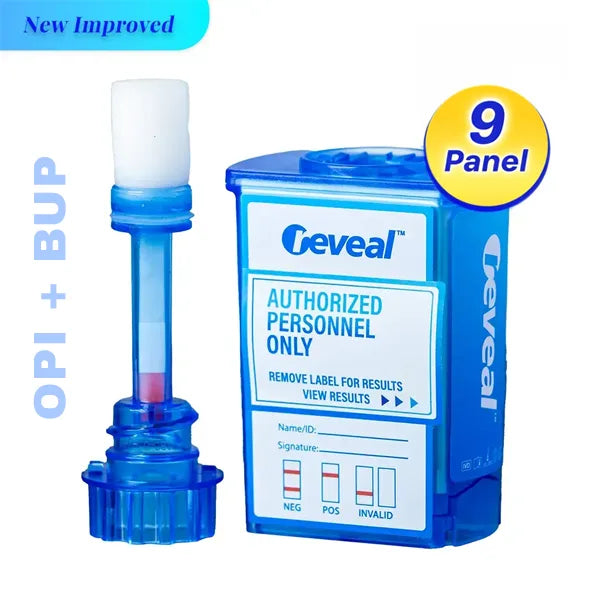
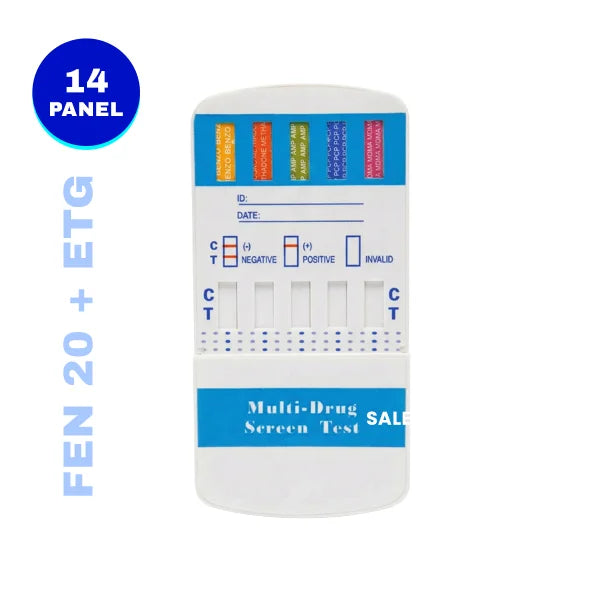
Workplace urine, oral fluid and hair panels rely on immunoassay screening, a fast chemical reaction that looks for a short, fixed list of drug classes. Federally regulated safety sensitive testing, which covers positions such as commercial drivers, pilots and pipeline workers, follows the procedures in 49 CFR Part 40, the Department of Transportation's drug and alcohol testing rule. That rule and the panel it defines cover marijuana metabolites, cocaine metabolites, amphetamines and methamphetamine, opioids, and phencyclidine (PCP). GHB and oxybate are not on that list, and DOT testing has no separate GHB panel. A non-DOT employer running a standard 5 panel, 10 panel or expanded opiate cup follows the same basic logic: the strips are built to react to the drug classes named on the cup, and GHB is not one of the standard immunoassay targets manufacturers build into typical workplace cups.
The Substance Abuse and Mental Health Services Administration, which sets the federal workplace testing framework that many private employer programs are modeled on, describes the structure of federal drug free workplace programs on its drug free workplace programs page. The standard federal panel follows the same core drug classes referenced above. GHB detection requires a dedicated test, not a routine panel add-on, and most employers who are not specifically concerned about club drug use in a particular workforce do not order one.
| Test type | Detects oxybate/GHB? | Notes |
|---|---|---|
| Standard 5 or 10 panel immunoassay cup or dip card | No | Screens for marijuana, cocaine, amphetamines, opiates, PCP and similar classes, not GHB |
| DOT 49 CFR Part 40 panel | No | Fixed federal panel; GHB is not one of the covered drug classes |
| Expanded opiate or synthetic panels | No | Adds drugs such as oxycodone or fentanyl, not GHB |
| Dedicated GHB specialty test (GC/MS or LC/MS) | Yes, within a short window | Ordered only when GHB use is specifically suspected; not part of routine workplace screening |
Why a specialty test would be needed, and why it rarely applies here
GHB clears the body quickly. Toxicology literature on GHB generally describes a detection window in urine of only a few hours after use, far shorter than the multi-day windows typical of marijuana or benzodiazepine metabolites. Because the window is short and because GHB occurs naturally at low background levels, forensic and clinical labs that specifically test for GHB use confirmatory methods such as gas chromatography mass spectrometry (GC/MS) or liquid chromatography mass spectrometry (LC/MS) rather than a simple immunoassay strip, and they interpret results against a cutoff that accounts for the small endogenous amount everyone has. This kind of testing is a specialty order, typically requested in a forensic, emergency medical or drug facilitated crime context, not something that shows up on a standard employment cup or a DOT panel. A person taking Xywav as prescribed is extremely unlikely to encounter this kind of testing through a routine employment drug screen.
What happens if a question comes up anyway
Even though standard panels are not built to catch oxybate, any employee taking a controlled substance by prescription should be ready to explain it if a question ever arises, particularly for a safety sensitive or DOT covered role. The process that protects both the employer and the employee is medical review officer (MRO) verification. If a laboratory ever reports an unusual or unexpected result tied to a specialty test, the MRO, a licensed physician trained in controlled substance pharmacology, contacts the individual directly, reviews the circumstances, and checks prescription documentation before any result is reported to the employer as verified. Employees prescribed Xywav should keep their pharmacy paperwork accessible and disclose the prescription to the MRO if ever asked, rather than to a supervisor or collector directly. Because Xywav carries sedating effects and a REMS warning about impaired alertness, employers in safety sensitive industries may also want written guidance from the prescribing clinician about fitness for duty, separate from and in addition to drug test logistics.
Employers building or reviewing a testing program should also remember that employment decisions around a lawfully prescribed controlled substance raise disability and medical privacy considerations. Employers may be able to require medical clearance for safety sensitive duties, but decisions about a specific employee's prescription should generally go through the MRO and human resources channels rather than being made informally, and employers should consult counsel on how the Americans with Disabilities Act and related state law apply to their specific situation.
Building a program that tests for what actually matters
Because GHB is not part of routine panels, employers who have a specific, documented concern about club drug or date rape drug exposure in a particular setting, such as certain hospitality or healthcare environments, need to order a dedicated GHB test from a laboratory rather than assuming an existing cup or card will catch it. For general workforce screening, a standard multi panel cup or oral fluid device covering the drug classes already recognized under SAMHSA guidelines and, where applicable, 49 CFR Part 40, remains the right tool. American Screening Corporation supplies drug test cups, dip cards and oral fluid devices built around those standard panels, and distributors can review panel options at the drug test cup collection or compare current program needs against related posts such as Does Belsomra Show Up on a Drug Test? and DOT Drug Test: 5-Panel Rules for Employers. Businesses sourcing in volume can also review wholesale options at wholesale.americanscreeningcorp.com.
Frequently asked questions
Does Xywav show up on a standard workplace drug test?
No. Standard immunoassay panels, including the DOT 5 panel test under 49 CFR Part 40, screen for marijuana, cocaine, amphetamines, opiates and PCP. Oxybate, the active ingredient in Xywav, and GHB are not part of those panels.
Is Xywav the same thing as GHB?
The active moiety of Xywav is oxybate, which the DailyMed label and the DEA both identify as gamma hydroxybutyric acid, the same molecule known as GHB. Xywav is an FDA regulated, Schedule III prescription formulation, while illicit GHB is Schedule I.
Can a lab specifically test for GHB if needed?
Yes. Dedicated GHB testing uses confirmatory methods such as GC/MS or LC/MS and looks at results within a short detection window, since GHB clears the body quickly and occurs naturally in small amounts. This is a specialty order, not part of routine workplace cups or cards.
What should an employee prescribed Xywav do before a drug test?
Bring current prescription documentation and be ready to speak with the medical review officer if any question arises. The MRO process exists specifically to verify legitimate prescriptions before a result is reported to an employer.
Does a Xywav prescription affect eligibility for a safety sensitive or DOT covered job?
That depends on the employer's fitness for duty policies and the specific role, since Xywav carries sedation warnings. Employers may be able to request medical clearance, but decisions should go through the MRO and, where ADA or state disability law may apply, legal counsel rather than being handled informally.
Will a 10 panel or 12 panel cup detect GHB if someone misuses it?
Generally no. Those cups are built around the drug classes described above. Detecting GHB specifically requires ordering a dedicated GHB test from a laboratory rather than relying on a standard multi panel screening device.
This article is general information for employers and employees, not legal or medical advice. Testing programs and prescription review should be designed with qualified medical and legal professionals.