Quick answer: EtG means ethyl glucuronide, a direct metabolite the body makes from ethanol. In urine testing, EtG shows recent alcohol exposure, typically up to 80 hours after drinking, according to SAMHSA. Common cutoffs are 100, 500 and 1,000 ng/mL. Any positive screen is preliminary; confirm by GC/MS or LC-MS/MS laboratory testing.
- EtG is a biomarker of alcohol use, not a measure of current impairment.
- The cutoff you choose (100, 500 or 1,000 ng/mL) changes how sensitive the test is to incidental exposure.
- American Screening Corp supplies EtG-capable urine testing formats to clinics, courts and employers; confirm each product's FDA/CLIA status on its product record.
What does EtG mean in a medical setting?
EtG is short for ethyl glucuronide. It is a minor, direct metabolite of ethanol formed in the liver when ethanol is conjugated with glucuronic acid. It is excreted in urine after alcohol is consumed.
Need drug tests for your clinic, program or workplace?
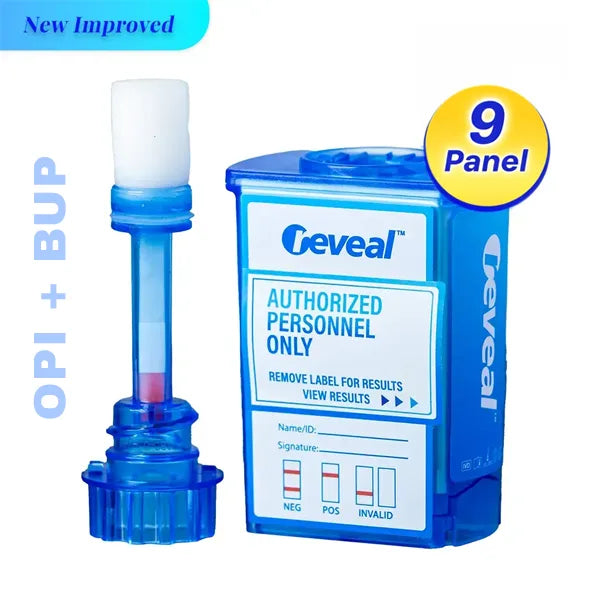
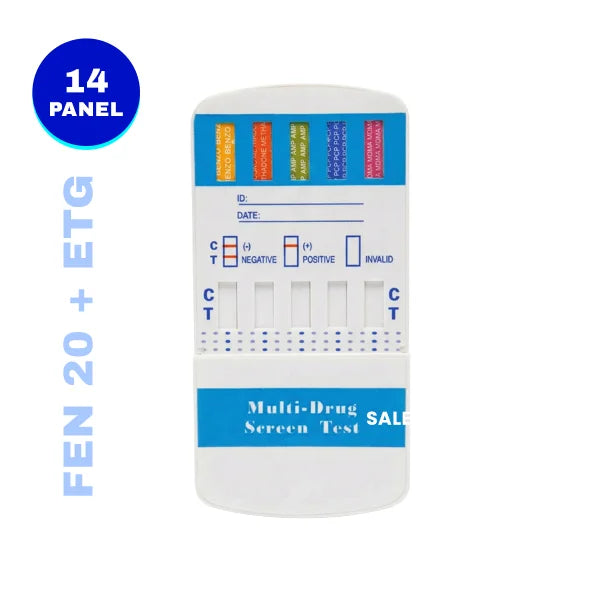
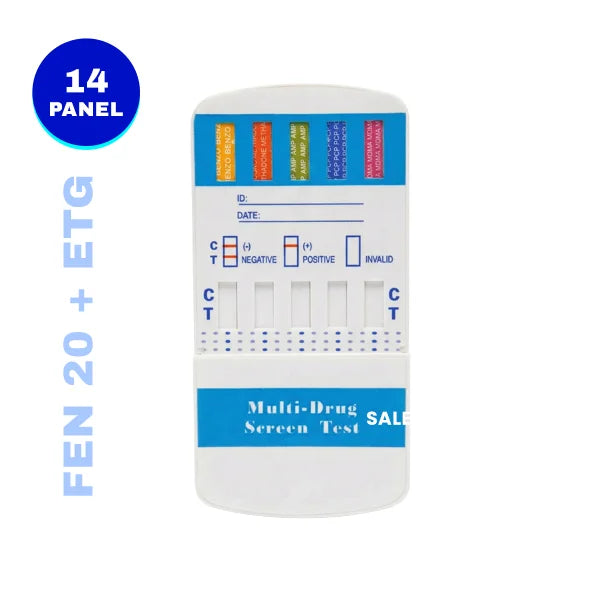
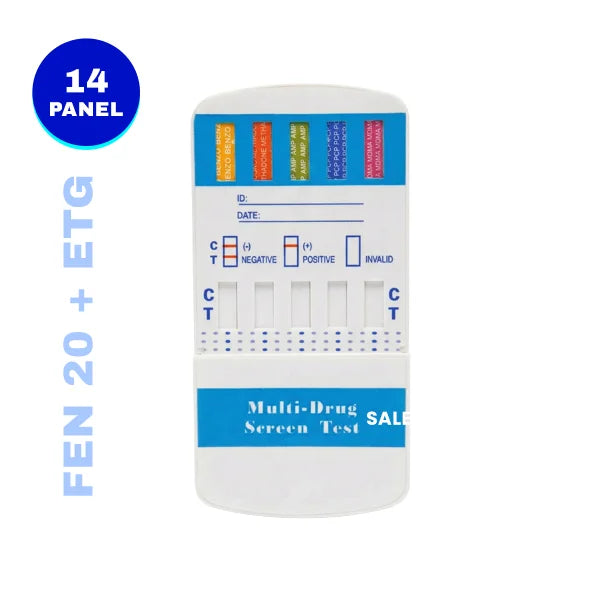
American Screening Corp has supplied FDA-cleared, CLIA-waived tests at wholesale pricing since 2004. Popular options:
Ordering 100+ tests? Request volume pricing.
Clinicians use EtG because it stays in urine much longer than alcohol itself. Alcohol typically clears from the body within hours, while EtG extends the window to about 80 hours per the SAMHSA Advisory on biomarkers in the treatment of alcohol use disorders.
What does an EtG test detect?
An EtG test detects ethyl glucuronide in a urine specimen at or above a set cutoff, measured in nanograms per milliliter (ng/mL). It indicates that ethanol was processed by the body within the detection window. It does not show how much was consumed, when exactly, or whether the person was impaired.
It is used for abstinence monitoring in addiction-treatment programs, probation and court supervision, professional health programs, and some employer policies. Point-of-care urine formats are available as drug and alcohol test cups and as dip cards.
What cutoff levels and detection windows apply?
Programs commonly use three cutoffs. SAMHSA's Advisory describes results of 100 to 499 ng/mL as very low positive, 500 to 999 ng/mL as low positive, and 1,000 ng/mL or higher as high positive. Heavy drinking can produce detection longer than 80 hours in some cases.
| Cutoff | Sensitivity | Best fit | Main risk |
|---|---|---|---|
| 100 ng/mL | Highest | Strict abstinence monitoring | May flag incidental exposure |
| 500 ng/mL | Balanced | Treatment centers, probation | May miss light, older drinking |
| 1,000 ng/mL | Lowest | Programs wanting to avoid incidental exposure flags | Misses lighter or older drinking |
Can incidental exposure cause a positive?
Yes, at low cutoffs. SAMHSA's Advisory notes that extensive use of products containing alcohol, such as some mouthwashes and hand sanitizers, can produce low-level EtG results. Results near 100 to 500 ng/mL should be reviewed with this in mind rather than treated as proof of drinking.
Urinary tract infections and bacterial contamination can also affect EtG results in some circumstances. This is one reason a laboratory confirmation is needed before action is taken.
How do you read and act on an EtG result?
- Verify the specimen is valid (temperature, appearance, collection under observation if your policy requires it).
- Follow the device's instructions for reading time; do not read results outside the stated window.
- Record the cutoff used and the result as negative or non-negative.
- Treat any positive as preliminary and send the specimen for GC/MS or LC-MS/MS confirmation.
- Review the donor's explanation and any incidental-exposure history before making a decision.
EtG versus other alcohol tests
EtG does everything a breath alcohol test does in terms of showing alcohol use, plus it covers a longer window. A breathalyzer reflects current or very recent alcohol, while EtG reflects use over roughly the prior three days. Breath testing remains the tool for current impairment questions.
Note that EtG urine testing is not part of the federal DOT program. DOT alcohol testing under 49 CFR Part 40 uses breath alcohol testing, so do not substitute EtG for a DOT-required test.
Buyer checklist for clinics, courts and employers
- Choose the cutoff (100, 500 or 1,000 ng/mL) in your written policy before testing starts.
- Confirm FDA clearance and CLIA-waived status on the product record for the exact device you buy.
- Name a confirmation laboratory using GC/MS or LC-MS/MS.
- Document chain of custody and specimen validity checks.
- Train staff on incidental-exposure questions and reading time.
- Check state statutes and your program rules for consent and use of results.
- If hiring is involved, pair testing policy with screening through Reveal Background, our sister division.
How American Screening Corp helps
American Screening Corp in Shreveport, Louisiana supplies wholesale drug and alcohol testing supplies with same-day shipping nationwide, plus lab confirmation. For volume pricing, private label or help choosing a cutoff, contact our team.
Frequently asked questions
What does EtG stand for?
EtG stands for ethyl glucuronide, a direct metabolite of ethanol that the body produces after alcohol is consumed and excretes in urine.
How long does EtG stay in urine?
Typically up to 80 hours after drinking, according to SAMHSA. Heavy intake can extend detection beyond that window.
What is a standard EtG cutoff?
Programs commonly use 100, 500 or 1,000 ng/mL. The 500 ng/mL level is a frequent balance between sensitivity and incidental exposure.
Is a positive EtG screen proof of drinking?
No. A positive screen is preliminary. Confirm by GC/MS or LC-MS/MS laboratory testing and review possible incidental exposure.
Sources
- SAMHSA, Advisory: The Role of Biomarkers in the Treatment of Alcohol Use Disorders, 2012 Update
- eCFR, 49 CFR Part 40: Procedures for Transportation Workplace Drug and Alcohol Testing Programs
- CDC, Alcohol Use and Your Health
This article is general information, not legal or medical advice.