Quick answer: A swab drug test is an oral fluid screen that detects recent drug use, typically within about 48 hours. Food, drink, gum, tobacco, mouthwash, blood in the mouth and too little saliva can interfere with it. A 10-minute wait before collection reduces these risks. American Screening Corp advises that every positive is preliminary and must be confirmed by GC/MS or LC-MS/MS laboratory testing.
- Most interference is a collection problem, not a test problem, and a supervised 10-minute pre-collection wait prevents most of it.
- Prescribed medications cause true positives for the drug, so a medical review step is needed before any action.
- Every non-negative screen is preliminary; confirm by GC/MS or LC-MS/MS laboratory testing.
What is a swab drug test and what does it detect?
A swab drug test is an oral fluid immunoassay that collects saliva on an absorbent pad and screens for drugs and metabolites. Common panels cover marijuana (THC), cocaine, opiates, amphetamines, methamphetamine and PCP. Oral fluid reflects recent use, so it suits post-incident, reasonable-suspicion and pre-employment programs.
Need drug tests for your clinic, program or workplace?
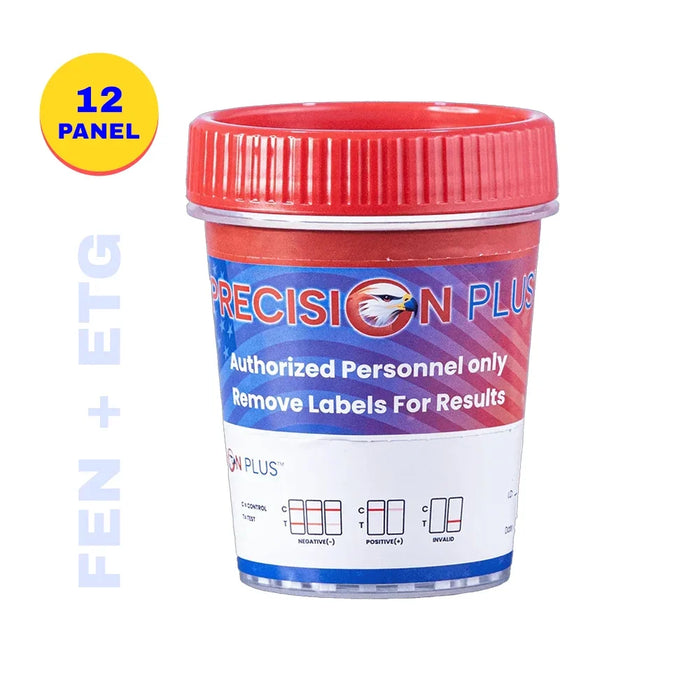
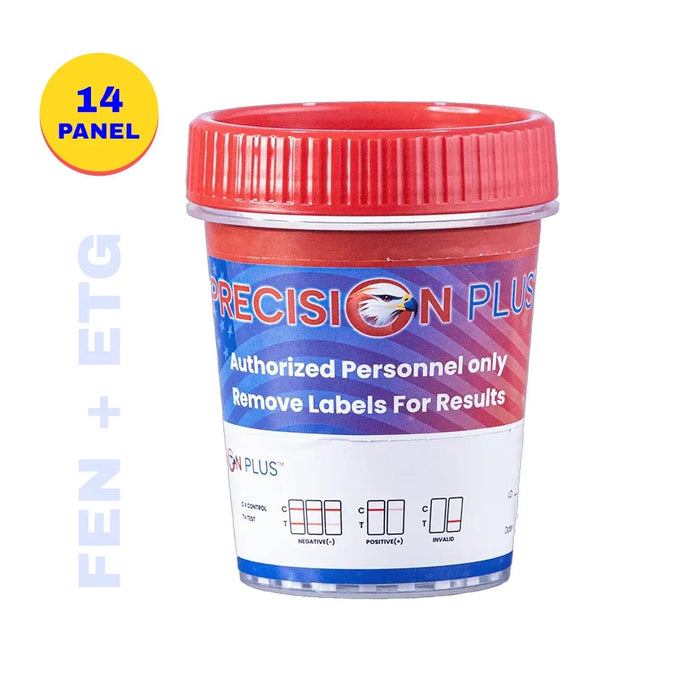
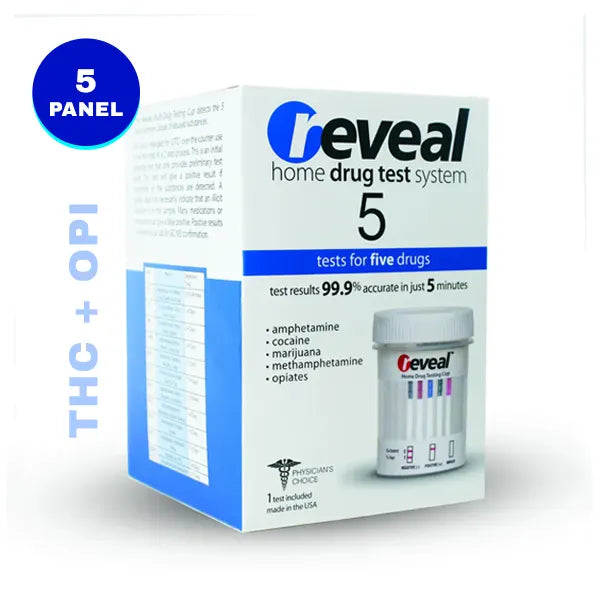
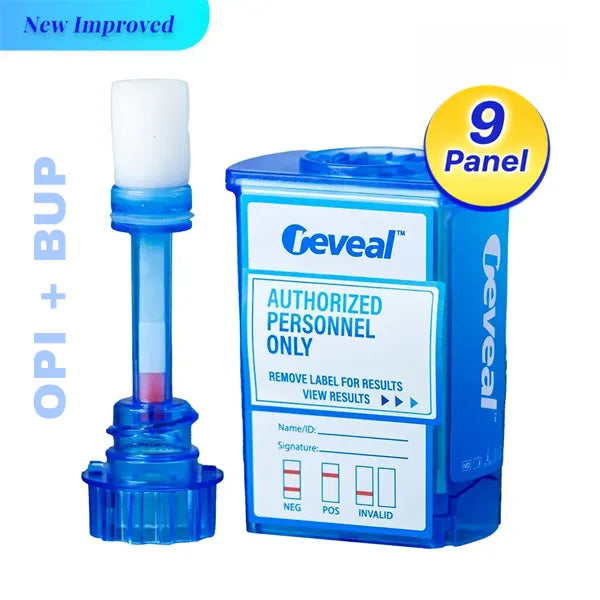
American Screening Corp has supplied FDA-cleared, CLIA-waived tests at wholesale pricing since 2004. Popular options:
Ordering 100+ tests? Request volume pricing.
For federal workplace programs, the HHS oral fluid Mandatory Guidelines and DOT 49 CFR Part 40 (as of 2026) set initial cutoffs such as THC 4 ng/mL, cocaine metabolite 15 ng/mL, amphetamines 50 ng/mL and PCP 3 ng/mL. Non-regulated programs may use different cutoffs, so check the cutoff printed on your device's labeling. Devices must hold FDA clearance and CLIA-waived status where that is claimed; verify this on the product insert.
What can interfere with a swab drug test?
Interference falls into three groups: things in the mouth, sample quality problems, and true positives with a legitimate source. Each needs a different control.
1. Food, drink, gum and tobacco
Residue in the mouth can dilute or contaminate the sample. DOT 49 CFR Part 40 oral fluid collection requires that the donor not eat, drink, chew gum or use tobacco for at least 10 minutes before collection. Apply the same rule to non-regulated programs.
2. Mouthwash and oral products
Mouthwash, breath strips, lozenges and oral gels can change the sample or mask residue. Keep the donor's mouth empty and observed during the wait. If a product was used, record it and restart the 10-minute wait.
3. Blood or dental work
Blood in the mouth can disturb the assay or make the pad unreadable. Note any bleeding on the collection form and recollect after the mouth is clear when needed.
4. Low saliva volume
Dry mouth from medication, nerves or dehydration can leave the pad under-filled. Most devices show a volume indicator; do not read the result until it fills. Follow the insert's retry rules and document an insufficient sample instead of guessing.
5. Collection and reading errors
Reading the result too early or too late, swabbing the wrong area, or handling the pad can all produce invalid results. Train staff on the insert and read within the stated window. Treat a faint line according to the insert's instructions.
6. Legitimate medications
Prescribed opioids, amphetamine-based ADHD medication and some other drugs produce true positives for the drug class. This is not interference but it needs a medical review before an adverse decision. Laboratory confirmation identifies the specific compound.
7. Cross-reactivity
Immunoassays react to compounds with similar structures, so a few unrelated substances can cause a false preliminary positive. This is why screens are preliminary and confirmed by GC/MS or LC-MS/MS.
8. Passive or environmental exposure
Smoke in the room can leave THC residue in the mouth, though cutoffs and confirmation limit its effect. Collecting away from smoking areas, after the 10-minute wait, reduces this risk.
How do the common causes compare?
| Source | Likely effect | Control |
|---|---|---|
| Food, drink, gum, tobacco | Dilution or contamination | 10-minute observed wait |
| Mouthwash or oral products | Altered sample | Restart wait; document |
| Blood in mouth | Unreadable or distorted result | Recollect when clear |
| Low saliva volume | Invalid or no result | Wait for indicator; follow retry rule |
| Prescribed medication | True positive | Medical review |
| Cross-reactivity | False preliminary positive | GC/MS or LC-MS/MS confirmation |
Collection checklist for buyers
- Confirm the device is FDA-cleared and CLIA-waived and check the cutoff in ng/mL on the insert.
- Observe the donor for 10 minutes: no food, drink, gum or tobacco.
- Ask about medications and record them.
- Wait for the saliva volume indicator before reading.
- Read within the insert's time window and record the result.
- Label any non-negative result preliminary and send it for GC/MS or LC-MS/MS confirmation.
- Keep documentation for your policy and counsel.
When should you use urine instead of a swab?
Oral fluid is best for recent use and observed collection. Urine has a longer detection window and suits programs that need a broader look back. Compare our drug test cups and drug test dip cards to match the format to your program, or contact American Screening Corp for wholesale and private label help.
FAQ
Can mouthwash cause a false positive on a swab test?
Mouthwash is not a common cause of a false positive, but it can alter the sample. Restart the 10-minute wait, document the use, and confirm any positive in a laboratory.
How long should someone wait before a swab test?
Wait at least 10 minutes with no food, drink, gum or tobacco. This is the DOT 49 CFR Part 40 oral fluid collection rule and is good practice elsewhere.
Can prescription medication cause a positive swab result?
Yes. Prescribed opioids and amphetamine medications cause true positives for those drug classes. Use a medical review process and laboratory confirmation before acting.
Is a positive swab test final?
No. A positive screen is preliminary. Confirm by GC/MS or LC-MS/MS laboratory testing before any decision.
Sources
- eCFR: 49 CFR Part 40, Procedures for Transportation Workplace Drug and Alcohol Testing Programs
- SAMHSA: Workplace Drug Testing
- FDA: Drugs of Abuse Tests
Hiring teams that pair screening with employment background checks can run both programs under one process.
This article is general information, not legal or medical advice.