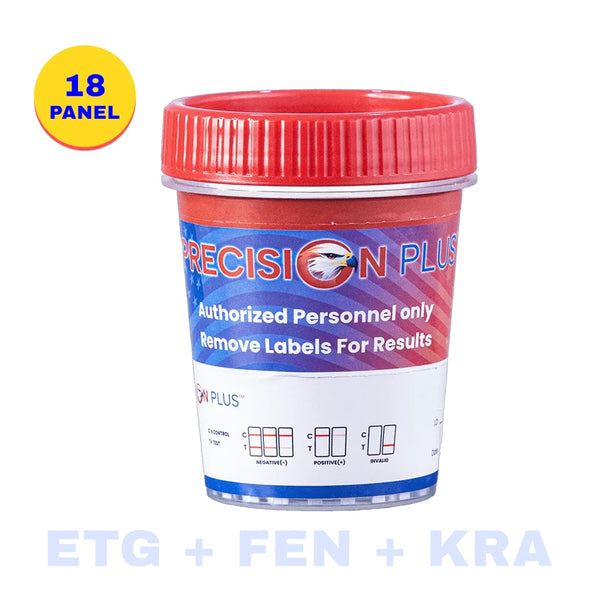
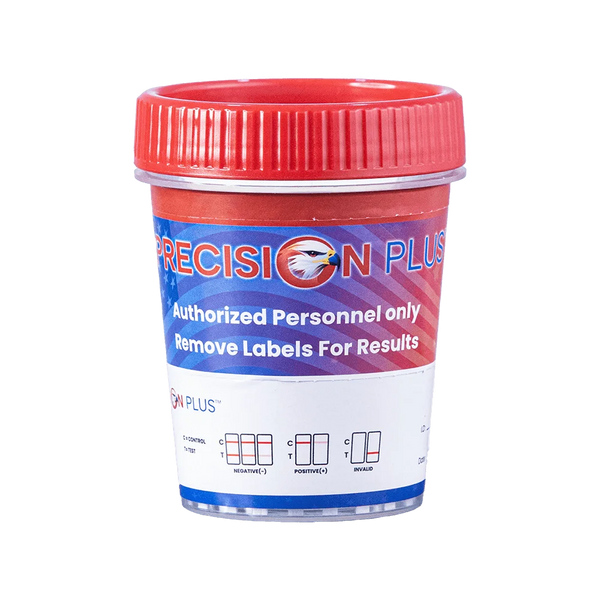
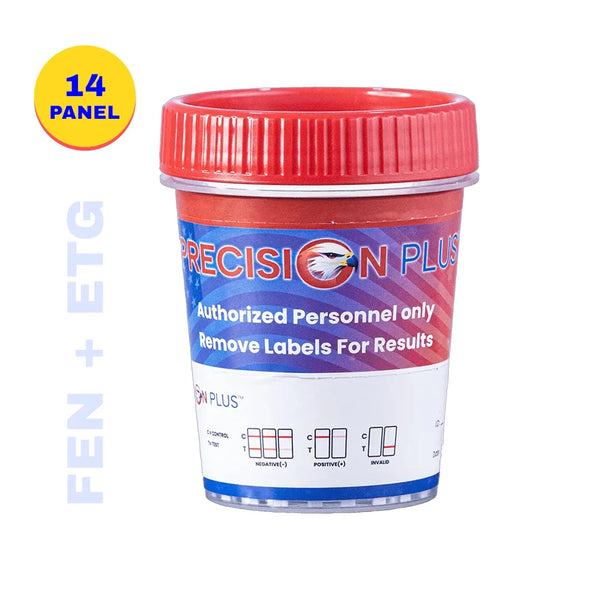
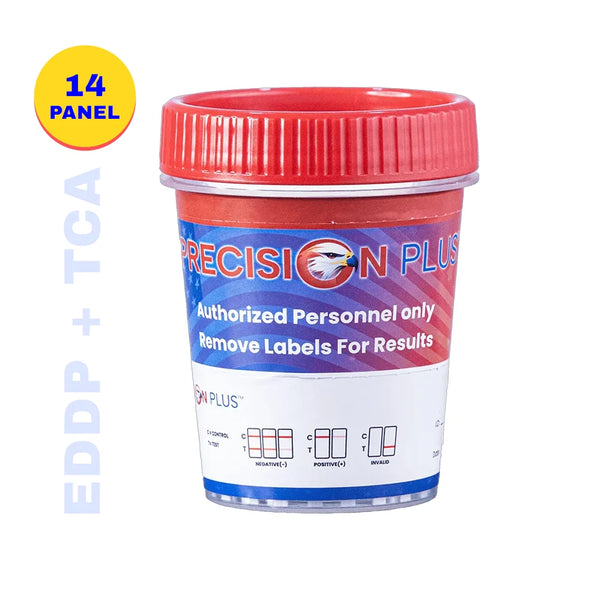
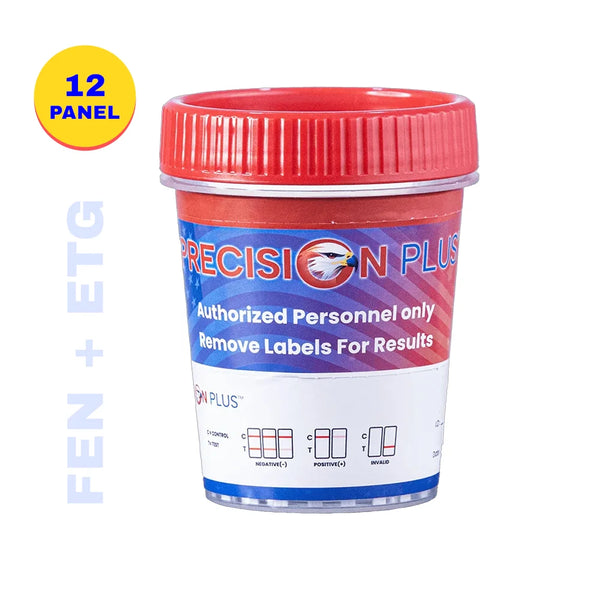
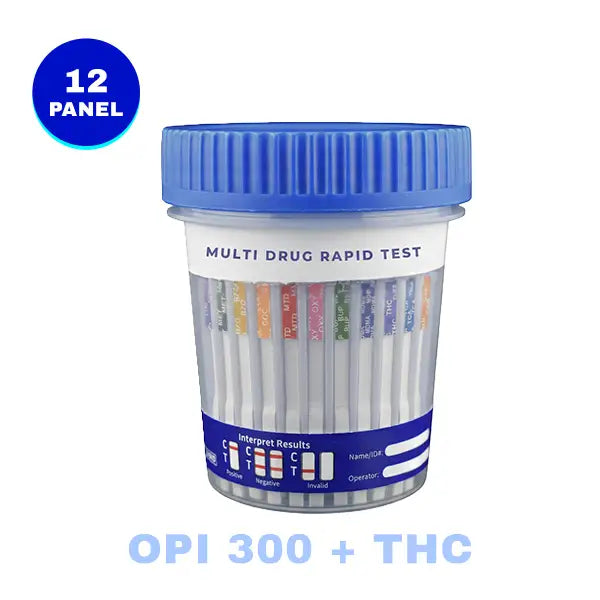
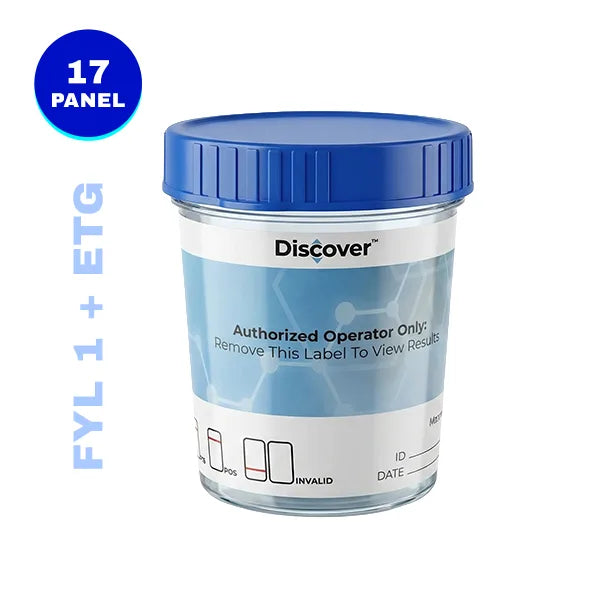
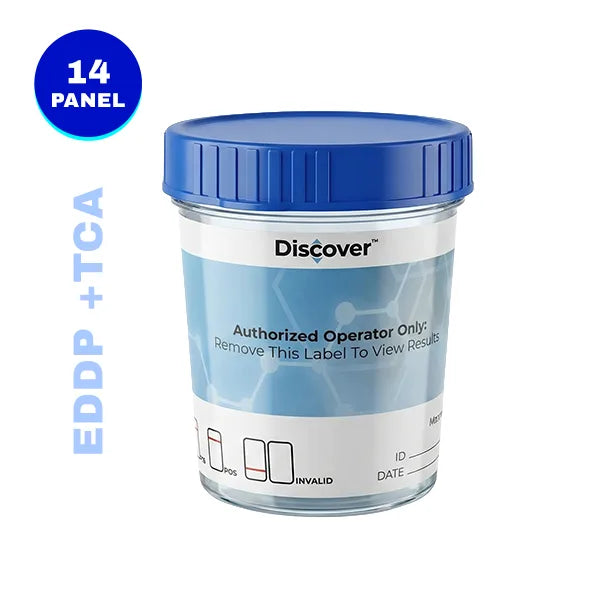
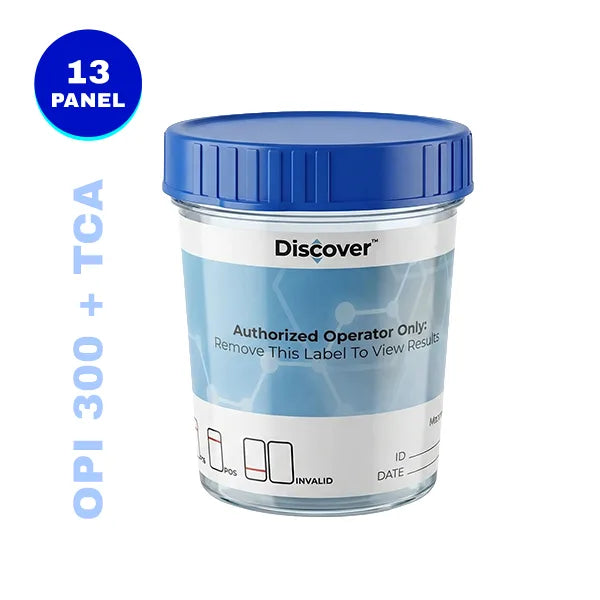
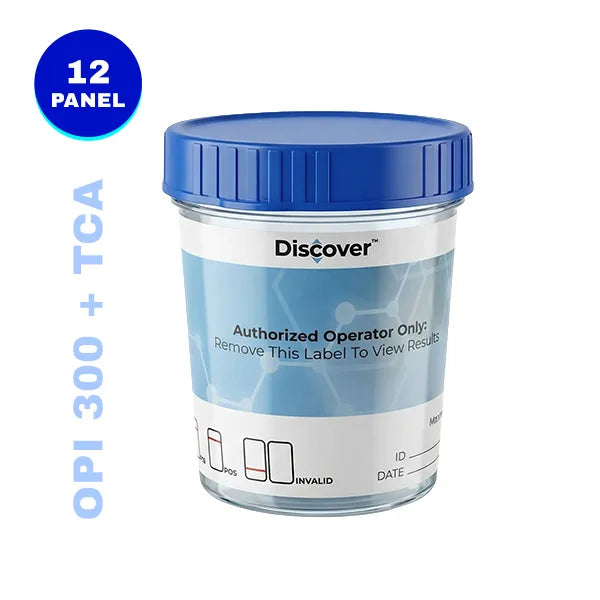
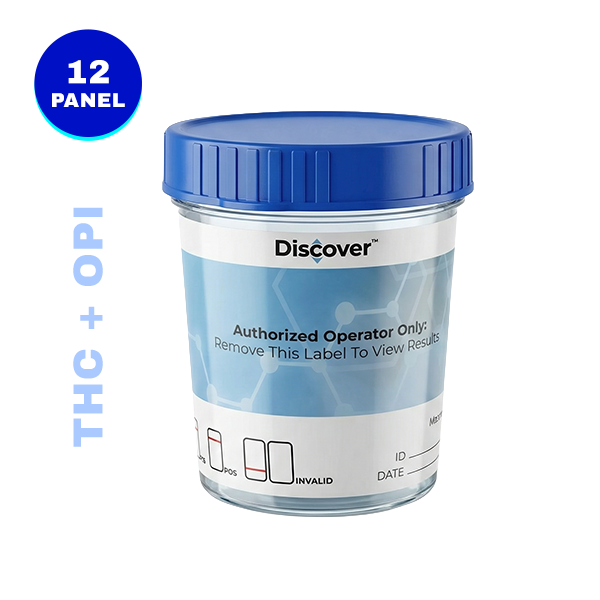
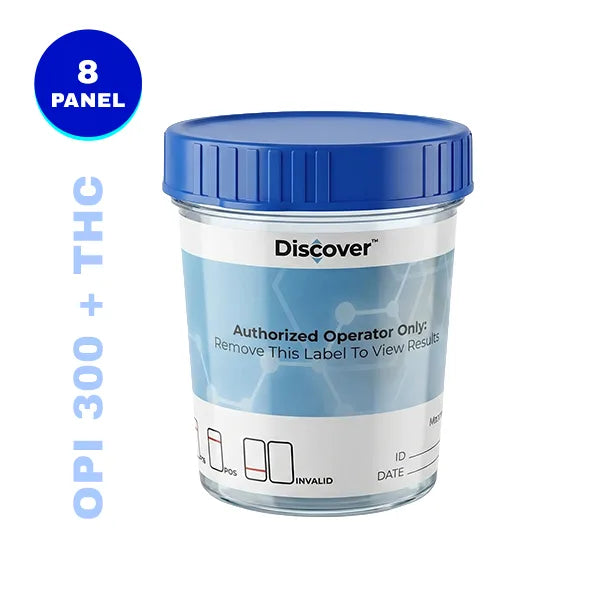
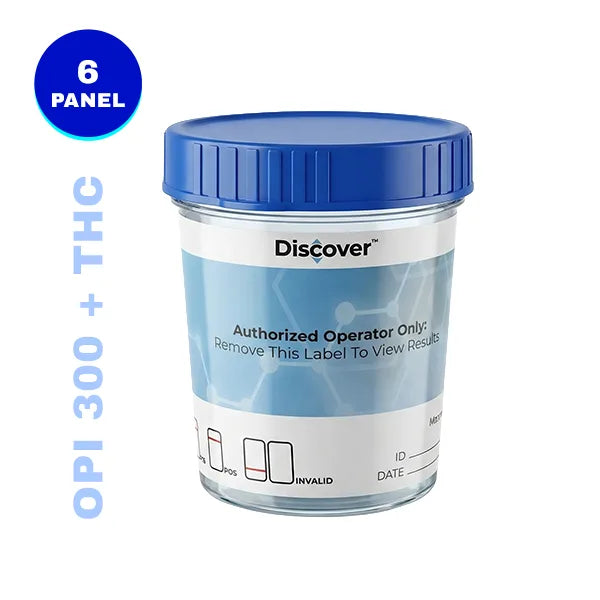
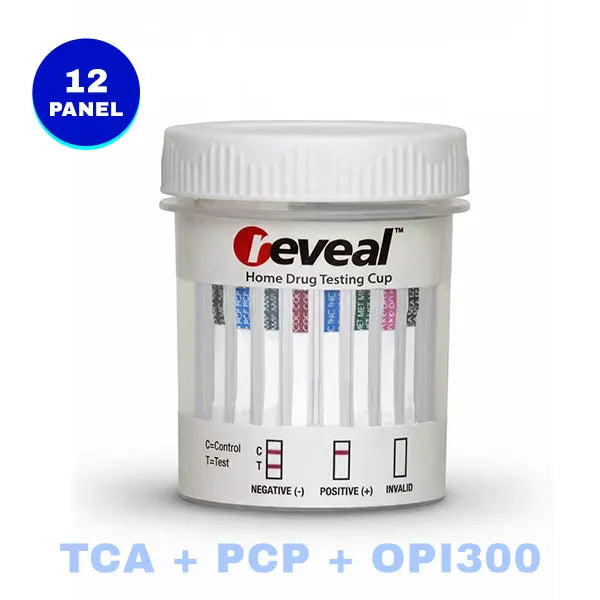
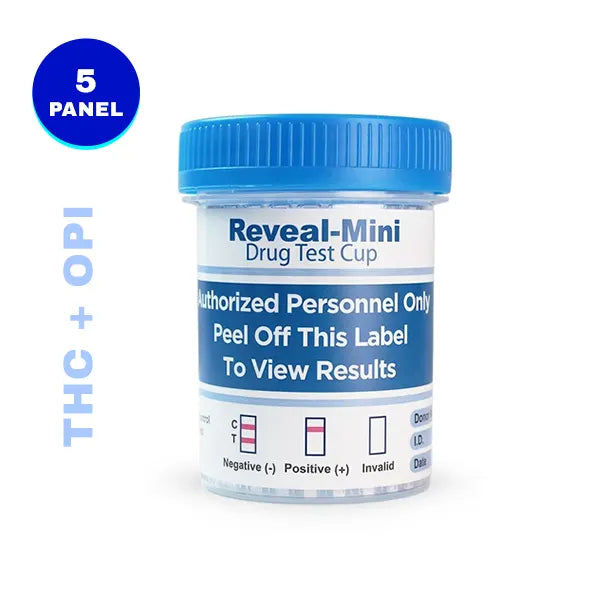
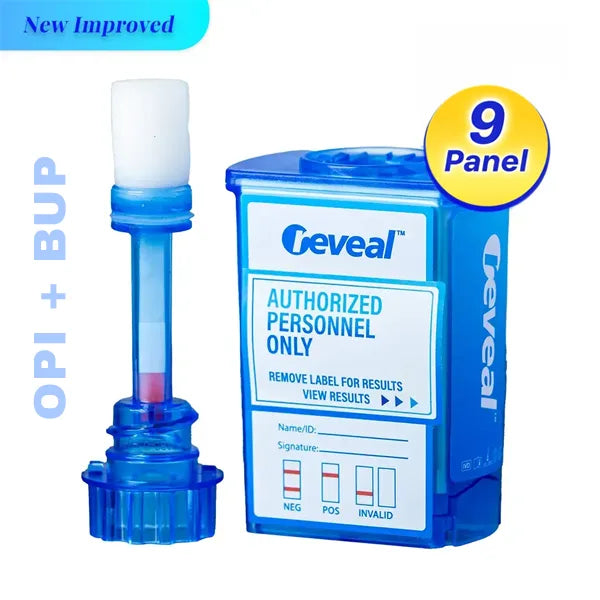
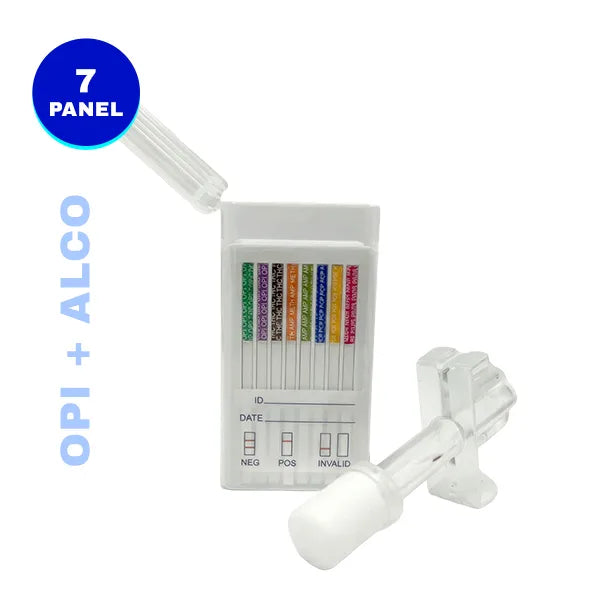
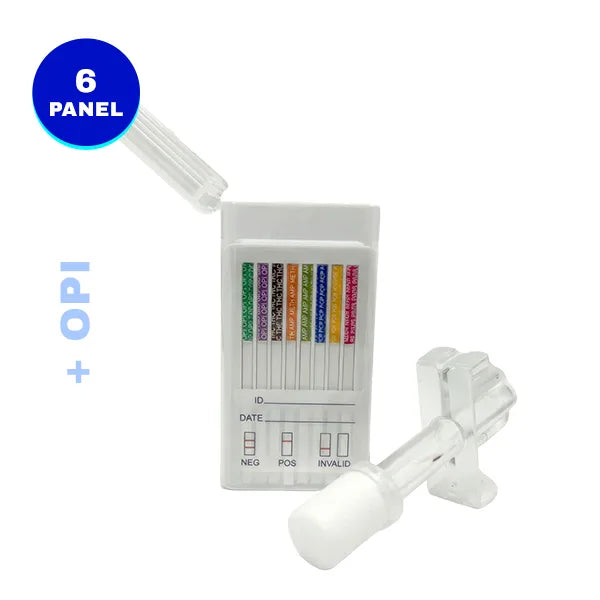
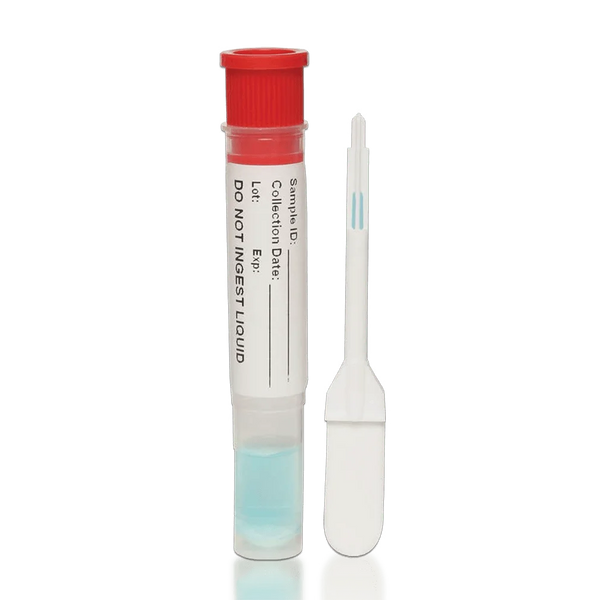
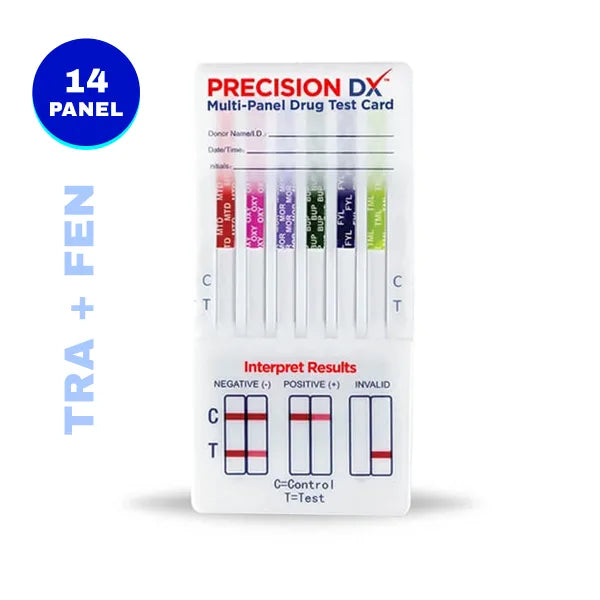
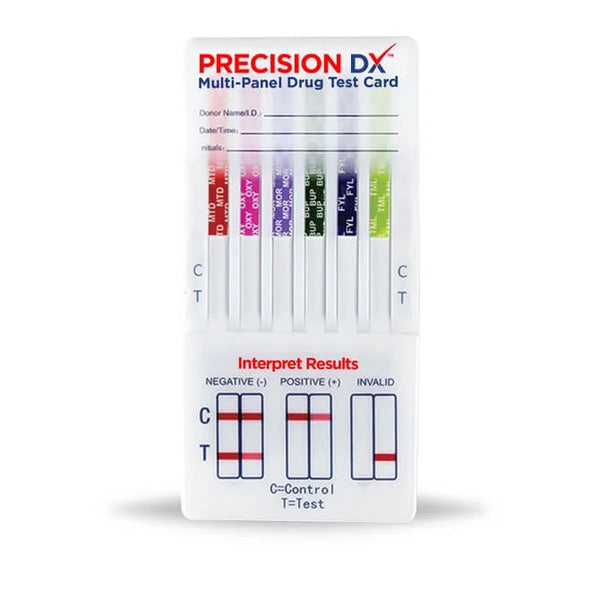
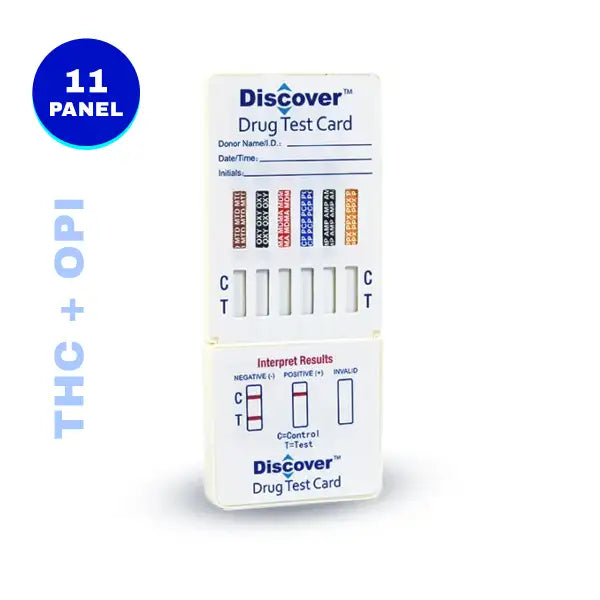
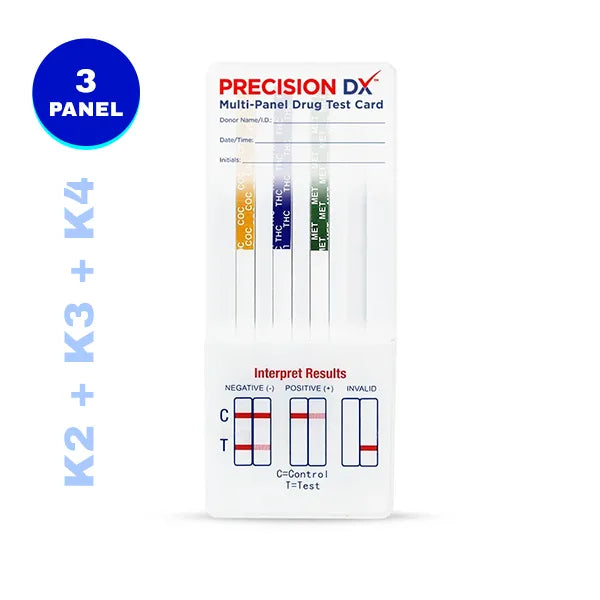
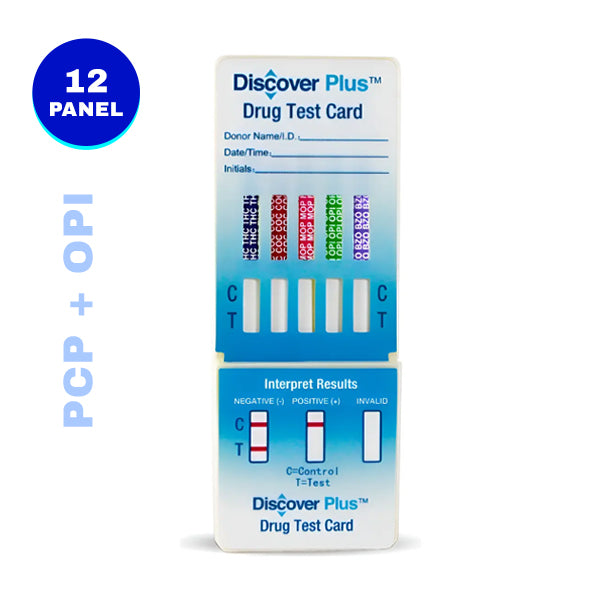
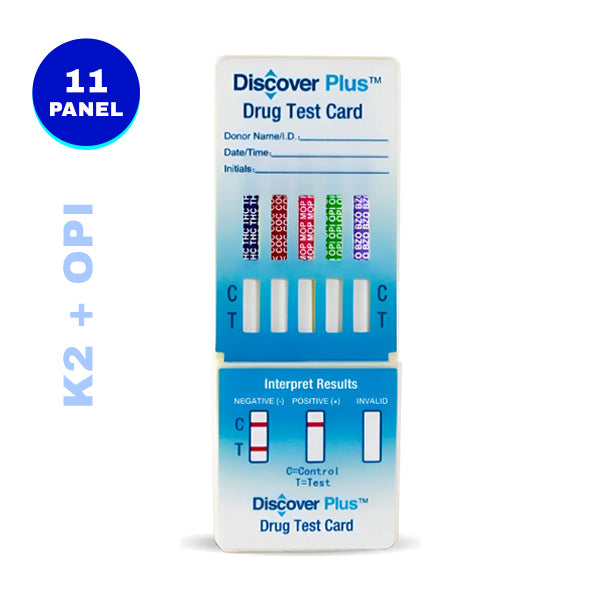
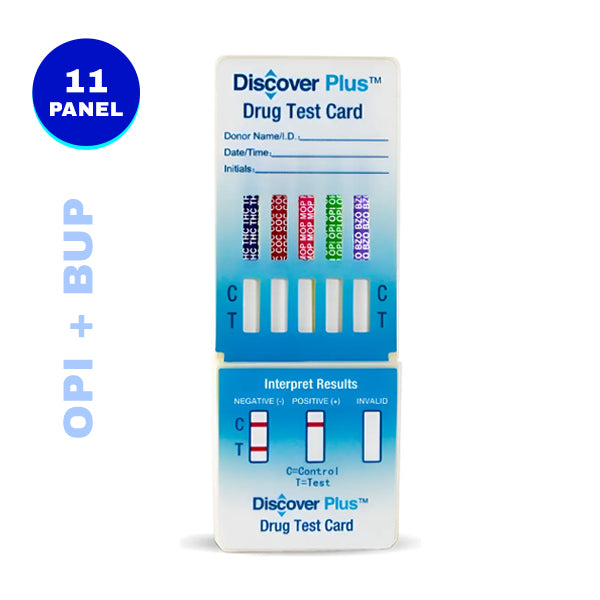
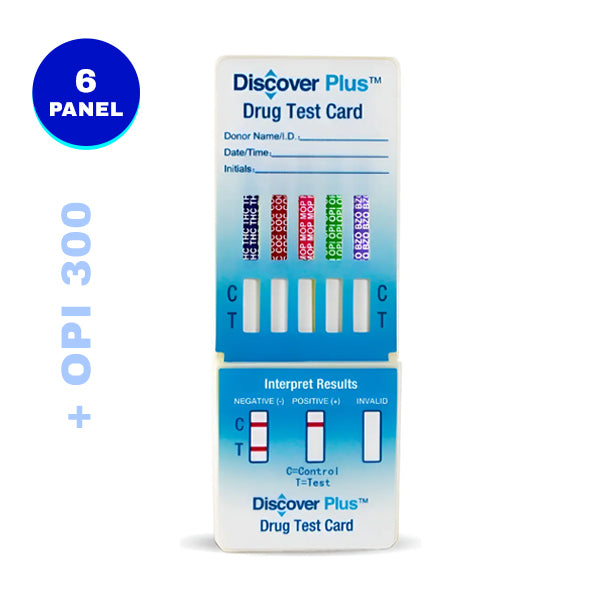
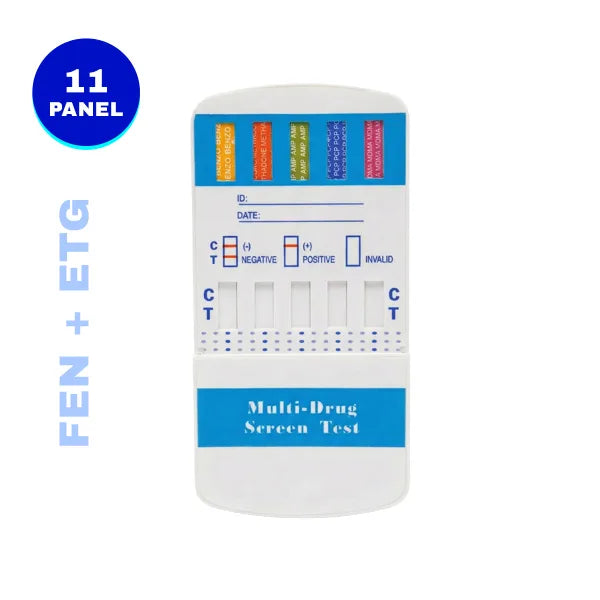
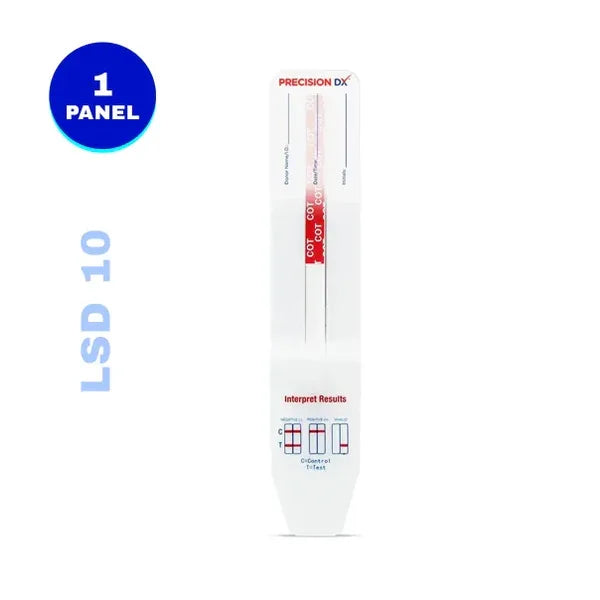
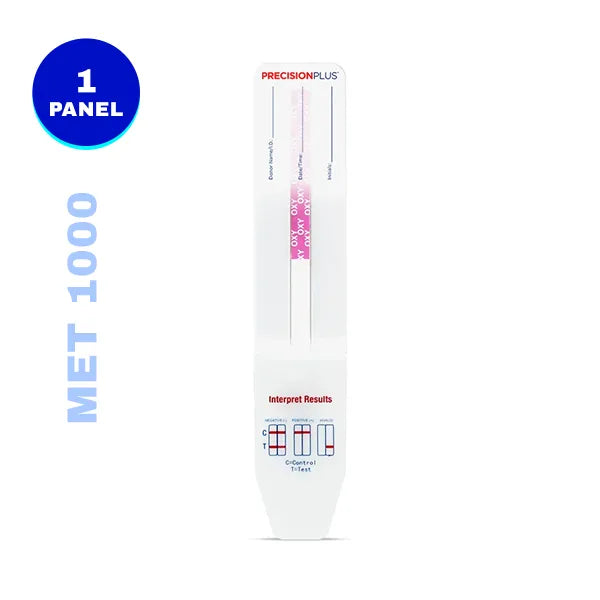
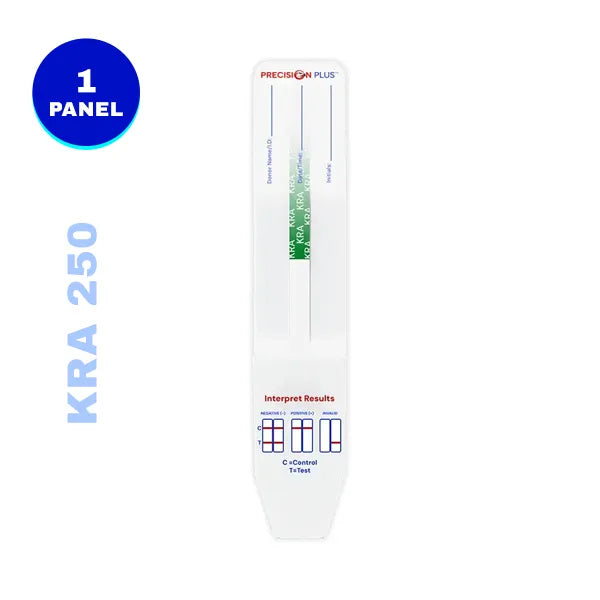
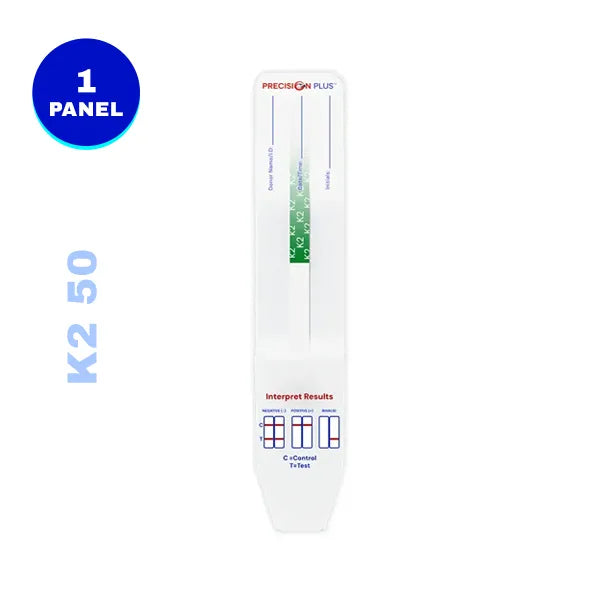
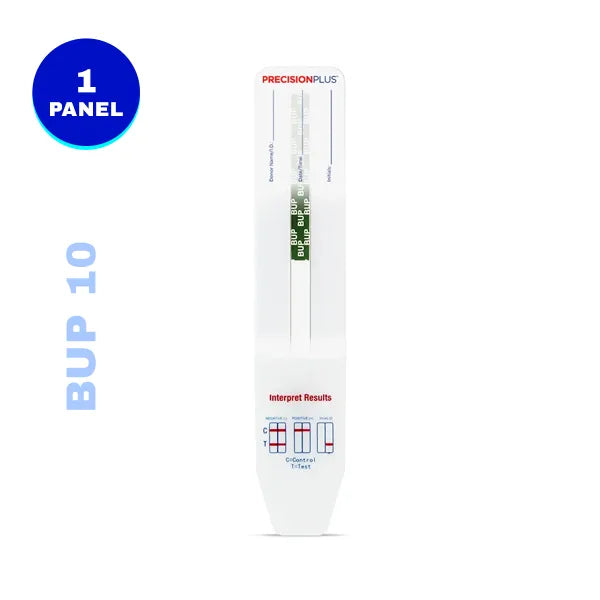
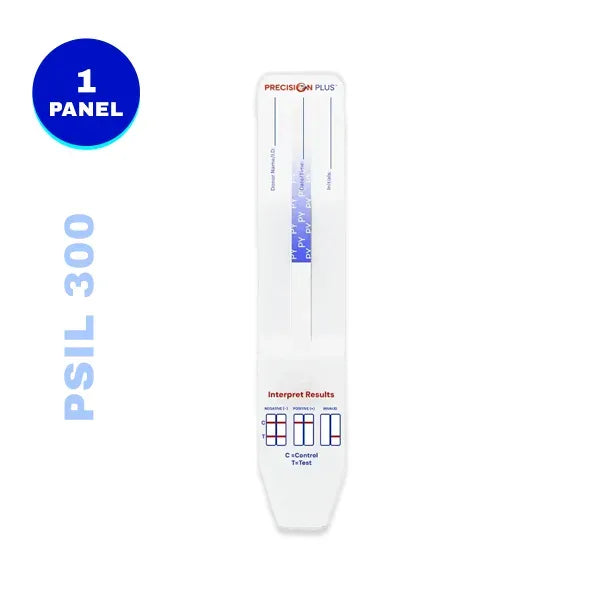
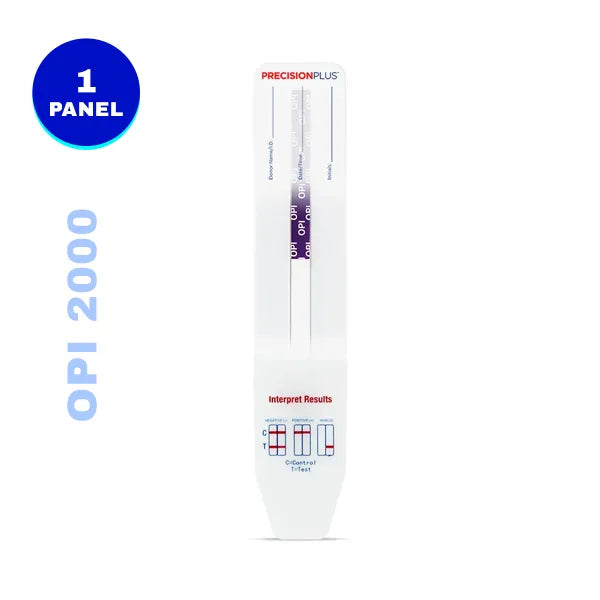
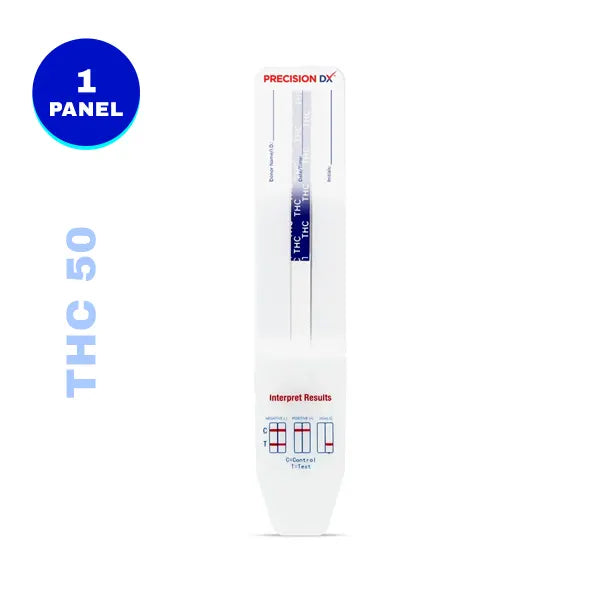
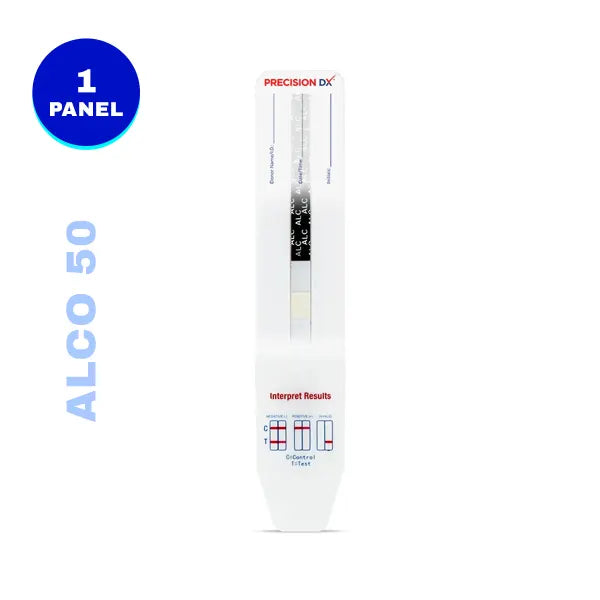
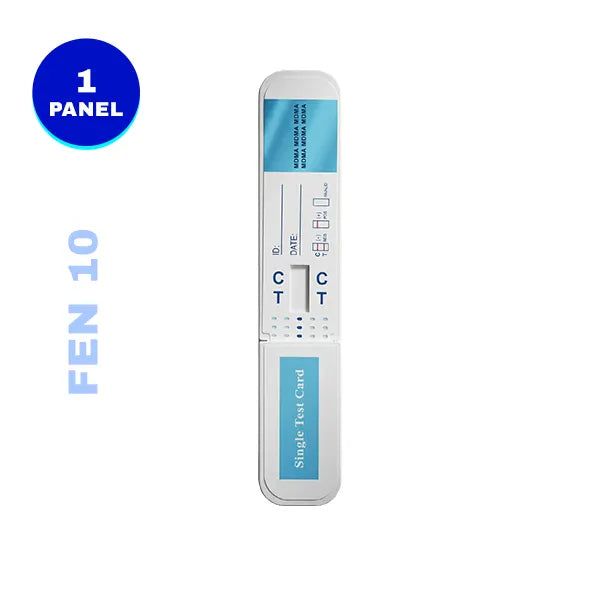
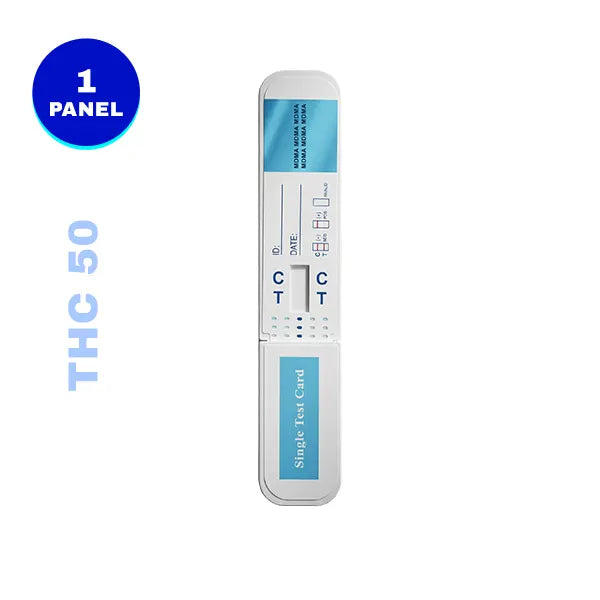
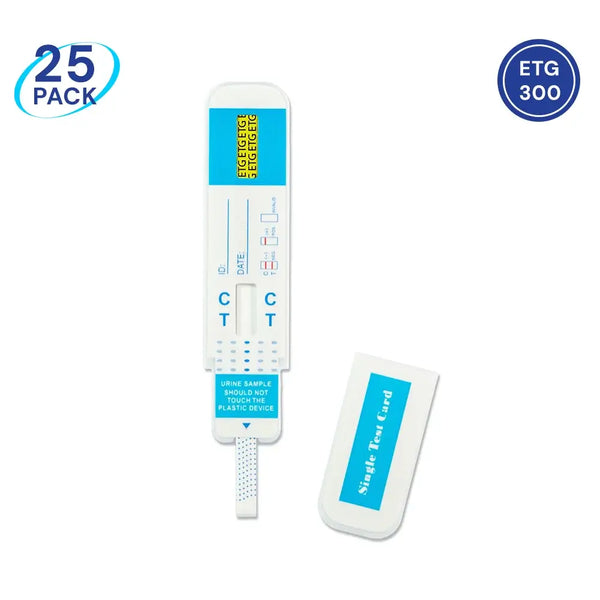
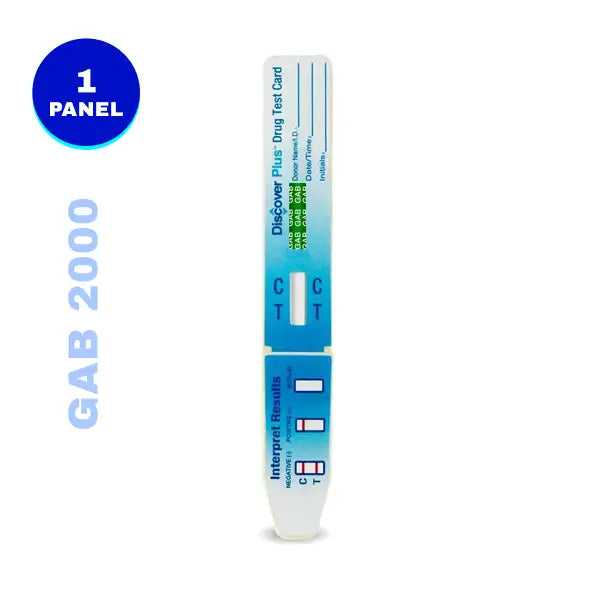
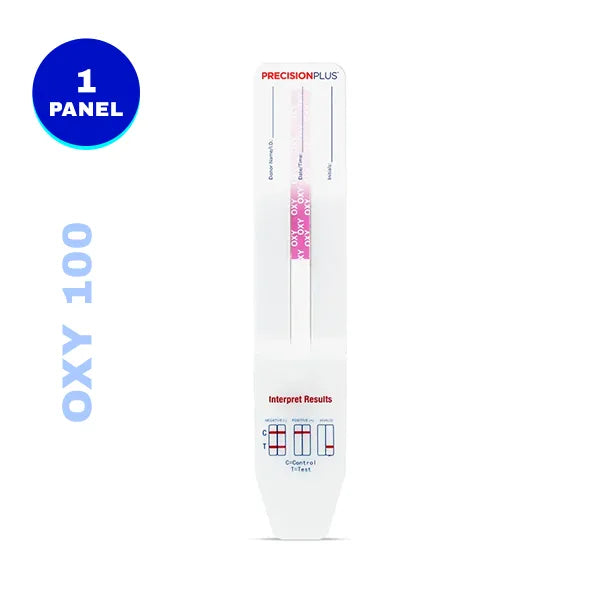
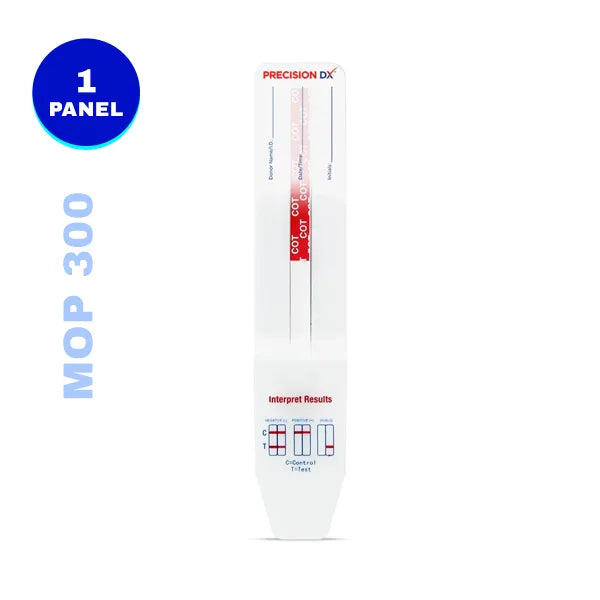
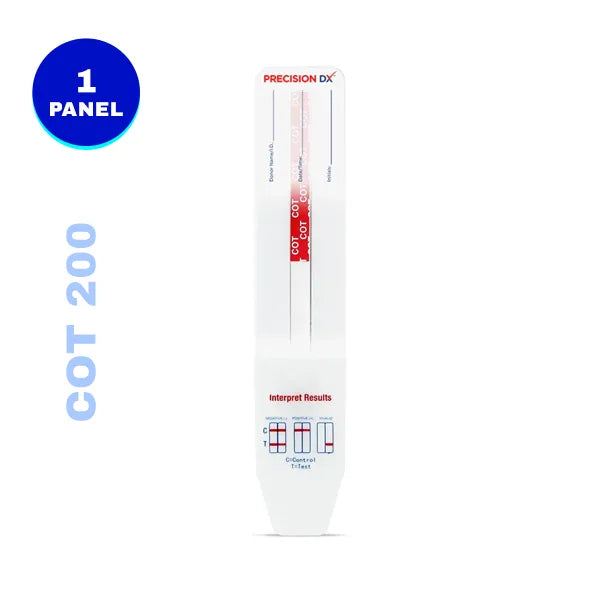
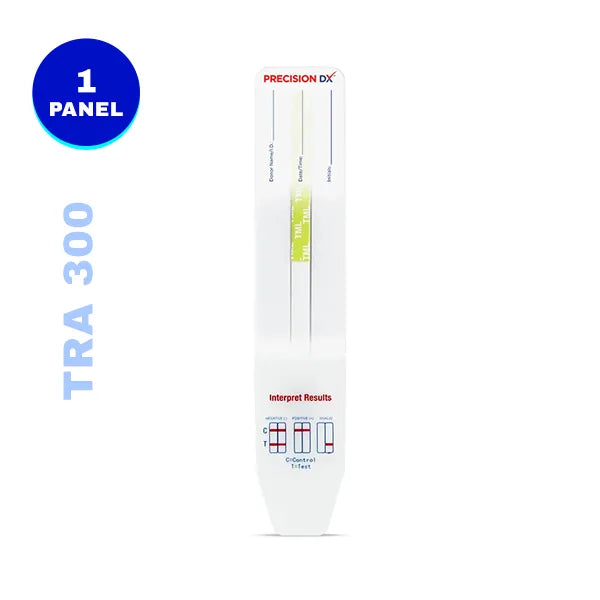
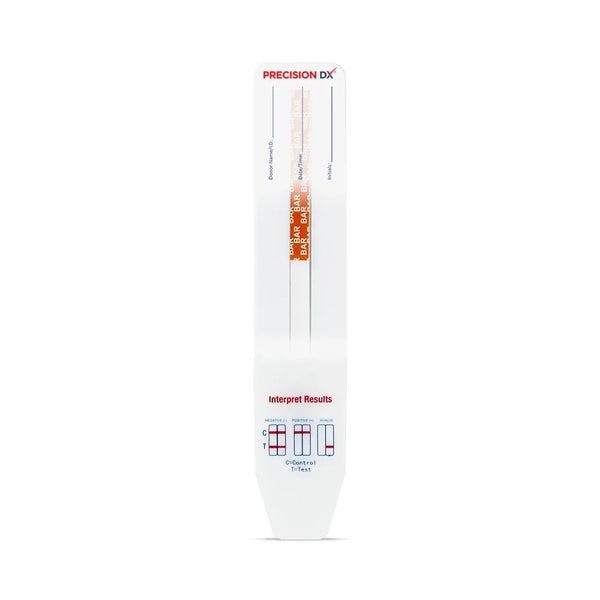
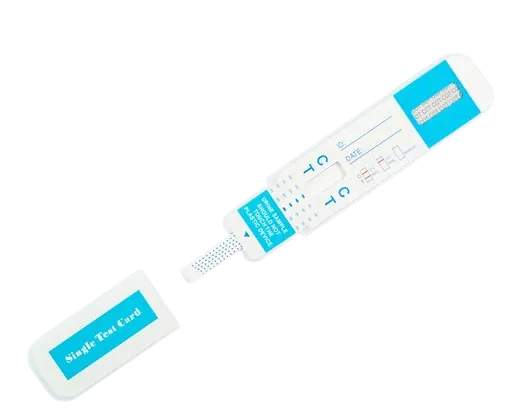
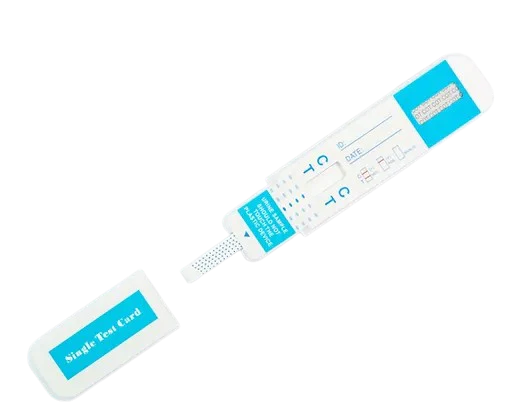
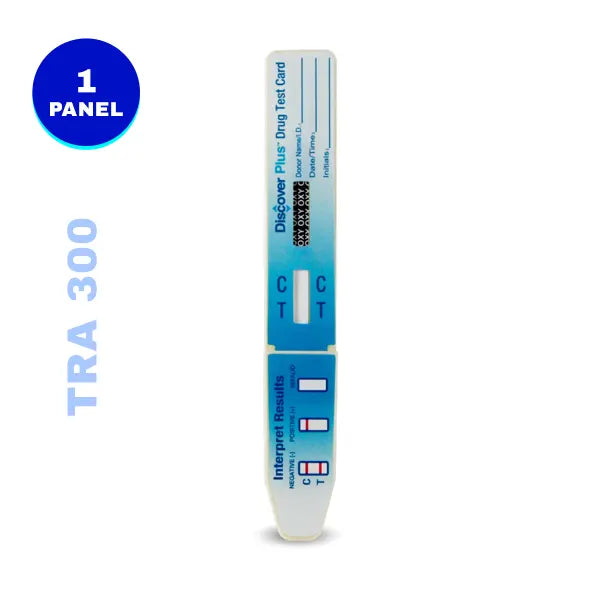
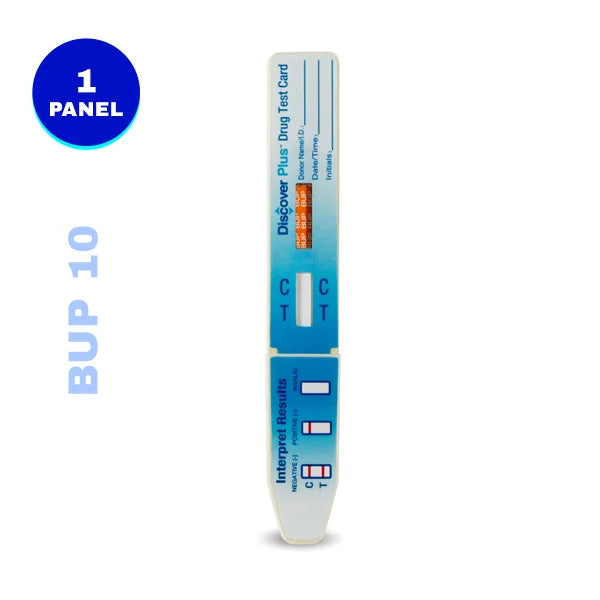
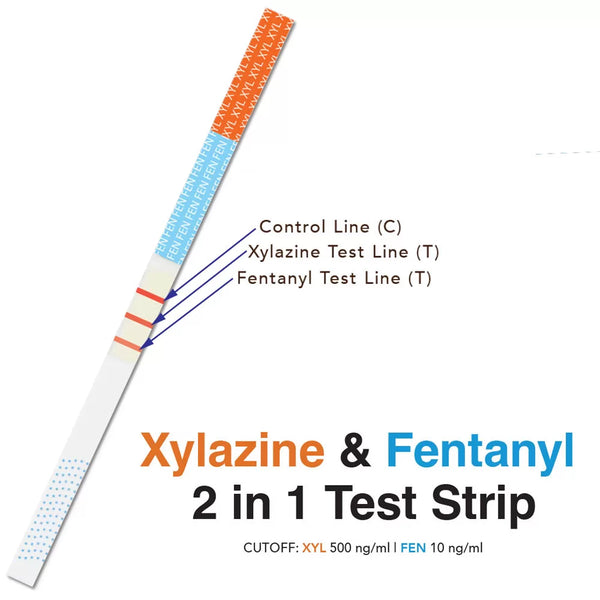
Quick answer: Drug testing screens a urine, oral fluid, or other specimen for drugs of abuse or their metabolites. This collection offers multi-panel urine cups and dip cards, from 5 to 20 panels, with optional adulterant checks. Many are FDA-cleared and CLIA-waived, while others are forensic use only. Screening results typically appear within about five minutes.
What drug testing detects
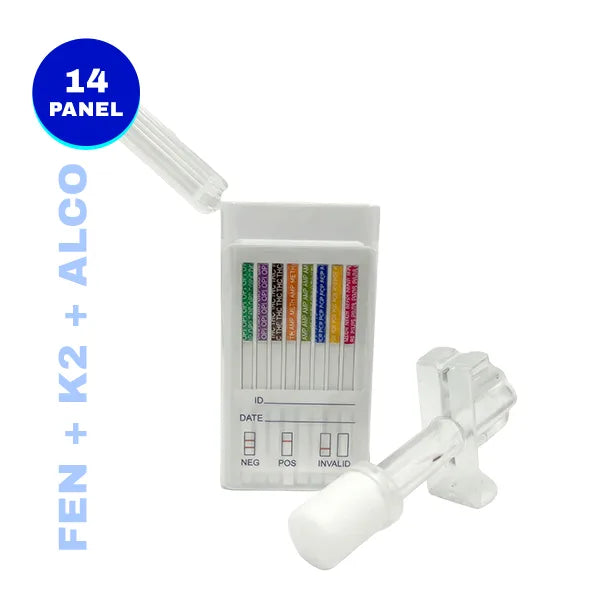
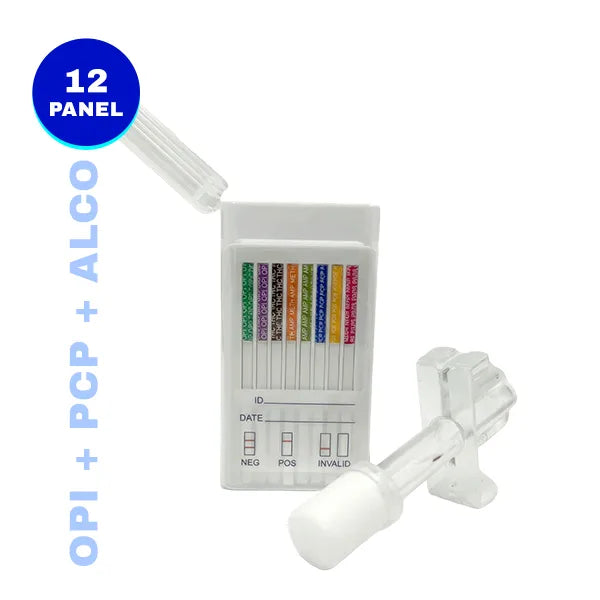
A drug test looks for specific drug classes, not every substance. A panel is the number of classes a device checks. Larger panels, such as 12, 14, 17, 18, and 20 panel cups, add classes like fentanyl, gabapentin, or kratom, depending on configuration. The table lists typical screening cutoffs. Configurations vary by manufacturer and product, so always confirm the cutoffs printed on the device you buy.
| Drug class |
Abbreviation |
Typical screening cutoff (ng/mL) |
| Amphetamine |
AMP |
1000 (some use 500) |
| Methamphetamine |
MET |
1000 (some use 500) |
| Cocaine |
COC |
300 |
| Marijuana (THC) |
THC |
50 |
| Opiates (morphine) |
OPI |
2000 (some use 300) |
| Phencyclidine |
PCP |
25 |
| Benzodiazepines |
BZO |
300 |
| Barbiturates |
BAR |
300 |
| Methadone |
MTD |
300 |
| Oxycodone |
OXY |
100 |
| Fentanyl |
FEN |
1 to 20 (varies widely) |
Adulterant strips on many cups check sample integrity, such as creatinine, pH, oxidants, and specific gravity.
Formats compared
| Feature |
Urine cup |
Dip card |
Oral fluid |
| Specimen |
Urine |
Urine |
Saliva |
| Result time |
About 5 minutes |
About 5 minutes |
About 10 minutes |
| Observed collection |
Often difficult; depends on policy |
Same as cup |
Easy to observe |
| Adulteration checks |
Often built in |
Usually none |
Rarely needed |
| Best for |
Programs, courts, employers |
Low-cost high-volume screening |
Post-incident, recent-use checks |
Cups reduce handling because the specimen stays in a sealed device with a temperature strip. Dip cards suit settings where price per test matters most.
Who buys and why
-
Clinics and treatment centers: intake screens, ongoing monitoring, and medication compliance checks, often on large panels.
-
Courts and probation: routine and random screening of supervised individuals, with forensic-use-only cups where lab confirmation is expected.
-
Employers and staffing firms: pre-employment, reasonable-suspicion, and post-accident screens, ordered in bulk to cover hiring surges.
-
Collection sites and labs: stock for walk-in clients and for resale or onsite events.
-
Schools, sober living, and recovery programs: consistent screening under written policy.
Compliance
This section is general information, not legal advice. Check your own regulations and policies.
FDA 510(k) clearance and CLIA waiver. Some tests are FDA-cleared for in-vitro diagnostic use, and some of those are CLIA-waived, meaning they may be used in qualifying waived-testing settings. Check each product page for its status.
Forensic use only. Products labeled this way are not cleared for clinical diagnostic use. They are commonly used in workplace, court, and monitoring programs with a documented process.
Confirmation. An instant screen is presumptive. A non-negative result should be confirmed by a laboratory using GC-MS or LC-MS/MS before any adverse action, and a medical review is often part of that process.
DOT. Federally regulated DOT testing follows 49 CFR Part 40, which requires lab-based testing with certified laboratories and a medical review officer. Instant cups do not replace DOT testing.
How to read results
- Check the device expiration date and that the package is intact.
- Collect the specimen, confirm the temperature strip is in range, and seal the cup.
- Wait the stated read time, usually about five minutes, and do not read after the window closes.
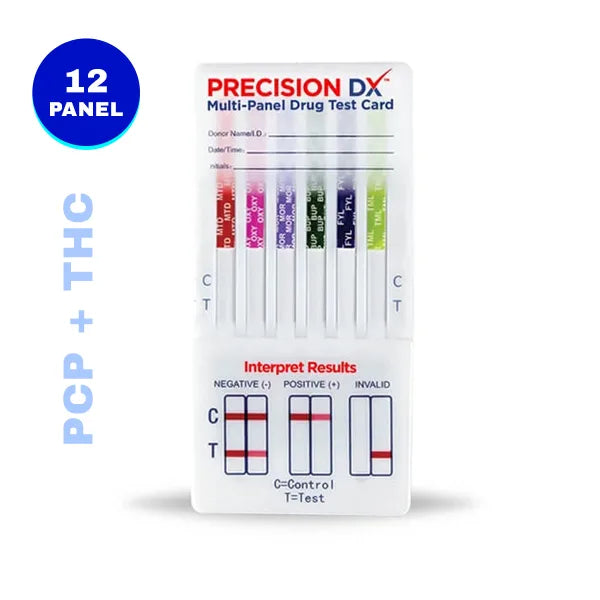
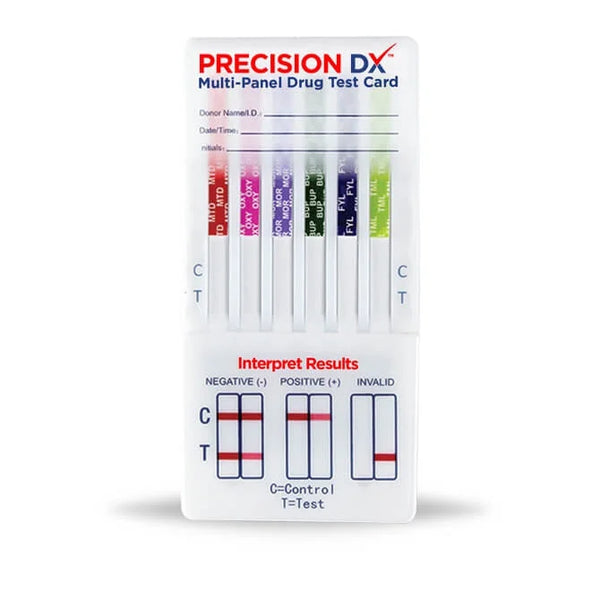
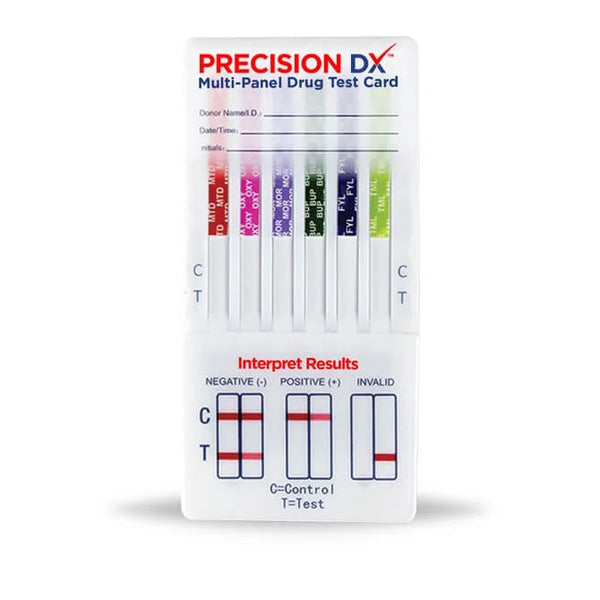
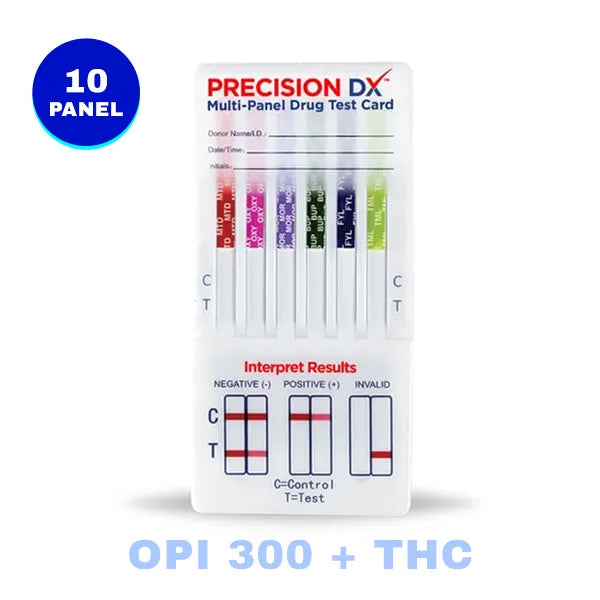
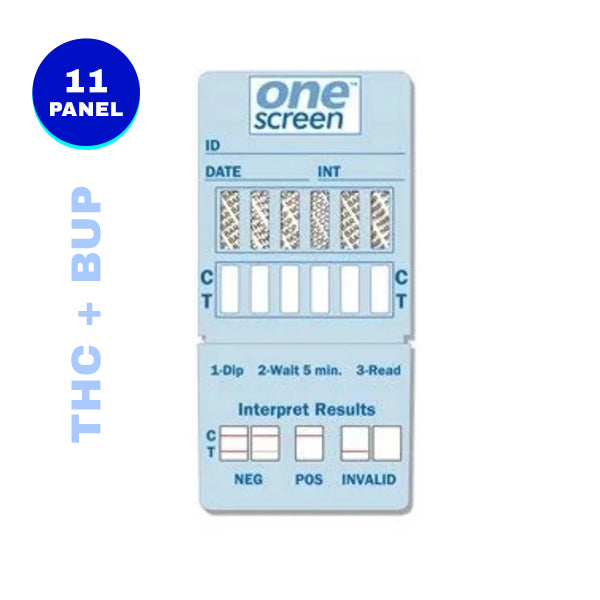
- Find the control line (C). Each drug region with a control line and a test line is negative for that drug.
- A drug region with a control line and no test line is a non-negative, presumptive result for that drug.
- If no control line appears, the result is invalid and the test should be repeated with a new device.
A faint test line is generally read as negative, because any visible line means the drug is below the cutoff. Follow the instructions for your device. Adulterant strips outside their normal range indicate a questionable sample, and a recollection or lab review may be needed.
Ordering in bulk from ASC
American Screening Corp has supplied wholesale drug and alcohol testing products since 2004 from Shreveport, Louisiana. Tests are sold by the case, and larger quantities qualify for volume pricing. Orders ship the same day when placed in time. Request a volume quote for recurring orders, and ask about private label options for your own brand. Our team can help match panels, cutoffs, and compliance status to your program.
Drug Testing FAQ
What is drug testing?
Drug testing analyzes a specimen, most often urine or saliva, for drugs or their metabolites. Instant screens give a presumptive result in minutes. Lab confirmation with GC-MS or LC-MS/MS provides a definitive result when a screen is non-negative and the outcome matters.
How long do drug test results take?
Instant cups and dip cards usually show results in about five minutes. Lab-based testing generally takes one to several business days, depending on the lab and whether confirmation or medical review is needed.
Does a drug test detect every drug?
No. A test detects only the classes on its panel, above its cutoff. A 5 panel test covers fewer substances than a 14 or 20 panel. Newer substances such as fentanyl, gabapentin, or kratom require a panel that specifically includes them.
How much does a drug test cost?
Cost depends on panel size, format, and quantity. Larger cases and recurring orders lower the per-test cost. Contact ASC for a volume quote based on the products and quantities your program needs.
Where can I find drug testing near me?
ASC is a wholesale supplier, not a walk-in collection site. Organizations that want on-site testing can buy cups or cards online and run tests at their own location. Individuals needing a collection site should contact a local provider.
How accurate are instant drug tests?
Instant screens are reliable for detecting drugs at or above their cutoff when used as directed, but they are presumptive. Cross-reactivity and cutoff differences can cause false positives or negatives, so confirm non-negative results with laboratory testing.