Quick answer: A urine cup drug test needs about 30 to 45 mL of urine, enough to reach the fill line on the cup. DOT collections under 49 CFR Part 40 require at least 45 mL. Any positive screen is preliminary; confirm by GC/MS or LC-MS/MS laboratory testing, says American Screening Corp.
- Fill to the line printed on the cup. Check the package insert for the exact minimum.
- DOT collections need at least 45 mL, split into 30 mL and 15 mL (49 CFR Part 40, as of 2026).
- Too little urine is a collection problem, not a result. Re-collect under your written procedure.
How much urine does a cup drug test need?
Most instant urine cups need roughly 30 to 45 mL. The cup has a fill line, and the specimen should reach it so the test strips contact enough liquid to run. The package insert for your specific cup is the final authority on minimum volume.
Need drug tests for your clinic, program or workplace?
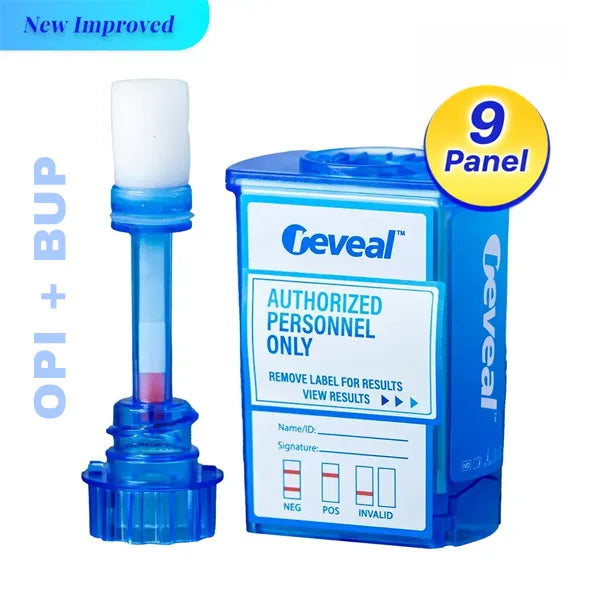
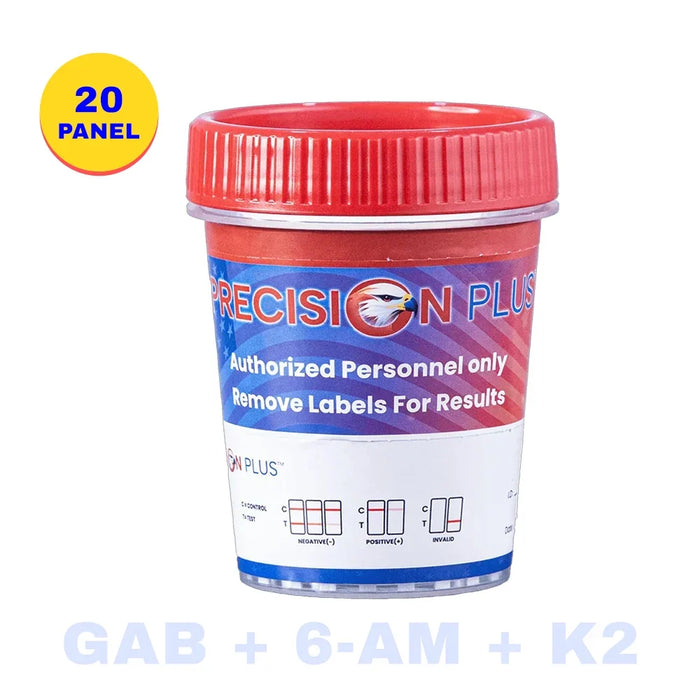
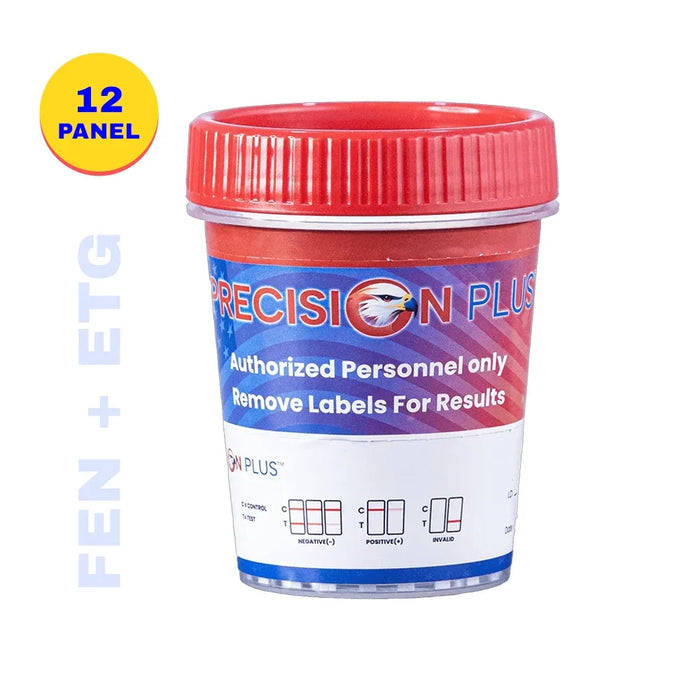
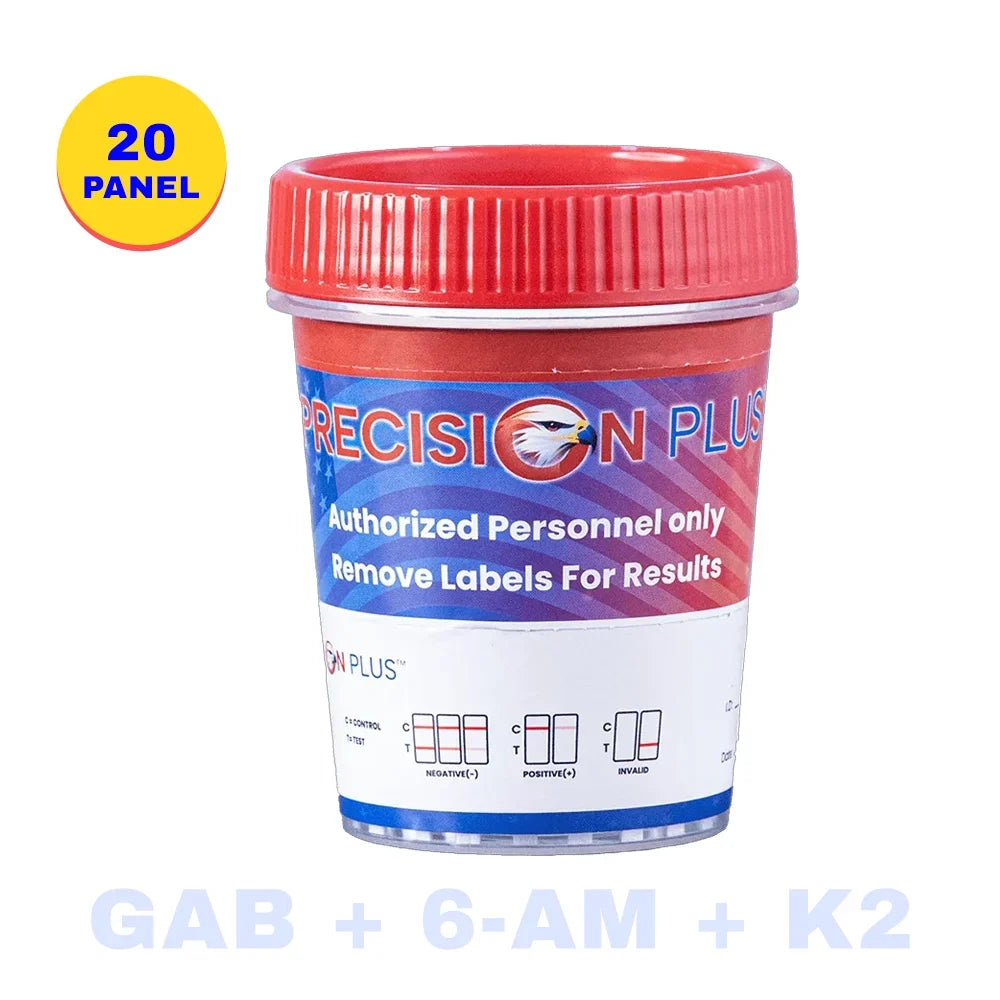
American Screening Corp has supplied FDA-cleared, CLIA-waived tests at wholesale pricing since 2004. Popular options:
Ordering 100+ tests? Request volume pricing.
Collection sites that screen at the point of collection can stock drug test cups in several panel sizes. Volume needs are similar across panels, because the same specimen is read on every strip.
What volume does DOT require?
Under 49 CFR Part 40 (U.S. Department of Transportation, Procedures for Transportation Workplace Drug and Alcohol Testing Programs, as of 2026), the collector must obtain at least 45 mL for a split specimen. That is 30 mL in the primary bottle and 15 mL in the split bottle. Non-DOT programs may use a single specimen and a lower volume, but many adopt the DOT standard as policy.
Why does volume matter?
- Valid reading: an underfilled cup can leave strips partly wet and produce invalid or unreadable results.
- Confirmation: a positive screen is preliminary. Labs need enough specimen for GC/MS or LC-MS/MS confirmation, so keep or send volume accordingly.
- Defensibility: courts and employers rely on documented, consistent collection steps.
Volume and specimen checks at a glance
| Testing type | Minimum volume | Temperature check | Governing reference |
|---|---|---|---|
| Instant cup, non-regulated | Fill line on cup, about 30-45 mL | Per cup insert; most cups have a strip | Manufacturer package insert |
| DOT split specimen | 45 mL (30 mL + 15 mL) | 90-100 degrees F within 4 minutes | 49 CFR Part 40 |
| Federal agency testing | Per lab and collection rules | Per HHS guidelines | HHS Mandatory Guidelines (SAMHSA) |
What cutoffs does the cup screen against?
The HHS Mandatory Guidelines (SAMHSA, as of 2026) list initial urine screening cutoffs such as marijuana metabolite (THC) at 50 ng/mL, cocaine metabolite at 150 ng/mL, amphetamines at 500 ng/mL, phencyclidine (PCP) at 25 ng/mL and opiates at 2,000 ng/mL. Many non-regulated cups use the same or similar levels, so check your cup's insert. Detection windows for urine are generally one to a few days for most drugs, and longer for THC in frequent users. Window depends on dose, frequency and individual metabolism.
Cups from American Screening Corp are FDA-cleared and CLIA-waived products for screening use. Verify the clearance listing for the exact panel you buy.
What if the donor cannot give enough urine?
This is often called a shy bladder. Under 49 CFR Part 40, Subpart I, for DOT tests, the collector gives the donor up to 40 ounces of fluid over up to three hours, and the donor stays at the site. The collector discards the insufficient specimen and starts over when the donor is ready. If the donor still cannot provide 45 mL, a medical evaluation follows. Non-DOT programs should write a similar procedure into policy.
Do not
- Do not pour in a partial specimen from a second void without documenting it under your policy.
- Do not read a cup that did not reach the fill line.
Collection checklist for sites
- Confirm the donor ID and complete the chain-of-custody or log form.
- Have the donor wash hands and empty pockets as your policy requires.
- Give a sealed cup and direct the donor to fill to the line.
- Check the volume and the temperature strip right away.
- Cap the cup, then read the result in the window stated in the insert.
- Record every result as preliminary; send non-negative specimens for confirmation.
- Store unused cups as the insert directs, and check expiration dates.
Cup or dip card: which fits your site?
Cups are a closed container that holds the specimen and the test, and they usually include a temperature strip. Dip cards require a separate collection container and are a good fit for high-volume programs that already pour off specimens. Either way, the volume the lab needs for confirmation should be planned before you start. For bulk orders or private label, contact American Screening Corp. Employers who also need pre-employment screening can use our sister division, Reveal Background.
Frequently asked questions
How much urine is needed for a cup drug test?
About 30 to 45 mL, up to the fill line on the cup. Check the package insert for the minimum on your product.
How much urine does a DOT drug test require?
At least 45 mL: 30 mL in the primary bottle and 15 mL in the split bottle, per 49 CFR Part 40.
What happens if there is not enough urine?
The collector discards the specimen and re-collects. For DOT tests, the donor may drink up to 40 ounces of fluid over up to three hours.
Is a positive cup result final?
No. A positive screen is preliminary; confirm by GC/MS or LC-MS/MS laboratory testing before any action.
Sources
- eCFR: 49 CFR Part 40, Procedures for Transportation Workplace Drug and Alcohol Testing Programs
- SAMHSA: Workplace Drug Testing and the HHS Mandatory Guidelines
- CDC: Clinical Laboratory Improvement Amendments (CLIA)
This article is general information, not legal or medical advice.