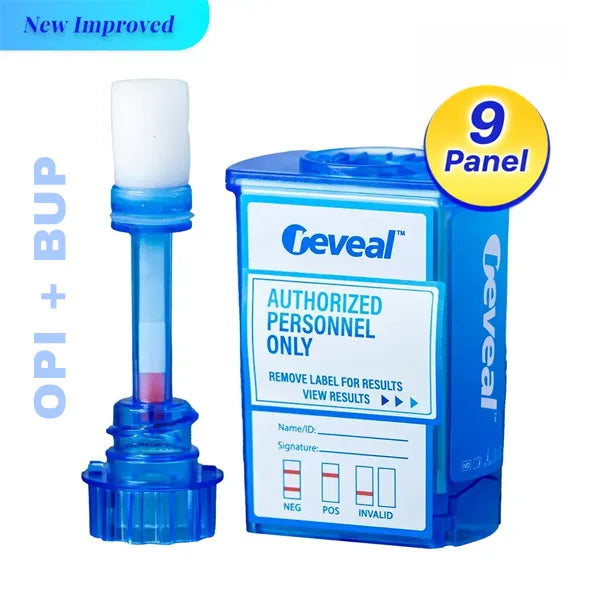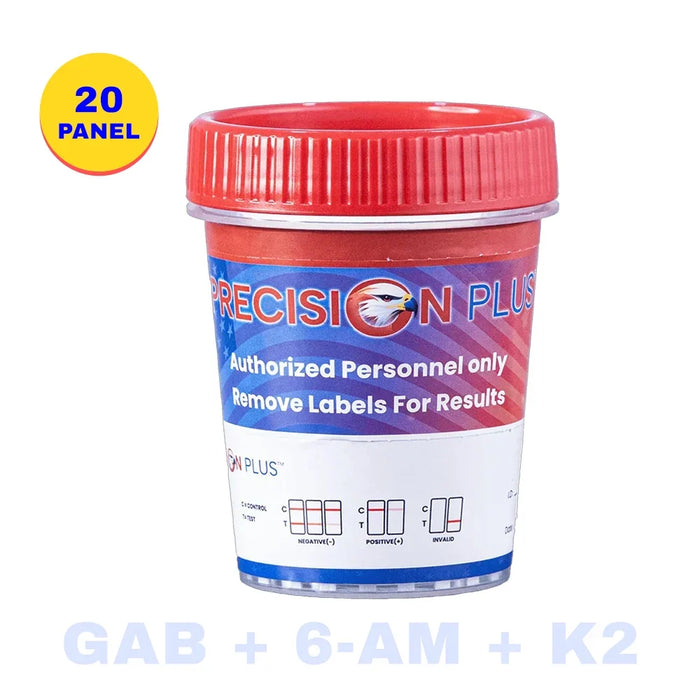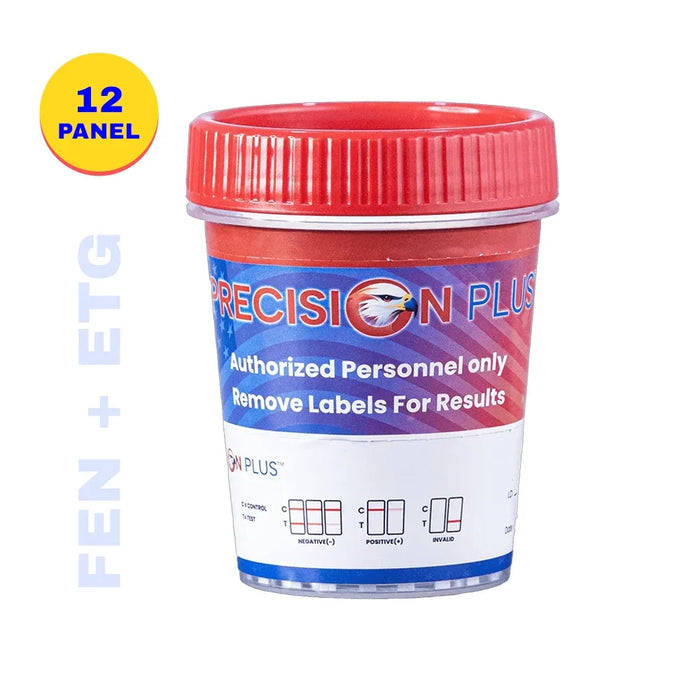
Quick answer: The best drug testing kit is an FDA-cleared, CLIA-waived urine cup with a panel that matches your policy, standard cutoffs such as THC 50 ng/mL and cocaine 150 ng/mL, and lab confirmation. American Screening Corp supplies these kits wholesale. Every positive is preliminary; confirm by GC/MS or LC-MS/MS.
- What it detects: the drug or metabolite on your panel (for example THC metabolite, cocaine metabolite, opiates, amphetamines) at a fixed cutoff in ng/mL.
- Who it is for: clinics, treatment centers, probation and courts, employers, staffing firms, labs and distributors.
- Result status: a positive screen is preliminary and must be confirmed by GC/MS or LC-MS/MS laboratory testing.
What makes a drug testing kit the best one for your program?
No single kit wins for every buyer. The best kit is the one whose specimen type, panel, cutoffs and regulatory status fit your written policy and the people you test.
Need drug tests for your clinic, program or workplace?
American Screening Corp has supplied FDA-cleared, CLIA-waived tests at wholesale pricing since 2004. Popular options:
Ordering 100+ tests? Request volume pricing.
A kit that tests for too few drugs misses what your policy covers. A kit with the wrong cutoff creates disputes. Start with the policy, then choose the device.
Which regulatory status should you require?
Require FDA clearance and CLIA-waived status for any point-of-collection screen. The FDA lists the categories of drugs-of-abuse tests it reviews on its Drugs of Abuse Tests page (FDA, as of 2026). A CLIA waiver means the test is simple enough for use at non-laboratory sites such as clinics and offices.
Regulated DOT testing is different. Under 49 CFR Part 40, DOT-mandated tests follow specific collection and laboratory procedures, and a point-of-collection kit does not replace them (U.S. DOT, Office of Drug and Alcohol Policy and Compliance, Part 40).
What cutoff levels should the kit use?
The HHS Mandatory Guidelines for federal workplace programs set initial urine test cutoffs, for example 50 ng/mL for the marijuana metabolite and 150 ng/mL for the cocaine metabolite (SAMHSA, Mandatory Guidelines for Federal Workplace Drug Testing Programs, as of 2026). Many commercial cups use these same values, though some panels use different values for opiates, amphetamines and benzodiazepines. Always read the package insert for the exact cutoff.
How do the common formats compare?
| Format | Best for | Strength | Limit |
|---|---|---|---|
| Urine test cup | Clinics, probation, employers | Integrated collection and read; wide panel range | Observed collection may be needed to limit tampering |
| Dip card | High-volume or budget screening | Low cost per test; flexible collection container | Separate cup needed; no built-in temperature strip |
| Oral fluid test | Reasonable suspicion, post-incident | Observed, easy collection; shorter detection window | Fewer drugs, shorter window than urine |
| Lab confirmation | Every positive screen | GC/MS or LC-MS/MS identifies the specific substance | Slower, higher cost per sample |
How long can each drug be detected?
Detection windows vary by dose, frequency of use, metabolism and specimen. Typical urine windows reported by NIDA and product inserts are:
- Cocaine metabolite: about 2 to 4 days.
- Amphetamines and methamphetamine: about 2 to 4 days.
- Opiates: about 1 to 3 days.
- THC metabolite: about 1 to 3 days after a single use, and 30 days or more with heavy chronic use.
- Benzodiazepines: about 3 to 7 days, longer for long-acting types.
A window tells you how long a metabolite may be present. It does not tell you when use occurred or whether someone was impaired.
Which panel should you choose?
Match the panel to the drugs your policy names. A 5-panel covers the core federal categories. Panels of 10 to 18 add drugs such as benzodiazepines, barbiturates, methadone, oxycodone and fentanyl. Treatment centers and courts usually need broader panels than most employers. Browse our drug test cups for integrated multi-panel options, or our drug test dip cards for high-volume screening.
How do you read and handle results?
- Check the cup temperature strip within the window stated in the insert (typically 4 minutes).
- Wait the full read time on the insert, usually 5 minutes, and read no later than the stated limit.
- A line in the control region means the test is valid; no control line means the test is invalid and must be repeated with a new device.
- A visible line in a drug region is negative; no line in that region is a non-negative (presumptive positive) result.
- Record the result, lot number and expiry, then send any non-negative specimen for GC/MS or LC-MS/MS confirmation.
Buyer checklist before you order
- FDA-cleared and CLIA-waived status confirmed on the insert.
- Panel matches your written drug testing policy.
- Cutoffs in ng/mL documented and consistent with your policy.
- Lot numbers and expiry dates at least several months out.
- Lab confirmation arranged for every non-negative result.
- Staff trained on collection, reading and chain-of-custody documentation.
- State statutes reviewed for notice, consent and testing rules.
If you also screen job candidates, pair testing with employment screening from our sister division, Reveal Background. To discuss volume pricing, private label or panel selection, contact American Screening Corp in Shreveport, Louisiana. We ship same-day nationwide.
Frequently asked questions
What is the best drug testing kit for an employer?
An FDA-cleared, CLIA-waived urine cup with a 5- to 10-panel that matches your written policy. Confirm every positive by GC/MS or LC-MS/MS.
What cutoff does a standard THC test use?
The HHS Mandatory Guidelines use a 50 ng/mL initial cutoff for the marijuana metabolite. Many commercial cups use the same value.
Is a positive result on a drug test cup final?
No. A positive screen is preliminary and must be confirmed by GC/MS or LC-MS/MS laboratory testing before any action.
Can a kit replace DOT testing?
No. DOT-mandated tests must follow 49 CFR Part 40 collection and laboratory procedures. Point-of-collection kits suit non-DOT programs.
Sources
- SAMHSA: Workplace Drug Testing and Mandatory Guidelines
- U.S. DOT ODAPC: 49 CFR Part 40
- FDA: Drugs of Abuse Tests
This article is general information, not legal or medical advice.