Roofing crews work at height, on unstable surfaces, around power tools and nail guns, often in heat. A momentary lapse in attention on a steep slope or near an unprotected edge can be fatal. That combination of risk is why many roofing contractors build drug testing into their safety program even though, outside of a narrow federal exception, no federal law requires it.
This guide covers what federal rules actually say about roofer drug testing, when the Department of Transportation (DOT) rules apply, how the Occupational Safety and Health Administration (OSHA) treats post incident testing, how state drug free workplace programs fit in, and which specimen type and panel most roofing employers choose for each testing event.
Is drug testing required for roofers
There is no general federal mandate requiring private roofing contractors to drug test employees. Workplace drug testing for most construction trades, including roofing, is governed by state law and by the employer's own written policy, not by a federal testing statute. The one federal exception that reliably applies to roofing operations is the Department of Transportation's drug and alcohol testing rule at 49 CFR Part 382. If a roofer also holds a commercial driver's license and operates a commercial motor vehicle, for example driving a flatbed loaded with shingles or a boom truck that meets the weight threshold for CDL licensure, that employee falls into DOT's safety sensitive testing pool for pre employment, random, reasonable suspicion, post accident and return to duty testing. A roofer who never drives a covered commercial motor vehicle is not pulled into the DOT program by the nature of roofing work alone.
Outside that CDL driving exception, whether a roofing company tests, and how, is a matter of company policy shaped by state law, workers' compensation incentives and the contractor's own risk tolerance. Employers should treat "no federal mandate" as a floor, not a ceiling. Many roofing contractors test anyway because of the severity of fall related injuries in the trade and because general liability and workers' compensation carriers often ask about safety programs, including drug testing, during underwriting.
Fall risk is the reason roofing programs lean on testing
OSHA's fall protection standard for construction, 29 CFR 1926.501, sets out when roofing work requires guardrails, safety nets or personal fall arrest systems, generally once a worker is exposed to a fall of six feet or more, with separate provisions for low slope and steep roofs. OSHA also publishes fall prevention guidance aimed specifically at roofing and other elevated work through its fall prevention campaign and its construction falls training materials, because falls remain one of the leading causes of serious injury and death on construction sites generally and on roofs in particular. A worker whose judgment, balance or reaction time is impaired has less margin for error on a roof than almost anywhere else on a job site, which is the practical safety argument roofing contractors use to justify testing even where no regulation requires it.
Post incident testing: what OSHA actually restricts
Employers sometimes hear that OSHA "bans" post accident drug testing. That is not accurate. OSHA's injury and illness recordkeeping rule, 29 CFR 1904.35, prohibits an employer from discharging or discriminating against an employee for reporting a work related injury, and a blanket post incident drug test that is used to punish reporting, rather than to investigate the incident, can run afoul of that anti retaliation rule. OSHA's own 2018 standard interpretation letter clarifies that most instances of workplace drug testing are permitted, including testing done to evaluate the root cause of a workplace incident when there is a reasonable possibility that drug use contributed, testing under a state workers' compensation drug free workplace program, and testing required by other federal or state law. The practical guidance for a roofing employer is to test every employee reasonably connected to an incident, not only the one who reports an injury, document the safety rationale in writing, and apply the policy consistently so the record shows the purpose is investigation, not discouraging injury reports.
State drug free workplace programs and workers' compensation credits
Several states let employers earn a workers' compensation premium discount by adopting a certified drug free workplace program that meets state specifications, typically covering written policy, employee education, supervisor training, and specimen collection and chain of custody procedures. Florida's program, set out in Florida Statutes section 440.102, is a widely cited example of how these programs are structured, including required notice periods before pre employment and random testing begin and the procedures carriers expect to see documented. Because these programs vary by state, a roofing contractor operating in more than one state should confirm the specific statute and administrative rule in each state rather than assuming one state's program transfers to another, and should ask its workers' compensation carrier directly whether a premium credit is available before building a program around it.
Panel and specimen choice by testing event
Most roofing employers do not use the same specimen type for every testing situation. Urine testing with a laboratory confirmation pathway remains the most common choice for pre employment and random testing because it has the longest published detection window and the most established chain of custody practice. Oral fluid testing is increasingly used for reasonable suspicion and post incident testing on a job site because collection can be observed directly, there is no bathroom privacy concern, and the detection window is weighted toward recent use, which is the relevant question immediately after an incident.
| Testing event | Common specimen | Typical panel | Why employers choose it |
|---|---|---|---|
| Pre employment | Urine | 10 or 12 panel | Established chain of custody, broad drug class coverage before hire |
| Random (company policy) | Urine | 10 or 12 panel | Consistent program documentation across a rotating pool |
| Reasonable suspicion | Oral fluid or urine | 10 or 12 panel | Fast turnaround, observed collection supports the supervisor's documented observations |
| Post incident | Oral fluid | 10 or 12 panel | Recent use detection window is most relevant to the incident timeline |
| CDL driver (DOT covered) | Urine | DOT 5 panel | Required specimen and panel under 49 CFR Part 382 and Part 40 |
Any screening result outside the DOT program, whether urine or oral fluid, is a preliminary immunoassay result. A nonnegative screen should go to laboratory confirmation by GC/MS or LC/MS before an employer takes action, and any result on a DOT regulated test must be reviewed by a qualified medical review officer who considers legitimate prescriptions before a verified positive is reported. Employers should document that process in the written policy so supervisors and crew members understand that a screen alone is not a final determination. Resources on building and administering a workplace testing program, including the role of laboratory confirmation and program design, are published by the Substance Abuse and Mental Health Services Administration.
Writing the policy
A roofer drug testing policy generally holds up best when it states plainly which categories of testing apply, pre employment, random, reasonable suspicion, post incident, and return to duty, and spells out the specimen type and panel for each. It should name who on site is authorized to order a reasonable suspicion test and what observations must be documented first, such as specific, contemporaneous notes on behavior, speech, coordination or odor rather than a general impression. It should also state that any employee operating a covered commercial motor vehicle is additionally subject to the separate DOT program, since the two programs run side by side and DOT requirements cannot be relaxed by company policy. Employers should have legal counsel review the policy against the laws of every state where crews work, since marijuana legalization, medical marijuana accommodation and off duty conduct protections vary significantly by state and change the analysis for how a positive result may be treated.
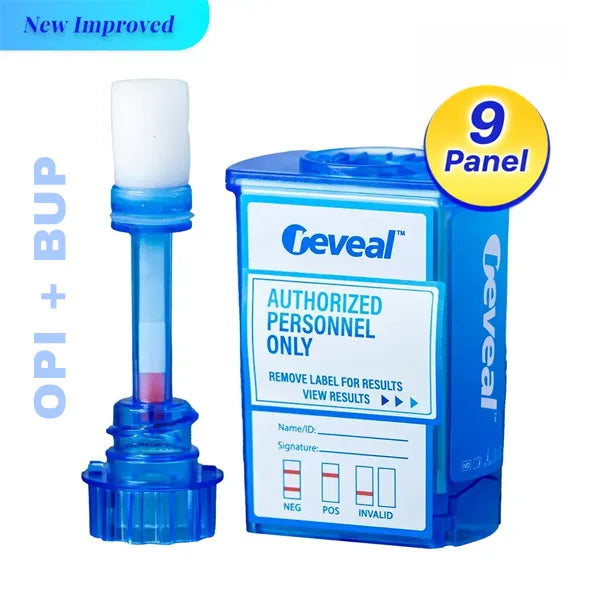
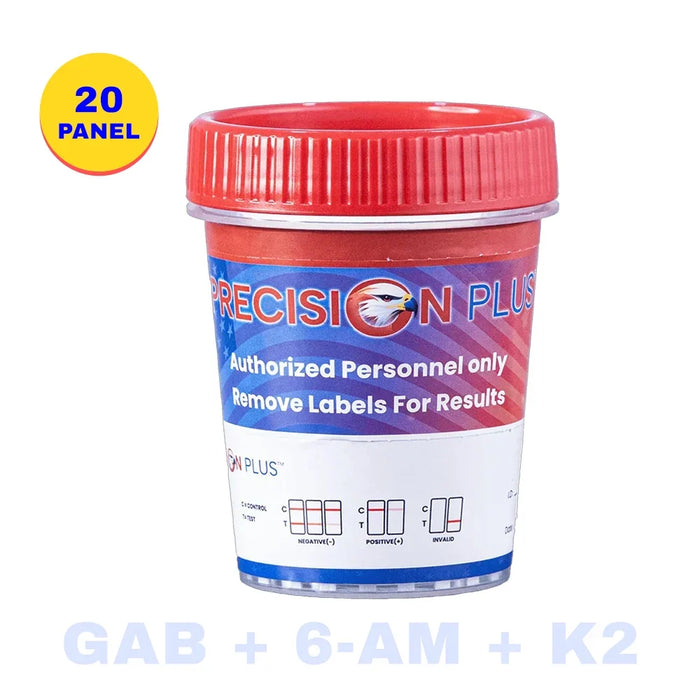
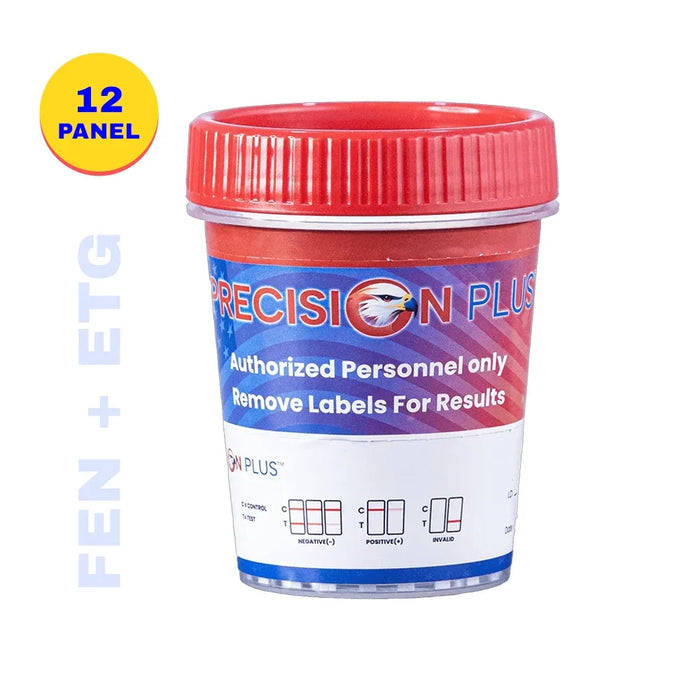
Supply needs for a roofing crew's testing program are usually modest but recurring: dip cards or cups for scheduled testing, oral fluid devices for incident response, and a standing relationship with a certified laboratory for confirmation testing. Contractors sourcing in volume for multiple crews or multiple job sites can review options through the drug test cup collection, and businesses buying at scale can also check case pricing through the wholesale portal.
For background on how post incident testing interacts with OSHA recordkeeping rules across industries, see Post Accident Drug Testing and the OSHA Rules Employers Get Wrong. For a broader look at building a program across an entire construction operation rather than one trade, see Construction Industry Drug Testing: Building a Program That Holds Up on Site.
Frequently asked questions
Does federal law require roofers to be drug tested
No general federal law requires private roofing employers to drug test. The exception is a roofer who also drives a commercial motor vehicle requiring a CDL, who falls under the DOT testing program at 49 CFR Part 382.
Can a roofing contractor require a drug test after a fall or injury
Yes. OSHA's recordkeeping rule prohibits using post incident testing to punish or discourage injury reporting, but testing used to investigate what contributed to an incident is permitted when applied consistently and documented as part of the investigation, not as retaliation against the person who reported the injury.
What panel is typical for a roofing crew drug testing program
Many roofing employers use a 10 or 12 panel urine test for pre employment and random testing, and an oral fluid test for reasonable suspicion or post incident situations where a recent use window and observed collection are priorities.
Do state drug free workplace programs apply to roofing companies
Some states offer a workers' compensation premium discount to employers that adopt a certified drug free workplace program meeting state requirements. These programs vary by state, so a roofing contractor should confirm its own state's statute and talk to its workers' compensation carrier before relying on a discount.
Does a positive screening result mean the roofer is terminated
A screening result is preliminary. It should be confirmed by a laboratory using GC/MS or LC/MS, and any final determination should go through the employer's documented policy, including review of legitimate prescriptions, before any employment action is taken.
What specimen is required for a roofer who also drives a CDL truck
A roofer who is subject to DOT testing because of CDL driving duties must be tested using the DOT urine specimen and the DOT five panel under 49 CFR Part 382 and Part 40 procedures, separate from any non DOT company policy that covers the rest of the crew.
This article is general information for employers and is not legal or medical advice. Consult qualified counsel and a medical review officer before adopting or acting on a drug testing policy.