Quick answer: A random drug testing program for trucking companies selects CDL drivers by a scientifically valid, unannounced method and tests them throughout the year. As of January 2025, FMCSA's minimum annual random rates are 50% of drivers for drugs and 10% for alcohol (FMCSA, Drug and Alcohol Testing). American Screening Corp supplies non-DOT screening products.
- DOT random tests must follow 49 CFR Part 40 and 49 CFR Part 382: a federal Custody and Control Form, an HHS-certified laboratory and a Medical Review Officer.
- Point-of-collection cups and dip cards are not valid for DOT-mandated tests. They suit company-policy (non-DOT) programs, with every positive screen treated as preliminary.
- American Screening Corp (ASC) supplies wholesale screening products and lab confirmation support for the non-DOT side of a carrier's policy.
What does a random testing program have to include?
Motor carriers with drivers who hold a commercial driver's license must test them under 49 CFR Part 382, Subpart E. The testing procedures themselves are set by 49 CFR Part 40, which the DOT Office of Drug and Alcohol Policy and Compliance (ODAPC) publishes.
Need drug tests for your clinic, program or workplace?
American Screening Corp has supplied FDA-cleared, CLIA-waived tests at wholesale pricing since 2004. Popular options:
Ordering 100+ tests? Request volume pricing.
A compliant program has a written policy, a driver pool, a random selection method, qualified collection sites and a documented chain of custody. It also needs a designated employer representative and records you can produce in an audit.
What are the FMCSA minimum random testing rates?
As of January 2025, the FMCSA minimum annual percentage rate is 50% of the average number of driver positions for controlled substances and 10% for alcohol. FMCSA can change these rates based on industry violation data, so confirm the current rate each January.
Selections must be spread reasonably throughout the year. Each driver must have an equal chance of selection every time, and a driver picked once can be picked again.
Which substances does a DOT drug test cover?
A DOT urine test covers five drug classes under 49 CFR Part 40 (as of the current eCFR text). The initial and confirmatory cutoffs differ by class.
| Drug class | Initial cutoff (ng/mL) | Confirmatory cutoff (ng/mL) |
|---|---|---|
| Marijuana metabolites (THC) | 50 | 15 |
| Cocaine metabolite | 150 | 100 |
| Amphetamines | 500 | 250 |
| Opioids (codeine, morphine) | 2,000 | 2,000 |
| Phencyclidine (PCP) | 25 | 25 |
The Part 40 panel also lists 6-acetylmorphine at 10 ng/mL and semi-synthetic opioids at 300 ng/mL initial. Check the current eCFR table before you set policy.
How do you select drivers randomly?
Part 382 requires a scientifically valid method, such as a random number table or a computer-based generator matched to driver identifiers. Selection must not be influenced by supervisors or by anything but chance.
Once notified, a driver must proceed immediately to the collection site. Small carriers usually join a consortium or third-party administrator so the pool is large enough for valid selection.
Random testing checklist
- Written policy signed by every driver in the pool.
- Current driver list reconciled at each selection cycle.
- Selection through a documented, scientifically valid method.
- Selections spread across the year, not clustered in a few months.
- Collection at a Part 40 compliant site using the federal Custody and Control Form.
- Results reviewed by a Medical Review Officer before the employer acts.
- Annual Clearinghouse queries and records retained per Part 382.
- Annual rate calculation reviewed every January.
Where does non-DOT screening fit?
Carriers often add company-policy testing for pre-employment of non-CDL staff, dispatch and shop employees, or reasonable-suspicion checks outside DOT authority. These tests cannot replace DOT-mandated tests, and DOT results cannot be mixed with them.
| Factor | DOT-regulated test | Non-DOT policy test |
|---|---|---|
| Who is tested | CDL drivers in safety-sensitive roles | Staff covered by company policy |
| Method | Lab-based urine or oral fluid, federal CCF | Point-of-collection cups, dip cards or oral fluid, plus lab confirmation |
| Result review | Medical Review Officer | Employer policy and state law |
| Positive result | Verified by laboratory and MRO | Preliminary; confirm by GC/MS or LC-MS/MS laboratory testing |
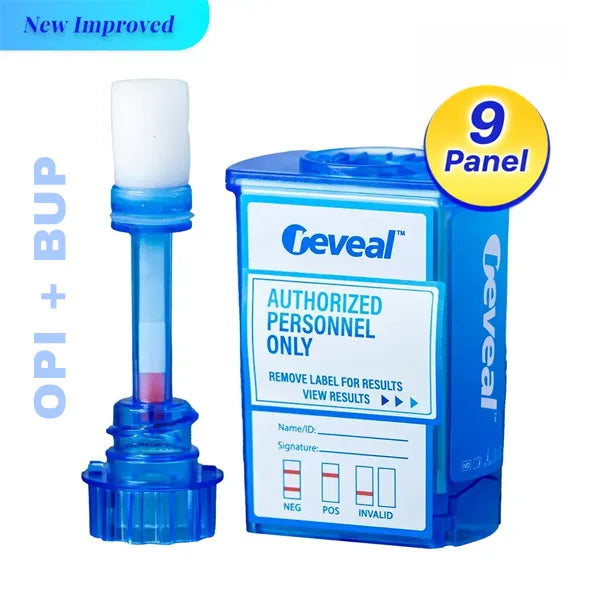
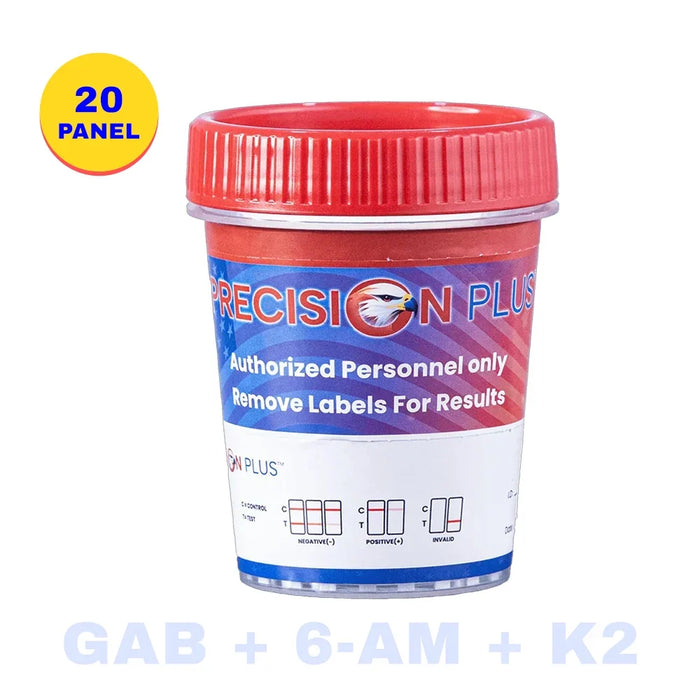
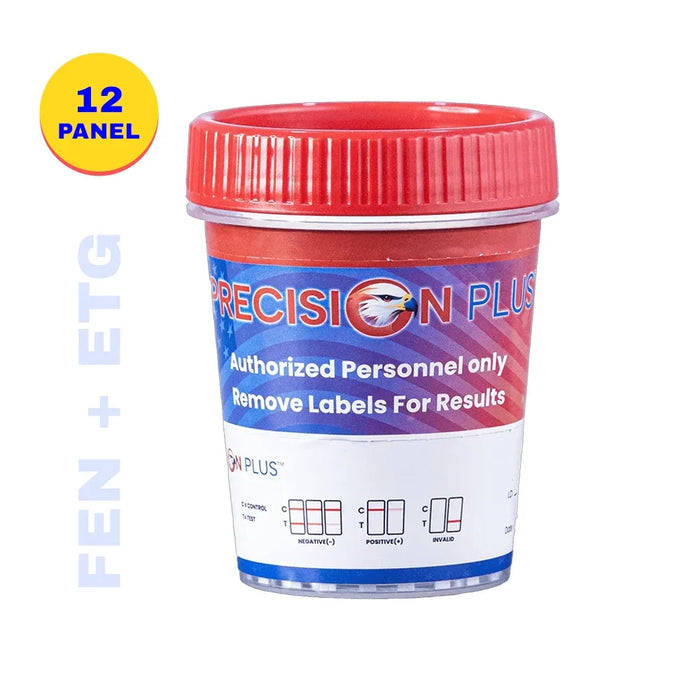
For the non-DOT side, ASC supplies drug test cups in multi-panel formats for clinics, staffing firms and employers. Every positive screen is preliminary and must be confirmed by GC/MS or LC-MS/MS laboratory testing before action. For volume, program design or distributor questions, contact American Screening Corp.
What about alcohol testing?
DOT alcohol tests require an evidential breath testing device and a trained breath alcohol technician. Under Part 40, a result of 0.02 or greater requires action, and 0.04 or greater is a violation. Do not use a consumer breathalyzer for DOT purposes.
What do carriers get wrong most often?
In our conversations with employers and administrators, the common gaps are three. Pools are not updated after hires and terminations, selections are bunched near year-end, and non-DOT screening is confused with DOT testing. Fixing these three issues removes most audit risk.
Frequently asked questions
What is the random drug testing rate for trucking companies?
As of January 2025, FMCSA's minimum annual random rate is 50% of driver positions for drugs and 10% for alcohol. Confirm the current rate each year in the Federal Register notice.
Can a carrier use instant test cups for DOT random tests?
No. DOT-mandated tests require the Part 40 process: a federal CCF, an HHS-certified laboratory and Medical Review Officer verification. Instant cups suit non-DOT policy testing only.
Can the same driver be selected twice in a year?
Yes. Each selection gives every driver an equal chance, so a driver tested earlier can be chosen again. Excluding previously tested drivers is not permitted.
Do small carriers need a consortium?
Owner-operators and small fleets generally join a consortium or third-party administrator to enter a random pool. Part 382 still applies to them, so confirm your obligations with your administrator.
Sources
- U.S. DOT ODAPC: 49 CFR Part 40
- eCFR: 49 CFR Part 40, Procedures for Transportation Workplace Drug and Alcohol Testing Programs
- FMCSA: Drug and Alcohol Testing
This article is general information, not legal or medical advice.