Quick answer: A normal breathalyzer reading for a person who has not consumed alcohol is 0.00% blood alcohol concentration (BAC). The standard legal driving limit is 0.08% in most states. Under 49 CFR Part 382, commercial drivers may not perform safety-sensitive work at 0.04% or higher. American Screening Corp supplies alcohol and drug testing products to buyers who apply these thresholds.
- Normal (no alcohol): 0.00% BAC. Small non-zero readings can occur and should be retested.
- Key thresholds: 0.02% (DOT action level), 0.04% (DOT violation), 0.08% (general driving limit in most states).
- A breath screen shows current alcohol only. Urine EtG screening covers a longer window, and positives are preliminary until confirmed.
What is a normal breathalyzer reading?
A normal reading is 0.00% BAC. This means the device detects no ethanol in deep-lung breath air. BAC is the grams of alcohol per 100 milliliters of blood, estimated from breath.
Need drug tests for your clinic, program or workplace?
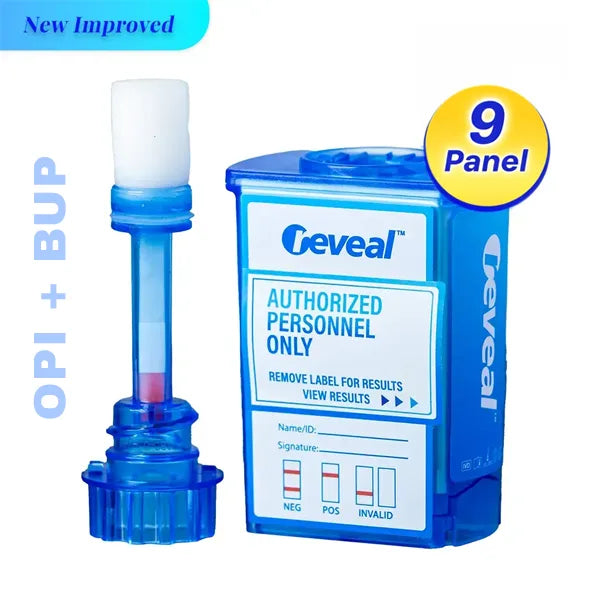
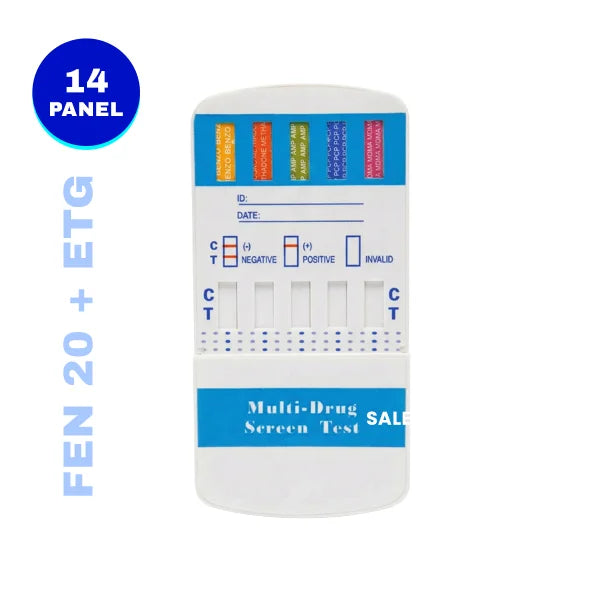
American Screening Corp has supplied FDA-cleared, CLIA-waived tests at wholesale pricing since 2004. Popular options:
Ordering 100+ tests? Request volume pricing.
Most workplace policies treat any result below the policy cutoff as negative. Your written policy should name the cutoff, the device type, and the retest procedure.
What do the common BAC thresholds mean?
Thresholds differ by who is being tested. The table below summarizes the figures buyers ask about most.
| BAC | Setting | What it means |
|---|---|---|
| 0.00% | All | No alcohol detected. Normal result. |
| 0.02% to 0.039% | DOT-regulated employees | Employee must be removed from safety-sensitive duty for a period set by 49 CFR 382.505. Confirmation testing applies under 49 CFR Part 40. |
| 0.04% or higher | DOT-regulated employees | Confirmed result is an alcohol violation under 49 CFR Part 40. |
| 0.08% | General drivers, most states | Per se legal limit. Utah's limit is 0.05% under state law. |
| 0.02% (varies) | Drivers under 21 | Many states set zero-tolerance limits. Check the state statute by name. |
Source for DOT figures: U.S. Department of Transportation, Office of Drug and Alcohol Policy and Compliance, and 49 CFR Part 40 (eCFR).
Can a sober person read above 0.00%?
Yes, in limited cases. Mouth alcohol from mouthwash, certain medications, or recent use of some products can cause a brief false reading. This is why procedures require a waiting period, usually 15 minutes, before a test and a second confirmation test for DOT-regulated work.
Never rely on a single consumer-grade reading for an employment or court decision. Use a device that meets your program's requirements and follow its instructions.
How long does alcohol show on a breath test?
Breath testing detects alcohol currently in the body. The body clears alcohol at a rate that varies by person, so there is no single reliable time. A positive breath result means recent drinking, not necessarily impairment level.
For a longer lookback, programs use urine EtG (ethyl glucuronide) screening. SAMHSA's advisory on EtG testing notes that EtG can be detected for up to about 80 hours after heavy drinking, and that common cutoff levels are 100, 500 and 1,000 ng/mL. A positive EtG screen is preliminary; confirm by GC/MS or LC-MS/MS laboratory testing. EtG also cannot show how much someone drank or whether they were impaired.
Which test fits which buyer?
Employers and staffing firms
Use breath testing for reasonable-suspicion and post-incident checks where policy allows. Pair it with a drug screen using our drug test cups when your policy covers both. Staffing firms that also screen candidates can add employment checks through Reveal Background.
Treatment centers and probation
Breath tests verify same-day abstinence. EtG urine screens verify abstinence across several days. Many programs run both.
DOT-regulated employers
DOT alcohol testing must use evidential breath testing devices listed on the National Highway Traffic Safety Administration conforming products list, operated by a trained technician under 49 CFR Part 40. Screening-only devices do not meet that requirement.
Checklist: running a defensible breath alcohol program
- Write the policy: cutoff, who is tested, when, and consequences.
- Choose a device that meets your regulatory need (DOT or non-DOT).
- Confirm FDA and CLIA status on the specific product record where it applies. Do not assume.
- Observe the 15-minute waiting period before testing.
- Retest to confirm any positive result.
- Record device, operator, time and result.
- Keep results confidential and limited to those who need them.
- Review the program with counsel annually.
Questions about matching a product to your program? Contact American Screening Corp for wholesale supply and lab confirmation options.
FAQ
What is a normal breathalyzer reading?
A normal reading is 0.00% BAC, meaning no alcohol is detected. Readings should be confirmed with a second test if a small amount appears.
What BAC is the legal limit?
The limit is 0.08% for most drivers in every state except Utah, which uses 0.05%. Commercial drivers face 0.04% under federal rules.
What breathalyzer reading triggers DOT action?
A confirmed result of 0.02% or higher removes a DOT-covered employee from safety-sensitive duty. A confirmed 0.04% or higher is a violation under 49 CFR Part 40.
How long can alcohol be detected?
Breath shows current alcohol only. Urine EtG can detect alcohol use for up to about 80 hours after heavy drinking, per SAMHSA, and positives need laboratory confirmation.
Sources
- U.S. DOT Office of Drug and Alcohol Policy and Compliance
- 49 CFR Part 40, Procedures for Transportation Workplace Drug and Alcohol Testing Programs (eCFR)
- NHTSA, Drunk Driving
This article is general information, not legal or medical advice.