Merchant mariners who hold a Merchant Mariner Credential, or MMC, work under one of the oldest federally mandated drug testing programs in the country. The Coast Guard's chemical testing regulations apply to a wide range of vessel types, from inspected ferries to uninspected towing vessels, layered on top of the Department of Transportation testing framework used across every DOT regulated transportation mode. This article explains who is covered, what triggers a test, which drugs the laboratory looks for, and what happens to a credential when a test is failed or refused.
The Two Regulations That Govern Mariner Testing
Coast Guard chemical testing sits in two places in the federal code. The program specific rules, including who must be tested and when, are at 46 CFR Part 16, Chemical Testing. The laboratory procedures, specimen collection chain of custody, cutoff concentrations, and medical review officer process are set by the Department of Transportation at 49 CFR Part 40, which every DOT mode, including the Coast Guard, is required to use. A marine employer cannot substitute its own cutoffs or its own collection procedure for the ones in Part 40.
Part 16 defines a dangerous drug by reference to the Controlled Substances Act and defines a marine employer broadly as the owner, managing operator, charterer, agent, master, or person in charge of a covered vessel other than a recreational vessel. Its stated purpose is to minimize the use of intoxicants by merchant marine personnel and promote a drug free, safe work environment.
Who Must Be Tested
Coverage is not limited to officers on large ships. Under 46 CFR 16.230, marine employers must run random testing for crewmembers on inspected vessels who occupy a position required by the vessel's Certificate of Inspection, who serve as patrolmen or watchmen, or who are assigned to warn, muster, or control passengers during an emergency. That reaches passenger ferries directly. The same section separately requires random testing on uninspected vessels for crewmembers required by law to hold a Coast Guard credential, who perform duties directly related to safe operation of the vessel, or who perform patrolman, watchman, or passenger safety duties. That second category is how towing vessels, typically uninspected but with a wheelhouse crew holding a towing officer credential, fall under the same random testing duty as an inspected ferry.
Coverage turns on the position and duties, not on vessel size or route, so the same framework reaches tugboat deckhands, towing vessel masters and mates, ferry captains, tankermen, and engine department crew serving under a credential. Our related post on ferry captain drug testing requirements covers the passenger vessel side of this coverage in more detail.
The Test Events
Part 16 sets out several distinct testing events, each with its own trigger.
| Test event | What triggers it | Primary citation |
|---|---|---|
| Pre employment | Before engaging or employing any individual as a crewmember, unless a recent passing test or an active random pool qualifies for a waiver | 46 CFR Part 16, Subpart B |
| Periodic | Original issuance, raise of grade, or renewal of an MMC or officer endorsement, and certain Able Seafarer, Lifeboat Operator, QMED, or tank vessel endorsements | 46 CFR 16.220 |
| Random | Scientifically valid random selection of covered crewmembers at the Coast Guard minimum annual rate | 46 CFR 16.230 |
| Reasonable cause | Specific, contemporaneous observations by a trained supervisor of behavior, speech, or appearance consistent with drug use | 46 CFR Part 16, Subpart C |
| Post casualty (serious marine incident) | A marine casualty, oil discharge, or hazardous substance release that meets the definition of a serious marine incident | 46 CFR 4.03-2 and 46 CFR 4.06-1 |
Random Testing and the Coast Guard Minimum Rate
The baseline minimum annual percentage rate for random drug testing set in the regulation is 50 percent of covered crewmembers. The Coast Guard reviews the industry wide positive rate reported under the management information system each year and publishes any rate change in the Federal Register, effective the following calendar year, so an employer should confirm the current published rate rather than assume it stays fixed. The rate setting mechanism, including the conditions under which the rate can move between 50 percent and a lower 25 percent floor, is at 46 CFR 16.230, cited above, and annual rate notices are published through the Federal Register's Coast Guard agency page.
Selection must use a scientifically valid method, such as a random number generator matched to identifying numbers, so every covered crewmember has an equal chance of selection each time the pool is drawn, continuing throughout employment. Marine employers may run the program themselves or use a sponsoring organization or contractor, often called a consortium, to administer it.
Post Casualty Testing After a Serious Marine Incident
A serious marine incident is a defined term, not a judgment call left entirely to the vessel operator. Under 46 CFR 4.03-2, it generally covers a reportable marine casualty involving a death, an injury requiring professional medical treatment beyond first aid that leaves the person unfit for routine duties, property damage above a set dollar threshold, an actual or constructive total loss of certain vessels, or specified discharges of oil or hazardous substances. When a marine employer determines in good faith that an event is, or is likely to become, a serious marine incident, 46 CFR 4.06-3 requires chemical testing of each individual directly involved. The employer decides who was directly involved, though a law enforcement officer can identify additional individuals who must also be tested, and personnel needed for immediate safety response are not pulled from those duties just because they are awaiting a test.
The Testing Panel: DOT Five Panel With Expanded Opiates
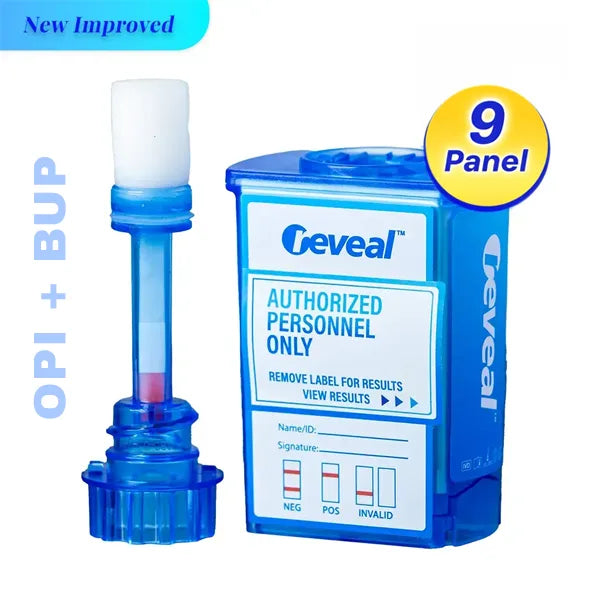
Mariners are tested under the same federal urine testing panel used across all DOT regulated transportation. The analytes, and the initial and confirmatory cutoff concentrations certified laboratories must use, are set out in 49 CFR 40.85. The panel covers marijuana metabolites, cocaine metabolite, phencyclidine, amphetamines and methamphetamine, and opiates. The opiate analytes were expanded to include hydrocodone, hydromorphone, oxycodone, and oxymorphone in addition to codeine and morphine, which is why this panel is often called the five panel with expanded opiates rather than the older four drug class description. Every non negative screening result goes to confirmatory testing by gas chromatography mass spectrometry or liquid chromatography tandem mass spectrometry before it can ever be reported as a verified positive.
A screening immunoassay is a fast test built to react with an entire drug class, not a final determination. A laboratory only reports a verified positive after confirmation testing identifies the specific molecule at or above the regulatory cutoff, and even then the result goes to a medical review officer, a licensed physician described in 49 CFR Part 40, Subpart G, who reviews the lab result and any legitimate medical explanation, such as a current prescription, before reporting it to the employer. A mariner with a valid prescription for a confirmed medication should expect the MRO process to address it, not a marine employer acting on a lab result alone.
Credential Consequences
A failed or refused chemical test does not stay inside the drug testing program. It can become the basis for a Coast Guard suspension and revocation proceeding against the mariner's credential. 46 CFR 5.35 addresses complaints alleging conviction for a dangerous drug law violation, use of dangerous drugs, or addiction to the use of dangerous drugs as grounds for action against a credential, tracking the statutory basis in title 46 of the United States Code. The suspension and revocation process, including notice, hearing rights, and outcomes ranging from a written warning to revocation, is governed by 46 CFR Part 5. A verified positive or a refusal to test can also affect whether a mariner qualifies for the waiver that lets a recent passing result or active random pool participation substitute for a new pre employment or periodic test.
Employer and Consortium Duties
Marine employers carry obligations beyond scheduling the test. They must provide an Employee Assistance Program covering education and supervisor training on drug use, as required by 46 CFR Part 16, Subpart D. They must collect and report program data, including positive and refusal results, through the management information system at 46 CFR 16.500, which is also the data source behind any adjustment to the random testing rate. Employers may use a consortium or third party administrator to run collection, laboratory, and MRO logistics, but the employer stays responsible for compliance even when a service agent handles the day to day administration. Related coverage of what maritime employers generally must run is in our post on Coast Guard drug testing requirements for maritime employers.
Frequently asked questions
Do all merchant mariners get tested the same way?
The event triggers are the same framework, but coverage depends on the vessel type and position. Inspected vessel positions required by the Certificate of Inspection and certain uninspected vessel positions that require a Coast Guard credential or safety related duties are both covered under 46 CFR 16.230, though the specific language describing coverage differs between the two vessel categories.
What is the Coast Guard minimum random testing rate right now?
The regulation sets a baseline of 50 percent of covered crewmembers annually, with a mechanism to lower it to 25 percent if industry wide positive rates stay low for two consecutive years, and to raise it back to 50 percent if the positive rate rises again. Any change is published in the Federal Register and takes effect the following January, so employers should check the current published rate rather than assume it is fixed.
What drugs does the DOT panel test for?
Marijuana metabolites, cocaine metabolite, phencyclidine, amphetamines and methamphetamine, and opiates, with the opiate group expanded to include hydrocodone, hydromorphone, oxycodone, and oxymorphone along with codeine and morphine, as listed in 49 CFR 40.85.
What happens after a serious marine incident?
The marine employer must make a timely, good faith determination of whether the event meets the definition of a serious marine incident and, if it does, take all practicable steps to have each individual directly involved chemically tested, as required by 46 CFR 4.06-1 and 4.06-3.
Can a failed test affect a Merchant Mariner Credential?
Yes. A verified positive result or a refusal to test can become the basis for a Coast Guard suspension and revocation proceeding against the credential under 46 CFR Part 5, including 46 CFR 5.35.
Who reviews a non negative lab result before an employer sees it?
A medical review officer, a licensed physician who reviews the confirmed laboratory result and any legitimate medical explanation under the process set out in 49 CFR Part 40, Subpart G, before the result is reported to the employer.
Marine employers and consortiums building a compliant collection program can review American Screening Corporation's DOT five panel drug test cups for routine pre employment, periodic, random, reasonable cause, and post casualty collections.
This article is general information, not legal or medical advice. Marine employers should confirm current testing rates, consortium obligations, and credential consequences with qualified counsel and their Coast Guard approved service agents.