Quick answer: Drug testing companies handle adulterated specimens by checking temperature at collection, then running validity tests for creatinine, specific gravity, pH and oxidants. Results are reported as adulterated, substituted, dilute or invalid under HHS and 49 CFR Part 40 criteria. American Screening Corp supplies FDA-cleared, CLIA-waived cups; any preliminary result needs GC/MS or LC-MS/MS confirmation.
- Specimen validity testing is separate from drug testing. It asks whether the urine is real, unaltered human urine.
- Federal criteria define each category by numeric cutoffs, so reporting is consistent from one program to the next.
- Every positive screen is preliminary. Confirm it by GC/MS or LC-MS/MS laboratory testing before any action.
What is an adulterated specimen?
An adulterated specimen is a urine sample that contains a substance not normally found in human urine, or a normal substance at an abnormal concentration, in a way that can interfere with testing. Common examples are oxidizing agents and extreme pH values.
Need drug tests for your clinic, program or workplace?
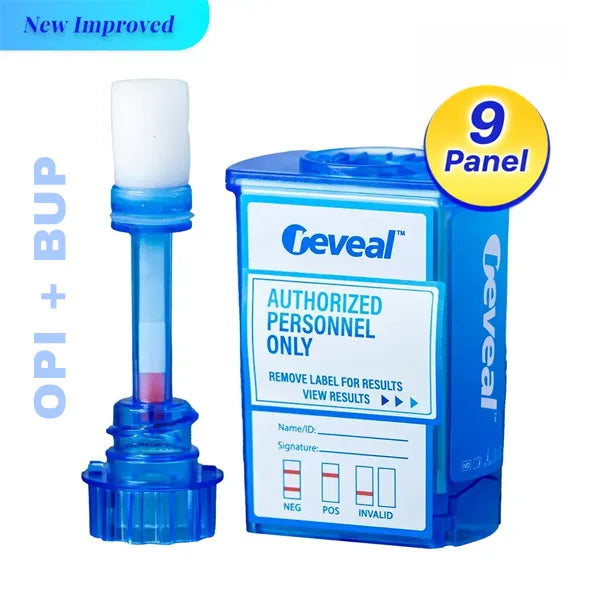
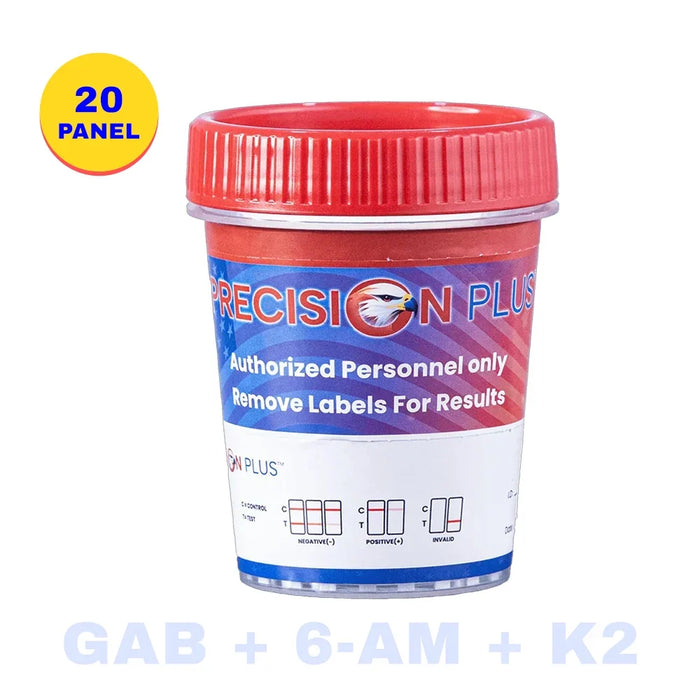
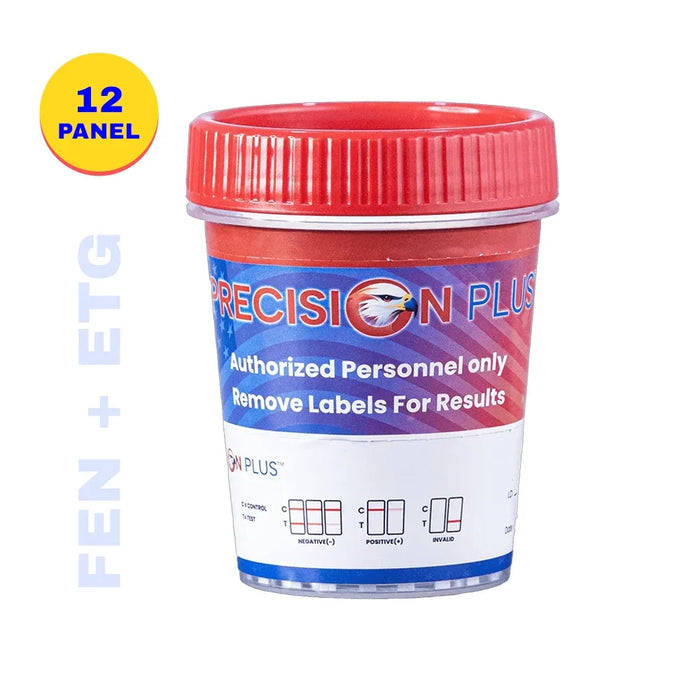
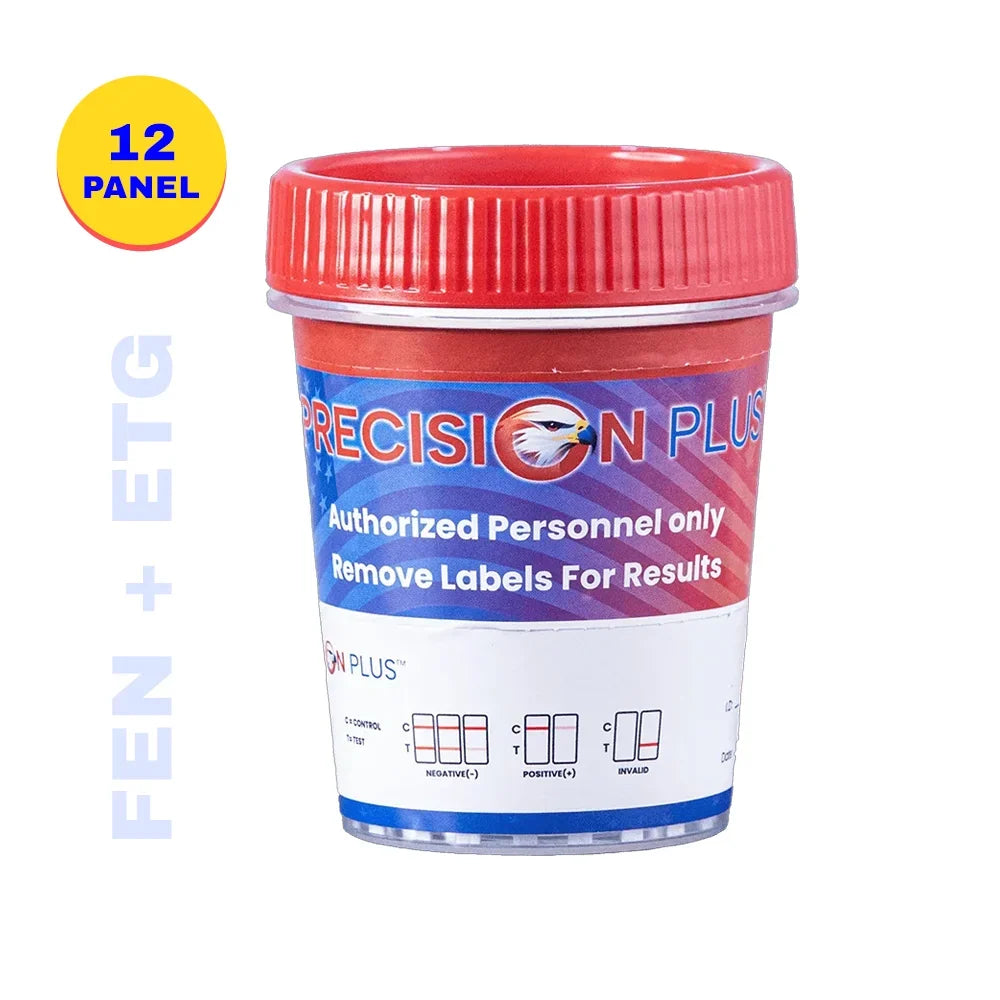
American Screening Corp has supplied FDA-cleared, CLIA-waived tests at wholesale pricing since 2004. Popular options:
Ordering 100+ tests? Request volume pricing.
This is different from a substituted specimen, which is not consistent with human urine at all. Programs treat the two categories differently in reporting, so the distinction matters in policy and in records.
How is a suspect specimen caught at the collection site?
The first control is temperature. Under 49 CFR Part 40 (Section 40.65), the collector checks the temperature within 4 minutes of the void. The acceptable range is 90 to 100 degrees Fahrenheit, as of the current eCFR text.
The collector also looks at color and signs of tampering. If the temperature is out of range or the sample looks suspect, DOT-regulated programs require a second, directly observed collection. Non-DOT programs should set the same rule in written policy.
Collection-site checklist
- Secure the restroom and remove sources of water or other substances.
- Record the temperature within 4 minutes and note it on the form.
- Inspect the specimen for color, odor and foreign material.
- Document any irregularity in writing at the time it occurs.
- Keep chain of custody unbroken from donor to lab.
- Escalate to a recollection or observed collection per your written policy.
What validity tests do labs run?
HHS-certified laboratories test creatinine, specific gravity and pH on every specimen. They test for oxidants such as nitrite when indicated. The HHS Mandatory Guidelines and 49 CFR Part 40 (Section 40.93) set the criteria, as of the current published versions.
| Result | Typical criterion | What it means |
|---|---|---|
| Dilute | Creatinine at least 2 mg/dL but under 20 mg/dL, with specific gravity above 1.0010 and below 1.0030 | Urine is real but watered down. Programs usually recollect per policy. |
| Substituted | Creatinine under 2 mg/dL and specific gravity of 1.0010 or less, or 1.0200 or more | Not consistent with normal human urine. |
| Adulterated | pH under 4 or 11 and above, or a confirmed oxidant or other foreign substance | A substance was present that interferes with testing. |
| Invalid | Interference or inconsistent results that prevent a valid result | No conclusion on the drug result. Recollect per policy. |
Always check the current regulation text before you apply these numbers in a written policy. Criteria are revised periodically.
What can on-site cups and dip cards tell you?
Many on-site drug test cups include built-in validity strips. These strips typically read creatinine, pH, specific gravity, oxidants or nitrite, so staff see a possible problem within minutes. A drug test dip card screens drugs only, so you need a separate way to check validity.
Federal-style cutoffs for common panels include THC at 50 ng/mL, cocaine metabolite at 150 to 300 ng/mL, amphetamines at 500 to 1,000 ng/mL, and PCP at 25 ng/mL. Check the package insert for the exact cutoffs on your device. ASC supplies FDA-cleared, CLIA-waived urine tests, and each insert states its cutoffs and reading steps.
An on-site validity strip is a screen. A questionable strip result is a reason to follow your policy and, where appropriate, send the specimen to a laboratory.
What happens after a specimen is flagged?
- The collector documents the finding and follows the written policy for recollection or observed collection.
- The specimen goes to the laboratory with intact chain of custody for full validity testing.
- The lab reports the category: dilute, substituted, adulterated or invalid.
- A medical review officer or a designated reviewer evaluates the report. DOT programs require an MRO under Part 40.
- The program acts according to its policy and applicable law.
A dilute result is not a refusal by itself, and an invalid result is not a positive. Do not treat either as a positive drug test. Confirmed positives require GC/MS or LC-MS/MS.
Decision guide for buyers
- Treatment centers and clinics: choose cups with validity strips and write a recollection rule into your intake protocol.
- Courts and probation: use observed collection where your rules allow, and send disputed results to a lab.
- Employers and staffing firms: put your policy in writing and apply it the same way to every donor. For hiring screens, pair testing with a background check from Reveal Background.
For help matching devices, validity strips and lab confirmation to your program, contact the ASC team in Shreveport, Louisiana. Orders ship the same day nationwide.
Frequently asked questions
What is the difference between adulterated and substituted?
Adulterated urine contains a foreign substance or abnormal pH or oxidant level. Substituted urine does not match normal human urine, with creatinine under 2 mg/dL and extreme specific gravity. Both are reported separately under federal criteria.
Does a dilute specimen count as a failed test?
No. A dilute result means the urine is real but watered down, and it is not a positive. Programs usually apply their written policy, which often calls for a recollection.
Can an on-site cup confirm adulteration?
No. Validity strips are screens that flag a possible problem. A laboratory using HHS criteria confirms the category, and any positive drug result needs GC/MS or LC-MS/MS confirmation.
What temperature range is acceptable for a urine specimen?
Under 49 CFR Part 40 (Section 40.65), the specimen temperature should read 90 to 100 degrees Fahrenheit when checked within 4 minutes of collection. Readings outside that range trigger a further collection step.
Sources
- SAMHSA: Mandatory Guidelines for Federal Workplace Drug Testing Programs
- eCFR: 49 CFR Part 40, Procedures for Transportation Workplace Drug and Alcohol Testing Programs
- U.S. Department of Transportation: Office of Drug and Alcohol Policy and Compliance
This article is general information, not legal or medical advice.