
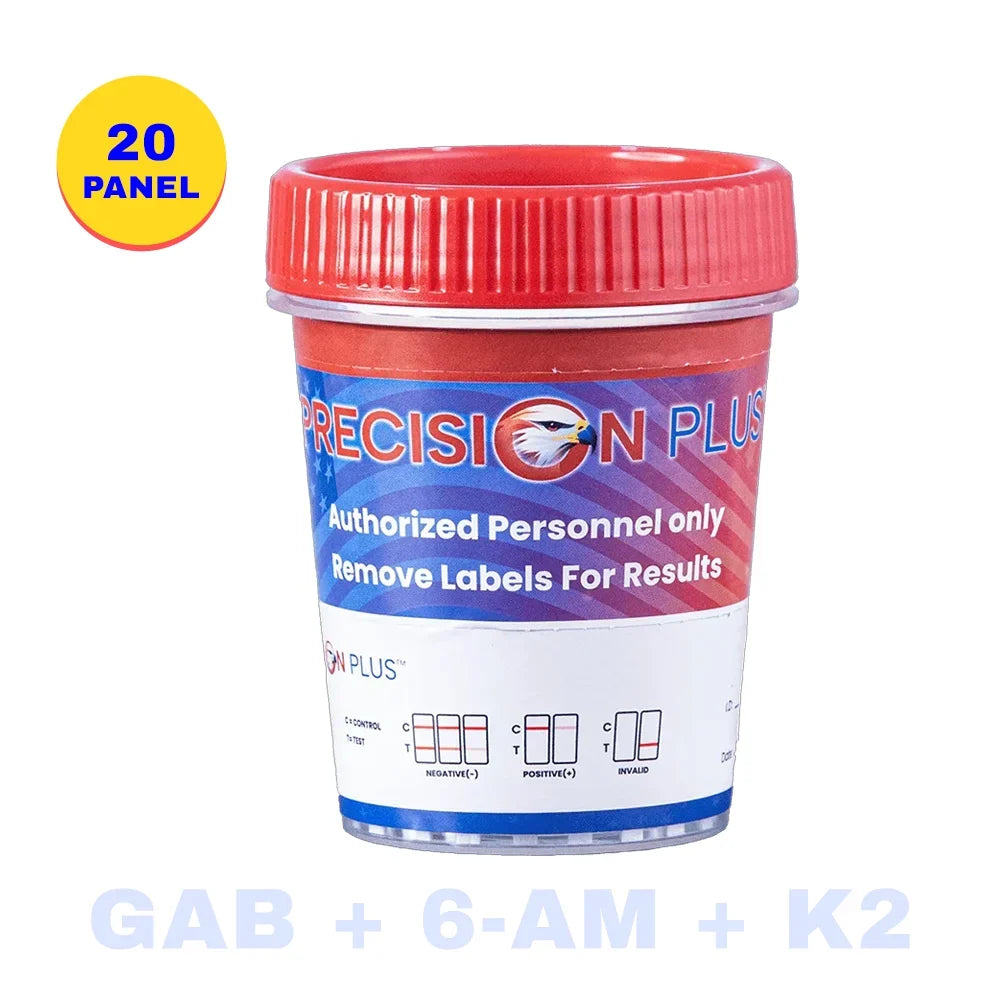
Quick answer: Collection sites buy drug test cups in bulk by choosing the panel and cutoffs they need, confirming each cup is FDA-cleared and CLIA-waived, then ordering by the case from a wholesale supplier such as American Screening Corp. Every positive is preliminary and must be confirmed by GC/MS or LC-MS/MS laboratory testing.
- Match the panel and cutoff levels (ng/mL) to your program before you compare per-unit cost.
- Verify FDA clearance, CLIA-waived status and lot expiration dates for every cup you stock.
- Plan reorders around monthly volume, shelf life and storage space, and keep a lab-confirmation pathway for positives.
What do collection sites need to decide before ordering?
Decide four things first: the panel, the cutoffs, the regulatory setting and the monthly volume. These determine which cups you can legally and practically use.
Need drug tests for your clinic, program or workplace?
American Screening Corp has supplied FDA-cleared, CLIA-waived tests at wholesale pricing since 2004. Popular options:
Ordering 100+ tests? Request volume pricing.
A urine drug test cup is a single-use device that screens urine for drugs or drug metabolites with an immunoassay. It gives a preliminary result only, usually within about five minutes. American Screening Corp supplies these in wholesale drug test cups from 5-panel to 18-panel configurations.
Which panel fits which buyer?
- Employers and staffing firms: commonly 5- to 10-panel cups matched to the written company policy.
- Treatment centers and clinics: often broader panels, including fentanyl and other opioids, for clinical monitoring.
- Courts and probation: panels set by the court order or supervision agency.
- DOT-regulated employers: the federal 5-drug panel, processed under 49 CFR Part 40 (see below).
What do the cutoff levels mean?
A cutoff is the concentration, in ng/mL, at or above which a sample reads presumptive positive. The HHS Mandatory Guidelines for urine, published by SAMHSA, list initial test cutoffs that many programs use as a reference. Examples as of 2026 include marijuana metabolite (THCA) at 50 ng/mL, cocaine metabolite at 150 ng/mL, phencyclidine at 25 ng/mL, amphetamines at 500 ng/mL, and 6-acetylmorphine at 10 ng/mL (SAMHSA, Mandatory Guidelines for Federal Workplace Drug Testing Programs).
Detection windows depend on the drug, dose, frequency of use and individual metabolism. Many substances are detectable in urine for roughly one to three days after use, and regular cannabis use can extend that window. Always confirm the exact cutoffs printed on the product insert for the cup you buy.
Is the cup FDA-cleared and CLIA-waived?
For non-regulated testing, buy cups that are FDA-cleared and CLIA-waived. CLIA-waived tests are simple enough for point-of-collection use, and the CDC publishes the CLIA program rules for waived testing (CDC, Clinical Laboratory Improvement Amendments). Ask your supplier for the 510(k) and waiver documentation for each product, and keep it in your files.
Do DOT collections follow different rules?
Yes. Under 49 CFR Part 40, DOT-regulated testing uses a federal Custody and Control Form, specific collection procedures and HHS-certified laboratories. A point-of-collection cup does not replace that process. Use DOT-compliant collection kits for regulated work, and use cups for non-DOT programs as your policy allows (U.S. DOT, Office of Drug and Alcohol Policy and Compliance, Part 40).
How do you compare bulk buying options?
| Option | Best for | What to verify |
|---|---|---|
| Standard case orders | Steady, predictable volume | Panel, cutoffs, expiration dates |
| Standing reorder schedule | Multi-site clinics and staffing firms | Storage space, shelf life, lot tracking |
| Mixed panel orders | Programs with different client policies | Labeling and separate storage by panel |
| Private label | Distributors and larger programs | Minimums, lead time, regulatory documentation |
Dip cards are a lower-bulk alternative when you want a compact format. See our wholesale team to discuss formats, volumes and quotes. We do not publish prices here because they depend on panel and quantity.
Bulk buying checklist
- Write down the panel, drug classes and cutoffs required by your policy, contract or court order.
- Confirm FDA clearance and CLIA-waived status on the product documentation.
- Check lot numbers and expiration dates on arrival, and rotate stock first-in, first-out.
- Store cups per the insert, typically at room temperature and away from heat and direct sun.
- Estimate monthly tests, add a buffer for repeats, and set a reorder point.
- Choose a lab for confirmation of every preliminary positive (GC/MS or LC-MS/MS).
- Train collectors on the result-reading steps, temperature check and chain-of-custody documentation.
- Ask about same-day shipping so a stockout does not halt collections.
How do you read a result and handle a positive?
- Check the specimen temperature and the cup's validity indicators, if present, within the time stated on the insert.
- Wait the stated read time, then read the result window. A line in a drug region generally means negative for that drug.
- Record the result and the lot number.
- Treat any non-negative result as preliminary and send the specimen for laboratory confirmation by GC/MS or LC-MS/MS.
If your hiring process also needs screening beyond drug tests, our sister division Reveal Background handles employment background checks.
FAQ
How do collection sites buy drug test cups in bulk?
They define the panel and cutoffs, verify FDA clearance and CLIA-waived status, then order by the case from a wholesale supplier. Many set a reorder schedule based on monthly volume and shelf life.
Are bulk drug test cups FDA-cleared and CLIA-waived?
Cups sold for point-of-collection use should be FDA-cleared and CLIA-waived. Request the documentation for each product and lot before stocking it.
Can a bulk-bought cup be used for DOT testing?
No. DOT-regulated tests follow 49 CFR Part 40, with a federal custody and control form and an HHS-certified laboratory. Cups suit non-DOT programs.
What happens after a positive cup result?
The result is preliminary. Send the specimen for confirmation by GC/MS or LC-MS/MS laboratory testing before any decision is made.
Sources
- SAMHSA: Workplace Drug Testing and the HHS Mandatory Guidelines
- U.S. DOT ODAPC: 49 CFR Part 40
- CDC: Clinical Laboratory Improvement Amendments (CLIA)
This article is general information, not legal or medical advice.


