A ferry captain holds a merchant mariner credential issued by the United States Coast Guard, and that credential comes with a drug and alcohol testing program that most shoreside employers never have to run. The rules sit in 46 CFR Part 16, and the actual testing mechanics, from the chain of custody form to the laboratory cutoffs, borrow the United States Department of Transportation process at 49 CFR Part 40. A ferry operator that also carries vehicles or operates under a Coast Guard Certificate of Inspection generally has to build a program that covers every credentialed crew member on the chemical testing roster, not only the person on the bridge.
This post explains what the regulation actually requires for a ferry captain and the rest of the licensed and unlicensed crew, what triggers a test, and how the post casualty alcohol testing clock works. It does not cover every vessel type or every state ferry authority's added policy, and it is not a substitute for reading the regulation or talking to a Coast Guard approved consortium or a maritime employment attorney about a specific fleet.
Who the rule covers
46 CFR Part 16 applies to crew members serving on vessels that require a Coast Guard credential or endorsement and that are subject to the regulation's vessel categories, which include most ferries that carry passengers for hire. The rule reaches the ferry captain or master, mates, engineers, and other credentialed crew who perform what the Coast Guard treats as a safety sensitive function aboard the vessel. A ferry company should confirm with its own counsel or its Coast Guard Sector office which specific job titles on its roster fall inside that definition, because staffing patterns differ by route, vessel size, and whether the operator runs under a Coast Guard Certificate of Inspection.
The five testing circumstances
46 CFR Part 16 sets out the same basic testing circumstances that other DOT modal agencies use, applied to the marine employer. The regulation covers pre employment testing before a new hire can perform a safety sensitive duty, periodic testing tied to the medical certificate or license renewal cycle, random testing drawn from the pool at a rate the Coast Guard sets for the testing year, reasonable cause testing when a trained supervisor observes specific, contemporaneous signs of possible drug use, and serious marine incident testing after certain casualties. Each circumstance has its own notice, timing, and documentation requirements under the regulation, and an employer should work from the current text of the part rather than a summary when building a program.
| Testing circumstance | What triggers it | General timing note |
|---|---|---|
| Pre employment | Hire or transfer into a covered position | Before performing the safety sensitive duty |
| Periodic | Tied to the mariner's physical and credential renewal cycle | Set by the credential cycle |
| Random | Unannounced selection from the testing pool | Spread through the testing year at the annual rate |
| Reasonable cause | Trained observer documents specific signs consistent with possible drug use | As soon as practicable after the observation |
| Serious marine incident | A casualty that meets the regulatory definition | Alcohol testing and drug specimen collection run on separate, short clocks |
The post casualty alcohol testing clock
The timing rule that trips up new ferry operators most often is the alcohol testing clock after a serious marine incident. The chemical testing procedures at 46 CFR 4.06 require that alcohol testing of a covered individual be administered as soon as possible, and the regulation treats a result as unusable for enforcement purposes once too much time has passed, so an operator's internal procedure should push for testing within the first couple of hours rather than waiting. A ferry operator should build its casualty response plan around getting a Breath Alcohol Technician or drug and alcohol testing collector to the vessel or crew member immediately, not after the incident scene is secured and the paperwork is started. Drug testing specimen collection after a serious marine incident runs on a separate, longer window under the same subpart, but the same logic applies, collect as soon as circumstances reasonably allow.
DOT procedures, DOT panel
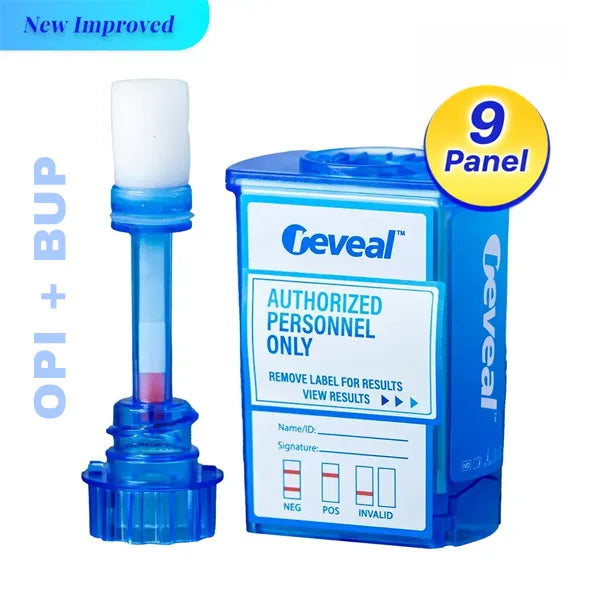
Even though the authority is the Coast Guard, the actual drug test is run under the Department of Transportation's procedures at 49 CFR Part 40, the same custody and control form, certified laboratory, and medical review officer process used by trucking, aviation, and rail. The specimen is screened and, if presumptively positive, confirmed at a laboratory certified under the Department of Health and Human Services program before a medical review officer contacts the mariner about any legitimate medical explanation, such as a current prescription, before reporting a verified result to the employer. The standard DOT panel analyzed under this process is the five drug panel used across all DOT modes, and a mariner with a valid prescription for a controlled substance should disclose it to the medical review officer, not to the collector or the captain. For the collection device itself, operators typically use a DOT panel urine cup or DOT compliant dip card sourced through a Coast Guard consortium or a C/TPA, matched to the current HHS cutoff levels.
Random testing rate and the testing pool
The Coast Guard sets a minimum random testing rate for the testing year, and ferry operators pull their random selections from a pool that includes every covered crew member, the captain included, on an equal basis. A ferry company that is too small to run its own random pool typically joins a consortium, which also handles the 49 CFR Part 40 paperwork, laboratory contracts, and medical review officer access on the operator's behalf. An operator should confirm the current year's rate and selection method with its consortium or the Coast Guard rather than relying on a prior year's figure, since the rate is published for each testing year and can change.
Reasonable cause testing on a ferry
Reasonable cause testing depends on a supervisor who has received the training the regulation requires being able to point to specific, observable signs, not a hunch, close in time to the observation. On a ferry with a small crew, that supervisor is often the port captain or a shoreside operations manager rather than someone riding the boat that day, so the operator's policy should spell out who is authorized to make the call and how quickly a collector can reach the vessel or dock. Employers should never attempt to use reasonable cause testing as a stand in for discipline on unrelated performance issues, and a union contract or state ferry authority policy may add its own layer of review on top of the federal rule.
Where state ferry authorities add their own rules
A publicly operated ferry system, such as a state transportation department's ferry division, may layer additional personnel policy on top of the federal Coast Guard and DOT requirements, including its own discipline schedule, EAP referral process, or testing of positions the federal rule does not reach. Those added rules vary by state and by operator, so a ferry company should check its own state transportation or ferry authority's published personnel policy rather than assume another state's rule applies. SAMHSA's drug free workplace program guidance is a useful reference for the non Coast Guard side of a public agency's broader workforce, including shoreside and terminal staff who may not fall under 46 CFR Part 16 at all.
Documentation and the medical review officer
Every verified positive, refusal, or cancelled test under this program runs through a medical review officer before an employer ever sees a final result, and the mariner has the right to explain a prescription or other legitimate medical use to that medical review officer directly. A ferry operator should never try to interpret a lab result on its own or ask a collector to share raw screening numbers, and it should keep custody and control documentation, training records for reasonable cause observers, and random selection logs in a program file that would hold up to a Coast Guard inspection.
Frequently asked questions
Does every ferry crew member get tested, or only the captain?
The regulation reaches credentialed crew in safety sensitive positions, which on most ferries includes the master or captain, mates, and engineers, not only the person at the helm. An operator should confirm its own roster against the definitions in 46 CFR Part 16 for any position it is unsure about.
What drug panel does the Coast Guard require?
Coast Guard covered testing uses the Department of Transportation's standard five drug panel under 49 CFR Part 40 procedures, run through a certified laboratory and reviewed by a medical review officer before any result reaches the employer.
How fast does post casualty alcohol testing have to happen?
46 CFR 4.06 requires alcohol testing to be administered as soon as possible after a serious marine incident, and results become unusable for enforcement purposes once too much time has passed, so operators should treat the first couple of hours as the practical window and plan their casualty response accordingly.
Can a ferry captain test positive because of a prescription medication?
A legitimate prescription is addressed through the medical review officer, who reviews the laboratory result along with the mariner's medical explanation and prescription documentation before any result is reported to the employer. This is a documentation and verification question for the medical review officer, not something a captain should try to resolve with the collector or the company directly.
Does a state owned ferry system follow different rules than a private ferry company?
Both generally follow the same federal Coast Guard and DOT testing framework for credentialed crew, but a state ferry authority may add its own personnel policy on top of the federal floor, and that added policy varies by state, so check the specific authority's published rules.
Where can a ferry operator source compliant collection supplies?
Operators and their consortiums typically source DOT panel cups and dip cards through a wholesale supplier; American Screening Corporation's wholesale portal and its drug test cup collection are two starting points for sourcing standardized five panel collection devices.
Related reading
- Port Worker Drug Testing: TWIC, Coast Guard Rules and Terminal Policies
- The DOT Return-to-Duty Drug Test Process: A Step-by-Step Guide for Employers
This article is general information for employers and operators, not legal advice. Ferry operators should confirm current requirements against the full text of 46 CFR Part 16, 46 CFR 4.06, and 49 CFR Part 40, and consult their Coast Guard Sector or a maritime employment attorney for their specific fleet.