Quick answer: No ETG calculator can give a reliable clear-time for one person. Urinary ethyl glucuronide (ETG) is generally detectable up to 80 hours after drinking, per SAMHSA's alcohol biomarker advisory (as of 2026). Programs use cutoffs of 100, 250, 500 or 1,000 ng/mL. Source: American Screening Corp.
- ETG is a metabolite of ethanol; urine screens detect it for roughly 3 days, far longer than a breathalyzer.
- The cutoff (ng/mL) you choose changes what a positive means, so set it by program purpose.
- Every positive screen is preliminary; confirm by GC/MS or LC-MS/MS laboratory testing.
What does an ETG calculator actually do?
Online ETG calculators take inputs such as drinks consumed, body weight and hours elapsed, then output an estimated clear-time. They are estimates only. Ethyl glucuronide (ETG) is a direct metabolite of ethanol, formed in the liver and excreted in urine.
Need drug tests for your clinic, program or workplace?
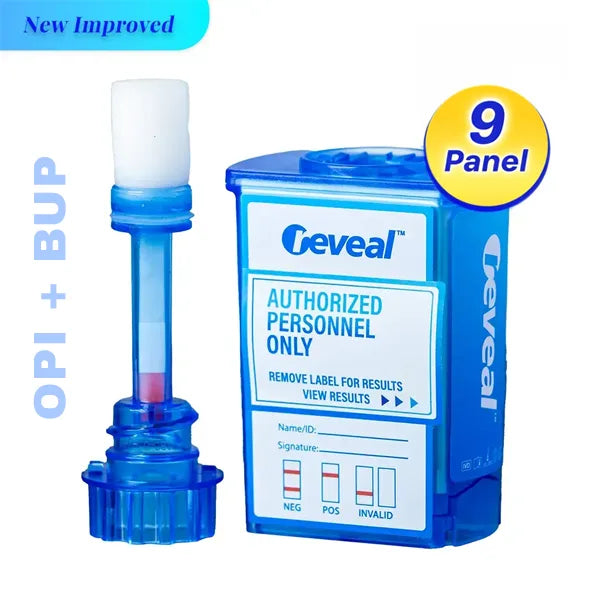
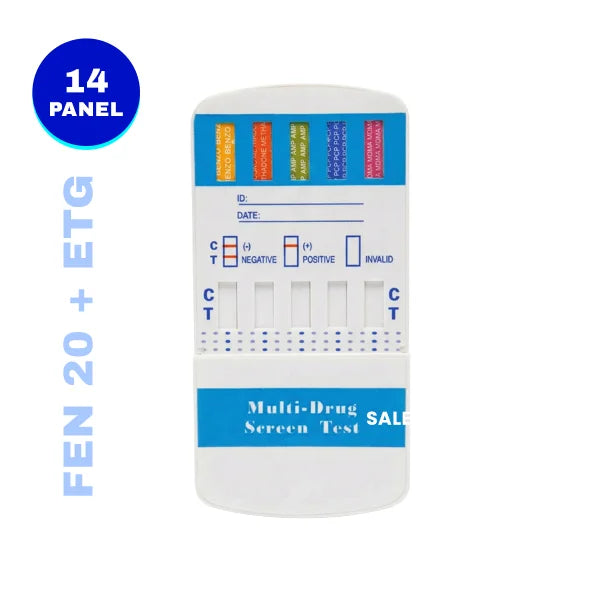
American Screening Corp has supplied FDA-cleared, CLIA-waived tests at wholesale pricing since 2004. Popular options:
Ordering 100+ tests? Request volume pricing.
Clear-time varies with the amount consumed, kidney function, hydration, urine concentration and the lab or device cutoff. A calculator cannot control for these, so it should never be the basis for a program decision, a violation finding or a medical judgment.
How long is ETG detectable in urine?
SAMHSA's advisory on biomarkers in alcohol use disorder treatment reports that ETG can be detected in urine for up to about 80 hours after heavy drinking, and for a shorter time after light drinking. As of 2026, that remains the figure most programs plan around.
Planning numbers for program managers
| Cutoff (ng/mL) | Typical use | Interpretation note |
|---|---|---|
| 100 | Strict abstinence monitoring | Most sensitive; can flag incidental exposure to alcohol-containing products |
| 250 | Balanced monitoring | Reduces some incidental-exposure positives |
| 500 | Treatment and probation programs | Commonly used; suggests drinking rather than trace exposure |
| 1,000 | Higher-certainty screening | Misses lighter or older drinking; fewer disputed results |
SAMHSA's advisory notes that lower-range results (about 100 to 500 ng/mL) can reflect recent light drinking, heavier drinking one to three days earlier, or intense incidental exposure. Higher results point more strongly to recent drinking.
Which ETG cutoff should our program choose?
Match the cutoff to the decision the result supports. A treatment center using results for clinical conversation can tolerate a low cutoff. A court or employer taking adverse action should favor a higher cutoff and mandatory laboratory confirmation.
- Write the cutoff into your testing policy before the first test.
- Tell participants which products (some mouthwashes, sanitizers) may cause low-level positives.
- Define the confirmation step and who reviews disputed results.
How do we read and confirm an ETG screen?
- Check the device's labeling for its ETG cutoff, and confirm its FDA and CLIA-waived status on the package insert before use.
- Collect the specimen under your written procedure and verify temperature and integrity.
- Read the result within the time stated in the instructions; ignore results read after that window.
- Record the result as preliminary if positive.
- Send the specimen for GC/MS or LC-MS/MS confirmation before any action.
For on-site screening, American Screening Corp supplies drug test cups in wholesale quantities, with lab confirmation available. Confirm which alcohol (ETG) options fit your cutoff by asking our team through the contact page.
Checklist: using ETG results responsibly
- Document the cutoff in ng/mL and the detection window in your policy.
- Treat a positive as preliminary until laboratory confirmation.
- Do not use calculator estimates to excuse or accuse anyone.
- Pair ETG with a second method (breath testing or ETS/EtPG confirmation) when the stakes are high.
- Keep chain-of-custody records for any specimen sent to a lab.
- Review DOT 49 CFR Part 40 requirements if the testing is federally regulated; ETG is not a DOT alcohol test.
Frequently asked questions
Is there an accurate ETG calculator?
No. Calculators estimate from averages and cannot account for individual metabolism, hydration or cutoff. Use published detection windows for planning and laboratory confirmation for decisions.
How long does ETG stay in urine?
Generally up to about 80 hours after heavy drinking, per SAMHSA's advisory. Light drinking is detectable for a shorter time, depending on the cutoff.
What cutoff is best for probation or treatment programs?
Many programs use 500 ng/mL; 100 or 250 ng/mL is more sensitive but more open to incidental-exposure disputes. Set it in policy and confirm positives.
Does a positive ETG screen prove drinking?
No. A positive is preliminary; confirm by GC/MS or LC-MS/MS laboratory testing and review the result against the cutoff and the participant's circumstances.
Sources
- SAMHSA: Substance Abuse and Mental Health Services Administration
- NIAAA: National Institute on Alcohol Abuse and Alcoholism
- CDC: Clinical Laboratory Improvement Amendments (CLIA)
Employers screening candidates alongside testing can also review Reveal Background for employment background checks.
This article is general information, not legal or medical advice.