Drone pilots, known to the Federal Aviation Administration as remote pilots in command, operate under a different regulatory structure than airline pilots or air traffic controllers. That difference confuses a lot of employers who run utility inspection programs, public safety drone units, or commercial mapping and agriculture operations. This article explains what federal rule actually governs a remote pilot's conduct around drugs and alcohol, why most drone pilots are not in a federally mandated random testing pool, and what panel and policy choices employers and public agencies typically make to fill that gap.
The Rule That Actually Applies: 14 CFR Part 107
Small unmanned aircraft operations for commercial, government, and most non recreational purposes are governed by 14 CFR Part 107, the FAA's small unmanned aircraft systems rule. Part 107 does not create its own standalone drug and alcohol testing article the way the agency's airline and air carrier rules do. Instead, 14 CFR 107.27 incorporates the alcohol and drug prohibitions that already apply to manned aircraft operations, specifically applying the restrictions of 14 CFR 91.17 (alcohol or drugs) and 14 CFR 91.19 (carriage of narcotic drugs, marihuana, and depressant or stimulant drugs or substances) to remote pilots in command and to visual observers.
In practice, this means a remote pilot may not act as pilot in command, or serve as a required crewmember, of a small unmanned aircraft within eight hours of consuming alcohol, while under its influence, while using a drug that affects the person's faculties in a way contrary to safety, or in violation of the limits on carrying certain controlled substances aboard an aircraft. The prohibition is a conduct rule, not a testing program. It tells a remote pilot what they may not do; it does not, by itself, require a laboratory based drug test.
Why Most Drone Pilots Are Not in a Random Testing Pool
Airline pilots, mechanics, and other safety sensitive aviation employees working for Part 121 air carriers fall under the FAA's drug and alcohol testing program at 14 CFR Part 120, which is paired with the US Department of Transportation's procedural rule at 49 CFR Part 40. That combination is what produces pre employment, random, reasonable suspicion, post accident, return to duty, and follow up testing for those positions.
Part 107 remote pilots are not covered employees under Part 120, because small unmanned aircraft operations are regulated separately from the air carrier and commercial operator rules that trigger Part 120's testing mandate. There is no federal random testing pool, no DOT required panel, and no FAA mandated collection procedure that applies to a remote pilot certificate by itself. A person can hold a Part 107 remote pilot certificate without ever being enrolled in any federal drug testing program, unless some other law, contract, or employer policy puts them there.
| Testing framework | Who it covers | Applies to Part 107 remote pilots |
|---|---|---|
| 14 CFR Part 120 / 49 CFR Part 40 (DOT/FAA aviation program) | Air carrier flight crew, mechanics, and other safety sensitive aviation employees | No, not by virtue of holding a remote pilot certificate alone |
| 14 CFR 107.27 conduct rule | Remote pilots in command and visual observers | Yes, bans flying under the influence or in violation of 91.17 and 91.19, but does not mandate a testing program |
| Employer drug free workplace policy | Employees of the company operating the drone program | Only if the employer chooses to test; panel and frequency are the employer's own policy |
| Public agency civil service or union contract testing | Public safety or government drone operators | Only where the agency's own personnel rules or bargaining agreement require it |
What a Violation Actually Triggers
Because there is no dedicated random testing program for most remote pilots, enforcement under Part 107 tends to follow an incident, a complaint, or an observed violation rather than a routine specimen collection schedule. If the FAA determines that a remote pilot operated in violation of 107.27, the consequence runs through the agency's certificate action authority at 14 CFR 107.57, which addresses refusal to submit to an alcohol test or drug test required under the chapter, and which can result in suspension or revocation of the remote pilot certificate and a prohibition on exercising the privileges of any other FAA certificate the person may hold. The FAA maintains its own program information for commercial and government drone operations through its unmanned aircraft systems commercial operators page.
This is a meaningfully different enforcement model than the one that applies to an airline pilot. An airline pilot can be pulled for a random specimen collection on a routine basis as a condition of holding their job, with the full Part 40 chain of custody and medical review officer process behind every test. A Part 107 remote pilot, absent some other rule or employer policy layering testing on top, generally only faces a federal consequence after a violation has already come to the FAA's attention.
Where the Testing Actually Comes From: Employer and Agency Policy
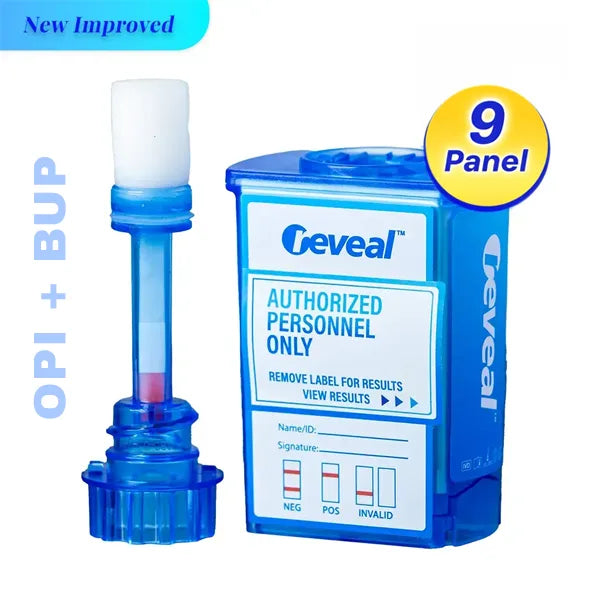
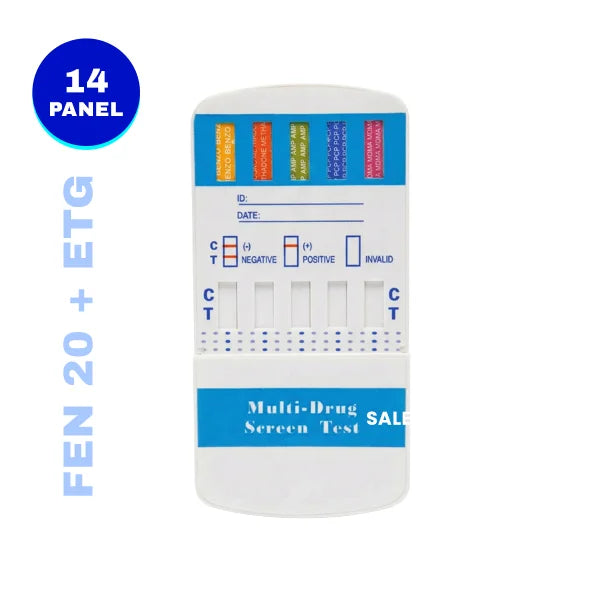
Because the federal aviation rule itself does not build a testing program for remote pilots, the testing that does happen for most drone programs comes from somewhere else. Utilities, pipeline inspection firms, construction and surveying companies, and agricultural operators that employ remote pilots generally fold those employees into the same drug free workplace policy that covers the rest of their workforce. That typically means pre employment testing, reasonable suspicion testing, and in many states post accident testing, built around whatever panel configuration the employer has chosen, commonly a 5 panel or an extended panel immunoassay run on a urine cup, dip card, or oral fluid device.
Public safety and government drone units, such as police, fire, and emergency management programs that operate small unmanned aircraft, are a separate case again. Those operators are often sworn personnel or public employees whose testing obligations come from civil service rules, department policy, or a collective bargaining agreement rather than from the FAA. A public agency should look to its own personnel rules and any applicable state public employee drug testing statute rather than assuming Part 107 supplies a testing mandate, since it does not.
Employers that do decide to test a drone program should treat the decision the same way they would for any other safety sensitive role: document the policy in writing, apply it consistently, and choose a panel that matches the actual risk profile of the job rather than defaulting to whatever panel is already in use elsewhere in the company. Options for structuring that program, including drug test cups built around standard and extended panels, can be matched to a written policy rather than chosen first.
Marijuana and Federal Preemption
State marijuana legalization does not change the federal picture for a remote pilot. Marijuana remains a Schedule I controlled substance under federal law, and 14 CFR 91.19's prohibition on carrying marihuana aboard an aircraft, which 107.27 extends to remote pilot operations, is a federal rule that does not yield to state legalization. The FAA has repeatedly made clear through its airman medical certification guidance that state legalized marijuana use does not change an airman's or pilot's obligations under federal aviation law, a position that flows from the same federal supremacy principle that governs certificated pilots generally, and that applies with equal force to remote pilot certificate holders operating under Part 107. An employer running a drone program in a state where marijuana is legal for adult or medical use may be able to still prohibit its use by remote pilots as a condition of the job, but questions about how state marijuana law interacts with employment decisions generally should involve qualified counsel rather than a one size fits all policy.
How Drone Pilot Testing Compares to Other Aviation Roles
Employers that run both a drone program and a manned aviation operation, or that are simply trying to understand where remote pilots fit in the aviation testing landscape, may find it useful to compare the Part 107 structure against the rules that already apply to traditional flight crew. Our existing breakdown of the airline pilot drug testing requirements under FAA Part 120 and DOT Part 40 covers the full random testing framework that applies to Part 121 air carrier flight crew, which is the program Part 107 remote pilots are not automatically part of. Our post on air traffic controller drug testing and FAA employee rules covers a third model again, one built around federal employment rather than either a certificate holder's conduct rule or an air carrier's random testing pool. Reading the three side by side shows how differently the FAA treats conduct rules, certificate holder obligations, and employment based testing programs depending on the role.
Frequently Asked Questions
Are drone pilots subject to FAA random drug testing?
Not by default. Part 107 remote pilots are not covered employees under the FAA's Part 120 and DOT Part 40 testing program that applies to air carrier flight crew. A remote pilot is only in a random testing pool if some other employer policy, public agency rule, or contract puts them there.
What federal rule actually governs drug and alcohol use for drone pilots?
14 CFR 107.27 applies the alcohol and drug prohibitions of 14 CFR 91.17 and 91.19 to remote pilots in command and visual observers. It is a conduct rule that bans flying under the influence or in violation of those sections, not a testing mandate.
What happens if a remote pilot violates the drug and alcohol rule?
The FAA can pursue certificate action under 14 CFR 107.57, which covers refusal to submit to a required alcohol or drug test and can lead to suspension or revocation of the remote pilot certificate, along with a prohibition on exercising the privileges of other FAA certificates the person holds.
Does state marijuana legalization change the rule for drone pilots?
No. Marijuana remains federally illegal, and the prohibition on carrying marihuana aboard an aircraft under 14 CFR 91.19 applies to remote pilot operations through 107.27 regardless of state law.
Who decides what drug test panel a drone pilot takes?
The employer or public agency does, since Part 107 does not specify a panel. Companies generally apply the same drug free workplace panel used across their workforce, while public safety drone units follow their own civil service or department policy.
Are public safety drone operators tested differently than private sector drone pilots?
Often yes. Public safety and government drone units are typically covered by civil service rules, department policy, or a collective bargaining agreement rather than by any FAA testing mandate, since Part 107 itself does not create one.
This article is general information about federal aviation rules and workplace drug testing practices, not legal advice. Employers should consult qualified counsel before adopting or enforcing a drug and alcohol testing policy for drone operations.