Zurzuvae is the brand name for zuranolone, an oral medication approved for postpartum depression in adults. It is taken once a day in the evening for a fourteen day course, and it is a federally controlled substance. That last fact surprises some employers and employees, because Zurzuvae is not a benzodiazepine, an opioid, or a stimulant, and it does not appear on the drug classes that most workplace panels are built to detect. This article explains where zuranolone sits in the controlled substance schedules, which panels test for it (none of the common ones do), why a benzodiazepine screen is not expected to flag it, and what an employee or employer should do when a prescription is in play.
What Zurzuvae Is and How It Works
Zuranolone is a neuroactive steroid that acts as a positive allosteric modulator of the GABA A receptor, the same general receptor system that benzodiazepines act on, but through a different chemical structure and binding behavior. According to the drug label indexed on the National Library of Medicine's DailyMed database, Zurzuvae is dosed once daily in the evening with fat containing food for a fourteen day treatment course, and the labeling instructs patients not to drive or operate machinery until at least twelve hours after a dose because of possible somnolence and confusion. That full label is available through DailyMed, and it is the right place for an employee, a treating clinician, or a medical review officer to confirm current prescribing information rather than relying on secondhand summaries.
Schedule IV, Not a Benzodiazepine
The Drug Enforcement Administration's Diversion Control Division lists zuranolone, DEA code 2420, as a Schedule IV controlled substance under the brand name Zurzuvae. The current alphabetical controlled substances list is published by the DEA Diversion Control Division and is the authoritative source for that classification. Schedule IV status means the drug has an accepted medical use and a comparatively low but real potential for abuse or dependence relative to Schedule II or III substances, the same tier that holds many benzodiazepines and some non benzodiazepine sedative hypnotics. Schedule IV placement is a legal and regulatory classification, not a statement that a drug is chemically related to benzodiazepines. Zuranolone's steroid backbone is structurally distinct from the diazepine ring that defines benzodiazepine chemistry, which matters directly for how immunoassay drug tests respond to it.
Is Zuranolone on a Standard Workplace Drug Test Panel
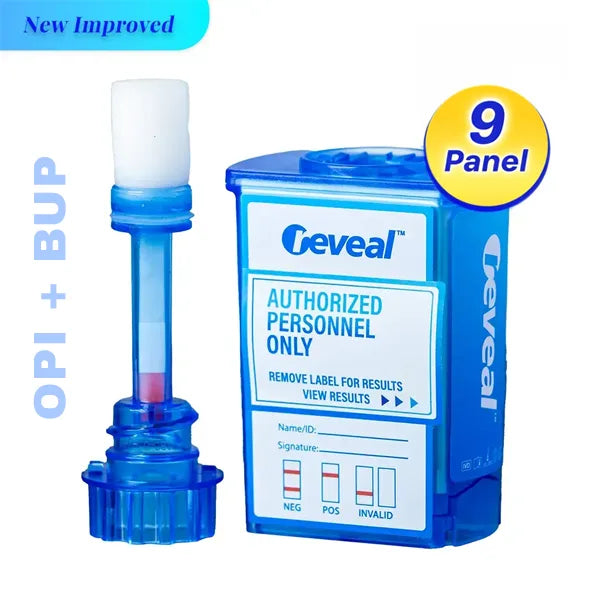
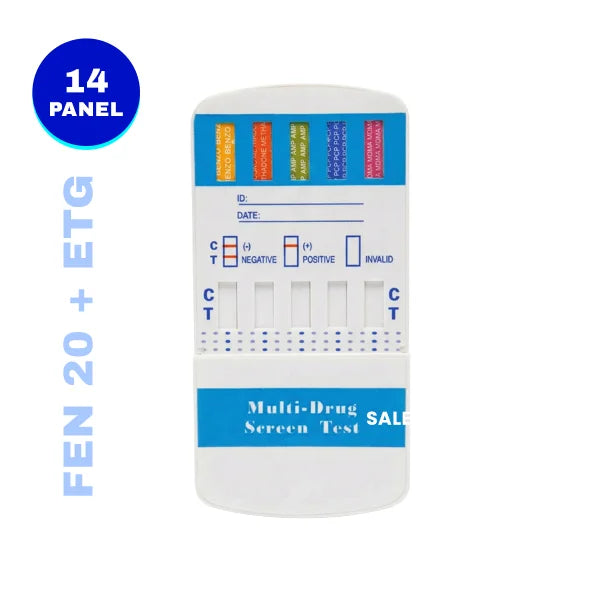
No widely used urine panel, including the federal five panel test, is built to detect zuranolone. The Department of Transportation's testing regulation lists the specific analytes that DOT certified laboratories must screen for and confirm, and zuranolone, or any neuroactive steroid, is not among them. The cutoff concentration table in 49 CFR 40.85 names marijuana metabolites, cocaine metabolite, several opioid analytes, phencyclidine, amphetamines, and MDMA or MDA as the analytes tested, with no benzodiazepine or neuroactive steroid class included at all. Private sector panels that employers build on top of the federal model (five panel, seven panel, nine panel, ten panel, and expanded panels that add a benzodiazepine or BZO strip) follow the same logic: they are designed around specific drug classes with known immunoassay antibodies, and a brand new molecule with a different mechanism is not automatically swept in just because it shares a receptor target with an older drug class.
| Panel or screen | What it targets | Does it detect zuranolone |
|---|---|---|
| Federal five panel (SAMHSA model) | Marijuana, cocaine, opiates, phencyclidine, amphetamines | No, zuranolone is not one of these analyte classes |
| DOT regulated panel, 49 CFR 40.85 | Marijuana, cocaine, opioids, phencyclidine, amphetamines, MDMA or MDA | No, not a listed analyte |
| Expanded panel with a BZO (benzodiazepine) strip | Benzodiazepine class drugs such as diazepam or alprazolam metabolites | No published cross reactivity data support a positive BZO result from zuranolone alone |
| Laboratory LC or GC mass spectrometry, targeted | Whatever specific analyte the lab is instructed to confirm | Only if the laboratory is specifically asked to test for zuranolone by name, which is uncommon outside clinical or forensic settings |
Could Zurzuvae Cause a False Positive on a Benzodiazepine Screen
This is the question most people actually mean to ask, and the honest answer is that the evidence is limited rather than definitive. Benzodiazepine immunoassays are built with antibodies raised against the benzodiazepine chemical scaffold, and cross reactivity on any immunoassay depends on how closely a given molecule's shape resembles the target analyte, not on whether the two drugs act on the same receptor. Zuranolone's neuroactive steroid structure is a different chemical family from diazepam, lorazepam, or alprazolam, and there is no published, peer reviewed cross reactivity study showing that zuranolone triggers a positive benzodiazepine immunoassay result. That absence of evidence is not the same as a promise; it means nobody has published data either way for every lab's specific assay. Any employer or laboratory that wants a definitive answer for its own test kit should ask the assay manufacturer for the cross reactivity data sheet for that specific product, and any unexpected positive result on a screening immunoassay should always be sent to confirmatory testing by gas chromatography or liquid chromatography mass spectrometry before any employment decision is made. Screening immunoassays are a preliminary tool, not a legal determination, which is exactly why the confirmation step and the medical review officer process both exist.
Specimen Validity Testing Is a Separate Question
Some employees ask about herbal teas, vinegar, or other home remedies in the context of sleep or mood medications, hoping to affect a result. None of that has anything to do with zuranolone specifically, and this article will not address evasion methods. What is worth knowing is that laboratories run specimen validity testing on every specimen, checking creatinine, specific gravity, pH, and oxidant levels, specifically to catch diluted, substituted, or adulterated samples regardless of what substance is being screened for. An employee taking a legitimately prescribed medication does not need to do anything to a specimen; the correct path is disclosure to the medical review officer, not specimen manipulation.
What Happens With a Positive Result and a Prescription
Because zuranolone is a Schedule IV controlled substance prescribed for a specific, time limited condition, any safety sensitive employer that encounters it, whether through a direct inquiry, an incidental disclosure, or an unrelated positive result during the treatment window, should route the matter through the medical review officer process rather than making a unilateral call. A medical review officer reviews the laboratory result, contacts the employee confidentially, and verifies legitimate medical explanations, including current prescriptions, before a result is reported to the employer as positive or negative, a process set out in the medical review officer subpart of 49 CFR Part 40. An employee who is prescribed Zurzuvae should keep the prescription record and be ready to provide it to the MRO if asked, and should also talk with the prescribing clinician about the labeled driving and machinery warning if the employee's job involves safety sensitive duties during the fourteen day course, since the label's twelve hour caution after each dose can matter for scheduling and duty assignment. None of this is a substitute for individualized medical guidance, and an employer evaluating a safety sensitive role should rely on its own occupational health resources and counsel rather than general information like this article.
How This Compares to Other Recently Approved Sedating Medications
Zurzuvae is not the first newer, federally scheduled, non benzodiazepine medication to raise this same question for employers. Sleep medications such as suvorexant and lemborexant work through an entirely different receptor system, are also Schedule IV, and are also not expected to trigger a benzodiazepine positive on a standard immunoassay, which is covered in more detail in the related posts linked below. Zolpidem is a closer pharmacological cousin in spirit, since it is also a non benzodiazepine GABA A acting Schedule IV hypnotic, and it is a useful comparison case for understanding why "acts like a benzodiazepine" and "chemically is a benzodiazepine" are two different things for testing purposes.
Frequently asked questions
Is Zurzuvae a controlled substance?
Yes. The Drug Enforcement Administration's Diversion Control Division lists zuranolone, the active ingredient in Zurzuvae, as a Schedule IV controlled substance.
Will Zurzuvae show up on a standard five panel or ten panel drug test?
No. Standard urine panels, including the federal and DOT regulated panel described in 49 CFR 40.85, are built around specific analyte classes such as marijuana, cocaine, opioids, phencyclidine, and amphetamines, and zuranolone is not one of the analytes those immunoassays are calibrated to detect.
Does Zurzuvae cause a false positive on a benzodiazepine screen?
There is no published cross reactivity data showing that zuranolone produces a positive result on a benzodiazepine immunoassay, and its chemical structure is distinct from the benzodiazepine class. Any unexpected positive on a screening test should still go to confirmatory testing and medical review officer review rather than being treated as final.
Can a laboratory test specifically for zuranolone if an employer asks?
A laboratory can run a targeted test for a named analyte such as zuranolone using liquid chromatography or gas chromatography mass spectrometry, but this is not part of standard screening panels and would need to be specifically requested as a custom or forensic test.
What should an employee prescribed Zurzuvae tell the medical review officer?
The employee should disclose the current prescription and be ready to provide documentation from the prescribing clinician. The medical review officer reviews that information confidentially as part of verifying any laboratory result before it is reported to the employer.
Does the Zurzuvae driving warning affect safety sensitive jobs?
The drug label instructs patients not to drive or operate machinery until at least twelve hours after each dose during the fourteen day course because of possible drowsiness and confusion. Employees in safety sensitive roles should discuss duty scheduling with their prescribing clinician and their employer's occupational health process rather than relying on general information.
For related reading, see how another Schedule IV, non benzodiazepine sleep medication is handled on standard panels in Does Belsomra Show Up on a Drug Test, and how a longstanding non benzodiazepine hypnotic compares in Does Ambien Show Up on a Drug Test. Employers building or updating a testing program can review cup based panel options at American Screening Corporation's drug test cup collection.
This article is general information for employers and employees, not legal or medical advice. Testing policies, panel design, and medical review officer procedures should be developed with qualified counsel and occupational health professionals.