Quick answer: Yes. Vyvanse (lisdexamfetamine) is metabolized into d-amphetamine, so it usually produces a positive on the amphetamine line of a 10-panel urine test. Instant cups commonly screen at 1,000 ng/mL, and federal lab testing uses 500 ng/mL. A positive is presumptive until confirmed and reviewed.
- The parent drug is a prodrug; the detected analyte is d-amphetamine, which the amphetamine panel targets.
- An instant-cup positive is preliminary and needs lab confirmation (GC/MS or LC-MS/MS) before any action.
- A valid prescription does not prevent a positive result; it is addressed through medical review and your written policy.
Does Vyvanse show up on a 10-panel test?
Yes. Vyvanse is not detected as itself in most screens. According to NIH MedlinePlus, lisdexamfetamine is converted in the body to dextroamphetamine, and that is what a urine immunoassay reacts to. Any 10-panel that includes an amphetamines line can therefore return a presumptive positive for someone taking it as prescribed.
Need drug tests for your clinic, program or workplace?
American Screening Corp has supplied FDA-cleared, CLIA-waived tests at wholesale pricing since 2004. Popular options:
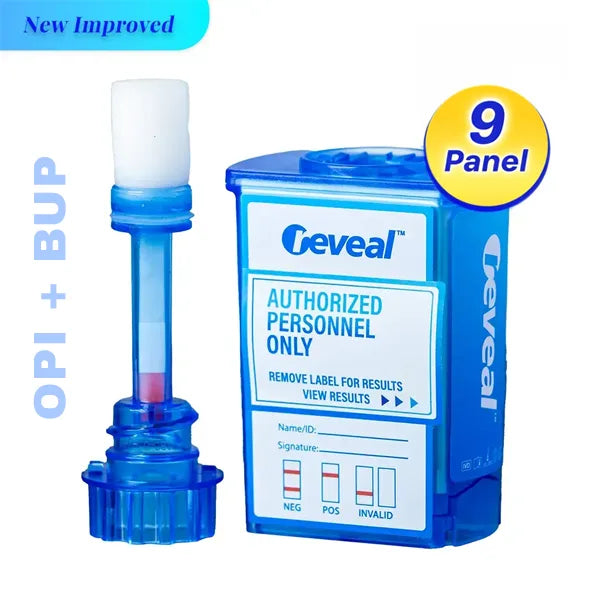
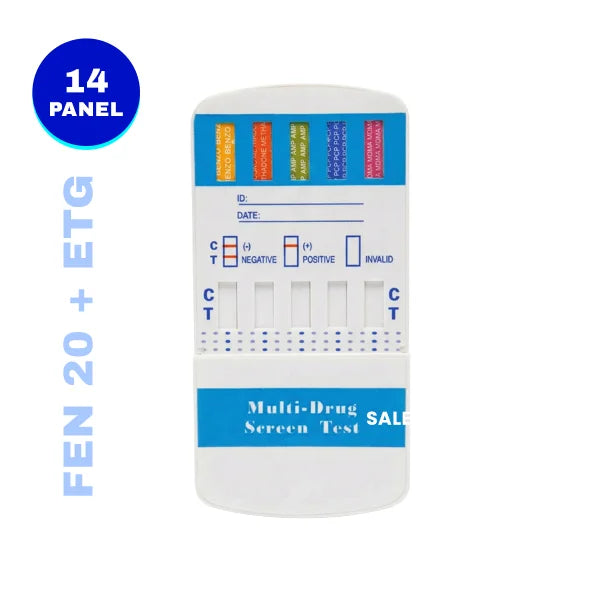
- 10-panel drug test cups and dip cards
- 12-panel drug test cups
- all drug test cups (wholesale pricing)
Ordering 100+ tests? Request volume pricing.
Panel makeup varies by manufacturer. Most 10-panels cover amphetamines, cocaine, marijuana (THC), opiates, PCP, barbiturates, benzodiazepines, methadone, and two others such as methaqualone, propoxyphene, MDMA or oxycodone. Confirm that the amphetamine line is included on the exact product you buy.
Cutoff levels and detection window
The cutoff is the concentration at which a sample is reported positive. Below it, the result is negative even if some drug is present.
| Testing stage | Typical amphetamine cutoff | What it means |
|---|---|---|
| Instant cup or dip card (point of collection) | Commonly 1,000 ng/mL | Presumptive result in minutes; not final |
| HHS-certified lab initial test (federal programs) | 500 ng/mL | Screen under SAMHSA Mandatory Guidelines |
| HHS-certified lab confirmation | 250 ng/mL | Mass spectrometry confirms the specific analyte |
Source for federal cutoffs: SAMHSA, Mandatory Guidelines for Federal Workplace Drug Testing Programs (Urine). Urine detection for amphetamines is generally in the range of two to four days after last use, but dose, urine pH, hydration, kidney function and frequency of use all shift that window. Treat it as a general range, not a guarantee.
How to read and handle a positive result
Step by step
- Confirm the cup or card is within its expiration date and that the temperature strip was in range at collection.
- Read the result within the manufacturer's stated window; disregard lines read after it.
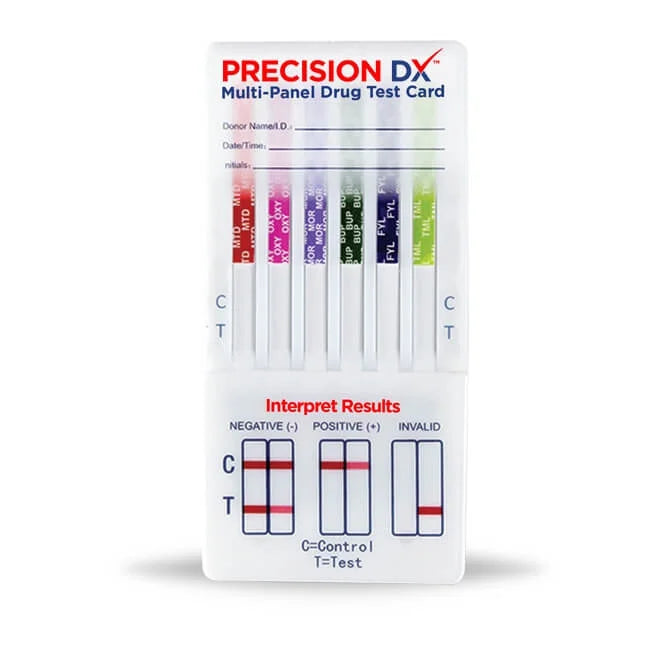
- Record a line on the amphetamine zone as negative (any visible line, even faint) and no line as non-negative/presumptive positive, per the device's instructions.
- Send non-negative specimens to a laboratory for confirmation.
- Route confirmed positives to a Medical Review Officer (MRO) or qualified clinician to evaluate prescriptions.
Under DOT rules (49 CFR Part 40), the MRO verifies results and may treat a legitimate prescription as an explanation, while also considering safety implications. Non-DOT programs are not bound by that process, but following it is a defensible model.
Can the lab tell Vyvanse from illicit amphetamine?
Not conclusively from a standard result. Confirmation shows amphetamine, not the brand. Because lisdexamfetamine yields d-amphetamine, an isomer analysis showing nearly all d-isomer is consistent with prescription products, but it is not proof, and some illicit products contain similar profiles. This is a question for the MRO or toxicologist.
Choosing the right screening device
For high-volume intake, probation check-ins or pre-employment, an integrated drug test cup combines collection, temperature check and multiple panels in one step. For lower-cost or flexible multi-drug screening, dip cards work well where staff are trained to handle specimens. Either way, specify that the panel includes amphetamines and ask for the cutoff in ng/mL, FDA clearance status and CLIA waiver documentation for the specific product before purchase.
Policy checklist for buyers
- Confirm the panel includes amphetamines and note the cutoff in ng/mL.
- Verify the product's FDA and CLIA documentation for your use case.
- Define in writing how prescriptions are disclosed and who reviews them.
- Require lab confirmation of every non-negative before adverse action.
- Use an MRO or licensed clinician for prescription review.
- Train collectors on temperature checks, chain of custody and read times.
- Keep records and retain specimens per your program and state rules.
- Pair testing with screening from a separate provider, such as Reveal Background, if you also need employment history checks.
Frequently asked questions
Does Vyvanse show up on a 10-panel drug test?
Yes. Vyvanse is converted to d-amphetamine, which the amphetamine line of a 10-panel urine test is designed to detect, so a presumptive positive is likely at or above the cutoff.
How long does Vyvanse stay detectable in urine?
Typically about two to four days after the last dose, though dose, urine pH, hydration and kidney function can shorten or extend this. Cutoff level also matters.
Does a prescription prevent a positive result?
No. The test reacts to the drug, not the reason for taking it. A prescription is considered after confirmation, usually by an MRO or clinician under your policy.
Should a point-of-collection positive be acted on immediately?
No. Instant results are presumptive. Send the specimen for laboratory confirmation and review before any employment, treatment or legal decision.
Sources
- NIH MedlinePlus: Lisdexamfetamine
- SAMHSA: Workplace Drug Testing Resources and Mandatory Guidelines
- U.S. DOT ODAPC: 49 CFR Part 40
This article is general information, not legal or medical advice.