THCP, short for tetrahydrocannabiphorol, is marketed in vapes, gummies, and tinctures as a hemp derived cannabinoid, often alongside delta 8, delta 10, HHC, and THCA products. Marketing aside, THCP is a cannabinoid that acts on the same cannabinoid receptors as delta 9 THC, and researchers who first described it reported it may bind those receptors with greater affinity. For drug testing purposes, the practical question is not how it is marketed. It is whether a THC immunoassay screen and a confirmatory test will flag it. Based on how these screens work and how THCP is metabolized, the answer for most testing programs is yes, a THCP product can produce a positive THC result.
How a THC drug test actually works
Workplace and clinical THC testing happens in two stages. The first stage is an immunoassay screen, used in urine cups, dip cards, and oral fluid devices. An immunoassay does not identify a single molecule by name. It uses antibodies that bind to a family of chemically similar compounds, and it reports positive when the combined concentration of whatever it binds crosses a set cutoff, commonly 50 ng/mL for urine THC screens under federal workplace testing guidance published by the Substance Abuse and Mental Health Services Administration, and lower cutoffs are used for oral fluid. The SAMHSA workplace program page describes this federal drug testing framework and the mandatory guidelines that set those screening and confirmation standards for federal and federally regulated testing.
The second stage, run only on samples that screen positive (or that a program sends straight to confirmation), is gas chromatography mass spectrometry or liquid chromatography mass spectrometry. These methods separate and identify specific molecules rather than a family of look alikes. For THC, the standard confirmatory target in a federal urine program is THCA, the acid metabolite the body produces from THC exposure, and the regulatory cutoff table for that analyte is published in the Department of Transportation drug testing rule at 49 CFR 40.87, which lists the initial and confirmatory test cutoffs used in DOT regulated testing.
Why a THCP product can trigger a THC positive
THCP shares the same core cannabinoid ring structure as delta 9 THC, differing mainly in the length of a side chain, and the body processes it through comparable liver metabolism pathways that produce carboxylated metabolites. Immunoassay antibodies built to catch THC and its metabolites are not precise enough to exclude a close structural relative, so a THCP metabolite in urine can bind the same antibody and push the screen over the cutoff. A peer reviewed overview of cannabinoid pharmacology and testing in the NIH Bookshelf notes that structurally related cannabinoids and their metabolites commonly cross react on immunoassay THC screens, which is the same reason delta 8, delta 10, and HHC products are reported to cause THC positives. See the cannabinoid chapter at the NIH Bookshelf for the underlying pharmacology.
Confirmation testing changes the picture only partly. Most clinical and workplace laboratories are validated to identify and quantify THCA, not a dedicated THCP metabolite, because THCP has no established, separately validated confirmatory method in routine panels. In practice this means a sample that screens positive because of THCP exposure is likely to also confirm positive for THCA, since THCP use and metabolism can still generate detectable THCA type analytes, and because many commercial THCP products are not chemically pure and may contain residual THC. A laboratory cannot tell a donor's story from the chromatogram alone. A positive is treated as a positive THC result unless the donor has a legitimate medical explanation that a Medical Review Officer can verify.
THC panel components at a glance
| Panel component | What it targets | Typical cutoff (urine) | Detects THCP exposure |
|---|---|---|---|
| Immunoassay screen (cup, dip card, oral fluid) | THC and structurally similar cannabinoid metabolites as a class | 50 ng/mL urine screen cutoff under federal guidance; lower for oral fluid | Often yes, cross reactivity reported for THC analogs |
| GC/MS or LC/MS confirmation | THCA, the specific THC metabolite | 15 ng/mL confirmatory cutoff under 49 CFR 40.87 | Yes if THCA type metabolite or residual THC is present; no dedicated THCP assay in routine labs |
| Dedicated THCP or novel cannabinoid assay | THCP molecule specifically | Not a standardized federal cutoff | Not part of routine workplace or DOT panels; ask the laboratory which analytes it reports |
The legal status question employers keep asking
THCP sellers frequently point to the 2018 Farm Bill, which removed hemp, defined as cannabis with no more than 0.3 percent delta 9 THC by dry weight, from the federal definition of marijuana. The United States Department of Agriculture administers the domestic hemp program created by that law, and its hemp production rules are codified at 7 CFR Part 990, with program background on the USDA hemp page. That 0.3 percent threshold applies specifically to delta 9 THC content in the plant, not to every cannabinoid a processor can derive or chemically convert from hemp.
The Drug Enforcement Administration has taken the position, stated in its interim final rule implementing the 2018 Farm Bill, that tetrahydrocannabinols produced through synthesis, including by chemically converting one cannabinoid into another, remain controlled substances regardless of the starting material, a position laid out in the Federal Register notice on implementation of the Agriculture Improvement Act of 2018. The Food and Drug Administration has separately stated that it has not approved most cannabinoid products sold outside the dronabinol and cannabidiol drugs it has cleared, and it continues to evaluate the safety of hemp derived cannabinoid products on its cannabis and cannabis derived products page. Because THCP occurs only in trace amounts in the cannabis plant, most commercial THCP is produced through chemical conversion, which is the exact process the DEA position addresses. Employers and donors should treat the legal status of a specific THCP product as unresolved rather than settled, and state law adds another layer that varies by jurisdiction.
What this means for DOT and other safety sensitive testing
None of the legal debate changes how a DOT regulated test is scored. Employees in safety sensitive positions covered by the Department of Transportation testing rule, including drivers, pilots, and pipeline and transit workers, are tested under 49 CFR Part 40, which uses the THC cutoffs described above and does not recognize a Farm Bill or state hemp law exception. A confirmed positive from a THCP product is handled the same as any other confirmed THC positive. There is no verification process for THC comparable to the prescription verification used for some other drug classes, because THC has no accepted medical use recognized in that testing rule.
Non DOT workplace programs that follow the SAMHSA mandatory guidelines model generally use the same screening logic. Any donor who believes a result reflects a legitimate, explainable exposure should raise that directly with the Medical Review Officer reviewing the test, and bring documentation. This article does not address ways to avoid detection, because evading a drug test is not a legitimate response to a positive result; the only appropriate path is disclosure to the MRO and, where relevant, to the employer's designated program contact.
What employers and clinics should do
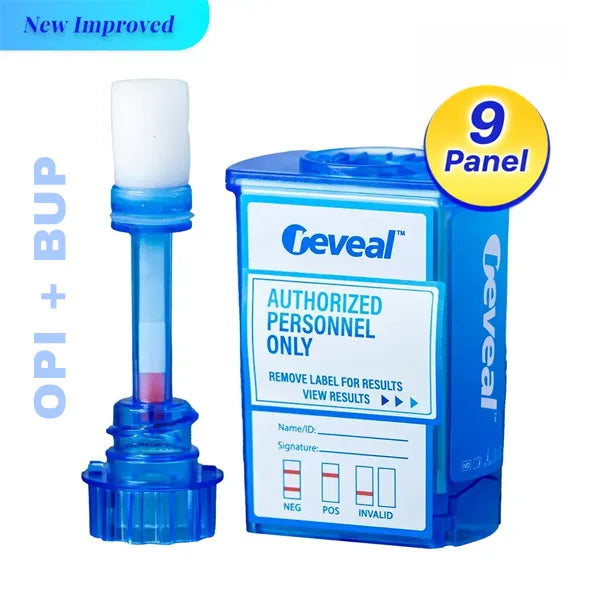
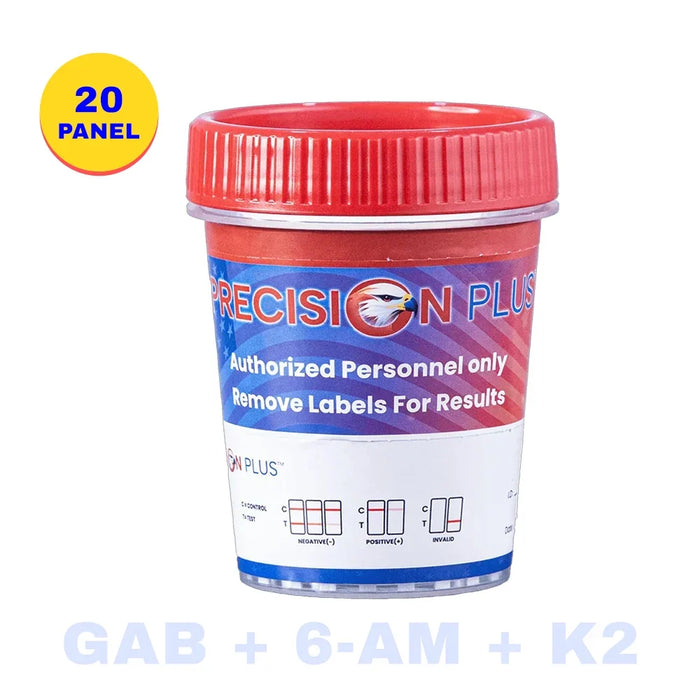
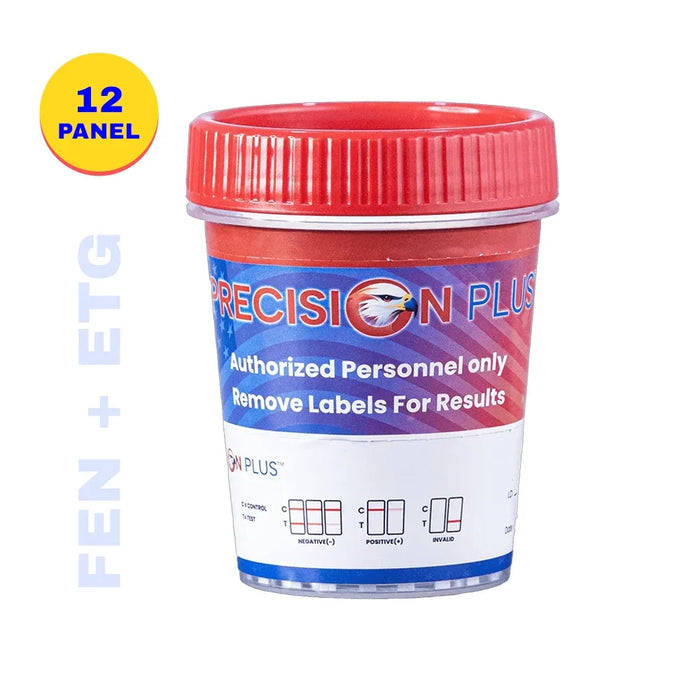
Programs that want to catch THC analog exposure, including THCP, delta 8, delta 10, and HHC, should keep using a standard THC immunoassay screen and send non negative results to GC/MS or LC/MS confirmation rather than relying on the screen alone. Clinics writing policy for hemp derived products should put the cross reactivity risk in writing for employees, since many donors genuinely do not expect a product marketed as hemp to produce a positive THC result. American Screening Corporation supplies THC inclusive panels in cups, dip cards, and oral fluid formats through its wholesale portal at wholesale.americanscreeningcorp.com for clinics and employers building or expanding a testing program, and the drug test cup collection on the retail site lists current panel configurations.
For background on how other hemp derived cannabinoids behave on the same panels, see our related coverage of Delta 10 THC and the THC screen and HHC and THC panels.
Frequently asked questions
Does THCP show up on a standard THC drug test?
It can. THCP and its metabolites are structurally close enough to THC that they are reported to cross react with the antibodies used in immunoassay THC screens, and many commercial THCP products also contain residual THC, both of which can push a urine, oral fluid, or dip card screen over the cutoff.
Will GC/MS or LC/MS confirmation tell the lab it was THCP specifically?
Usually not. Routine confirmatory testing targets THCA, the standard THC metabolite, because that is the analyte with an established federal cutoff under 49 CFR 40.87. Most laboratories do not run a separate, validated THCP specific confirmatory assay, so a confirmed result is reported as THC positive.
Is THCP legal because it comes from hemp?
The legal status is not settled. The Farm Bill definition of legal hemp is based on delta 9 THC content in the plant, not on every cannabinoid that can be chemically derived from hemp, and the DEA has stated that synthetically produced tetrahydrocannabinols can remain controlled regardless of the starting material. State law also varies, so a product legal to sell in one state may not have the same status elsewhere.
Does a prescription explain a THCP positive on a DOT test?
No. THCP is not an FDA cleared prescription medication, so there is no prescription documentation that would resolve a confirmed THC positive on a DOT regulated test. A donor who believes a result reflects an unexpected hemp product exposure should raise that with the Medical Review Officer reviewing the test.
Can an employer test specifically for THCP?
Routine workplace panels are not built to isolate THCP from THC; they test for THC and its common metabolites as a class. An employer or clinic that wants to know exactly which cannabinoids a laboratory's confirmation method reports should ask the laboratory directly, since reporting scope varies by lab and by test configuration.
This article is general information about drug testing science and policy, not legal or medical advice. Employers should consult qualified counsel and their Medical Review Officer before acting on any specific test result.