Rhodiola rosea is a root extract sold as a dietary supplement, usually marketed as an adaptogen for stress, fatigue, or mental focus. People who take it before a pre-employment or workplace screening sometimes worry it could trigger a positive result or show up as an unexplained flag. Based on how standard drug test panels are built and on what is currently published about rhodiola, there is no credible reason to expect that outcome.
What Rhodiola Rosea Actually Is
Rhodiola is an herb that grows in cold, mountainous regions and has a long history of use in traditional medicine. The National Center for Complementary and Integrative Health (NCCIH), part of the National Institutes of Health, describes rhodiola as one of several herbs promoted as adaptogens, a marketing term for substances claimed to help the body resist stress. NCCIH notes that rigorous human research on rhodiola is limited and that claims about its effects go beyond what the evidence currently supports.
Rhodiola is sold as a dietary supplement, not as a drug. Under the framework the Food and Drug Administration uses for this product category, supplement manufacturers do not need premarket approval to sell a product, and the FDA's dietary supplement program places the responsibility for safety and accurate labeling on the manufacturer rather than on a pre-market review. That matters for this question because it means rhodiola was never evaluated, scheduled, or regulated the way a controlled substance is. It is not listed as a controlled substance, and it is not one of the drug classes that workplace and clinical testing programs are built to detect.
What Standard Drug Test Panels Are Built to Detect
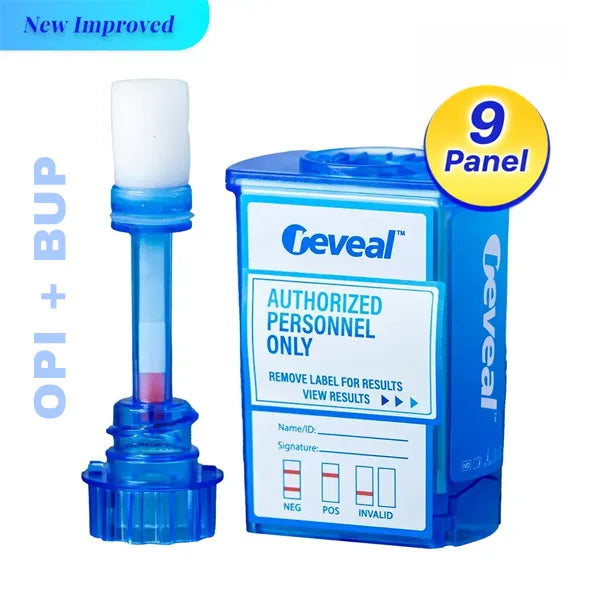
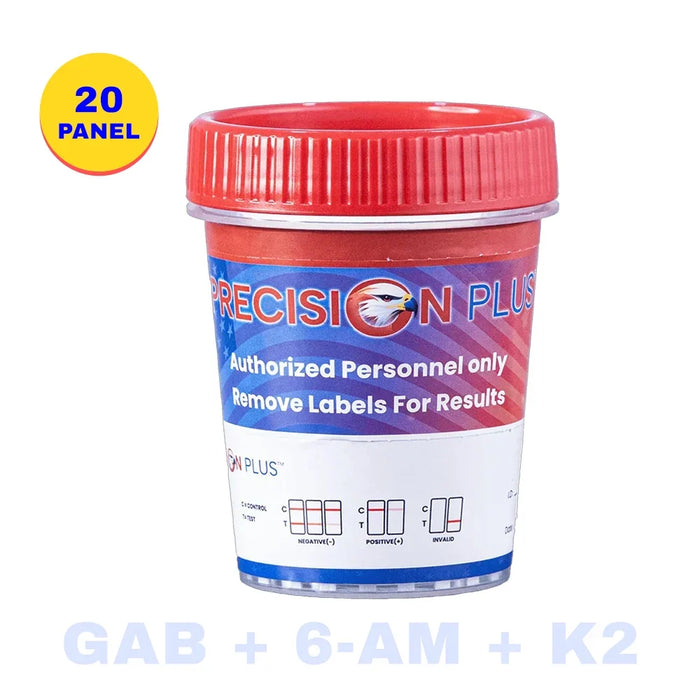
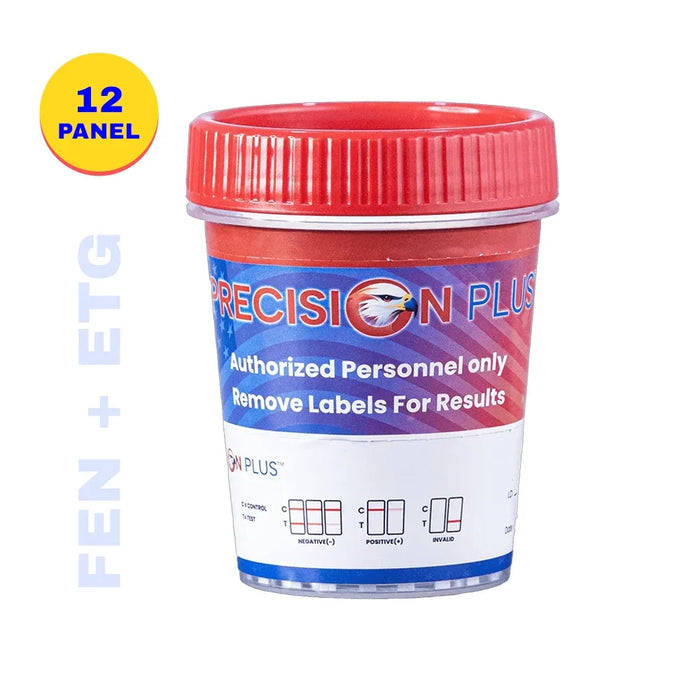
Workplace and clinical drug tests, whether a urine cup, an oral fluid swab, or a dip card, start with an immunoassay screen. That screen uses antibodies designed to bind to a specific drug class or its metabolites. A sample that screens positive on an immunoassay is then sent for confirmation by gas chromatography mass spectrometry (GC/MS) or liquid chromatography mass spectrometry (LC/MS), which identifies the exact compound present rather than relying on an antibody reaction.
Federal workplace testing programs define which drug classes the screen and confirmation steps must cover. The Department of Transportation's testing rule at 49 CFR Part 40 and the Department of Health and Human Services mandatory guidelines published in the Federal Register both set out the same core analyte groups: amphetamines and methamphetamine, cocaine metabolites, marijuana metabolites (THC), opioids, and phencyclidine (PCP), with some programs adding benzodiazepines, barbiturates, or synthetic opioids depending on the panel. Rhodiola's active marker compounds, salidroside and rosavin, are not chemically related to any of these drug classes and are not targeted by the antibodies used in any standard immunoassay panel.
| Panel class screened | What it targets | Related to rhodiola's compounds |
|---|---|---|
| Amphetamines / methamphetamine | Stimulant metabolites | No |
| Cannabinoids (THC) | Marijuana metabolites | No |
| Opioids | Morphine, codeine, synthetic opioid metabolites | No |
| Cocaine metabolites | Benzoylecgonine | No |
| Phencyclidine (PCP) | PCP and analogs | No |
| Benzodiazepines / barbiturates (extended panels) | Sedative class drugs | No |
Is There Published Cross Reactivity Evidence for Rhodiola?
No. There is no published cross reactivity data showing that rhodiola rosea, salidroside, or rosavin interacts with the antibodies used in standard amphetamine, opioid, cannabinoid, cocaine, or PCP immunoassays. The NCCIH herb page does not list any drug test interaction, and no FDA, NIH Bookshelf, or SAMHSA publication identifies rhodiola as a known interferent on workplace panels. The honest way to state this is that the evidence is limited, not that an interaction has been ruled out by a dedicated study, because no such study appears to exist in the public record. A buyer or employer asking about a specific lot or formulation should still direct the question to the testing laboratory that will run the confirmation step, since labs can confirm exactly which analytes a given panel covers.
Screening Versus Confirmation, in Practice
It helps to separate the two steps a sample actually goes through. The first step, the immunoassay screen, is a fast chemical reaction between antibodies and a target drug class. It is designed to be sensitive, which means it can occasionally flag a result that needs a closer look, but it is not designed to recognize every compound a person might have in their system, only the specific classes the panel was built for. The second step, laboratory confirmation by GC/MS or LC/MS, separates and identifies individual molecules rather than relying on an antibody reaction. A compound like salidroside or rosavin, the two markers most often used to characterize rhodiola extract, has no established chemical cross reaction with the antibodies used in amphetamine, opioid, cannabinoid, cocaine, benzodiazepine, or PCP immunoassays, and confirmation testing would not misidentify it as one of those drug classes even if a screen somehow flagged a sample for an unrelated reason.
This two step design is the same whether the specimen is collected with a urine cup, an oral fluid swab, or a dip card. The collection device changes the matrix being tested, not the underlying immunoassay chemistry or the confirmation method used on a non-negative screen.
Why the Question Comes Up Anyway
Adaptogen supplements are frequently sold in blended products, stress formulas, pre workout powders, or "focus" capsules that combine rhodiola with caffeine, other herbs, or proprietary blends that do not fully disclose every ingredient on the label. Because dietary supplements are not subject to the same premarket review as drugs, ingredient accuracy and purity can vary between brands, as NCCIH's guidance on using dietary supplements wisely explains. If an unexpected screening result ever occurs, the more likely explanation is an undisclosed ingredient in a blended product, a different medication, or a lab or collection issue, not rhodiola itself. Anyone concerned about a specific product should check the supplement facts panel and, if needed, ask the laboratory what the panel actually screens for.
Dietary Supplements Are Not Reviewed Like Drugs
A point worth repeating because it explains so much of the confusion around adaptogens: a dietary supplement does not go through the premarket safety and efficacy review that a prescription or over the counter drug does. The FDA's dietary supplement framework, cited above, places that burden on the manufacturer rather than on a federal approval process before the product reaches shelves. That is a separate question from whether a substance is tested for on a drug panel. Being unregulated as a drug does not mean a substance is secretly an analyte on a workplace test, and being sold legally as a supplement does not mean a product has been studied for drug test interactions one way or the other. For rhodiola specifically, the available NIH and NCCIH material describes it as a supplement with limited human research, not as a substance known to interact with immunoassay chemistry.
What To Do If You Take Rhodiola Before a Test
There is nothing to disclose on a standard chain of custody form specifically because of rhodiola, since it is not a tested analyte. If a screening result still comes back unexpectedly positive for an unrelated class, that result goes through the same process any other unexpected positive would: review by a medical review officer (MRO), who contacts the donor, asks about prescription medications, and decides whether the result is verified positive, negative, or cancelled. Keeping supplement labels and any prescription documentation on hand makes that review faster. This article is not medical advice and is not a recommendation to use, avoid, or dose any supplement.
For Employers Building or Reviewing a Testing Program
Outside of DOT-covered safety sensitive roles, no federal law requires private employers to drug test, and state law on permissible panels, notice, and post-positive procedure varies, so employers should confirm requirements in their own state and consult counsel before finalizing a policy. A defensible program generally pairs a validated immunoassay screen, whether a urine cup, dip card, or oral fluid collection, with laboratory GC/MS or LC/MS confirmation of any non-negative result, trained specimen collectors, and a documented MRO review step, consistent with the structure described in SAMHSA's workplace resources and the federal panel definitions in 49 CFR Part 40 and the HHS mandatory guidelines cited above. Supply account holders can review current panel configurations and bulk options on the wholesale portal.
American Screening Corporation's drug test cups collection covers standard federal panel configurations if your program needs to review its current cup setup. For related reading, see Does Ashwagandha Show Up on a Drug Test? and Does Lion's Mane Show Up on a Drug Test? for how other adaptogen and mushroom supplements compare against the same panels.
Frequently asked questions
Is rhodiola a controlled substance?
No. Rhodiola rosea is sold as a dietary supplement and is not scheduled as a controlled substance under federal law.
Will rhodiola cause a false positive on a 5 panel or 10 panel drug test?
There is no published cross reactivity evidence linking rhodiola or its marker compounds to the antibodies used in standard amphetamine, opioid, cannabinoid, cocaine, or PCP immunoassays.
Does a drug test specifically screen for rhodiola or adaptogens?
No. Standard panels are built around defined drug classes such as amphetamines, cannabinoids, opioids, cocaine metabolites, and PCP. Adaptogen herbs like rhodiola are not part of those panels.
What should I do if I get an unexpected positive result while taking a supplement?
Unexpected results go through a medical review officer, who reviews prescription medications and documentation before a result is verified. Keeping supplement labels on hand can help that review.
Are employers required to drug test for rhodiola or other supplements?
No federal rule requires private employers to test for dietary supplements, and outside DOT covered safety sensitive roles there is generally no federal mandate to drug test at all. State law and company policy vary.
Could a blended supplement product cause a different result than rhodiola alone?
Possibly, since blended stress or focus formulas can contain other ingredients such as caffeine or undisclosed additives. Checking the supplement facts label is the best way to know what else a product contains.
This article is general information about drug testing science and policy, not legal or medical advice. Employers should consult qualified counsel, and individuals should talk to a licensed clinician before making decisions about supplements or medications.