Quick answer: Pantoprazole does not appear on standard urine drug panels because those tests do not look for it. However, the FDA label for Protonix warns it may cause false-positive urine screening results for THC. Treat any non-negative THC screen as presumptive and send it for lab confirmation (GC-MS or LC-MS/MS) before acting.
- Pantoprazole is not a target analyte on 5-panel, 10-panel or DOT urine tests.
- Immunoassay THC screens (50 ng/mL cutoff) can cross-react; confirmation testing resolves it.
- Never take adverse action on a screen alone; use a documented confirmation and review process.
What Pantoprazole Is and Why It Comes Up
Pantoprazole (brand name Protonix) is a proton pump inhibitor prescribed for acid reflux and related conditions. It is not a controlled substance and is not impairing. It comes up in testing programs because donors on the medication sometimes receive a non-negative THC screen they did not expect, and clinics, employers and courts need a consistent way to respond.
Need drug tests for your clinic, program or workplace?
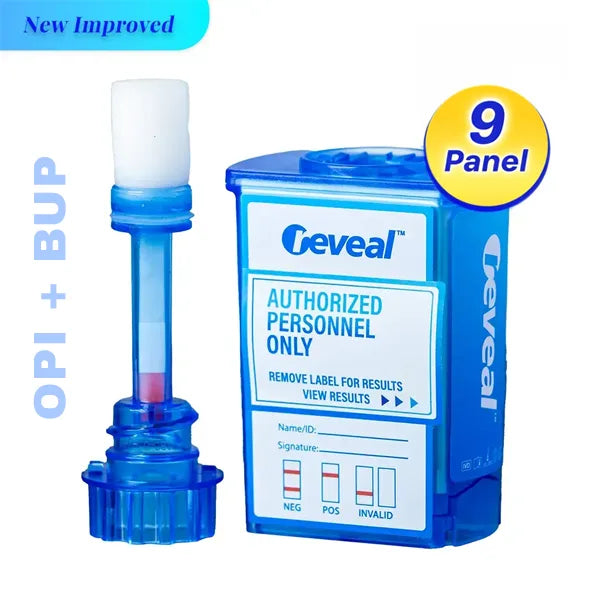
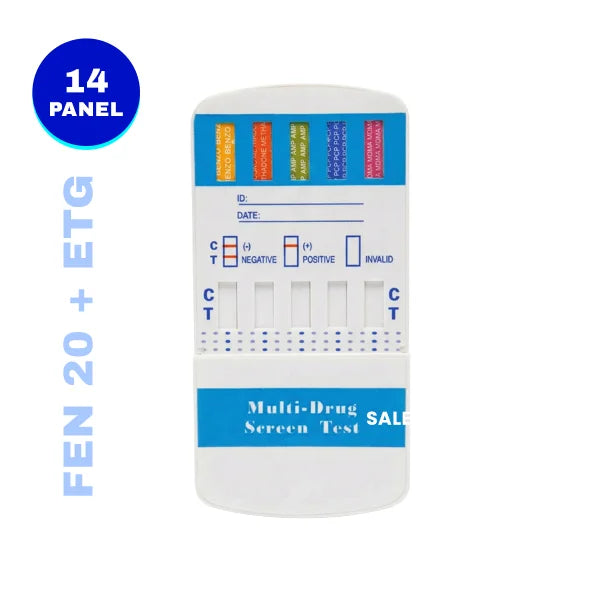
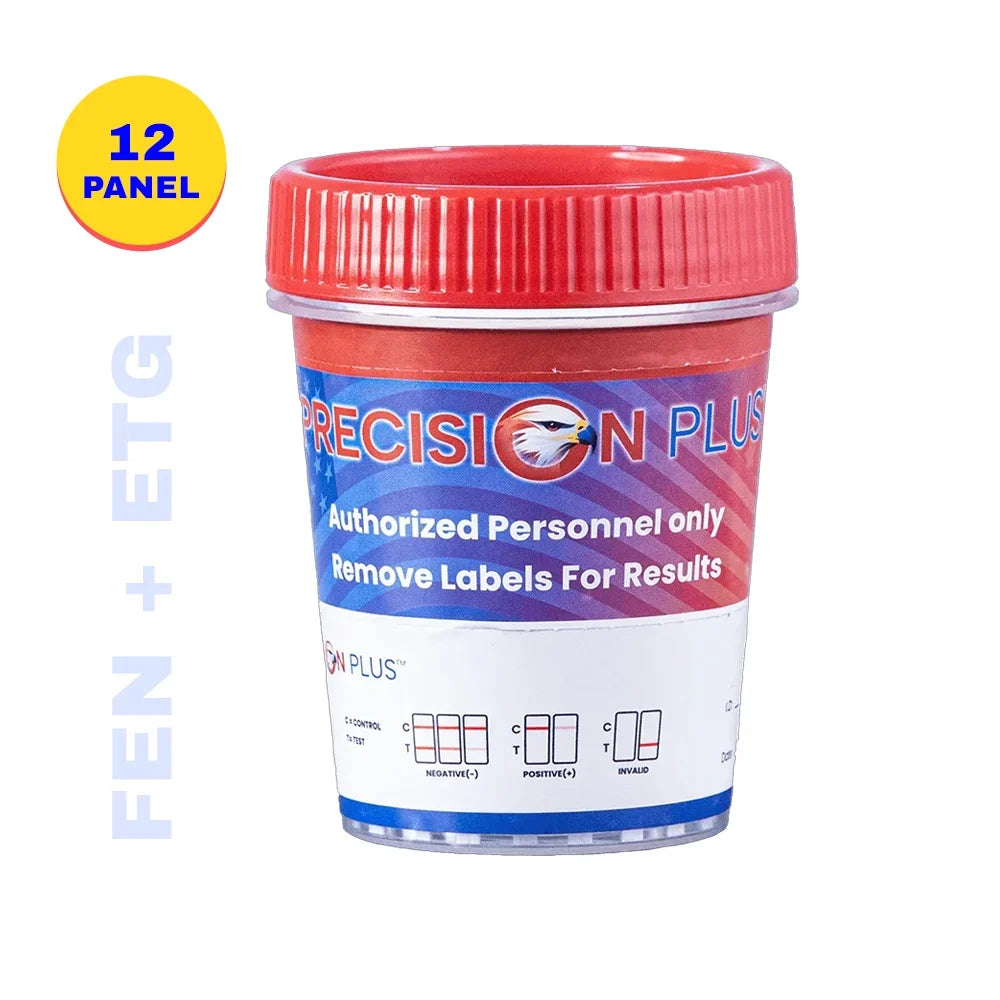
American Screening Corp has supplied FDA-cleared, CLIA-waived tests at wholesale pricing since 2004. Popular options:
Ordering 100+ tests? Request volume pricing.
What Standard Panels Actually Detect
The federal workplace panel, set out in the SAMHSA Mandatory Guidelines, covers marijuana metabolites (THC), cocaine metabolites, opiates, amphetamines and phencyclidine (PCP). DOT-regulated testing under 49 CFR Part 40 uses the same core five classes. Pantoprazole is not among them, so the drug itself will not be reported as a positive result.
The concern is cross-reactivity. The FDA-approved Protonix label states that there have been reports of false-positive urine screening tests for THC in patients receiving proton pump inhibitors, and that an alternative confirmatory method should be considered. Immunoassays work by antibody binding, and a structurally unrelated compound can occasionally trigger a response.
Key cutoff levels for THC in urine
- Initial (screening) test cutoff for THC metabolite: 50 ng/mL under the HHS guidelines.
- Confirmatory test cutoff for THC-COOH: 15 ng/mL by GC-MS or LC-MS/MS under the same guidelines.
Confirmation tests identify the specific molecule, so a pantoprazole cross-reaction would not produce a confirmed THC-COOH result.
Screening Result vs. Confirmed Result
| Stage | Method | What it tells you | Action |
|---|---|---|---|
| Point-of-collection screen | Immunoassay cup or dip card | Presumptive only; cross-reactivity possible | Record result, document medications disclosed, send to lab |
| Lab initial test | Laboratory immunoassay | Presumptive, higher quality control | Proceed to confirmation if non-negative |
| Confirmation | GC-MS or LC-MS/MS | Identifies the specific compound at a set cutoff | Basis for review and decisions |
| Medical review | MRO or qualified reviewer | Evaluates legitimate medical explanations | Report verified result |
How to Read a Non-Negative Result Step by Step
- Read the result within the time window in the device instructions; do not read lines after the window, because late results are unreliable.
- Treat any faint line in the test region as the manufacturer instructs, and confirm the control line appeared so the test is valid.
- Record the donor's disclosed medications on the custody or intake form without making assumptions.
- Preserve the specimen under proper chain of custody and send it for confirmation.
- Hold any decision until the confirmed result and, where applicable, a medical review are complete.
Choosing Screening Devices for Your Program
Instant screens are useful for fast triage at intake, probation check-ins and pre-employment collection. Our drug test cups suit high-volume sites that want an integrated collection and screening device, while dip cards are a cost-conscious option for programs that need flexible panel configurations. Whichever you choose, check each product's listing for its FDA clearance and CLIA-waiver status and the stated cutoffs, and match them to your policy. Instant devices are screening tools, and your protocol should always include lab confirmation for non-negative results.
Program Checklist: Handling Medication Cross-Reactivity
- Confirm your written policy states that instant screens are presumptive.
- Use devices with published cutoffs (for example, THC at 50 ng/mL) and keep the package inserts on file.
- Give donors a private way to disclose medications, and record this separately from the result.
- Arrange lab confirmation by GC-MS or LC-MS/MS for every non-negative screen.
- Use a medical review step for regulated or high-stakes programs.
- Train collectors on reading windows, control lines and chain of custody.
- Document every step consistently for all donors to reduce legal risk.
- Align background screening and testing policies, for example with Reveal Background, so hiring workflows stay consistent.
Special Considerations by Setting
Employers and staffing firms
Apply the same confirmation requirement to every candidate and avoid withdrawing offers on an unconfirmed screen. For DOT-regulated positions, follow 49 CFR Part 40, which requires laboratory testing and Medical Review Officer verification for regulated tests.
Clinics and treatment centers
Clinicians may use screens to guide care, but confirmation matters when results affect treatment decisions, program status or reporting to courts.
Courts and probation
Because consequences can include sanctions, a confirmed laboratory result should support any violation finding, particularly when a donor reports taking a prescription.
Frequently Asked Questions
Does pantoprazole show up on a drug test?
Not as itself. Standard urine panels do not test for pantoprazole. The FDA label notes possible false-positive THC screens, which a confirmation test can resolve.
Can pantoprazole cause a false positive for marijuana?
It can on some immunoassay screens, according to the Protonix label. A GC-MS or LC-MS/MS confirmation identifies THC-COOH specifically, so a cross-reaction would not be confirmed.
What should we do after a non-negative THC screen from a donor taking pantoprazole?
Treat it as presumptive, preserve the specimen with chain of custody, send it for lab confirmation, and use a medical review process before making any decision.
Do DOT tests react to pantoprazole?
DOT tests do not target pantoprazole. Any non-negative result in a regulated test goes through laboratory confirmation and MRO verification under 49 CFR Part 40.
Sources
- FDA: Protonix (pantoprazole) prescribing information
- SAMHSA: Mandatory Guidelines for Federal Workplace Drug Testing Programs
- U.S. DOT: 49 CFR Part 40 Drug and Alcohol Testing Procedures
Need help matching screening devices to your protocol? Contact American Screening Corp.
This article is general information, not legal or medical advice.