Quick answer: Yes. Methamphetamine (MET) is included on nearly all 10 panel urine drug tests. Screening cutoffs are commonly 500 or 1,000 ng/mL depending on the device, and meth is usually detectable for about 2 to 4 days after use. Panels differ by manufacturer, so verify the drug list before ordering.
- Most 10 panel urine cups and dip cards screen for methamphetamine, but there is no single standard 10 panel.
- A screen is presumptive; a positive should go to a laboratory for confirmation (GC-MS or LC-MS/MS).
- Check the cutoff printed on the device, not just the panel name.
Does meth show up on a 10 panel drug test?
Yes. Methamphetamine is one of the most common analytes on a 10 panel urine test. The test detects methamphetamine and its metabolite amphetamine, and the device reports a presumptive positive when the concentration in urine meets or exceeds its cutoff.
Need drug tests for your clinic, program or workplace?
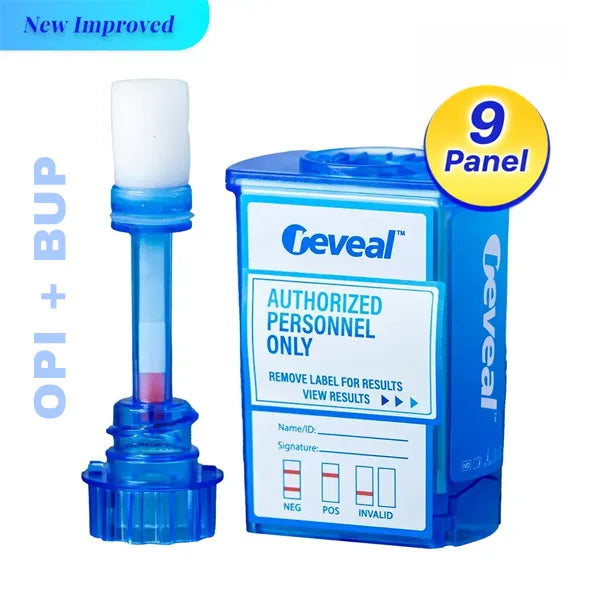
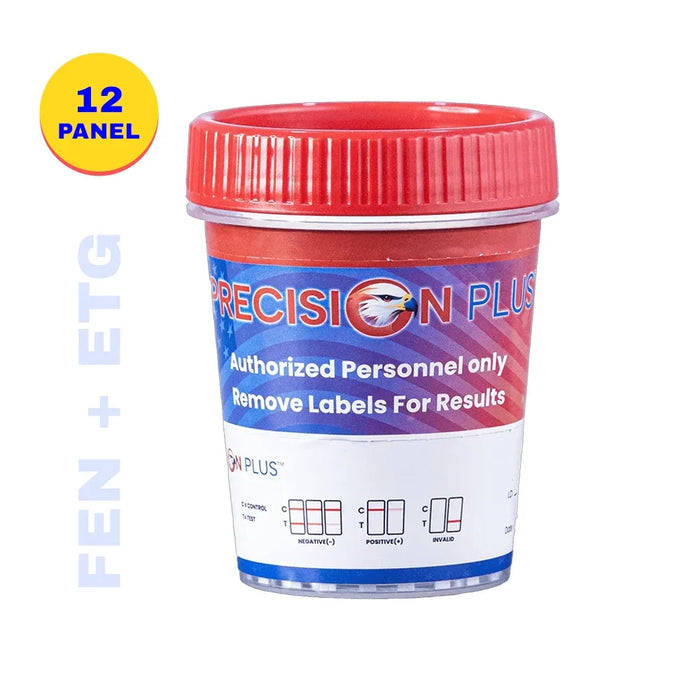
American Screening Corp has supplied FDA-cleared, CLIA-waived tests at wholesale pricing since 2004. Popular options:
- 10-panel drug test cups and dip cards
- 12-panel drug test cups
- all drug test cups (wholesale pricing)
Ordering 100+ tests? Request volume pricing.
The caveat for buyers is that "10 panel" is a marketing label, not a regulated definition. A typical configuration covers amphetamine or methamphetamine, barbiturates, benzodiazepines, cocaine, methadone, opiates or oxycodone, PCP, propoxyphene or MDMA, and THC. Manufacturers swap drugs in and out, so always read the product insert and the label on the device.
Cutoff levels for methamphetamine
The cutoff is the concentration at which a test reports positive. Federal workplace programs use the HHS Mandatory Guidelines overseen by SAMHSA. For urine, the federal initial test cutoff for amphetamines is 500 ng/mL, and the confirmatory cutoff for methamphetamine is 250 ng/mL, with amphetamine present at 100 ng/mL or more to report a methamphetamine positive (SAMHSA, Workplace Drug Testing resources). Non-regulated point-of-care devices frequently use 500 or 1,000 ng/mL for methamphetamine.
| Testing stage | Typical meth cutoff (urine) | Purpose |
|---|---|---|
| Instant cup or dip card screen | 500 or 1,000 ng/mL (varies by device) | Fast, presumptive result |
| Federal initial test (HHS) | 500 ng/mL (amphetamines) | Laboratory immunoassay screen |
| Federal confirmation (HHS) | 250 ng/mL methamphetamine, with amphetamine at 100 ng/mL or more | Definitive identification |
How long does meth stay detectable?
In urine, methamphetamine is generally detectable for roughly 2 to 4 days after last use. Heavy or chronic use, low urine pH, reduced kidney function and low hydration can extend or shorten that window. Treat these as general ranges, not guarantees, and avoid making conclusions about when someone last used.
Choosing a format: cups versus dip cards
Both formats use the same lateral-flow immunoassay principle. Integrated drug test cups collect and test in one step, which suits clinics, probation offices and employers that want fewer handling steps and optional temperature strips or adulterant checks. Drug test dip cards are a lower per-test option for high-volume programs that already have a collection container and workflow.
How to read and act on a result
- Check the specimen temperature within the window stated in the instructions, if the device has a strip.
- Wait the full read time in the insert, then read within the stated limit. Results read late can be unreliable.
- Confirm the control line (C) appears. No control line means an invalid test; repeat with a new device.
- A visible line in the MET region means negative; no line means presumptive positive. Any faint line is treated as negative under standard instructions.
- Send every presumptive positive for laboratory confirmation before taking adverse action.
Why a positive may not mean meth use
Immunoassay screens can cross-react. Some prescription medications, such as certain amphetamine-based ADHD drugs, can cause amphetamine-class positives, and some other compounds may cause false positives on a screen. Confirmation by GC-MS or LC-MS/MS distinguishes methamphetamine from these substances, and a medical review officer (MRO) can evaluate legitimate prescriptions.
FDA, CLIA and DOT status
Many urine drug screening devices are cleared by the FDA for either prescription use or over-the-counter use, and the FDA publishes information on drugs of abuse tests. Point-of-care devices used in clinical settings may be CLIA-waived, which depends on the specific product. Always request the 510(k) or CLIA documentation from your supplier. For DOT-regulated testing, 49 CFR Part 40 requires a federal Custody and Control Form, a SAMHSA-certified laboratory and an MRO review. Instant cups are not a substitute for a DOT laboratory test.
Buyer checklist before ordering
- Confirm the exact drug list; make sure MET (or AMP/MET) is on the panel.
- Record the cutoff in ng/mL for each analyte.
- Ask for FDA clearance and CLIA-waiver documentation where your setting requires it.
- Check shelf life, storage temperature and lot-level quality documentation.
- Decide whether you need temperature strips and adulterant checks.
- Set a written policy for confirmation testing and MRO review.
- Confirm whether your program is DOT-regulated, which changes the required method.
Programs that screen applicants may also pair drug testing with employment screening through our sister division, Reveal Background. If you need help matching a panel and cutoff to your program, contact American Screening Corp.
Frequently asked questions
Does meth show up on a 10 panel drug test?
Yes. Methamphetamine is on nearly all 10 panel urine tests, though you should verify the specific device because panels are not standardized.
What is the cutoff level for meth on a urine screen?
Point-of-care devices commonly use 500 or 1,000 ng/mL. Federal HHS guidelines use 500 ng/mL for the initial amphetamines screen and 250 ng/mL for methamphetamine confirmation.
How long can a urine test detect methamphetamine?
Generally about 2 to 4 days after last use, with variation based on dose, frequency, urine pH, hydration and metabolism.
Should a positive instant test be confirmed?
Yes. Instant results are presumptive. Laboratory confirmation by GC-MS or LC-MS/MS, plus MRO review where applicable, should come before any adverse action.
Sources
- SAMHSA: Workplace Drug Testing
- U.S. DOT Office of Drug and Alcohol Policy and Compliance: 49 CFR Part 40
- FDA: Drugs of Abuse Tests
This article is general information, not legal or medical advice.