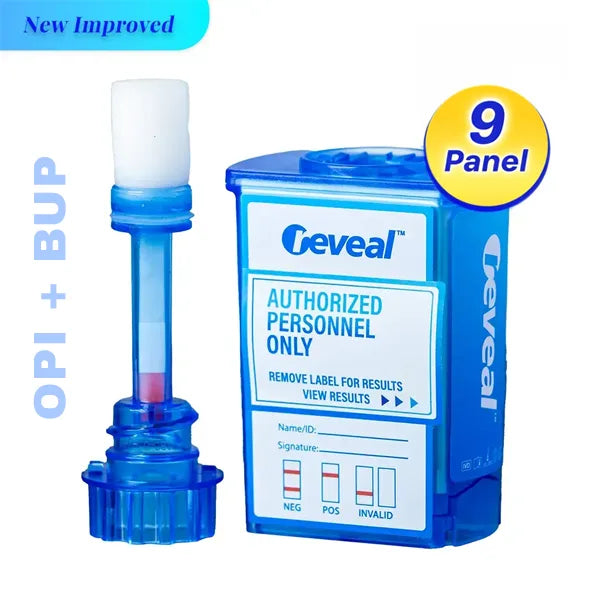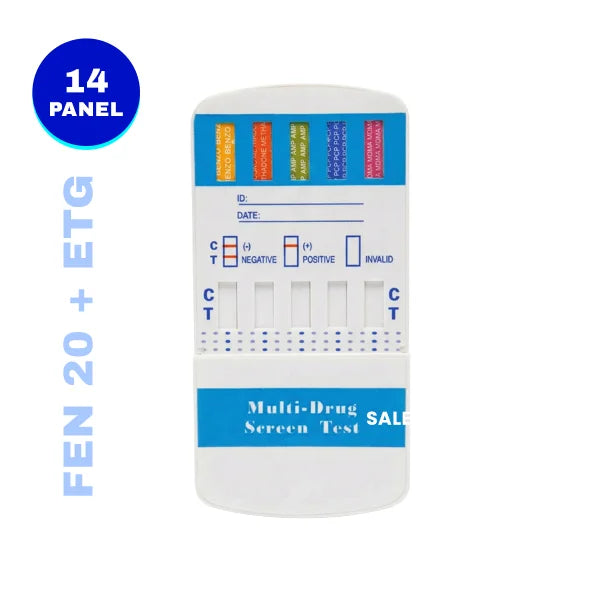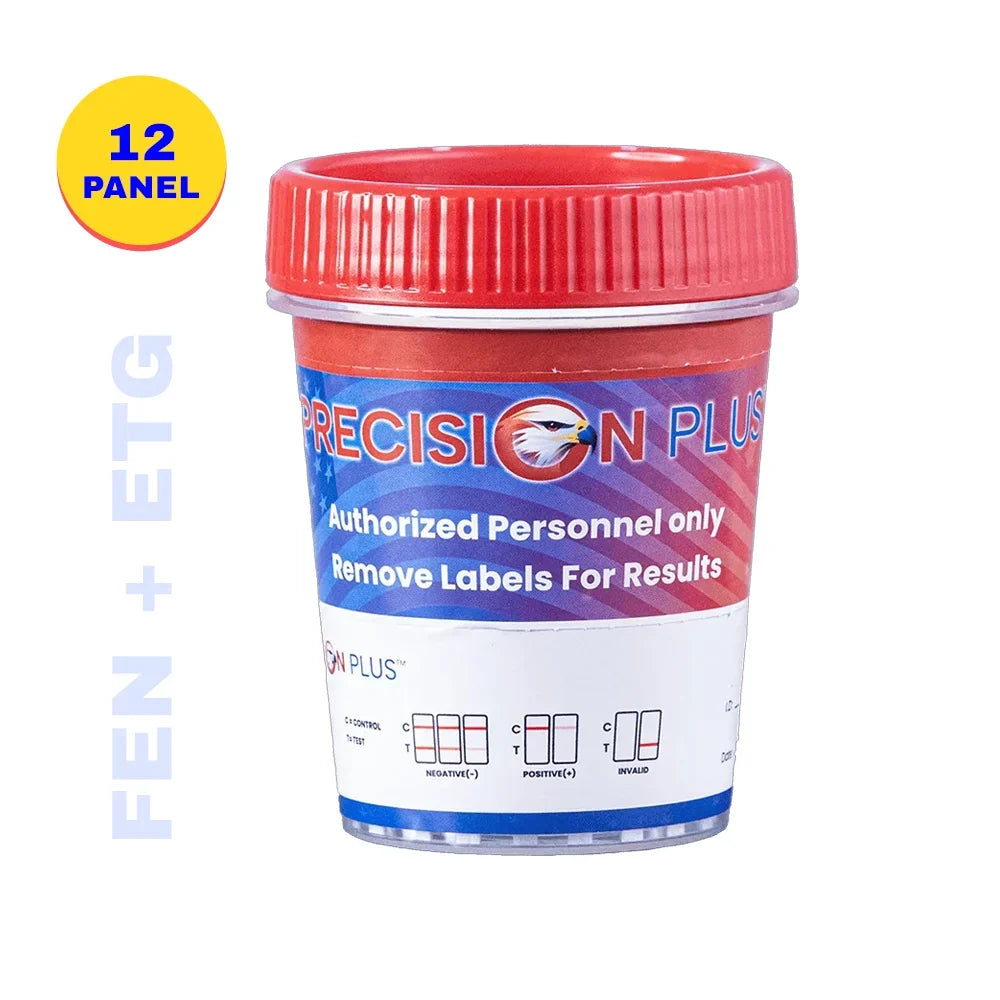
Quick answer: Lunesta (eszopiclone) usually does not show up on standard 5-panel or 10-panel urine drug tests, because those panels do not target it and it is not a benzodiazepine. A laboratory test, such as LC-MS/MS, can detect it if the drug is specifically requested.
- Instant cups and dip cards generally do not screen for eszopiclone; they detect defined drug classes.
- Detection requires a specialized lab assay ordered by name, usually after a medical or policy trigger.
- A valid prescription changes how a result is interpreted, so route it through a Medical Review Officer or clinician.
What Lunesta is and why it matters to test administrators
Lunesta is the brand name for eszopiclone, a nonbenzodiazepine sedative-hypnotic prescribed for insomnia. The FDA label lists it as a Schedule IV controlled substance, and MedlinePlus notes it can cause next-day drowsiness and complex sleep behaviors. For safety-sensitive employers, treatment programs and courts, that makes it relevant even when a routine screen comes back negative.
Need drug tests for your clinic, program or workplace?
American Screening Corp has supplied FDA-cleared, CLIA-waived tests at wholesale pricing since 2004. Popular options:
Ordering 100+ tests? Request volume pricing.
Does Lunesta show up on a standard drug test?
In most cases, no. Common point-of-care panels detect classes such as amphetamines, cocaine, opiates, THC, PCP and, on expanded panels, benzodiazepines, barbiturates, methadone and others. Eszopiclone is chemically distinct from benzodiazepines, so a benzodiazepine test strip is not designed to react to it. The federal workplace program described by SAMHSA and the DOT testing program also do not include eszopiclone in their standard panels.
Be careful about one point: instant tests can occasionally cross-react or produce unexpected results, so a negative or non-negative screen should never be treated as proof about a specific sedative. Only a confirmatory lab method identifies the specific compound.
What can detect it
- Urine lab testing: LC-MS/MS or similar methods can identify eszopiclone or its metabolites when the lab includes it in the requested panel.
- Blood testing: Used in clinical or impairment investigations, with a shorter detection window.
- Oral fluid and hair: Possible only through specialized lab panels; availability varies by laboratory.
How long does Lunesta stay in the body?
The FDA prescribing information reports an elimination half-life of about 6 hours in healthy adults, longer in older adults. Detection windows depend on the dose, kidney and liver function, the specimen and the lab method's sensitivity. Ask your laboratory for its validated cutoff and window for eszopiclone rather than relying on general estimates.
Decision table: which test fits your situation?
| Situation | Instant cup or dip card | Specialized lab test |
|---|---|---|
| Routine pre-employment screening | Appropriate; does not target Lunesta | Not usually needed |
| DOT-regulated testing | Follow the DOT-required panel and lab process | Not part of the standard DOT panel |
| Treatment program monitoring | Good for frequent class-level screening | Useful if sedative misuse is suspected |
| Probation or court order naming sedatives | Initial screen only | Recommended; request eszopiclone by name |
| Post-incident or impairment concern | Limited value for this drug | Consider with clinical or legal guidance |
Choosing supplies for your program
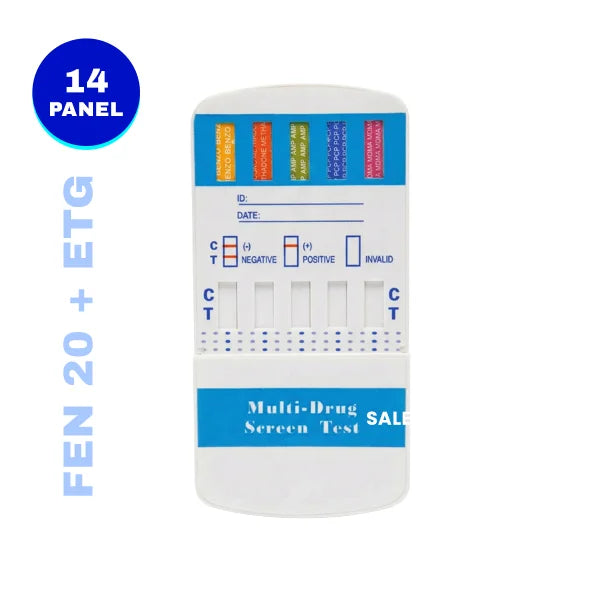
If you run routine screening, a multi-drug drug test cup gives you a fast, on-site result for defined drug classes and built-in specimen handling. For lower-volume or field use, drug test dip cards offer the same class-level screening in a compact format. Neither replaces a lab assay for a drug outside the panel. Before buying, request the manufacturer's documentation showing FDA 510(k) clearance and CLIA-waiver status for the exact product, and confirm the listed cutoffs (ng/mL) for each analyte.
How to read and act on results
- Check the specimen validity: temperature window, tamper indicators and expiration date.
- Read the result within the time stated in the instructions, and ignore lines that develop afterward.
- Treat any faint line as the test device defines it; follow the device insert for a presumptive-positive.
- Send presumptive positives for laboratory confirmation, and document chain of custody.
- If a donor reports a prescription, refer the result to a qualified reviewer instead of making an adverse decision on the screen alone.
Checklist: before you request Lunesta testing
- Written policy or court order that names sedative-hypnotics or authorizes expanded testing.
- Laboratory confirmation that it offers eszopiclone with a validated cutoff.
- Chain-of-custody forms and a split-specimen procedure.
- A process for prescription disclosure and medical review.
- Confirmation that the policy complies with state law and any ADA considerations.
- Documented staff training on collection and result interpretation.
For hiring programs that combine drug screening with employment verification, Reveal Background, our sister division, handles background checks. For supply questions, contact American Screening Corp and we can help match products to your testing policy.
Frequently asked questions
Does Lunesta show up on a 10-panel drug test?
Usually not. A 10-panel covers defined classes, and eszopiclone is not a standard target. A specialized lab test is needed to identify it.
Will Lunesta cause a false positive for benzodiazepines?
It is not expected to, since it is not a benzodiazepine, but immunoassays can behave unpredictably. Any presumptive positive should be confirmed by a laboratory.
How long is Lunesta detectable?
The FDA label gives a half-life of about 6 hours in healthy adults. Actual detection depends on the specimen, dose, individual factors and lab method, so check with your laboratory.
Can an employer test for Lunesta?
Often yes, if its policy and state law permit and a lab offers the assay. A valid prescription should be reviewed by a qualified medical professional before any action.
Sources
- MedlinePlus (NIH): Eszopiclone
- SAMHSA: Workplace Drug Testing
- U.S. DOT: Office of Drug and Alcohol Policy and Compliance
This article is general information, not legal or medical advice.