Lucemyra is the brand name for lofexidine hydrochloride, a prescription medication approved to reduce the physical symptoms of opioid withdrawal in adults. Patients starting treatment for opioid use disorder, or stepping down from opioid pain management, are sometimes given this medication while a clinic or employer continues routine drug testing. That overlap raises a fair question for both the patient and the person reviewing the test result: does lofexidine itself register as a positive, and if not, why does a patient on it still sometimes test positive for something else.
The short answer is that lofexidine is not an opioid, is not a federally controlled substance, and is not an analyte that any standard immunoassay cup, dip card, or oral fluid panel is designed to detect. A positive result in a patient taking Lucemyra almost always reflects the opioid the person is withdrawing from, a different prescribed or illicit substance, or an unrelated cross reactivity issue with another drug class entirely. This article explains the pharmacology in plain terms, walks through how screening and confirmation testing actually work, and lays out what the medical review officer (MRO) process is for when a legitimate prescription is in the picture.
What Lucemyra actually is
Lofexidine is a centrally acting alpha-2 adrenergic receptor agonist. That is the same drug class as clonidine, which clinicians have used off label for withdrawal symptom management for years. According to the current prescribing information on file with the agency, Lucemyra works by reducing the release of norepinephrine in the central nervous system, which blunts the autonomic symptoms of opioid withdrawal such as sweating, chills, muscle aches, anxiety, and a racing pulse. It does not bind to opioid receptors, does not produce opioid agonist or antagonist activity, and is not scheduled under the Controlled Substances Act. The full label, including the mechanism of action and clinical pharmacology sections, is published on the National Library of Medicine's DailyMed listing for Lucemyra. The FDA's own approval record for the application is available through the agency's Drugs@FDA database entry for lofexidine (application 209229).
Because lofexidine is pharmacologically unrelated to opiates, opioids, benzodiazepines, amphetamines, or any other class on a standard workplace or clinical panel, there is no published cross reactivity data showing that it triggers a false positive on an immunoassay screen. If a specific manufacturer's package insert for a given test cup or strip does list a cross reactant, that document is the authority to check, but no credible evidence connects lofexidine to a positive opiate, opioid, or stimulant screen.
Screening versus confirmation, and why this distinction matters here
Immunoassay screening devices, the kind used in test cups, dip cards, and oral fluid collectors, work by detecting antibody binding to a target drug or its metabolites at a set cutoff concentration. They are fast and inexpensive, but they are a screen, not a legal identification. A non negative screen is always presumptive. Any result that needs to stand up to a legal, employment, or clinical decision is sent for confirmation by gas chromatography mass spectrometry (GC/MS) or liquid chromatography tandem mass spectrometry (LC/MS), which identifies the exact molecule present rather than a class of related compounds.
This two step design is exactly why a patient on Lucemyra is not at risk of a lofexidine related false positive. Lofexidine is not a target analyte on any standard opiate, opioid, or amphetamine antibody, so there is nothing for the screen to cross react with, and nothing for a lab to need to rule out on confirmation. The medication simply does not appear anywhere in the test's chemistry.
| Panel or analyte group | Does it include lofexidine | What it does detect in a withdrawal patient |
|---|---|---|
| Opiate screen (morphine class) | No | Heroin, morphine, codeine metabolites |
| Expanded opioid panel | No | Oxycodone, hydrocodone, oxymorphone and related semisynthetics |
| Buprenorphine specific strip | No | Buprenorphine or norbuprenorphine, used in medication assisted treatment monitoring |
| Methadone specific strip | No | Methadone metabolite (EDDP), used when methadone maintenance is part of care |
| Amphetamine or stimulant screen | No | Amphetamine, methamphetamine class compounds, unrelated to alpha-2 agonists |
In other words, a patient who tests positive while on Lucemyra is testing positive for the opioid their treatment plan is addressing, for a different prescribed medication such as buprenorphine or methadone in a medication assisted treatment program, or for an unrelated substance. The lofexidine itself is not the source of the result.
Why patients on withdrawal medication still get tested
Clinics providing opioid withdrawal management or medication assisted treatment commonly continue periodic drug testing for clinical reasons that have nothing to do with the withdrawal medication itself. Testing during this phase of care helps the treating provider confirm which substances are actually present, monitor for illicit opioid or other substance use during taper, and document whether a co occurring medication such as buprenorphine or methadone is being taken as prescribed. Employers in safety sensitive roles, including those covered by federal transportation testing rules, may also require continued testing as part of a return to duty or follow up testing plan after a substance use related absence. None of that testing activity is looking for lofexidine. It is looking for the substances the panel is actually built to detect.
The medical review officer process is what protects a legitimate prescription
Any non negative result, whether it involves a withdrawal medication, a medication assisted treatment drug, or any other prescription, should route through a medical review officer rather than being reported to an employer as a simple positive or negative. The MRO is a licensed physician trained to review laboratory confirmed results, contact the employee confidentially, and evaluate legitimate medical explanations such as a current prescription before a final result is reported. Federal procedures for this review, including how an MRO verifies a result and what documentation an employee may be asked to provide, are set out in the Department of Transportation's regulation at 49 CFR Part 40, Subpart G, covering medical review officers and the verification process. Programs outside DOT covered testing generally follow a similar verification model, and federal workplace program guidance is maintained by the Substance Abuse and Mental Health Services Administration at its workplace employer resources page.
Patients taking Lucemyra, or any other prescribed medication during withdrawal management or treatment, should keep their prescription documentation available and disclose it to the MRO or collection site when asked. That documentation is the mechanism that resolves a question about a prescribed medication, not an assumption by the lab or the employer.
What this means for employers and collectors
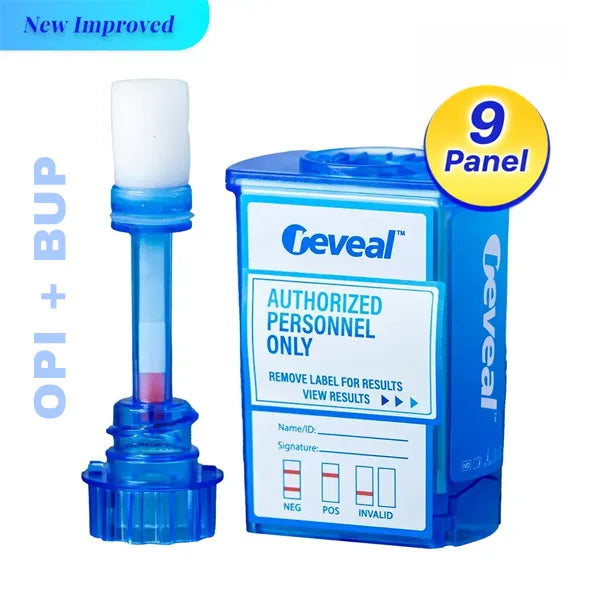
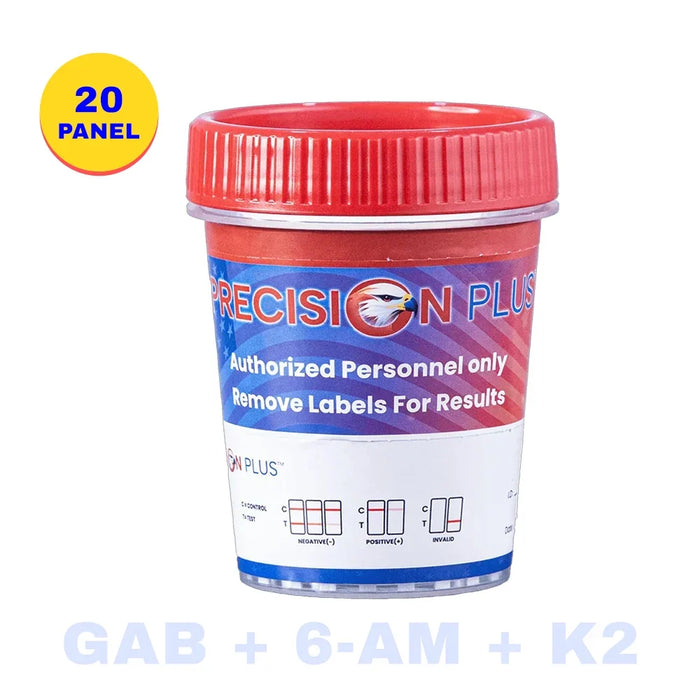
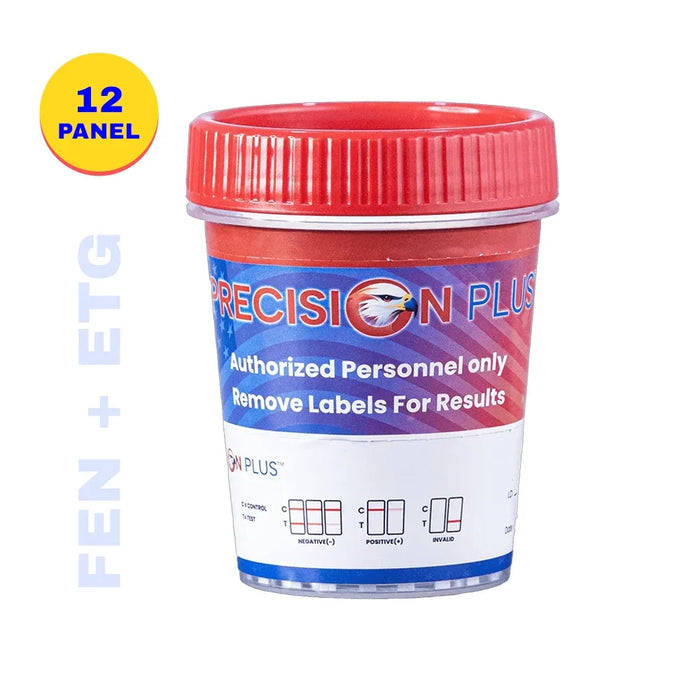
Collection staff and program administrators do not need to build lofexidine into any custom screen or watch list. The relevant questions in a withdrawal management or treatment monitoring context are which opioid or treatment medication panel the clinical or employment program has selected, such as a buprenorphine or methadone specific device, and whether the result pathway includes MRO review before anything is finalized. Choosing a cup or panel configuration that matches the substances actually relevant to the population being tested, rather than assuming a broad opiate panel captures everything, is the more useful compliance step. Employers building or reviewing a panel configuration for a treatment or recovery adjacent workforce can review available cup and card configurations through the drug test cup collection at American Screening Corporation.
Frequently asked questions
Does Lucemyra cause a false positive on a drug test?
There is no published cross reactivity evidence showing that lofexidine, the active ingredient in Lucemyra, triggers a false positive on standard opiate, opioid, amphetamine, or other immunoassay panels. It is not chemically related to any commonly screened drug class.
Is Lucemyra a controlled substance?
No. Lofexidine is not scheduled under the Controlled Substances Act and is not an opioid. It is an alpha-2 adrenergic agonist used to manage withdrawal symptoms, as described in its official labeling.
Will a drug test show what medication a patient is taking for opioid withdrawal?
Standard panels are not designed to detect lofexidine at all. They may detect the opioid the patient is withdrawing from, or a treatment medication such as buprenorphine or methadone if a panel includes a specific strip for it, but not Lucemyra itself.
What should happen if someone on Lucemyra gets a non negative drug test result?
The result should go through medical review officer verification, where the individual can provide prescription documentation for any medication that could legitimately explain a confirmed finding, following the process described in federal MRO regulations.
Can an employer require testing during opioid withdrawal treatment?
Whether testing is required or how it is structured generally depends on the employer's policy and any applicable federal rule, such as DOT return to duty testing for safety sensitive transportation roles. Employers should apply testing policy consistently and consult counsel on return to duty or accommodation questions.
Does a standard opiate panel detect buprenorphine or methadone used during treatment?
Generally no. Buprenorphine and methadone typically require their own dedicated strips or panel configuration because standard morphine class opiate immunoassays are not built to detect them at relevant cutoffs.
Related reading: Does Clonidine Show Up on a Drug Test? and The Medical Review Officer (MRO) Process Explained for Employers.
This article is general information only and is not legal or medical advice. Employers and individuals should consult qualified counsel or a licensed medical provider for guidance specific to their situation.