Humira is the brand name for adalimumab, a prescription biologic medication used for rheumatoid arthritis, Crohn's disease, ulcerative colitis, psoriasis and several other inflammatory conditions. It is given as a subcutaneous injection, not swallowed, and it is not a controlled substance under federal law. People starting Humira, or managing it alongside a new job's pre employment screening, often want a plain answer about whether it can affect a workplace drug test result. This article explains what Humira actually is, how standard drug test panels are built, why a large protein biologic sits outside what those panels look for, and what to do if a job requires disclosure of current medications for safety reasons unrelated to drug testing.
This is general information for employees and employers, not medical or legal advice. Anyone with questions about a specific test result should talk to the laboratory's medical review officer or their prescribing clinician.
What Humira actually is
Adalimumab is a fully human monoclonal antibody that blocks tumor necrosis factor alpha, a protein involved in inflammation. According to the prescribing information hosted on DailyMed, Humira is indicated for moderate to severe rheumatoid arthritis, juvenile idiopathic arthritis, psoriatic arthritis, ankylosing spondylitis, Crohn's disease, ulcerative colitis, plaque psoriasis, hidradenitis suppurativa and uveitis, and it is administered by injection under the skin on a schedule set by a prescriber. The National Library of Medicine's consumer drug reference at MedlinePlus describes adalimumab the same way, as an injectable biologic that works by blocking a specific inflammatory protein rather than acting on the central nervous system the way an opioid, stimulant or sedative does.
That distinction matters for drug testing. Adalimumab is a large protein molecule, not a small molecule drug of abuse. It does not produce intoxication, it has no street value, and it is not scheduled under the Controlled Substances Act. Biologic medicines like Humira go through FDA review as biologics license applications rather than the generic drug pathway, a process the FDA describes on its biosimilars information page. None of that review relates to workplace drug screening panels, but it underscores that Humira is regulated and classified entirely differently from the substances urine, oral fluid and hair panels are built to detect.
How standard workplace drug tests are built
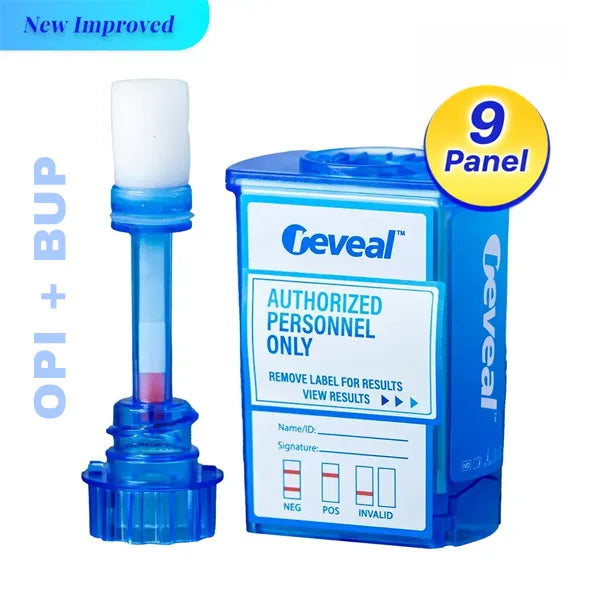
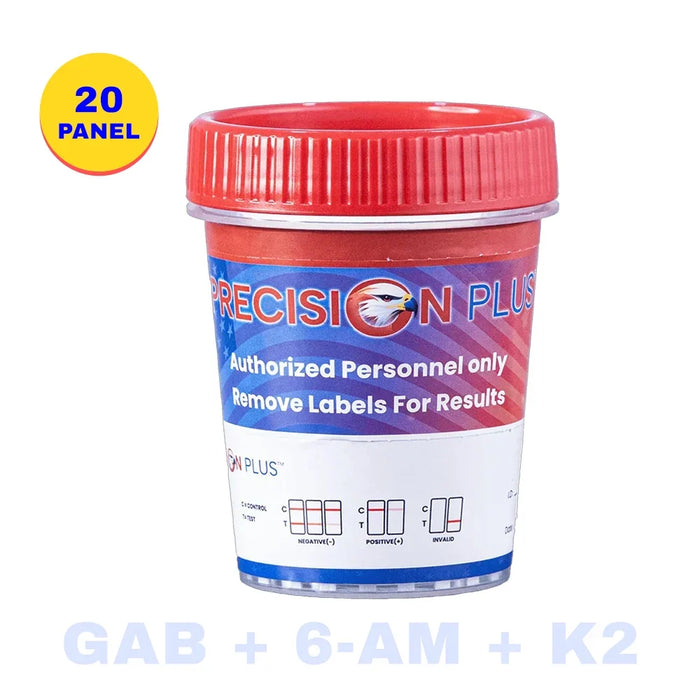
Workplace drug test cups, dip cards and oral fluid devices use immunoassay screening technology. Each test strip contains antibodies designed to bind to one targeted drug class, such as amphetamines, cocaine metabolite, opiates, phencyclidine or marijuana metabolite. A positive screen only happens when a specimen contains enough of a chemically similar molecule to trigger that specific antibody reaction. For federally regulated safety sensitive positions, the analytes that must be included in an initial drug test are set out in the Department of Transportation's testing rule at 49 CFR 40.85, which lists marijuana metabolite, cocaine metabolite, amphetamines (including methamphetamine and MDMA), opioids and phencyclidine as the analytes employers must test for. The cutoff concentrations that determine a screening or confirmation positive for each of those analyte groups are set out separately at 49 CFR 40.87.
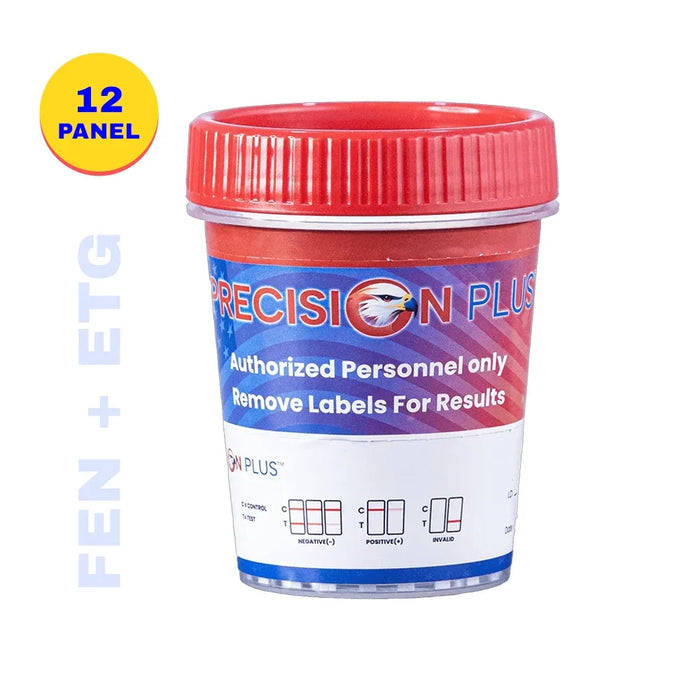
Adalimumab is not on that list, and it is not part of any 5 panel, 10 panel or 12 panel employer screen built around those same analyte categories. Private employer panels generally follow the same small molecule drug classes the federal panel uses, sometimes adding benzodiazepines, barbiturates or synthetic analytes, but none of the commercially available immunoassay strips are manufactured to target TNF inhibitor biologics. There is no published cross reactivity data showing that adalimumab, or any monoclonal antibody drug in its class, triggers a positive result on these screening antibodies.
| Panel component | What it targets | Does Humira trigger it |
|---|---|---|
| Marijuana metabolite (THC-COOH) | Cannabis metabolite | No, no published cross reactivity |
| Cocaine metabolite (benzoylecgonine) | Cocaine use | No |
| Opiates / opioids | Morphine, codeine, and related opioid analytes | No |
| Amphetamines | Amphetamine, methamphetamine, MDMA | No |
| Phencyclidine (PCP) | PCP | No |
| Extended or custom panels (benzodiazepines, barbiturates, synthetic analytes) | Additional small molecule drug classes some employers add | No, these are also small molecule analytes unrelated to TNF inhibitor biologics |
Why a biologic like Humira is not detected
Two separate reasons explain why Humira does not register on a drug test panel. First, the screening antibodies in a cup or dip card are chemically matched to small molecule drugs and their metabolites, not to large therapeutic proteins. Adalimumab's molecular structure has nothing in common with the drug classes those antibodies were designed around, so there is no mechanism for cross reactivity. Second, confirmation testing by gas chromatography mass spectrometry (GC/MS) or liquid chromatography tandem mass spectrometry (LC/MS/MS) works by matching a specimen's molecular signature against the specific analyte a lab is confirming, usually because a screening test flagged that same drug class. Labs are not running a confirmation test for a biologic that never caused a screening flag in the first place, and standard forensic drug testing panels are not built to confirm monoclonal antibody proteins at all.
Put plainly, there is no credible evidence that Humira causes a false positive on any standard immunoassay drug panel, and there is no scenario in a routine employment drug screen where adalimumab itself would be the analyte being searched for.
Disclosure, the MRO process and safety sensitive work
Because Humira is not an analyte on standard panels, a person taking it generally has nothing to disclose for drug test purposes alone. The medical review officer (MRO) process that applies to federally regulated testing exists to verify legitimate prescriptions when a specimen screens positive for one of the regulated analytes listed in 49 CFR Part 40, not to review every medication an employee happens to be taking. The Substance Abuse and Mental Health Services Administration outlines the role of the medical review officer and the structure of federally regulated workplace testing programs on its workplace resources page. If a test comes back positive for a regulated analyte for any reason, the employee should tell the MRO about all current prescriptions so the MRO can evaluate the result, but Humira itself is not the kind of medication that produces that scenario.
Separately, some employers ask about current medications as part of a pre employment physical, fitness for duty evaluation or safety sensitive medical clearance that is distinct from a drug test. Those questions are about immune suppression, infection risk or physical capability for the job, not about adalimumab triggering a chemical panel. Humira's labeling includes warnings about increased risk of serious infections and other immune related effects, which is why some safety sensitive or high exposure roles may ask about immunosuppressant use for occupational health reasons. Employees with questions about how a medication interacts with job duties should talk to their own prescriber and, where relevant, their employer's occupational health contact rather than assuming it has anything to do with the drug test panel itself.
What employers should know
Employers building or reviewing a drug testing program should keep the testing policy focused on the analytes actually listed in their panel configuration and should never treat a listed prescription medication, including biologics like Humira, as grounds for an adverse action without MRO review of any actual screening result. Reasonable accommodation questions involving a chronic inflammatory condition or an immunosuppressant prescription generally fall under disability and medical privacy rules rather than drug testing policy, and employers should route those questions to HR or legal counsel rather than to the testing program. Businesses standardizing a workplace testing program, including cups, dip cards and oral fluid devices for the analytes that are actually part of federal and most private panels, can review device options through the wholesale portal at https://wholesale.americanscreeningcorp.com or the retail collection at drug test cups.
For related background on how other prescription medications interact with standard panels, see Does Methotrexate Show Up on a Drug Test? Immunosuppressants and Panels and Does Insulin Show Up on a Drug Test? Diabetes Medications and Workplace Panels, both of which cover injectable prescription medications that, like Humira, are not controlled substances and are not targeted by standard immunoassay panels.
Frequently asked questions
Does Humira show up on a standard urine drug test?
No. Humira (adalimumab) is a monoclonal antibody biologic, not a small molecule drug targeted by any standard 5, 10 or 12 panel immunoassay, and there is no published cross reactivity between adalimumab and those screening antibodies.
Is Humira a controlled substance?
No. Adalimumab is not scheduled under the Controlled Substances Act and carries no abuse potential in the way testing panels are designed to detect.
Will GC/MS or LC/MS lab confirmation detect Humira?
Standard forensic confirmation testing is performed only on analytes that already screened positive on an immunoassay panel, and those panels are not built to target monoclonal antibody biologics, so a routine confirmation run would not be searching for adalimumab.
Do I need to tell an employer or an MRO that I take Humira?
If a drug test comes back positive for one of the regulated analytes for any reason, disclose all current prescriptions to the medical review officer so the result can be properly evaluated. Taking Humira by itself does not trigger a drug test flag that would need MRO review.
Can an employer ask about Humira use outside of drug testing?
Some employers ask about current medications during fitness for duty or occupational health screening for reasons unrelated to drug panels, such as infection risk from immunosuppressant therapy. That process is separate from drug testing and generally involves HR, occupational health or legal counsel rather than the testing program itself.
Does Humira affect drug test results for other substances?
There is no published evidence that adalimumab interferes with or alters results for the regulated analytes on standard panels, such as marijuana, cocaine, opioids, amphetamines or PCP.
This article is general information, not medical or legal advice. Anyone with questions about a specific drug test result, medication or job requirement should consult a qualified medical review officer, prescribing clinician or employment counsel.