Diethylpropion, sold under the brand name Tenuate among others, is a prescription appetite suppressant used short term as part of a weight management plan. It belongs to a class of sympathomimetic amines, meaning it shares a chemical backbone with amphetamine and methamphetamine without being either of those substances. That chemical relationship is exactly why patients and employers ask whether diethylpropion will trigger a positive result on a workplace or clinical drug test. The honest answer involves two separate steps of drug testing science, an initial screen and a confirmation test, plus a documented medical review process that exists for exactly this kind of situation.
This article explains how diethylpropion is scheduled and labeled, how screening immunoassays and confirmation methods differ, what the published cross reactivity picture actually shows, and what role the medical review officer and prescription documentation play. It does not offer medical advice, dosing guidance, or legal advice.
What Diethylpropion Is and How It Is Scheduled
Diethylpropion hydrochloride is an anorectic, a drug that reduces appetite, approved for short term use alongside diet and exercise. The current current prescribing information for diethylpropion hydrochloride tablets is published on DailyMed, the National Library of Medicine's repository of official drug labeling, and it identifies the drug as a federal Schedule IV controlled substance (CIV) with a documented potential for abuse and dependence, which is why it is prescription only and dispensed under controlled substance rules.
That schedule IV placement is codified in the Drug Enforcement Administration's controlled substance schedules, which list diethylpropion among the Schedule IV stimulants at 21 CFR 1308.14 in the Electronic Code of Federal Regulations. Schedule IV status reflects a lower abuse potential than Schedule II stimulants such as prescription amphetamine products, but it still means a valid prescription and proper record keeping matter if the medication ever comes up in a drug test conversation.
How Drug Screens Actually Work: Immunoassay Versus Confirmation
Almost every workplace, clinical, or point of care drug test starts with an immunoassay screen, whether that is a urine cup, a dip card, or an oral fluid device. An immunoassay screen does not identify an exact molecule. It uses antibodies designed to bind to a family of chemically similar compounds and reports a result against a cutoff concentration for that drug class, commonly labeled AMP for the amphetamine class on panel inserts and result windows.
Because the antibody is built to recognize a shared chemical shape rather than one single molecule, cross reactivity is a known and expected limitation of screening immunoassays, not a defect. A nonnegative, or presumptive positive, screening result is never treated as a final finding. It must be followed by a laboratory confirmation method, typically gas chromatography mass spectrometry (GC/MS) or liquid chromatography tandem mass spectrometry (LC/MS or LC/MS/MS). Confirmation testing separates and identifies the specific molecule and its metabolites rather than a class, which is how a lab distinguishes diethylpropion, or any other sympathomimetic, from actual amphetamine or methamphetamine.
| Step | Method | What it measures | What it can tell you |
|---|---|---|---|
| Initial screen | Immunoassay (cup, card, or oral fluid device) | Antibody binding against a drug class cutoff | Presumptive result only; cannot identify the exact substance |
| Confirmation | GC/MS or LC/MS/LC-MS/MS | Exact molecular identification and quantitation | Distinguishes diethylpropion and its metabolites from amphetamine or methamphetamine |
| Medical review | MRO interview and documentation review | Prescription validity and legitimate medical explanation | Determines the final reported result for a federally regulated test |
Does Diethylpropion Cross React on an Amphetamine Immunoassay?
This is the part of the question that deserves a careful, specific answer rather than a guess. Amphetamine class immunoassays are documented in clinical toxicology literature as having cross reactivity with a range of structurally related stimulants and sympathomimetic amines; a peer reviewed discussion of this limitation, including commonly cited cross reacting stimulants such as certain decongestants and other amine based drugs, appears in a 2024 clinical toxicology education study on PubMed Central, Residents' Knowledge regarding Recreational Drug Screening Immunoassays at a Swiss Hospital Group, which notes that false positive results due to cross reactivity are especially common for the amphetamine class of immunoassays.
What the available published literature does not provide is a well documented, widely cited dataset specifically naming diethylpropion as a confirmed cross reactant on major commercial amphetamine immunoassay platforms. In plain terms, there is limited published evidence that diethylpropion itself routinely triggers a positive amphetamine class screen, and no credible, specific cross reactivity data should be assumed where none has been published. If a screen does come back nonnegative for a patient taking diethylpropion, the correct next step is the same regardless of the cause: laboratory confirmation by GC/MS or LC/MS, which will show whether amphetamine or methamphetamine is actually present or whether the result reflects something else entirely, including diethylpropion's own metabolites if the testing panel and confirmation method are built to resolve them.
Employers, clinics, and patients should never rely on a screening result alone to conclude that a prescription medication is or is not detected. Only confirmation testing identifies the specific substance.
The Medical Review Officer Process and Prescription Documentation
For federally regulated testing, including Department of Transportation safety sensitive positions, a confirmed nonnegative result does not become a final reported result until a medical review officer (MRO), a licensed physician trained in this specific review process, evaluates it. The MRO's authority and the standard for verifying amphetamine class results are set out in 49 CFR Part 40, Subpart F, which governs how an MRO verifies test results involving amphetamines and other specified drugs, including the requirement to give the tested individual an opportunity to provide a legitimate medical explanation, such as a valid prescription, before a result is reported as verified positive.
The same two step structure, a nonnegative screen followed by confirmation and medical review, traces back to the Department of Health and Human Services' Mandatory Guidelines for Federal Workplace Drug Testing Programs, published through the Substance Abuse and Mental Health Services Administration (SAMHSA) and available through the Federal Register. These guidelines establish the cutoff levels, confirmation requirements, and MRO review steps that federal workplace testing programs and many DOT regulated and private sector programs model their own policies on.
In practice this means a person taking diethylpropion under a valid prescription who receives a nonnegative amphetamine class screen should expect, and can request, the chance to provide that prescription and pharmacy documentation to the MRO or reviewing physician during the verification interview. This is a normal, built in part of the testing process, not a special exception.
DOT and Non-DOT Testing Context
Employees in DOT regulated safety sensitive roles, such as certain commercial drivers, are tested under 49 CFR Part 40 using a federally defined panel that includes the amphetamine class. Non-DOT employers are not required by federal law to test at all outside of specific regulated industries, and when they do test, their panel selection, cutoff levels, and MRO or review process vary by company policy and by state. State laws on workplace drug testing also vary, so any employer building a program around a prescription medication scenario should confirm current requirements against the primary federal sources above and consult qualified counsel for state specific rules rather than relying on general guidance.
What To Do If You Take Diethylpropion and Face a Drug Test
Keep current prescription documentation, including the prescribing practitioner's information and pharmacy records, available in case a screening result requires MRO review. Disclose the prescription during any medical review interview rather than after the fact. This article does not provide dosing, treatment, or legal advice; questions about the medication itself belong with the prescribing practitioner, and questions about a specific test result belong with the testing program's MRO or reviewing physician.
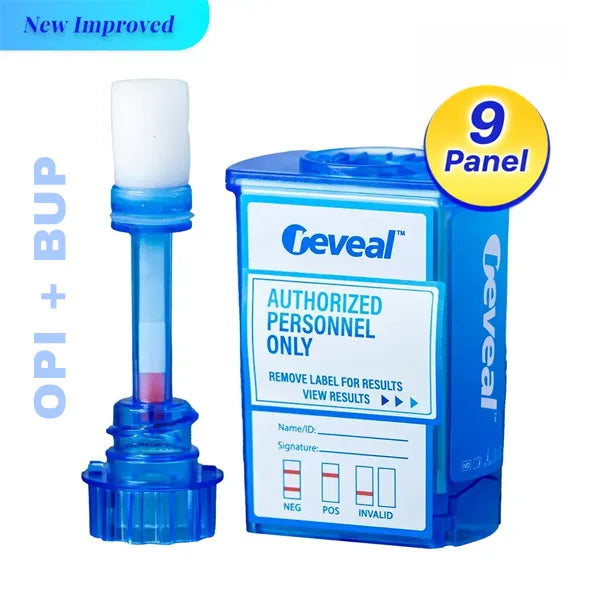
Employers building or maintaining a testing program can review panel options, including cups and devices built around the standard amphetamine class target, through American Screening Corporation's wholesale catalog at drug test cups, or through the dedicated wholesale portal at wholesale.americanscreeningcorp.com for account based ordering.
For background on how the amphetamine panel itself is built and reported, see What Is AMP on a Drug Test? Amphetamine Panel Explained. For another look at how a different prescription medication interacts with the same amphetamine class screen, see Does Contrave Cause a False Positive Drug Test? Bupropion, Naltrexone and the Amphetamine Screen.
Frequently asked questions
Does diethylpropion show up as amphetamine on a drug test?
Diethylpropion is not the same molecule as amphetamine or methamphetamine, and standard panels are not built to target diethylpropion specifically. Published literature does not establish diethylpropion as a confirmed, well documented cross reactant on amphetamine class immunoassays, so a positive screen caused specifically by diethylpropion should be considered unconfirmed until a GC/MS or LC/MS confirmation test is run.
Is diethylpropion the same as amphetamine?
No. Diethylpropion is a separate, federally scheduled sympathomimetic amine approved as a short term appetite suppressant. It is chemically related to amphetamine as part of a broader family of phenethylamine type stimulants, but it is a distinct, individually regulated substance under Schedule IV.
Will a prescription for diethylpropion cause a failed drug test?
A valid prescription does not by itself cause a failed test. If a screening result is nonnegative for any reason, the standard process involves laboratory confirmation and, for federally regulated tests, a medical review officer interview where a legitimate medical explanation and supporting prescription documentation can be presented before any result is reported as verified positive.
What test distinguishes diethylpropion from amphetamine?
Confirmation testing by GC/MS or LC/MS, performed after an initial nonnegative immunoassay screen, identifies the exact molecule present rather than a drug class, which is how a laboratory separates diethylpropion and its metabolites from amphetamine or methamphetamine.
Is diethylpropion a controlled substance?
Yes. Diethylpropion is listed as a federal Schedule IV controlled substance in the Drug Enforcement Administration's controlled substance schedules, reflecting a documented potential for abuse and dependence lower than Schedule II stimulants.
Do all employers test for diethylpropion specifically?
No. Standard panels target the amphetamine drug class rather than diethylpropion by name, and most employers are not required by federal law to test at all outside specific regulated industries such as DOT covered transportation roles. Panel design, cutoff levels, and review procedures vary by employer policy and by state.
This article is general information about drug testing science and regulation, not medical or legal advice. Anyone with questions about a medication or a specific test result should speak with their prescribing practitioner or the applicable medical review officer.