DHEA, short for dehydroepiandrosterone, is one of the most common supplements on store shelves, sold for anti aging, bodybuilding, menopause support and hormone balance claims. Employees who take it sometimes worry it will flag on a pre employment or random workplace drug test. For a standard workplace panel, the honest answer is no. DHEA is not an illegal drug, it is not a controlled substance, and it is not one of the analytes that a standard urine, oral fluid, or hair panel is built to detect. The confusion usually comes from the fact that DHEA is a hormone precursor that the body can convert toward testosterone, which makes people assume it must trip a steroid test. It generally will not, unless an employer has specifically ordered a separate anabolic steroid panel, which is a different test from the drug screens used in most workplaces.
What DHEA Actually Is
DHEA is produced naturally by the adrenal glands and is also sold over the counter as a dietary supplement in the United States. The Food and Drug Administration regulates dietary supplements, including DHEA products, under its dietary supplement framework rather than as approved drugs, which means DHEA supplements are not put through the same premarket approval process as a prescription medication and label claims are the manufacturer's responsibility, not an FDA endorsement. The FDA's dietary supplements program explains how these products are regulated and why "approved by FDA" is not an accurate description for any supplement, DHEA included.
DHEA is also legally distinct from the anabolic steroids that are controlled under federal law. When Congress expanded the list of substances treated as anabolic steroids under the Controlled Substances Act, it specifically wrote DHEA out of that definition. The statute defining "anabolic steroid" for scheduling purposes lists dehydroepiandrosterone among the compounds excluded from the definition, which is why DHEA can be sold at a supplement counter instead of behind a pharmacy counter. 21 U.S.C. 802(41) is the exact provision, published through the Government Publishing Office's U.S. Code collection.
What a Standard Drug Test Panel Screens For
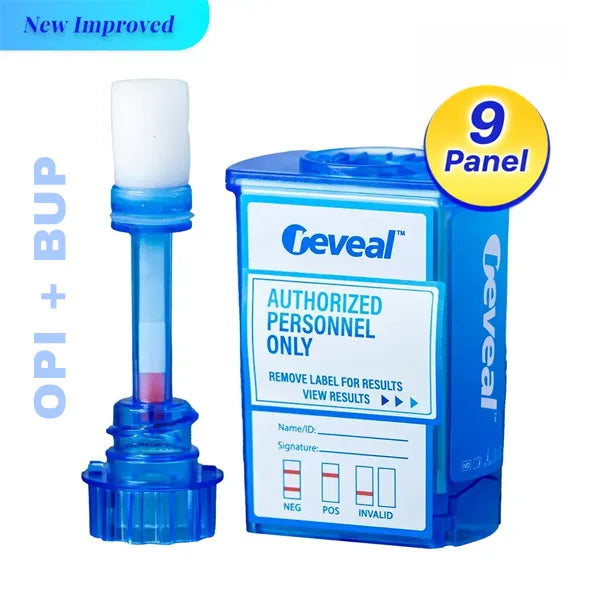
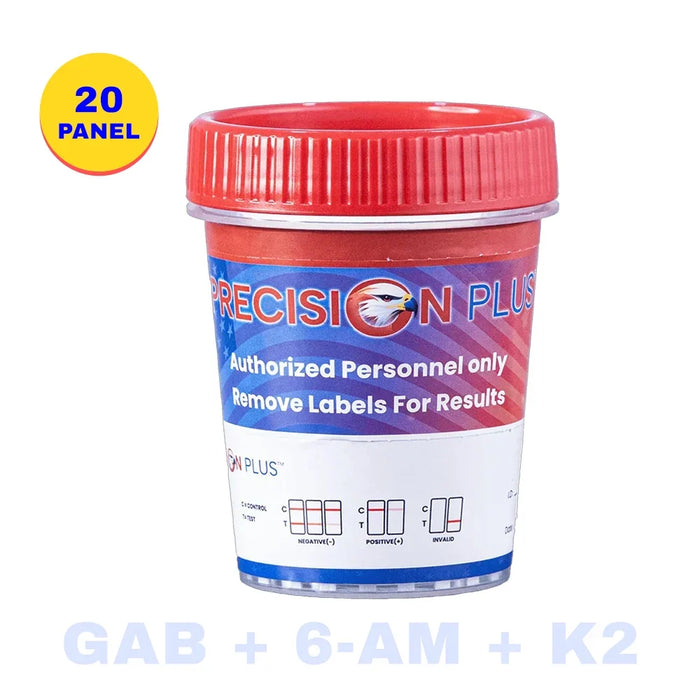
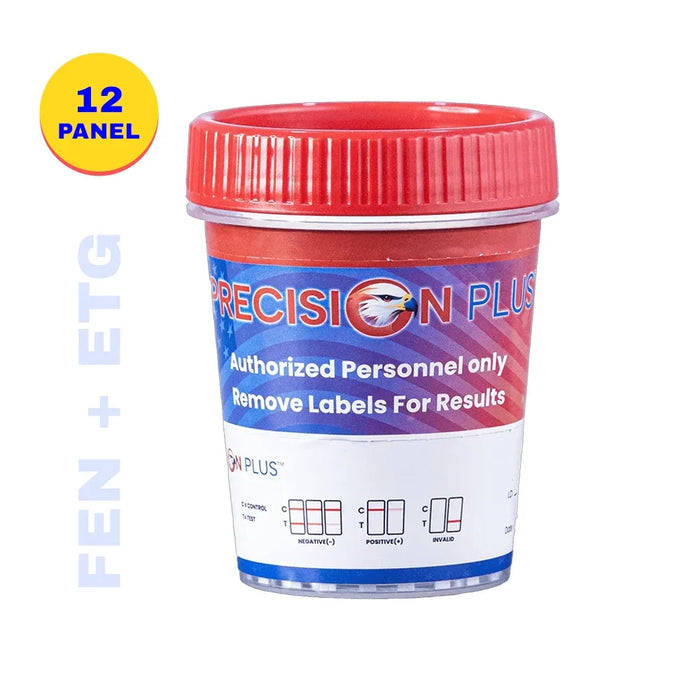
Most employment drug testing, whether a 5 panel, 7 panel, 10 panel, or 12 panel cup, dip card, or oral fluid test, is built around the drug classes identified in the federal Mandatory Guidelines for workplace drug testing programs, plus any additional illicit drug classes an employer chooses to add. SAMHSA's workplace drug testing program describes the federal framework these panels are modeled on. None of the standard panel classes are anabolic steroids or hormone precursors. The table below shows how a typical workplace panel compares with the separate test that is actually designed to detect anabolic agents.
| Test type | What it screens for | Does it include DHEA or anabolic steroids |
|---|---|---|
| Standard 5 to 12 panel urine cup or dip card | Marijuana metabolites, cocaine, opiates, amphetamines, PCP, and similar illicit drug classes | No |
| Oral fluid test | Same illicit drug classes as urine panels, recent use window | No |
| DOT regulated panel | Marijuana, cocaine, opiates, amphetamines and methamphetamine, PCP | No |
| Dedicated anabolic steroid panel | Testosterone, nandrolone, stanozolol and related anabolic agents and their metabolites, confirmed by GC/MS or LC/MS/MS at a laboratory | DHEA metabolites may be measured only if a lab specifically includes them in a custom steroid profile |
A standard immunoassay screen is designed to react to a specific drug class, and manufacturers do not build cross reactivity toward DHEA into those assays because DHEA is not a target analyte. There is no published, peer reviewed evidence that DHEA at normal supplement doses produces a false positive on a standard illicit drug immunoassay. If an employer wants to assess anabolic steroid use, that requires ordering a separate, dedicated steroid testing panel, not a standard workplace cup or dip card.
Why a Separate Steroid Panel Is a Different Test
Anabolic steroids are controlled under Schedule III of the Controlled Substances Act, and the Drug Enforcement Administration's own scheduling regulation lists the specific compounds that are treated as anabolic steroids for enforcement purposes. 21 CFR 1308.11 is that regulation, maintained in the Electronic Code of Federal Regulations. DHEA is not on that controlled list, which is consistent with its exclusion from the statutory definition above. Laboratories that do test for anabolic steroids use gas chromatography mass spectrometry or liquid chromatography tandem mass spectrometry to identify specific compounds and their urinary metabolites, a much more targeted and expensive process than a standard screening immunoassay. Workplaces outside of specific industries such as certain public safety or athletics programs generally do not order this kind of testing, and no federal law requires most private employers to screen for anabolic steroids at all.
Sports and Competitive Testing Is a Separate World
DHEA supplementation is treated very differently in competitive sports than in general employment. Collegiate and international athletic governing bodies maintain their own prohibited substance lists that are broader than federal drug scheduling and commonly include DHEA and related steroid precursors because they can raise endogenous testosterone related hormones. Those sports testing programs are not workplace drug tests, they use their own certified laboratories, their own prohibited list, and their own adjudication process, and they are governed by the athletic association or anti doping agency rather than by an employer's drug free workplace policy. An employee who is also a competitive athlete should check the rules of that specific sports body separately from anything their employer's drug testing program covers.
If an Employer Does Test for Steroids
Some employers in bodybuilding adjacent industries, certain public safety roles, or professional sports organizations do include anabolic agent testing as part of a broader program. In that situation, the laboratory conducting the confirmation testing, not the initial screening device, is where any DHEA related metabolite would actually be identified, and interpretation of any unusual lab result should go through a Medical Review Officer. An MRO is a licensed physician trained to review laboratory results, contact the employee confidentially, and consider legitimate medical and supplement explanations, including over the counter DHEA use, before a result is reported to an employer. Employees who use DHEA supplements and who know they are subject to a specialized steroid panel should keep the product packaging or a note of what they take so they can discuss it with the MRO if asked.
What This Means for Most Employees
For the overwhelming majority of pre employment, random, reasonable suspicion, and post accident workplace drug tests, DHEA use is simply not relevant. The test is not designed to detect it, it is not a controlled substance, and there is no credible evidence that normal supplement use interferes with the illicit drug classes a standard panel actually screens for. Employees do not need to disclose supplement use for a standard panel the way they would disclose a prescription medication that could explain an opiate or amphetamine result, because DHEA is not one of the drug classes being screened in the first place.
Employers building or reviewing a drug free workplace program can see how the surrounding anabolic agent testing landscape works in this overview of anabolic steroid testing and who actually tests for it, and employees asking about a related hormone are covered in the companion piece on testosterone replacement therapy and workplace panels. Employers that need to stock standard panel devices for their drug free workplace program can review cup options at the drug test cup collection.
Frequently asked questions
Does DHEA show up on a standard 5 panel or 10 panel drug test?
No. Standard panels screen for illicit drug classes such as marijuana, cocaine, opiates, amphetamines and PCP. DHEA is not one of those target analytes and is not expected to cause a positive result.
Is DHEA a controlled substance?
No. DHEA is specifically excluded from the federal definition of anabolic steroid used for drug scheduling, so it is sold over the counter as a dietary supplement rather than regulated as a controlled substance.
Can DHEA cause a false positive on a steroid test?
There is no published evidence that normal supplement use of DHEA produces a false positive on a dedicated anabolic steroid confirmation test, which relies on GC/MS or LC/MS/MS to identify specific compounds. Any unusual result should be reviewed by a Medical Review Officer who can consider supplement and medical explanations.
Will DHEA affect a DOT drug test?
DOT regulated testing screens for marijuana, cocaine, opiates, amphetamines and methamphetamine, and PCP. DHEA is not part of that panel, so normal supplement use is not expected to affect a DOT test result.
Do sports organizations treat DHEA differently than employers do?
Yes. Many collegiate and international athletic governing bodies prohibit DHEA and related steroid precursors under their own anti doping rules, which are separate from and broader than a typical employer's workplace drug testing panel.
What should an employee do if they take DHEA and are being tested for steroids specifically?
Keep the supplement packaging or a record of what is being taken and be ready to discuss it with the Medical Review Officer if a specialized steroid panel is part of the testing program. This does not apply to standard workplace panels, which do not test for DHEA at all.
This article is general information about drug testing science and workplace programs, not medical or legal advice. Employers should consult qualified counsel and a Medical Review Officer when designing or interpreting any testing program.