Quick answer: Yes, delta-8 THC can show up on a 10-panel drug test. Its metabolites are structurally similar to delta-9 THC metabolites, so standard THC immunoassay screens, commonly set at a 50 ng/mL cutoff, often cross-react and return a non-negative result. Lab confirmation can sometimes distinguish the two compounds.
- The THC line on a 10-panel urine test does not distinguish delta-8 from delta-9; both can trigger it.
- A non-negative screen is presumptive. Send it for lab confirmation before taking action.
- Write delta-8 and other hemp-derived THC products into your testing policy now.
Does delta-8 show up on a 10-panel test?
Yes. A 10-panel urine test screens for ten drug classes, and the THC (marijuana) line uses an antibody that reacts to THC-COOH, the main carboxylic acid metabolite found in urine. Delta-8 THC is metabolized into a closely related carboxylic acid compound, and the antibody frequently cannot tell them apart. The practical result is that a person who used only delta-8 can screen non-negative for THC.
Need drug tests for your clinic, program or workplace?
American Screening Corp has supplied FDA-cleared, CLIA-waived tests at wholesale pricing since 2004. Popular options:
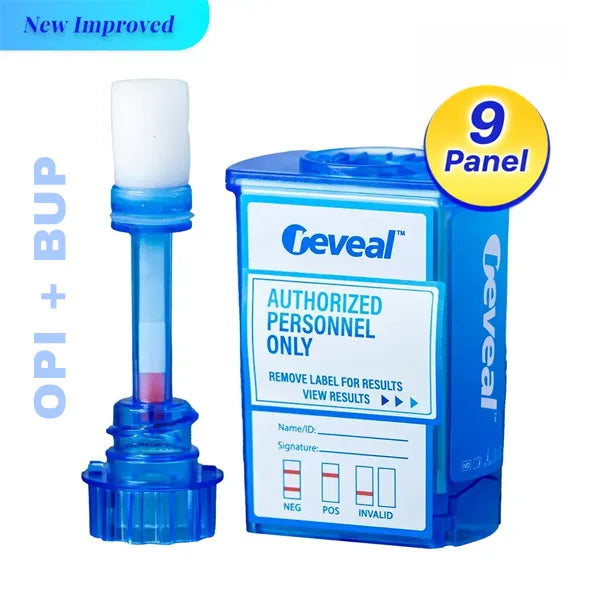
- 10-panel drug test cups and dip cards
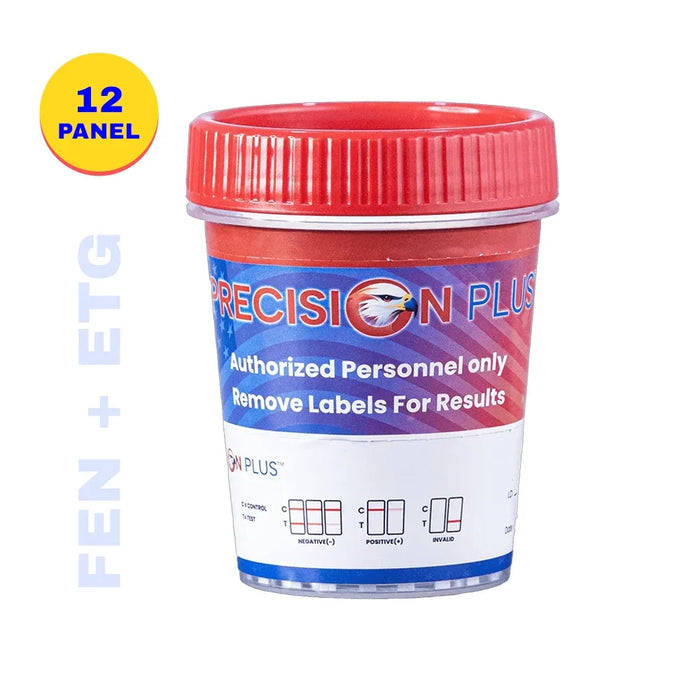
- 12-panel drug test cups
- all drug test cups (wholesale pricing)
Ordering 100+ tests? Request volume pricing.
What a 10-panel test actually covers
The exact drug list varies by manufacturer. Common 10-panel configurations include amphetamine, barbiturates, benzodiazepines, cocaine, methadone, methamphetamine or MDMA, opiates, oxycodone, PCP, and THC. Always confirm the panel on the product insert before ordering for a program, because "10-panel" is not a single standard.
Why the cutoff matters
The federal workplace framework published by SAMHSA uses a 50 ng/mL initial cutoff for the THC metabolite in urine and a 15 ng/mL confirmatory cutoff (SAMHSA, Mandatory Guidelines for Federal Workplace Drug Testing Programs). Many instant cups use the 50 ng/mL screening cutoff, and some use 25 ng/mL. A lower cutoff catches lighter use, including occasional delta-8 consumption. Delta-8 products are also sold with little regulation, and the FDA warns that these products can vary in content and labeling (FDA, "5 Things to Know about Delta-8 Tetrahydrocannabinol"), so the amount a person actually ingested is often unknown.
Screening vs. confirmation
An instant cup or dip card is a screening tool. It tells you whether a drug class is presumptively present at or above a cutoff; it does not identify the specific compound. Confirmation is done by a laboratory using GC-MS or LC-MS/MS. Some labs can separate delta-8 and delta-9 metabolites, but this is not a standard feature of every confirmation panel, so you must ask the lab whether it offers it and how it reports results.
| Stage | Method | Can it separate delta-8 from delta-9? | Typical use |
|---|---|---|---|
| Point-of-collection screen | Immunoassay cup or dip card | No, cross-reactivity is likely | Fast presumptive result |
| Laboratory initial test | Lab immunoassay | No | Batch screening |
| Laboratory confirmation | GC-MS or LC-MS/MS | Sometimes, if the lab offers a specific method | Defensible result for action |
How to read a THC result step by step
- Check the cup or card for a valid control line before reading any drug line.
- Read within the time window on the insert; late reads are unreliable.
- Treat any visible test-line absence as non-negative for that drug (on most competitive-format devices, a missing line indicates presumptive positive).
- Document the lot number, time and reader.
- Send the specimen for laboratory confirmation and, where your program requires it, offer a medical review.
Regulatory status: what buyers should verify
Confirm that each device you purchase is FDA-cleared for its intended use and check its CLIA-waived status where your setting requires it. These details appear on product documentation and should be requested from any supplier. For DOT-regulated employers, 49 CFR Part 40 governs the process, and DOT states that its program tests for marijuana metabolites and does not accept hemp or CBD products as a valid medical explanation for a positive (DOT Office of Drug and Alcohol Policy and Compliance). Delta-8 offers no safe harbor in that setting.
Policy checklist for clinics, courts, and employers
- Name delta-8 THC and other hemp-derived THC products in your written policy.
- State that a THC screen cannot distinguish delta-8 from delta-9.
- Require lab confirmation before any adverse action or clinical decision.
- Ask your lab whether it offers delta-8-specific confirmation and what it costs.
- Define who reviews disputed results, such as a medical review officer or clinician.
- Document cutoff levels used for each test device.
- Train collectors and staff to explain results consistently.
- Review state law, since rules on hemp-derived THC differ by state.
Choosing the right testing format
If you need fast, on-site results for intake, probation check-ins or pre-employment screening, review our drug test cups, which let you compare panel configurations and cutoffs before you buy in bulk. For lab-confirmed results or help matching a product to your policy, contact American Screening Corp and our Shreveport team can walk through the options.
FAQ
Can delta-8 cause a failed 10-panel drug test?
Yes. Delta-8 can produce a non-negative THC result on a standard urine screen because its metabolites cross-react with the THC antibody. Treat the result as presumptive until a laboratory confirms it.
How long does delta-8 stay detectable in urine?
There is no single timeframe. Detection depends on dose, frequency of use, individual metabolism and the test cutoff. Regular users generally remain detectable longer than occasional users, so avoid promising a fixed window in policy language.
Can a lab tell delta-8 from delta-9 THC?
Sometimes. Laboratories using GC-MS or LC-MS/MS can sometimes identify delta-8 metabolites separately, but not all labs offer this. Ask your lab before you rely on it.
Does a hemp or "legal" label protect someone from a positive result?
No. A product being legally sold does not change how it is metabolized or detected. DOT-regulated programs do not accept hemp or CBD use as an explanation for a verified positive.
Sources
- FDA: 5 Things to Know about Delta-8 Tetrahydrocannabinol
- SAMHSA: Workplace Drug Testing Resources and Mandatory Guidelines
- U.S. DOT Office of Drug and Alcohol Policy and Compliance
This article is general information, not legal or medical advice.