Quick answer: No. Azithromycin, a macrolide antibiotic, is not a target of standard 5-panel or 10-panel urine drug tests, and it is not a well-documented cause of false positives on them. A presumptive positive after azithromycin use should still be confirmed by laboratory testing, not blamed on the antibiotic.
- Standard panels look for specific drug classes (THC, cocaine, opiates, amphetamines, PCP), not antibiotics.
- Azithromycin is not a recognized cross-reactant on these panels, but any presumptive positive needs lab confirmation.
- Document the donor's medications through a medical review process rather than guessing at the cause.
What a standard urine drug test detects
Azithromycin does not show up on a standard drug test because the test is not designed to look for it. Immunoassay screens use antibodies that bind to a drug or its metabolite. Azithromycin's structure is unrelated to the drugs on the common panels, so it does not normally trigger those antibodies. MedlinePlus (National Library of Medicine, azithromycin drug information page) describes it as an antibiotic for bacterial infections, not a controlled substance.
Need drug tests for your clinic, program or workplace?
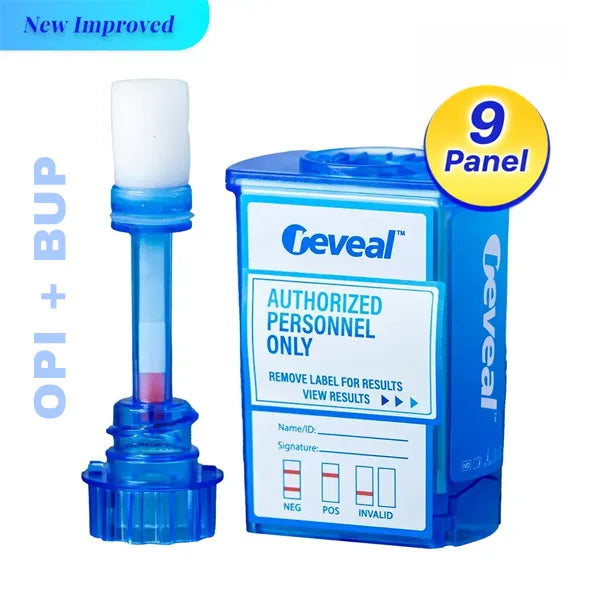
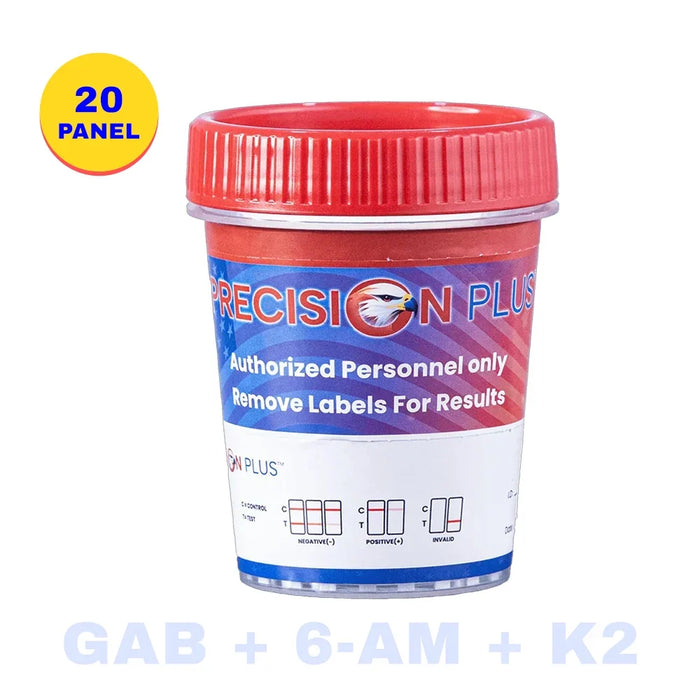
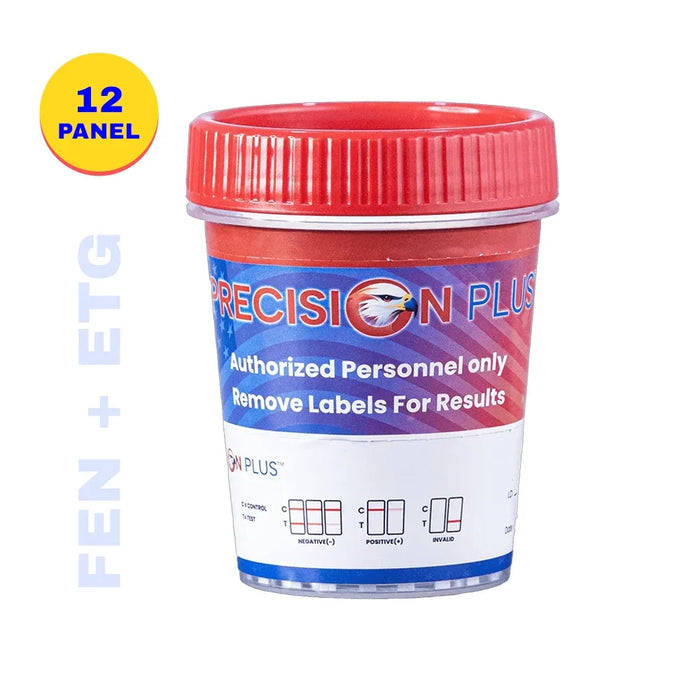
American Screening Corp has supplied FDA-cleared, CLIA-waived tests at wholesale pricing since 2004. Popular options:
Ordering 100+ tests? Request volume pricing.
The federal initial urine screening cutoffs in the HHS Mandatory Guidelines, administered by SAMHSA, are the benchmark most employers follow:
| Drug class | Initial screen cutoff (ng/mL) | Azithromycin a known cause of positive? |
|---|---|---|
| Marijuana metabolite (THC) | 50 | No |
| Cocaine metabolite | 150 | No |
| Opiates (codeine/morphine) | 2,000 | No |
| Amphetamines | 500 | No |
| Phencyclidine (PCP) | 25 | No |
Cutoffs are from the SAMHSA HHS Mandatory Guidelines for urine testing; confirm the current values against the latest published version, and check the package insert for your specific device, since non-regulated tests can use different cutoffs.
Why antibiotics sometimes come up in false-positive questions
Some medications can cross-react with immunoassays. Donors often raise antibiotics because certain other drugs have been reported in this context. That is why a presumptive positive is only a screening result. A cup or dip card gives a fast, preliminary answer; gas chromatography/mass spectrometry or liquid chromatography confirmation identifies the specific substance. Azithromycin by itself should not be accepted as an explanation for a positive result without that confirmation and a review of the donor's prescription information.
Special panels
Expanded panels (benzodiazepines, barbiturates, methadone, oxycodone, buprenorphine and others) test for additional named drug classes. Azithromycin is not among them. A lab can run a custom toxicology screen, but that would be unusual for employment or probation.
How to read and handle a result
- Check the control line or validity indicator first. If the control line is missing, the test is invalid and must be repeated with a new device.
- Read each drug line within the time window in the manufacturer's instructions. On most cups and dip cards, a visible line in a drug region means negative; no line means presumptive positive.
- Treat any faint line per the package insert instead of making your own call.
- Send presumptive positives to a laboratory for confirmation.
- Have a qualified reviewer discuss legitimate prescriptions with the donor before finalizing the result, as DOT-regulated programs require a Medical Review Officer under 49 CFR Part 40.
Choosing the right screening format
Programs that need on-site, same-visit results typically use an integrated drug test cup, which collects and screens in one device. Those that want a lower-cost, high-volume option often prefer drug test dip cards. Either format gives a presumptive result. Before buying, verify the cutoffs, panel, and FDA clearance or CLIA-waiver status shown in the manufacturer's documentation for the exact product, and ask for that paperwork if you are not given it.
Policy checklist for employers, clinics, and courts
- Define the panel and cutoffs in writing and match them to your device's insert.
- Ask donors to disclose medications to the reviewer, not the collector.
- Train staff to read the control line and the time window.
- Require lab confirmation before any adverse action.
- Keep the chain of custody and retention records.
- Use a consistent, documented process for every donor to reduce legal risk.
- Pair testing with employment background screening where your hiring process calls for both.
Questions about which panel fits your program? Contact American Screening Corp.
Frequently asked questions
Can azithromycin cause a false positive on a drug test?
It is not a recognized cause of false positives on standard urine panels. Any presumptive positive should still go to lab confirmation.
Is azithromycin tested for in a 10-panel test?
No. A 10-panel covers additional drug classes such as benzodiazepines, barbiturates, and methadone, but not antibiotics.
Should a donor list azithromycin during a test?
Donors can mention it to the medical reviewer or per your policy. It should not change the result but gives a complete medication record.
What should we do if a donor blames an antibiotic for a positive?
Send the specimen for confirmation testing, have a qualified reviewer examine the prescription, and base the decision on the confirmed result and your written policy.
Sources
- MedlinePlus: Azithromycin
- eCFR: 49 CFR Part 40, Procedures for Transportation Workplace Drug and Alcohol Testing Programs
- SAMHSA: Workplace Drug Testing Resources
This article is general information, not legal or medical advice.