Quick answer: Usually no. Most 10-panel urine drug tests do not screen for common muscle relaxers such as cyclobenzaprine, methocarbamol, tizanidine or baclofen. Exceptions: diazepam, a benzodiazepine sometimes used for spasms, can trigger the benzodiazepine panel, and carisoprodol is detected only if the panel includes a specific assay. Always confirm the panel configuration.
- "Muscle relaxer" is not a drug class on a 10-panel; detection depends on the specific drug and the panel's analytes.
- Benzodiazepine-class drugs are the main muscle relaxer-type exception on standard panels.
- Panel content varies by manufacturer, so verify analytes, cutoffs and regulatory status before you buy.
What a 10-Panel Urine Test Actually Detects
There is no single legal definition of a 10-panel. Common configurations include amphetamines, barbiturates, benzodiazepines, cocaine metabolite, marijuana (THC) metabolite, methadone, methaqualone, opiates, phencyclidine (PCP) and either propoxyphene, oxycodone, MDMA or buprenorphine. Because the tenth analyte differs, two products sold as a "10-panel" can behave differently.
Need drug tests for your clinic, program or workplace?
American Screening Corp has supplied FDA-cleared, CLIA-waived tests at wholesale pricing since 2004. Popular options:
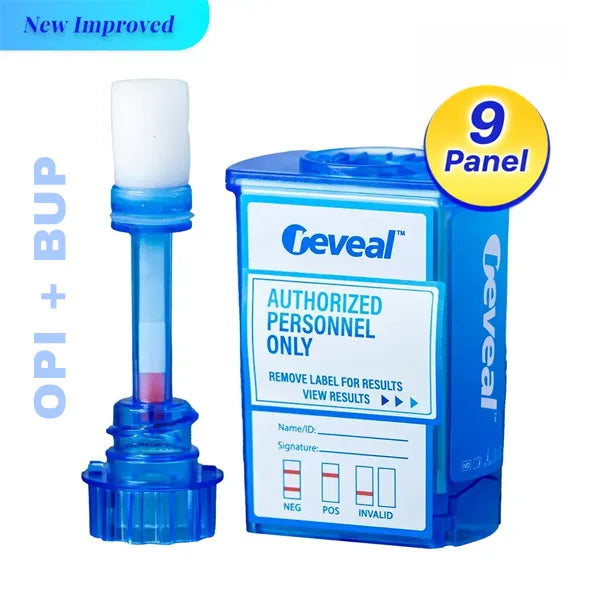
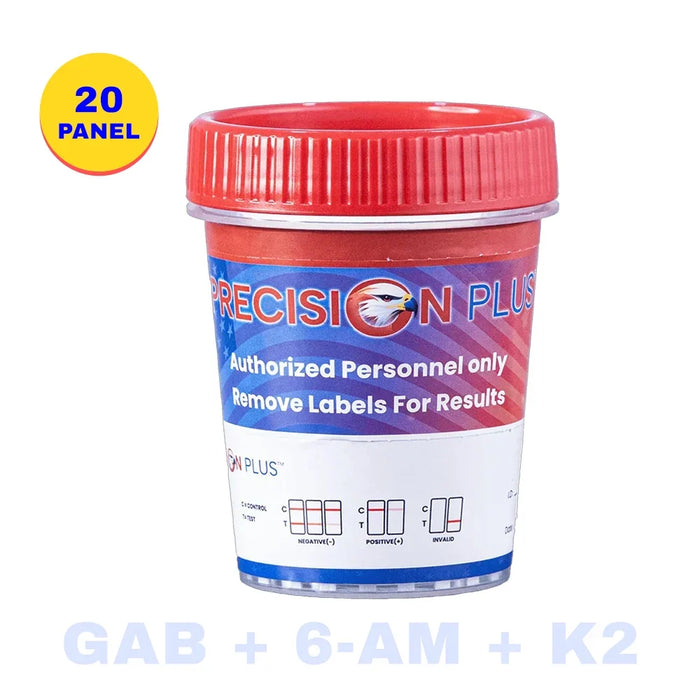
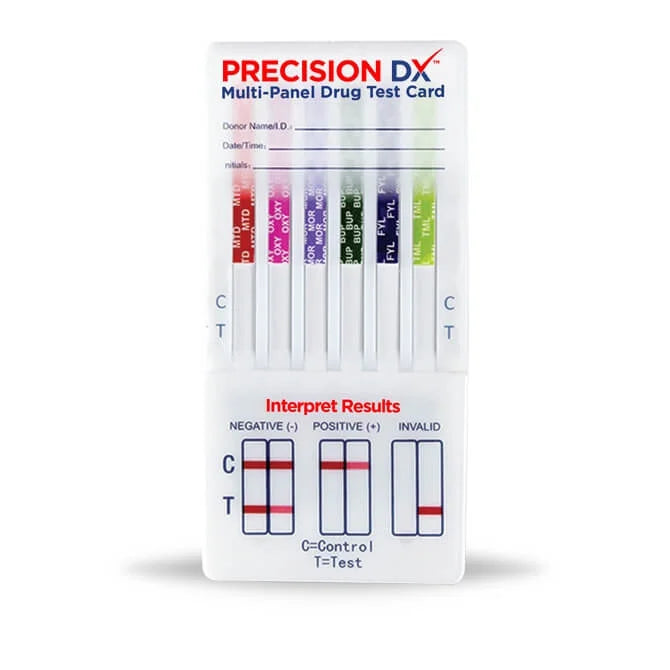
- 10-panel drug test cups and dip cards
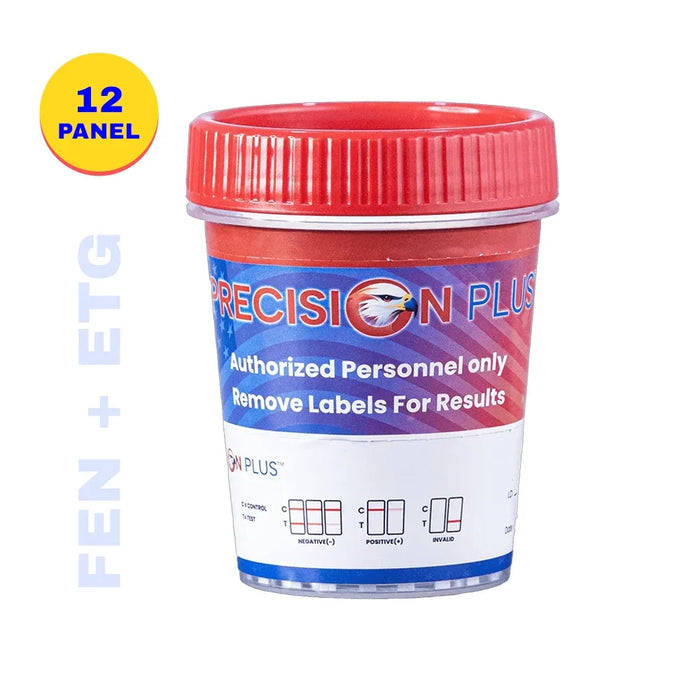
- 12-panel drug test cups
- all drug test cups (wholesale pricing)
Ordering 100+ tests? Request volume pricing.
Cutoffs also vary. For federally regulated testing, the HHS Mandatory Guidelines used by SAMHSA-certified labs set initial urine cutoffs such as 50 ng/mL for marijuana metabolite, 150 ng/mL for cocaine metabolite, 500 ng/mL for amphetamines and 25 ng/mL for PCP (source: SAMHSA, Workplace Drug Testing resources). Commercial point-of-collection cups often use their own cutoffs for non-federal drugs such as benzodiazepines, commonly around 300 ng/mL, so read the package insert for each lot.
Which Muscle Relaxers Show Up and Which Do Not
Prescription muscle relaxers are chemically diverse, so a result depends on whether the drug or its metabolite is recognized by an antibody on the test strip.
| Drug | Typically detected on a standard 10-panel? | Notes for the program administrator |
|---|---|---|
| Cyclobenzaprine | No | Structurally similar to tricyclic antidepressants, so it can cross-react on a TCA assay if your panel includes one. |
| Methocarbamol | No | Not a target of standard panel analytes. |
| Tizanidine | No | Requires specialized lab testing to identify. |
| Baclofen | No | Requires specialized lab testing to identify. |
| Carisoprodol (metabolite: meprobamate) | Only with a dedicated assay | Some panels add a carisoprodol or meprobamate line; barbiturate cross-reactivity is not something to rely on. |
| Diazepam and other benzodiazepines | Yes, on the benzodiazepine panel | Sensitivity varies by compound; some, like clonazepam and lorazepam, are detected less reliably by some strips. |
Why this matters for your policy
If your policy treats muscle relaxers as a safety-sensitive concern, a standard 10-panel will not cover most of them. You can add a specific analyte to the panel or send the specimen for lab confirmation. If your policy only targets the classic drug classes, a standard panel is usually adequate, and you should expect legitimate prescriptions to remain undetected.
Reading Results and Handling Non-Negative Screens
A point-of-collection result is a preliminary screen. It is not proof of misuse, and a prescription can legitimately explain a benzodiazepine-positive result. A defensible process separates the screen from confirmation and review.
- Check the specimen is valid: confirm temperature window, review the integrity of the cup and note any adulteration indicators on the device.
- Read each line within the time stated in the package insert. A visible line, even faint, in the test region generally means negative for that drug; absence of a line means non-negative.
- Treat any non-negative as presumptive and document it.
- Send the specimen for laboratory confirmation, typically by GC-MS or LC-MS/MS, before any adverse action.
- Route confirmed positives to a medical review process so prescription information can be considered.
For DOT-regulated employees, the rules differ: DOT testing uses a 5-panel, not a 10-panel, and it requires a federal Custody and Control Form and a certified lab (source: U.S. DOT, Office of Drug and Alcohol Policy and Compliance). A non-DOT 10-panel cannot substitute for a DOT test.
Choosing the Right Format
Programs that screen on site generally pick between integrated cups and separate dip cards. Integrated drug test cups contain collection and testing in one device, which helps maintain chain of handling and shows temperature at a glance. Drug test dip cards are a lower per-unit option for high-volume settings where a separate collection container is acceptable.
Buyer Checklist Before You Order a 10-Panel
- Obtain the exact analyte list and confirm the tenth drug matches your policy.
- Confirm cutoff levels in ng/mL for every analyte, not just the headline drugs.
- Ask whether you need an add-on for carisoprodol, tricyclics or other non-standard drugs.
- Verify the product's FDA clearance and CLIA-waived status for the intended use, as stated in its labeling.
- Check lot expiration dates and storage requirements.
- Set up a lab confirmation pathway for every non-negative result.
- Document a medical review step for prescription disclosures.
- Have counsel review the policy, especially for state laws on testing and prescription medications.
Not sure which configuration fits your program? Contact American Screening Corp for help matching panels, formats and confirmation to your clinic, court, treatment or employer needs. Hiring teams that pair testing with screening can also review the background services of our sister division, Reveal Background.
Frequently Asked Questions
Does cyclobenzaprine (Flexeril) show up on a 10-panel drug test?
Not on a standard 10-panel. It can cross-react with a tricyclic antidepressant assay, but TCA is not part of most 10-panels.
Does Soma (carisoprodol) show up on a 10-panel?
Only if the panel includes a carisoprodol or meprobamate assay. Standard 10-panel configurations typically do not, so check the analyte list.
Can diazepam used as a muscle relaxer cause a positive result?
Yes. Diazepam is a benzodiazepine, and the benzodiazepine line on the panel is designed to detect it. Confirmation and medical review should follow any non-negative screen.
Should an employer rely on a 10-panel screen to identify muscle relaxer misuse?
No. A standard 10-panel will miss most muscle relaxers. Use an expanded panel or laboratory testing if your policy requires detection, and confirm every non-negative before acting.
Sources
- SAMHSA: Workplace Drug Testing resources
- U.S. DOT: Office of Drug and Alcohol Policy and Compliance
- MedlinePlus (NIH): Drug Testing
This article is general information, not legal or medical advice.