Quick answer: A dance safe drug testing kit is a harm-reduction reagent or strip kit that checks a substance for contents; it is not an FDA-cleared test of a person. Clinics, courts, and employers need urine or oral fluid screens with stated cutoffs, such as 50 ng/mL THC, from American Screening Corp.
- Substance-checking kits answer "what is in this sample?"; clinical screens answer "has this person recently used?"
- Compliance programs need FDA-cleared, CLIA-waived devices with published cutoffs in ng/mL and detection windows.
- Every positive screen is preliminary; confirm by GC/MS or LC-MS/MS laboratory testing.
What is a dance safe drug testing kit?
The phrase usually describes consumer-facing harm-reduction kits. They use color-change reagents or lateral-flow strips on a tiny sample of a powder, pill or residue. Their goal is to flag unexpected contents, such as fentanyl, before someone is exposed.
Need drug tests for your clinic, program or workplace?
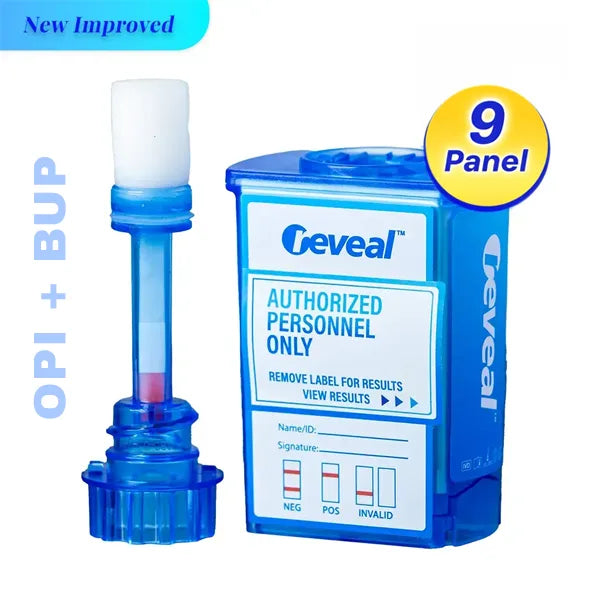
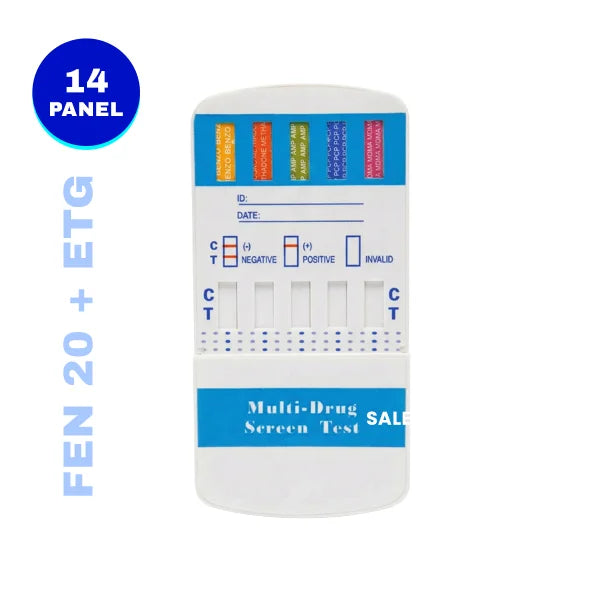
American Screening Corp has supplied FDA-cleared, CLIA-waived tests at wholesale pricing since 2004. Popular options:
Ordering 100+ tests? Request volume pricing.
These kits are tools for substance analysis. They do not measure drugs or metabolites in urine or saliva, and they carry no cutoff-based clinical result for a donor. The CDC describes fentanyl test strips as a harm reduction strategy, not a diagnostic for patients (CDC, Stop Overdose resources, as of 2026).
Why does the difference matter for a clinic, court or employer?
Programs make decisions about people: treatment plans, probation conditions, hiring. Those decisions need a test of the person, run on a specimen the person provides, using a device with a regulatory status.
The FDA regulates drugs-of-abuse tests as in vitro diagnostic devices (FDA, Drugs of Abuse Tests, as of 2026). A reagent kit used on a pill is not that device, and its result should never be recorded as a donor result.
What do FDA-cleared, CLIA-waived screens detect?
Point-of-care urine cups and dip cards detect drugs or their metabolites above a set cutoff. Common initial-test cutoffs in the SAMHSA-style panel are listed below. Product inserts govern; always read the cutoff printed on the device you buy.
| Feature | Harm-reduction reagent or strip kit | FDA-cleared, CLIA-waived urine or oral fluid screen |
|---|---|---|
| What is tested | A powder, pill or residue | A donor's urine or oral fluid |
| Question answered | What may be in this substance? | Has this person used a drug class recently? |
| Cutoffs in ng/mL | Not applicable to donors | Stated per drug, for example THC 50, cocaine metabolite 150, methamphetamine 500 |
| Regulatory status | Not a donor-testing device | FDA-cleared, CLIA-waived formats available |
| Confirmation | Not designed for it | Preliminary positives go to GC/MS or LC-MS/MS |
| Best for | Overdose-prevention outreach | Clinics, treatment centers, courts, probation, employers, staffing |
What are the detection windows?
Urine windows are approximate and vary with dose, frequency, metabolism and hydration. Most stimulants, opioids and benzodiazepines are typically detectable for about 1 to 4 days after use. THC may be detectable about 3 days after single use and up to 30 days or more in heavy chronic use (NIDA, drug testing resources, as of 2026).
Oral fluid has a shorter window, generally hours to about 1 to 2 days, and suits recent-use questions. Fentanyl is commonly screened at a low cutoff of around 1 ng/mL on cups that include it; confirm the exact figure on the product insert.
How do you read a screen result?
- Check the device lot and expiration date, and bring the test to room temperature.
- Collect the specimen under your written protocol and confirm it is within temperature range for urine.
- Run the test and start the timer, reading at the time stated in the insert.
- Confirm the control line appears; without it, the test is invalid.
- Read each drug line: on most competitive-format devices, a line present means negative for that drug, and no line means a preliminary positive.
- Record the result and send any preliminary positive for confirmation.
Every positive screen is preliminary; confirm by GC/MS or LC-MS/MS laboratory testing before any action is taken.
Which products fit which program?
Treatment centers and probation offices that want fast, observable results usually choose drug test cups with an integrated temperature strip and multi-panel options. Higher-volume or cost-sensitive programs often prefer drug test dip cards. Federal workplace programs follow the HHS Mandatory Guidelines, and DOT-regulated employers follow 49 CFR Part 40 (SAMHSA, Federal Workplace Drug Testing Programs, as of 2026).
American Screening Corp, based in Shreveport, Louisiana, supplies these formats wholesale, with lab confirmation and same-day shipping nationwide.
Buyer checklist before you order
- Confirm the device is FDA-cleared and CLIA-waived for the specimen type you collect.
- Match the panel to your policy: 5-panel through 18-panel, plus fentanyl or ETG if needed.
- Verify cutoffs in ng/mL against your policy and any state statute that applies.
- Arrange GC/MS or LC-MS/MS confirmation for every preliminary positive.
- Train staff on the read time, invalid results and documentation.
- Keep substance-checking kits separate from donor-testing workflows.
- Pair hiring screens with a background check when policy requires it, such as through Reveal Background.
Frequently asked questions
Can a dance safe drug testing kit replace a urine drug test?
No. It checks a substance, not a person, and has no donor cutoffs or clinical clearance. Programs that make decisions about people should use FDA-cleared, CLIA-waived urine or oral fluid screens with laboratory confirmation.
What does a clinical drug screen detect?
It detects drugs or metabolites above a stated cutoff, for example THC at 50 ng/mL or methamphetamine at 500 ng/mL. Windows are typically 1 to 4 days, longer for chronic THC use.
Are positive screens final?
No. Every positive screen is preliminary. Confirm by GC/MS or LC-MS/MS laboratory testing before taking action.
Where can my organization buy donor screens wholesale?
American Screening Corp sells cups, dip cards, oral fluid tests and confirmation services to clinics, courts, employers and distributors. Use the contact page for a quote.
Sources
This article is general information, not legal or medical advice.