Quick answer: Yes, cocaine shows up on a drug test. Urine screens detect benzoylecgonine, the main cocaine metabolite, at a 150 ng/mL cutoff, usually for 2 to 4 days after use. Oral fluid detects it for about 1 to 2 days. American Screening Corp supplies FDA-cleared, CLIA-waived tests; every positive is preliminary.
- Cocaine tests look for benzoylecgonine (BZE), not the parent drug, because BZE stays in the body longer.
- The federal initial urine cutoff is 150 ng/mL; the confirmatory cutoff is 100 ng/mL.
- A positive screen is preliminary; confirm by GC/MS or LC-MS/MS laboratory testing before any action.
What does a cocaine drug test detect?
A cocaine test detects benzoylecgonine, the primary metabolite the body produces when it breaks down cocaine. Cocaine itself clears the blood within hours, while BZE remains in urine much longer, so urine tests target BZE.
Need drug tests for your clinic, program or workplace?
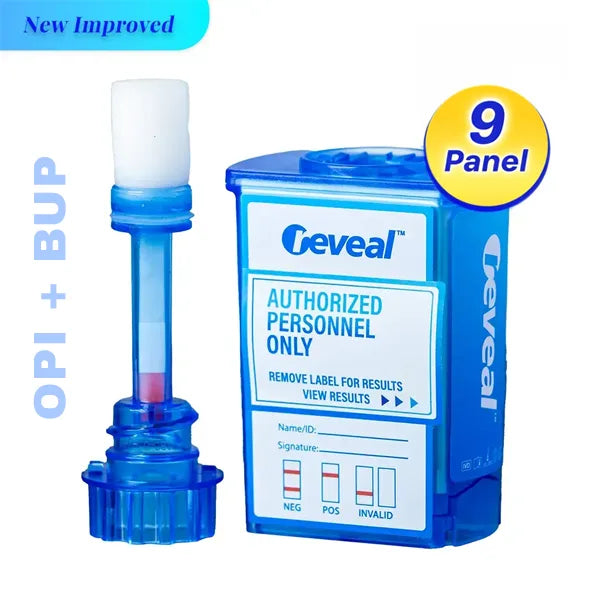
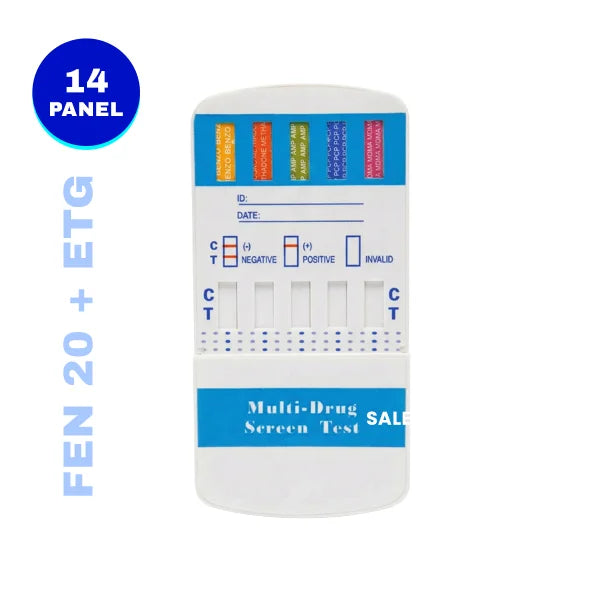
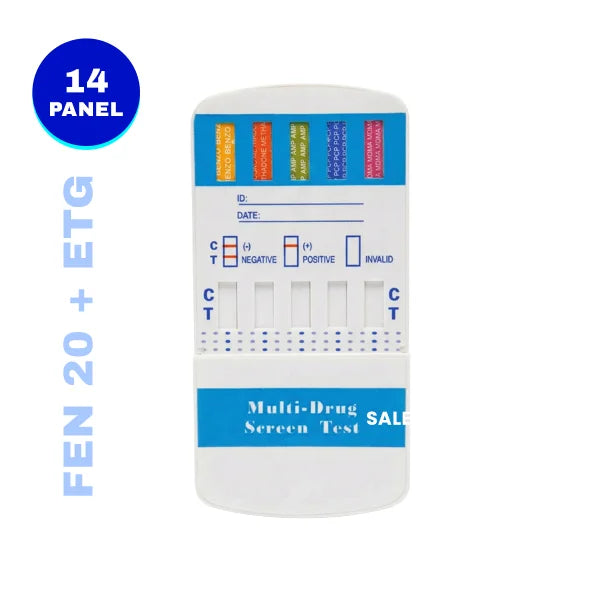
American Screening Corp has supplied FDA-cleared, CLIA-waived tests at wholesale pricing since 2004. Popular options:
Ordering 100+ tests? Request volume pricing.
Most multi-panel urine cups and dip cards from drug test cups include a cocaine (COC) line. It is part of the standard 5-panel and is also on 10-panel and larger configurations.
What is the cutoff level for cocaine?
The cutoff is the concentration at or above which a specimen reads positive. Under 49 CFR Part 40 (DOT) and the HHS Mandatory Guidelines, the urine initial test cutoff for cocaine metabolite is 150 ng/mL, and the confirmatory cutoff is 100 ng/mL (49 CFR 40.87, eCFR, as of 2026).
For oral fluid, the HHS Mandatory Guidelines set an initial cutoff of 15 ng/mL for cocaine/benzoylecgonine. Non-regulated programs can choose other cutoffs, so always check the cutoff printed on the device you buy.
How long does cocaine stay detectable?
In urine, cocaine use is typically detectable for 2 to 4 days. Heavy or chronic use can extend that window to roughly a week or more. NIDA notes that cocaine's effects are short-lived, but the metabolite lasts longer than the drug itself (NIDA, "Cocaine DrugFacts").
Windows vary with dose, frequency, hydration, metabolism, and the cutoff used. Treat any window as a range, not a guarantee.
| Specimen | Target | Common cutoff | Typical window | Best use |
|---|---|---|---|---|
| Urine | Benzoylecgonine | 150 ng/mL initial; 100 ng/mL confirmation | 2-4 days (longer with heavy use) | Pre-employment, treatment, probation, DOT |
| Oral fluid | Cocaine/benzoylecgonine | 15 ng/mL initial (HHS) | About 1-2 days | Observed collection, recent-use checks |
| Hair (lab) | Cocaine and metabolites | Laboratory-defined | Up to about 90 days | Longer-history screening |
Which test should a clinic, court, or employer use?
Match the specimen to the question you need answered. Urine is the standard for most programs. Oral fluid suits observed, on-site collection where recent use matters most.
Urine cups and dip cards
An integrated cup lets the collector read the result and check temperature on one device. A drug test dip card is a lower-footprint option for high-volume settings. American Screening Corp's FDA-cleared, CLIA-waived cups and dips are sold wholesale to clinics, treatment centers, courts, probation offices, staffing firms, and distributors, with same-day shipping nationwide.
Oral fluid
Oral fluid collection is observed by design and shortens the window, which helps when the concern is recent use.
Laboratory confirmation
Instant tests are screens. A non-negative result is preliminary and must be confirmed by GC/MS or LC-MS/MS laboratory testing before adverse action.
How do you read a cocaine result correctly?
- Confirm the device is in date and the specimen temperature is in range (90-100 degrees F for urine in DOT collections).
- Wait the full read time stated in the device instructions, and no longer.
- Check that the control line appears; if not, the test is invalid.
- Read the COC line: any visible test line means negative; no line means non-negative (presumptive positive).
- Record the result, lot number, and collector name.
- Send non-negative specimens for laboratory confirmation.
Can anything else cause a positive cocaine result?
Cross-reactivity with common foods and medicines is uncommon for cocaine, because BZE is a fairly specific target. Topical anesthetics used in medical settings can complicate interpretation, so laboratory confirmation and a medical review are the safeguards. In DOT-regulated programs, a Medical Review Officer reviews confirmed positives (49 CFR Part 40, Subpart G).
Program checklist for buyers
- Define who is tested, why, and under which policy or statute (federal, DOT, or state law).
- Select the panel and cutoff that match the policy, and document both.
- Buy devices that are FDA-cleared and CLIA-waived for your intended use.
- Train collectors on temperature checks, chain of custody, and read times.
- Contract a laboratory for GC/MS or LC-MS/MS confirmation of every non-negative.
- Check state rules on testing notice, consent, and adverse action.
- Pair testing with screening where appropriate; our sister division Reveal Background handles FCRA-compliant employment background checks.
Questions about panels, cutoffs, or bulk and private-label orders? Contact American Screening Corp in Shreveport, Louisiana.
Frequently asked questions
How long does cocaine show up in urine?
Typically 2 to 4 days after use at the 150 ng/mL cutoff. Heavy or chronic use can lengthen the window to a week or more.
Is cocaine on a 5-panel drug test?
Yes. The standard 5-panel includes cocaine metabolite (benzoylecgonine) at a 150 ng/mL urine cutoff, along with marijuana, opiates, amphetamines, and PCP.
Does an instant cocaine test result count as proof?
No. An instant result is a preliminary screen. Confirm by GC/MS or LC-MS/MS laboratory testing before taking action.
Does oral fluid detect cocaine?
Yes. Oral fluid detects cocaine and benzoylecgonine, with an HHS initial cutoff of 15 ng/mL and a window of about 1 to 2 days.
Sources
- eCFR, 49 CFR Part 40: Procedures for Transportation Workplace Drug and Alcohol Testing Programs
- NIDA, Cocaine DrugFacts
- SAMHSA, Workplace Drug Testing (Mandatory Guidelines)
This article is general information, not legal or medical advice.