Quick answer: American Screening Corp guidance: CLIA-waived cups are FDA-cleared urine tests that clinical sites may use under a CLIA Certificate of Waiver; forensic-use-only cups are not cleared for that purpose. Both screen drugs such as THC at 50 ng/mL, and every positive is preliminary and needs GC/MS or LC-MS/MS confirmation.
- CLIA waived means the device is FDA-cleared and categorized as waived, so a site with a Certificate of Waiver can run it (FDA, CLIA Categorization).
- Forensic use only means the manufacturer has not claimed clinical clearance; the result supports non-clinical programs and needs lab confirmation.
- Match the label to your use: clinics and treatment centers need waived devices; some legal and workplace programs can use either, per their own policy.
What does CLIA waived mean for a drug test cup?
The Clinical Laboratory Improvement Amendments (CLIA) set quality standards for testing human specimens used to assess health. The FDA categorizes tests as waived, moderate, or high complexity, and waived tests are simple with a low risk of erroneous results (FDA, CLIA Categorization, as of 2026).
Need drug tests for your clinic, program or workplace?
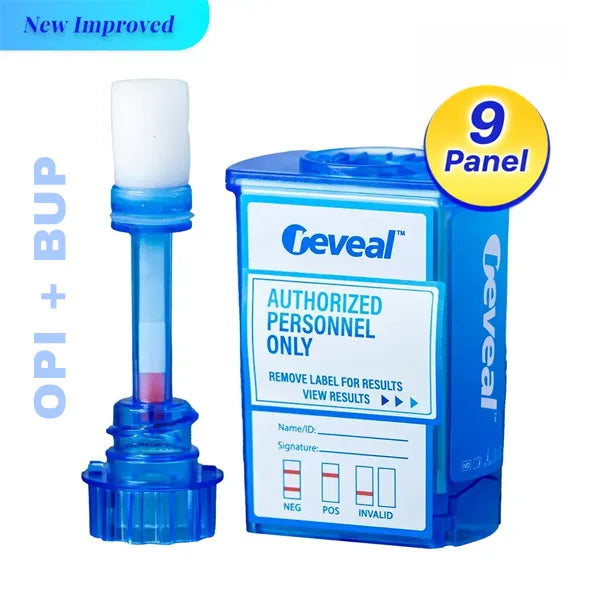
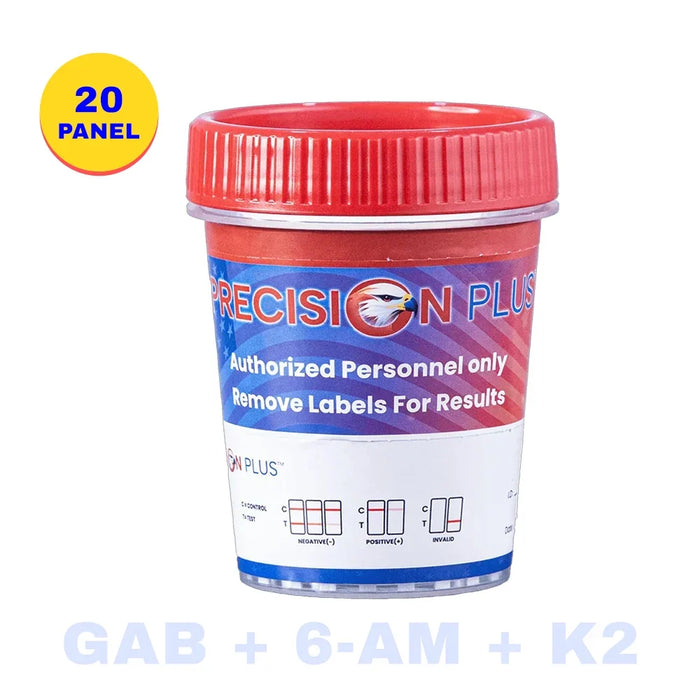
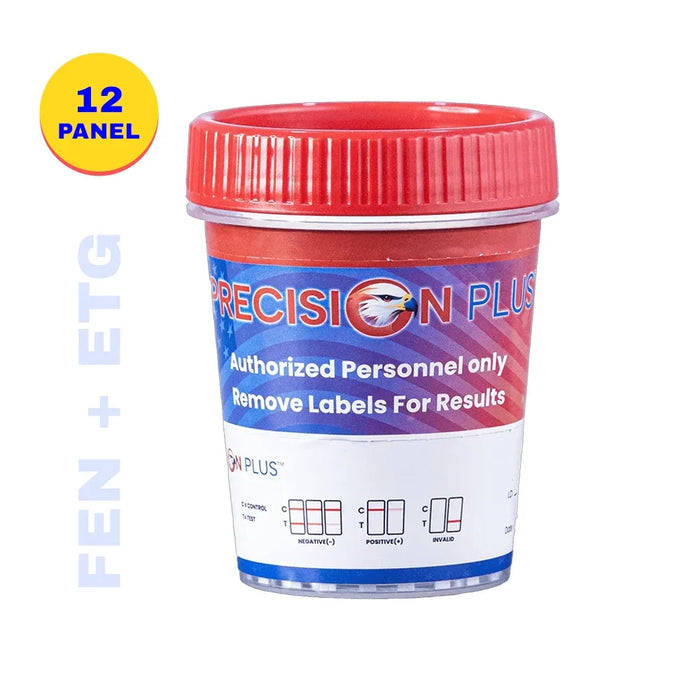
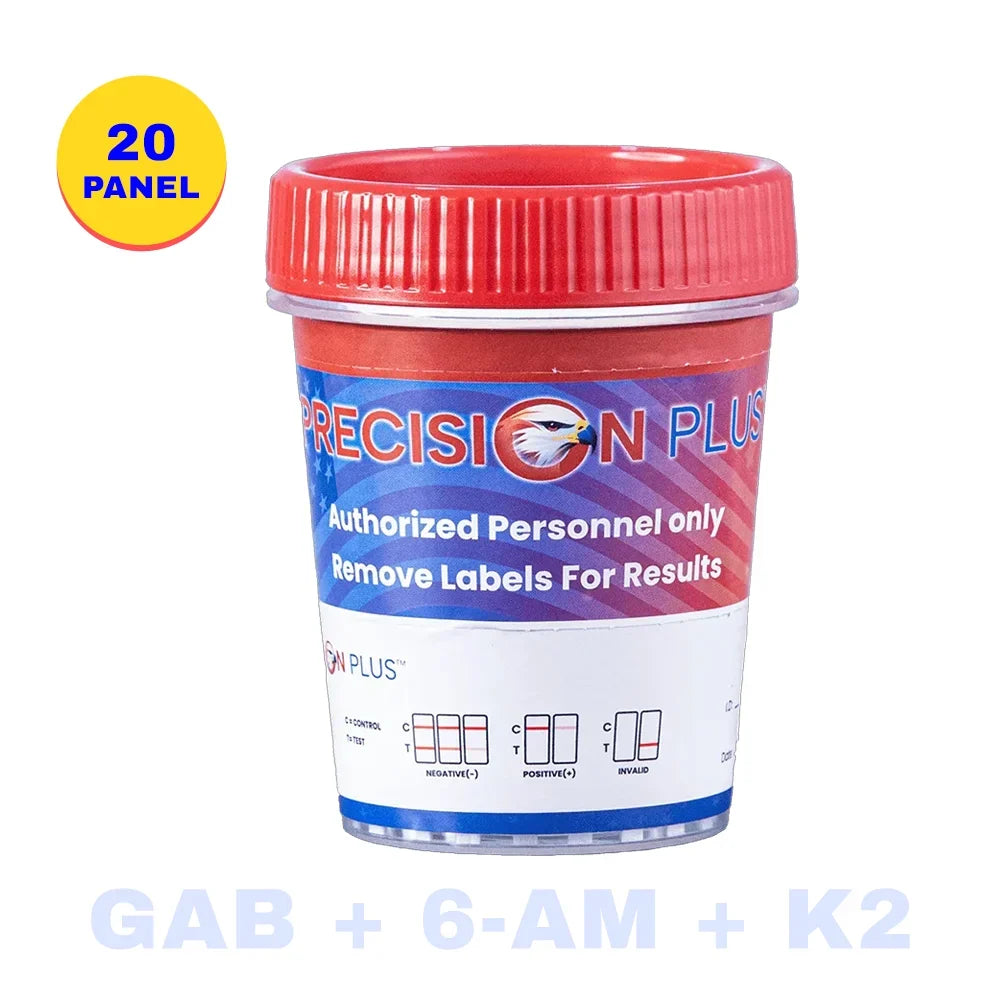
American Screening Corp has supplied FDA-cleared, CLIA-waived tests at wholesale pricing since 2004. Popular options:
Ordering 100+ tests? Request volume pricing.
A clinic, hospital, or treatment center that reports results as part of patient care normally needs a CLIA certificate. A Certificate of Waiver lets that site run waived tests (CMS, Clinical Laboratory Improvement Amendments).
What does forensic use only mean?
Forensic use only is a manufacturer label. It tells you the device has not been cleared for diagnostic or patient-care use. It is typically sold for legal, workplace, or program-monitoring settings where the result is a screening indicator, not a clinical finding.
It is not a quality grade. A forensic-use-only cup can be well built, but a clinic should not use it to guide treatment decisions if the label does not support that use.
How do the two label types compare?
| Factor | CLIA-waived cup | Forensic-use-only cup |
|---|---|---|
| FDA status | Cleared and categorized as waived | Not cleared for clinical use |
| Best buyer | Clinics, hospitals, treatment centers, physician offices | Courts, probation, some employers, program monitoring |
| Certificate needed | CLIA Certificate of Waiver for clinical reporting | Depends on your program and state rules |
| Positive result | Preliminary; confirm by GC/MS or LC-MS/MS | Preliminary; confirm by GC/MS or LC-MS/MS |
| Typical THC cutoff | 50 ng/mL | 50 ng/mL |
What cutoffs and detection windows apply?
The HHS Mandatory Guidelines for federal workplace urine testing use a 50 ng/mL initial cutoff for the THC metabolite (SAMHSA, Workplace Drug Testing resources, as of 2026). Many commercial cups use the same 50 ng/mL for THC so results line up with common program policies.
Detection windows vary by drug, dose, frequency of use, and individual metabolism. Urine screens often detect recent use over roughly one to several days, and longer for frequent cannabis use. Always state the window as a range, not a promise.
How do you read the result?
- Check the cup temperature strip within four minutes of collection, if the cup has one.
- Wait the read time in the package insert, then read each panel line.
- Treat a visible line, even faint, in a drug column as negative for that drug.
- Treat a missing line as a non-negative, preliminary result.
- Send the specimen for GC/MS or LC-MS/MS confirmation before any action.
Which should a testing company stock?
Stock waived cups if any customer reports results inside patient care. Stock forensic-use-only cups only if the customer's program is non-clinical and the label fits its policy. Many distributors carry both and sort orders by customer type.
Browse our drug test cups for panel options, or choose drug test dip cards when you need a lower-cost format. Confirm the label on each product page before you order.
Does DOT testing change the answer?
Yes. Federally regulated DOT tests follow 49 CFR Part 40, which requires specimens to go to an HHS-certified laboratory (U.S. DOT, ODAPC Part 40). A point-of-collection cup, waived or forensic, does not replace that process for a DOT test.
Buyer checklist before you order
- Confirm the FDA clearance and CLIA-waived status on the package insert, not only the listing.
- Confirm the customer holds a Certificate of Waiver if reporting clinically.
- Match panel drugs and cutoffs (ng/mL) to the customer's written policy.
- Check lot number and expiration date on every case.
- Arrange a GC/MS or LC-MS/MS lab for confirmation.
- Train staff on read time and documentation.
- Ask for volume, private label, or wholesale terms through our contact page.
Frequently asked questions
Is a CLIA-waived cup more accurate than a forensic-use-only cup?
Not by label alone. Waived status shows FDA clearance for simple use, not perfect accuracy. No screen is 100% accurate, so confirm every positive by laboratory testing.
Can a clinic use forensic-use-only cups?
Generally not for patient-care decisions, because the label does not claim clinical clearance. Clinics should choose waived devices and hold the proper CLIA certificate.
Do I need a CLIA certificate to buy waived cups?
Buying is not restricted by CLIA, but a site reporting results for health assessment needs a certificate. Check requirements with CMS and your state agency.
Does a positive cup result prove drug use?
No. A positive is preliminary. Confirm by GC/MS or LC-MS/MS laboratory testing before acting, and follow your policy and applicable law.
Sources
- FDA: CLIA Categorization
- CMS: Clinical Laboratory Improvement Amendments (CLIA)
- U.S. DOT ODAPC: 49 CFR Part 40
Employers screening candidates can pair testing with employment background checks from our sister division, Reveal Background.
This article is general information, not legal or medical advice.