Quick answer: Secondhand smoke rarely causes a false positive on a standard workplace drug test. Casual exposure to marijuana smoke typically stays below the 50 ng/mL urine screening cutoff, and tobacco smoke contains no THC. Rare positives require extreme, unventilated exposure, and lab confirmation at 15 ng/mL plus MRO review resolve doubtful results.
- Federal cutoffs (50 ng/mL screen, 15 ng/mL confirmation for THC metabolite in urine) are designed to separate active use from incidental exposure.
- Any non-negative screen is presumptive; send it to a lab for confirmation before acting.
- A written protocol for disputed results protects your clinic, court program or company.
What the test actually detects
Urine THC tests do not look for smoke. They detect THCA (11-nor-9-carboxy-THC), the main metabolite the body produces after THC is absorbed. Under the HHS Mandatory Guidelines for Federal Workplace Drug Testing Programs (SAMHSA), the urine cutoff for marijuana metabolite is 50 ng/mL for the initial screen and 15 ng/mL for GC-MS or LC-MS/MS confirmation. For oral fluid, the cutoffs are 4 ng/mL (screen) and 2 ng/mL (confirmation) for THC. Cocaine metabolite in urine is 150 ng/mL (screen) and 100 ng/mL (confirmation).
Need drug tests for your clinic, program or workplace?
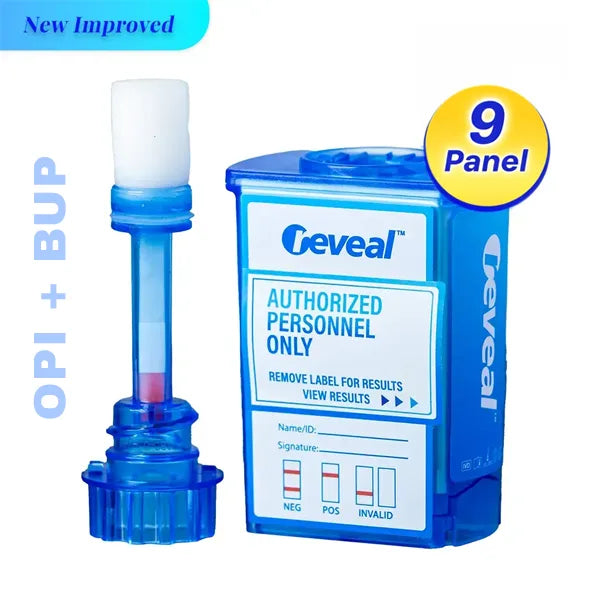
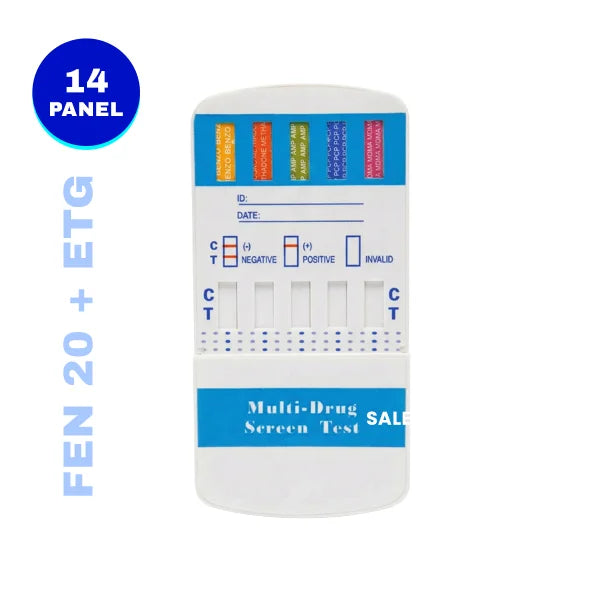
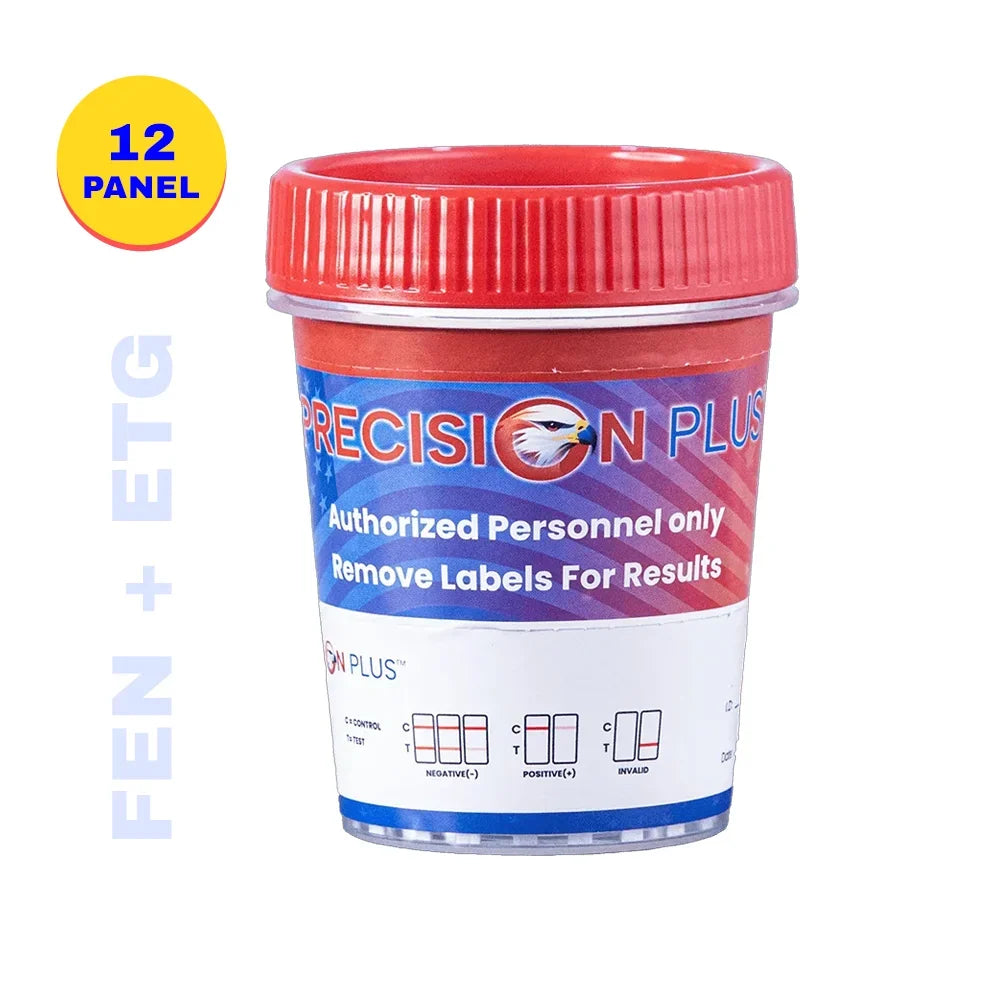
American Screening Corp has supplied FDA-cleared, CLIA-waived tests at wholesale pricing since 2004. Popular options:
Ordering 100+ tests? Request volume pricing.
Tobacco smoke does not contain THC and will not trigger a marijuana result. Nicotine and cotinine are not part of standard federal panels.
What the research says about secondhand cannabis smoke
Controlled studies supported by the National Institute on Drug Abuse (NIDA) exposed non-smokers to cannabis smoke in small, sealed rooms, conditions much more intense than a typical encounter at a concert or apartment hallway. Researchers found that THC can be absorbed and that trace metabolite can appear in urine, but results at a 50 ng/mL screening cutoff were largely negative. Positives were limited to the most extreme conditions: high-potency cannabis, no ventilation, close proximity and an extended period. Lower cutoffs, such as 20 ng/mL, produced more positives, which is why the cutoff your product uses matters.
Oral fluid is different in one respect: smoke can deposit THC in the mouth shortly after exposure, so a result collected right after a smoky environment could be affected. This effect fades quickly, and the confirmation step and collection waiting period address it.
Cutoff and exposure comparison
| Specimen | THC screen cutoff | Confirmation cutoff | Secondhand exposure risk |
|---|---|---|---|
| Urine (federal) | 50 ng/mL | 15 ng/mL | Very low; only under extreme, unventilated conditions |
| Urine (non-federal, lower cutoff, e.g. 20 ng/mL) | 20 ng/mL | Per lab | Higher than at 50 ng/mL; document the cutoff you use |
| Oral fluid (federal) | 4 ng/mL | 2 ng/mL | Possible shortly after exposure; mitigated by timing and confirmation |
Source for federal cutoffs: SAMHSA, Mandatory Guidelines for Federal Workplace Drug Testing Programs (urine and oral fluid).
How to read and handle a presumptive positive
Step by step
- Confirm the device was read within the time window in the manufacturer's instructions. Late reads create errors.
- Check each line against the instructions. On most cups and cards, a line in the test region means negative, and no line means a non-negative presumptive result. Any faint line counts as a line.
- Verify specimen validity: temperature on the cup strip within range, and adulterant strips if included.
- Treat the result as presumptive. Do not take adverse action from a screen alone.
- Send the specimen for laboratory confirmation by GC-MS or LC-MS/MS, and use a Medical Review Officer where your program requires it.
- Record the cutoff, lot number, reader and timeline in the chain of custody.
If a donor claims secondhand exposure, the MRO evaluates the claim along with the confirmed concentration. Under DOT rules, secondhand exposure is not accepted as a legitimate medical explanation for a verified positive, but a very low confirmed level can be reviewed in context. Always follow your own program's policy and your jurisdiction's law.
Choosing screening devices for your program
Select devices by the cutoffs you need, not only by price. Ask your supplier for the printed cutoff for every analyte, the FDA clearance status and CLIA waiver status of each product, and lot-specific documentation. If your program follows federal-style cutoffs, use a THC cutoff of 50 ng/mL. Programs with lower cutoffs should state this in their policy, since lower cutoffs raise the chance of incidental-exposure positives.
American Screening Corp supplies drug test cups and related collection supplies wholesale to clinics, treatment centers, courts, probation offices, labs and employers. If you are not sure which cutoffs or panels suit your program, contact our team and we will help you match products to your policy. Lab confirmation is available for presumptive results.
Checklist: reduce disputes over secondhand exposure claims
- State the cutoff levels for every panel in your written policy.
- Use the federal 50 ng/mL urine THC cutoff unless you have a documented reason for a lower one.
- Observe the oral fluid pre-collection waiting period (typically 10 minutes with nothing in the mouth) and follow the device instructions.
- Train collectors to read results within the stated time window.
- Treat every non-negative screen as presumptive until confirmed.
- Send specimens for GC-MS or LC-MS/MS confirmation.
- Keep chain-of-custody and lot records for each test.
- Define who reviews disputed results (MRO or physician) and how donors can request them.
- Have counsel review your policy for state law on cannabis and employment.
Frequently asked questions
Can secondhand marijuana smoke make you fail a urine drug test?
It is unlikely. Studies show that incidental exposure usually produces results below the 50 ng/mL screening cutoff. Only extreme conditions have produced positives, and lab confirmation at 15 ng/mL helps resolve borderline cases.
Can tobacco secondhand smoke cause a positive THC result?
No. Tobacco smoke contains no THC, so it cannot cause a positive marijuana result. Standard panels do not test for nicotine.
Is an oral fluid test more sensitive to secondhand smoke?
Possibly, for a short period. Smoke can leave THC in the mouth, so collectors should observe the waiting period before collection, and positives should be confirmed at the lab.
What should we do if a donor claims secondhand exposure?
Do not act on the screen alone. Send the specimen for confirmation, document the cutoff and chain of custody, and have the MRO or designated reviewer assess the claim under your written policy.
Sources
- SAMHSA, Workplace Drug Testing and Mandatory Guidelines
- U.S. DOT, Office of Drug and Alcohol Policy and Compliance
- NIDA, Cannabis (Marijuana) Research Topics
For employers who also verify candidates before drug testing, our sister division Reveal Background provides employment background checks.
This article is general information, not legal or medical advice.