Quick answer: Rarely. Common muscle relaxers such as methocarbamol, baclofen and tizanidine do not usually trigger standard 5-panel screens. Cyclobenzaprine can cross-react with tricyclic antidepressant (TCA) immunoassays, and carisoprodol can be detected on expanded panels. Treat any screen as presumptive and confirm by laboratory testing (GC-MS or LC-MS/MS).
- Standard 5-panel urine tests (THC, cocaine, opiates, amphetamines, PCP) are not designed to detect muscle relaxers.
- Cyclobenzaprine is the main documented cross-reactant, and only on panels that include TCAs.
- A non-negative screen is presumptive; lab confirmation and medical review decide the outcome.
What a standard panel actually detects
Immunoassay cups and cards detect a drug or metabolite class above a set cutoff. Under the HHS Mandatory Guidelines for federal workplace testing, initial urine cutoffs are 50 ng/mL for marijuana metabolite (THCA), 150 ng/mL for cocaine metabolite, 500 ng/mL for amphetamines, 2,000 ng/mL for opiates (codeine/morphine), 10 ng/mL for 6-acetylmorphine and 25 ng/mL for PCP. Muscle relaxers are not part of that federal panel, so they do not produce a result on it.
Need drug tests for your clinic, program or workplace?
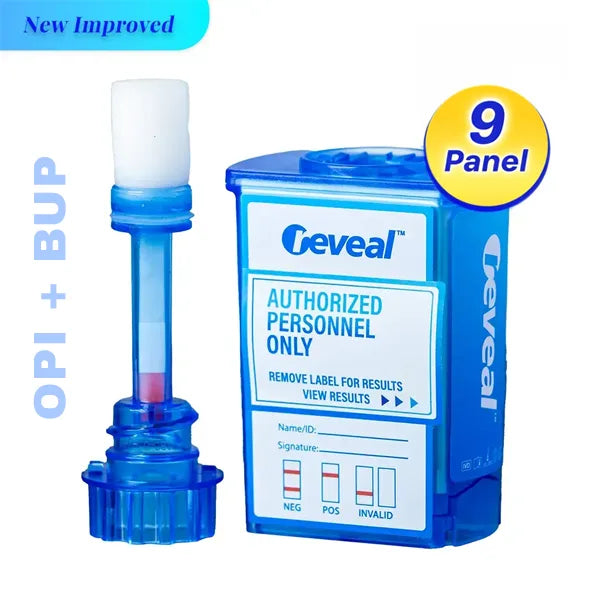
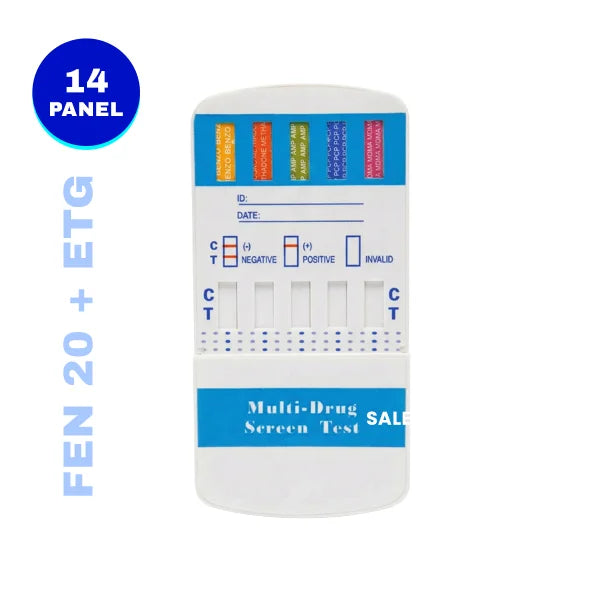
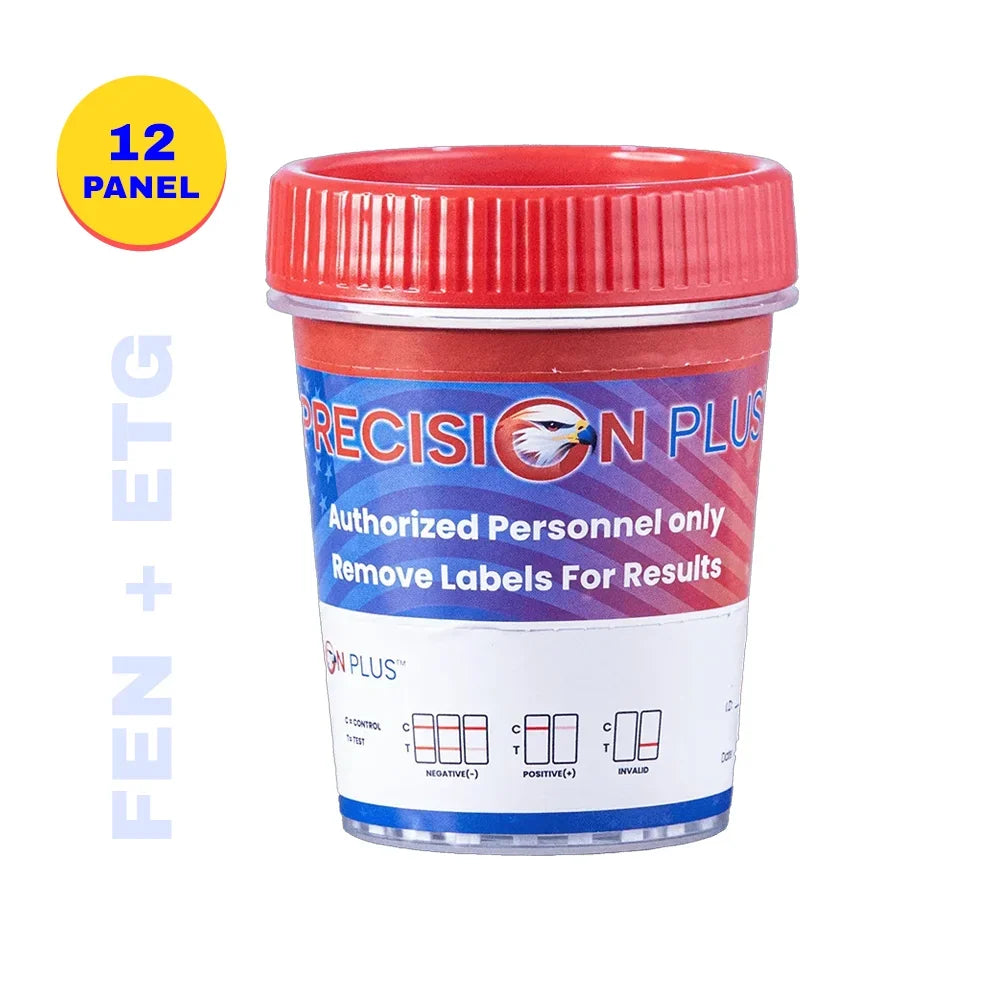
American Screening Corp has supplied FDA-cleared, CLIA-waived tests at wholesale pricing since 2004. Popular options:
Ordering 100+ tests? Request volume pricing.
Non-regulated programs (clinics, treatment centers, probation, private employers) often use panels that add benzodiazepines, barbiturates, TCAs, methadone or others. Those extra windows are where cross-reactivity questions arise. Cutoffs on these add-on panels vary by manufacturer, so always read the package insert for the exact ng/mL values.
Which muscle relaxers matter, and why
The risk differs by drug. A false positive means the assay reacts to a substance other than the target; a true positive means the drug is present but is lawfully prescribed. Programs need to tell these apart.
| Muscle relaxer | Likely screen effect | Type of result | Recommended action |
|---|---|---|---|
| Cyclobenzaprine | Can cross-react on TCA immunoassays because of its tricyclic structure | Possible false positive | Confirm by GC-MS or LC-MS/MS; MRO review |
| Carisoprodol (metabolite meprobamate) | Detected on assays that target it; not on standard 5-panel | True positive if on panel | Verify prescription through MRO or medical review |
| Methocarbamol | No well-established cross-reactivity on common panels | Unlikely | Confirm any unexpected non-negative result |
| Baclofen | No well-established cross-reactivity on common panels | Unlikely | Confirm any unexpected non-negative result |
| Tizanidine | No well-established cross-reactivity on common panels | Unlikely | Confirm any unexpected non-negative result |
Note that benzodiazepine panels are a separate category. Muscle relaxers are not benzodiazepines, though some patients take both, which can produce a legitimate positive for the benzodiazepine alone.
Why cross-reactivity happens
Immunoassays use antibodies that bind to molecular shapes. A compound with a similar structure can bind and push the result over the cutoff. This is why immunoassay results are called presumptive and why the FDA regulates drugs-of-abuse tests as in vitro diagnostic devices with performance claims listed in each device's labeling.
How to read and handle a non-negative result
- Check the test window you are reading and confirm the result within the time stated in the instructions. Ignore lines that develop after that time.
- Record the result, device lot number and expiration date.
- Do not conclude misuse from a screen alone. Treat it as presumptive.
- Send the specimen for laboratory confirmation by GC-MS or LC-MS/MS.
- For regulated testing, route the confirmed result to a Medical Review Officer (MRO), who contacts the donor about prescriptions. DOT Part 40 sets this process for DOT-regulated employers.
- Apply your written policy consistently and document every step.
Checklist: reducing false-positive disputes
- Choose a panel that matches your policy; avoid adding analytes you do not plan to act on.
- Read each manufacturer's insert for cutoff levels (ng/mL) and listed cross-reactants.
- Use devices with the appropriate FDA clearance and CLIA-waived status where applicable for your setting.
- Collect a medication disclosure through a confidential process, shared only with the reviewing professional.
- Define in policy that all non-negative screens go to lab confirmation.
- Keep chain-of-custody documentation for any specimen that may be contested.
- Train staff on timing and reading instructions.
Choosing supplies for your program
Panel design drives how often these questions arise. A clinic or treatment center monitoring prescribed medications may want expanded panels, while an employer following federal rules should stay with the required analytes. ASC supplies a range of drug test cups in different panel configurations, plus lab confirmation support. If your hiring process pairs testing with screening, our sister division Reveal Background handles employment background checks. For help matching panels to policy, contact our team.
Frequently asked questions
Can muscle relaxers cause a false positive drug test?
Seldom. Cyclobenzaprine can cross-react on TCA screens. Other common muscle relaxers are not well documented as cross-reactants on standard panels. Confirm any non-negative screen in a laboratory.
Will a muscle relaxer show up on a standard 5-panel test?
No. The standard federal panel covers marijuana, cocaine, opiates, amphetamines and PCP, and muscle relaxers are not among them. They appear only if the panel includes a specific assay for the drug.
Does carisoprodol cause a false positive?
Usually it is a true positive rather than a false one, because carisoprodol and its metabolite meprobamate are detectable on assays designed for them. An MRO or medical reviewer should verify a valid prescription.
What should we do after a presumptive positive?
Do not take adverse action from the screen alone. Send the specimen for GC-MS or LC-MS/MS confirmation, use MRO or medical review, and follow your written policy.
Sources
- SAMHSA: Workplace Drug Testing and Mandatory Guidelines
- U.S. DOT ODAPC: 49 CFR Part 40
- FDA: Drugs of Abuse Tests
This article is general information, not legal or medical advice.