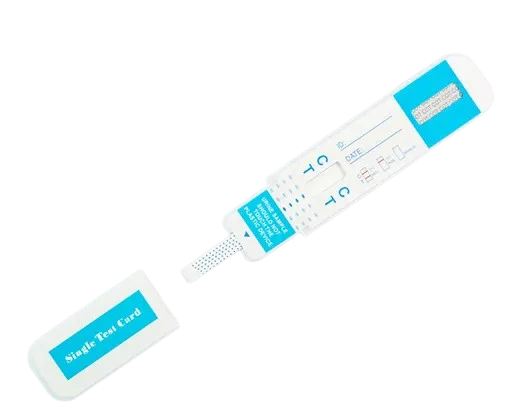
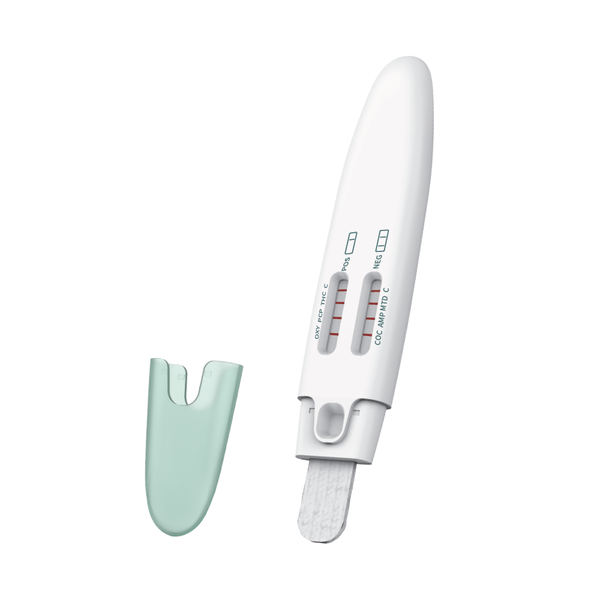
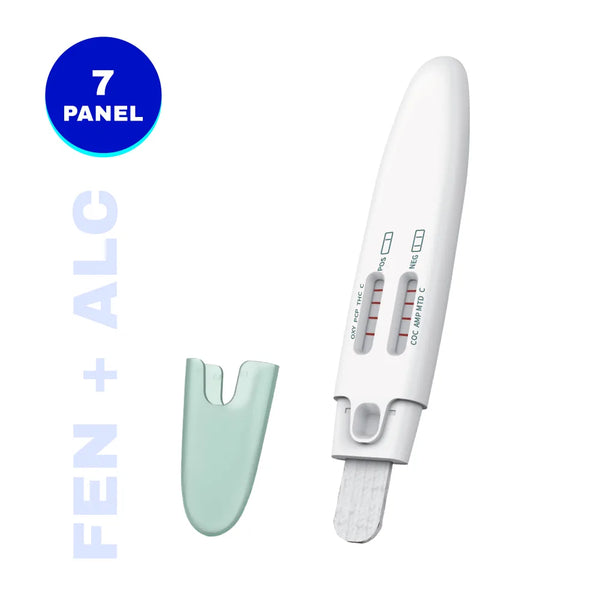
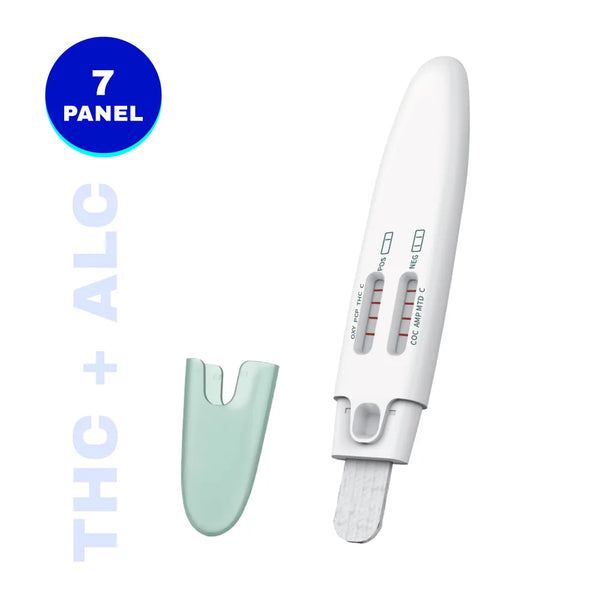
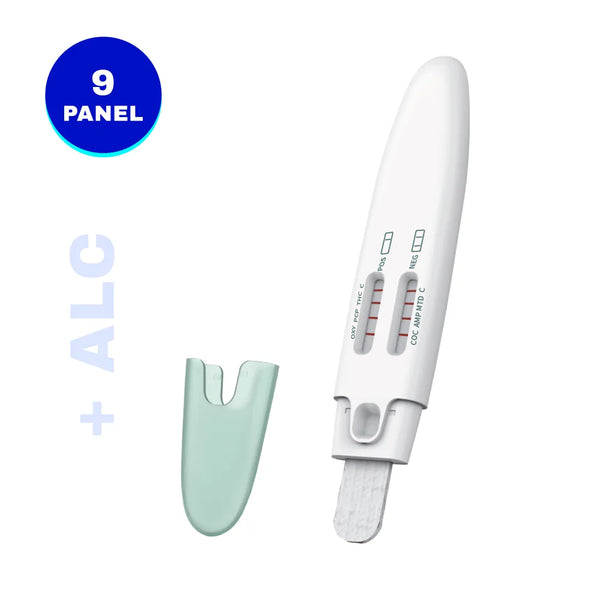
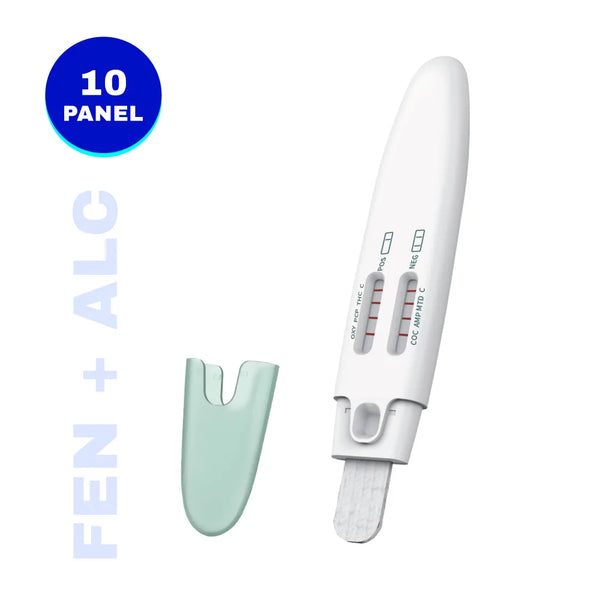
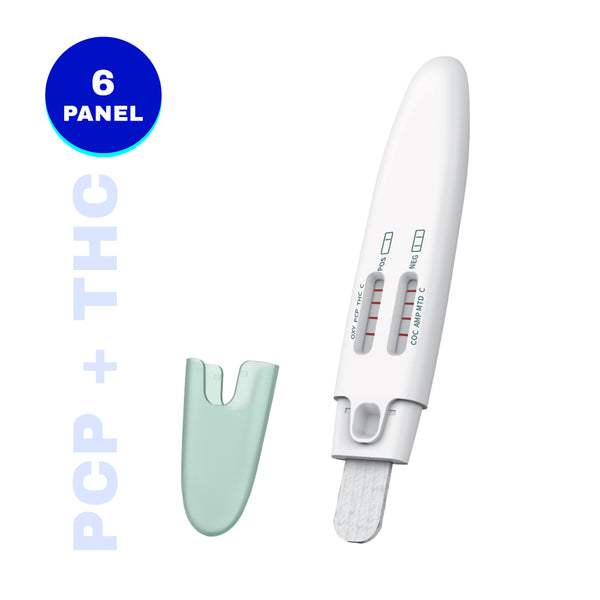
Quick answer: Alcohol test strips are single-use screens that check urine or oral fluid for ethanol or ethyl glucuronide (EtG). American Screening Corp’s Alcohol Tests collection offers saliva strips, EtG urine dip tests, and multi-panel cups that include an alcohol or EtG assay. Devices are FDA-cleared and CLIA-waived or labeled forensic-use-only. Most qualitative results appear in about two to five minutes; cutoffs and intended use vary by configuration.
What alcohol test strips detect
Strip and cup assays in this category do not measure impairment the way an evidential breath test does. They look for ethanol still present in the specimen or for EtG, a direct metabolite formed after drinking. Some lab panels also report ethyl sulfate (EtS) as a companion marker. Typical screening cutoffs are shown below; always read the product insert, because configurations vary and units are not always nanograms per milliliter.
| Analyte / class |
Abbreviation |
Typical screening cutoff |
| Ethyl glucuronide (alcohol metabolite) |
EtG |
300 ng/mL or 500 ng/mL (typical commercial strips and cups) |
| Ethyl sulfate (confirmation companion) |
EtS |
Reported by laboratory methods; not a common strip-only target |
| Ethanol in urine |
ALC / ETG vs ETH labeling varies |
About 20 mg/dL (0.02%) when an ethanol pad is included |
| Ethanol in oral fluid |
ALC |
Often 0.02% BAC-equivalent on saliva color charts |
Ethanol pads and saliva strips reflect recent presence of alcohol. EtG can remain detectable longer after drinking has stopped, which is why treatment and court programs use it for abstinence monitoring rather than for on-the-spot impairment. Detection time depends on how much was consumed, the cutoff, hydration, and individual metabolism. Light use may fall below cutoff much sooner than the “up to about 80 hours” window often discussed after heavier drinking. An alcohol test on this page is a screen, not a blood alcohol concentration for legal evidential use unless the specific device is cleared and used that way.
Formats compared
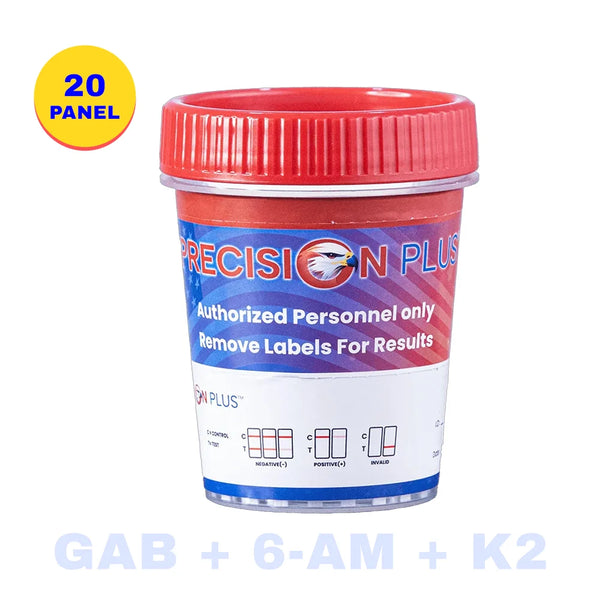
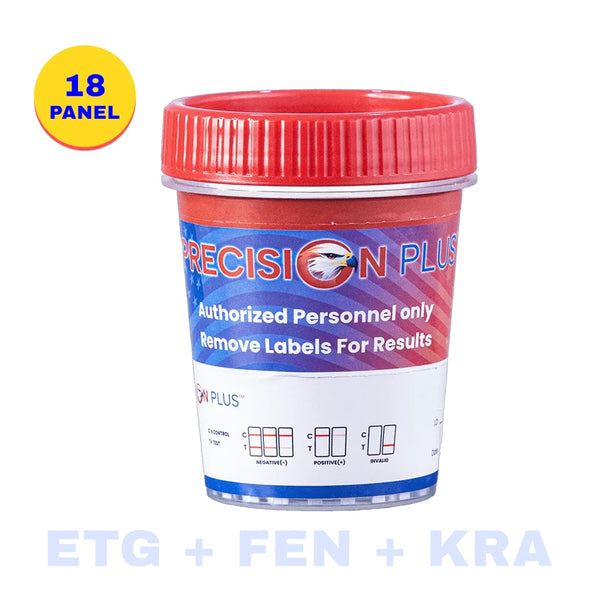
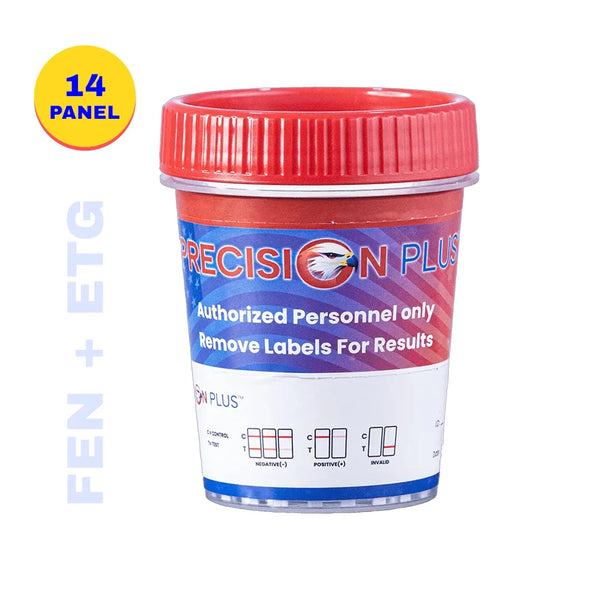
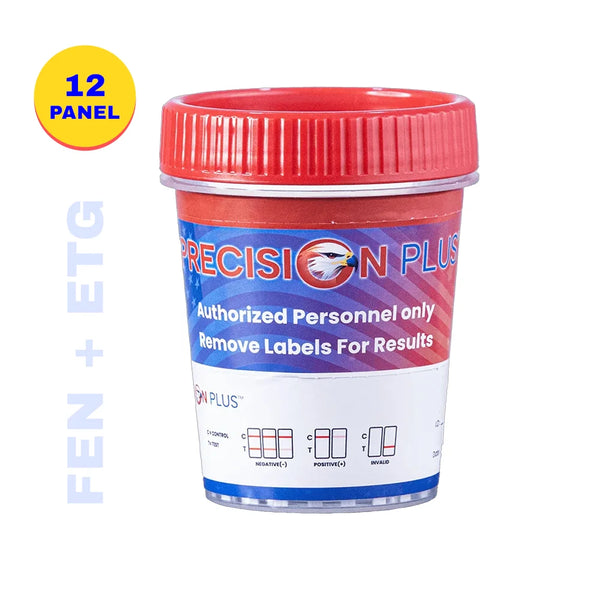
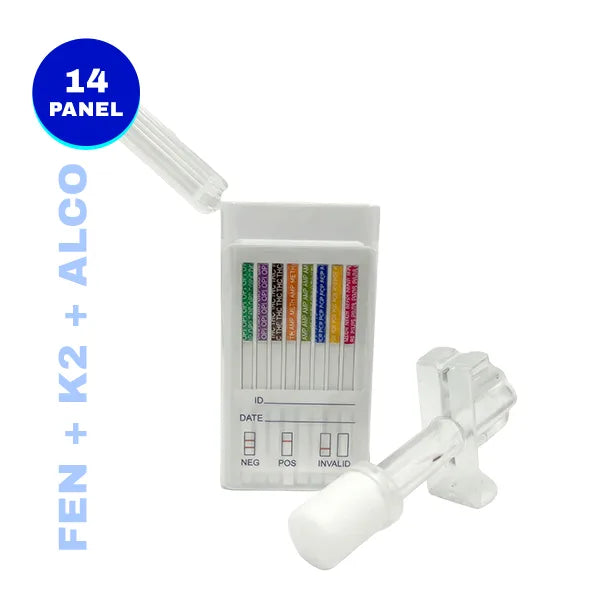
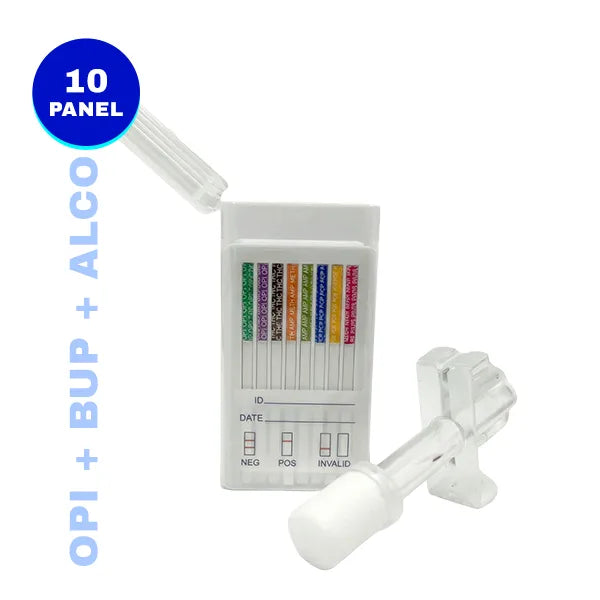
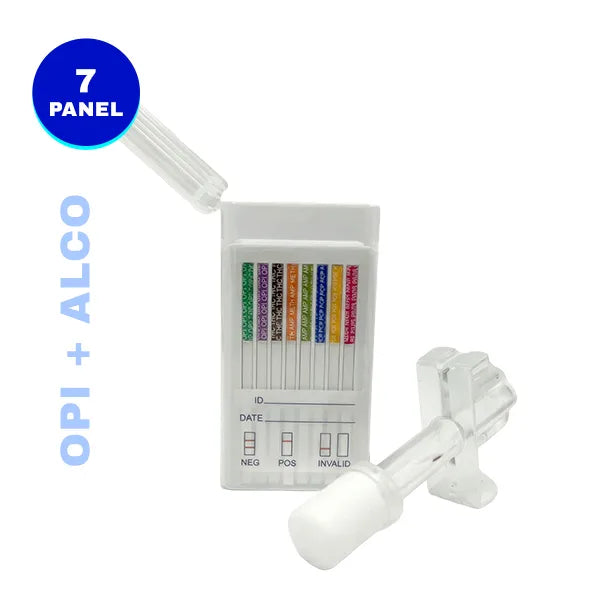
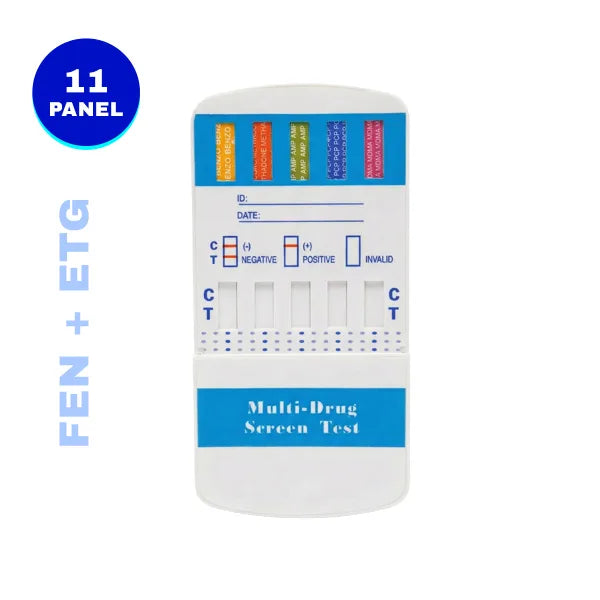
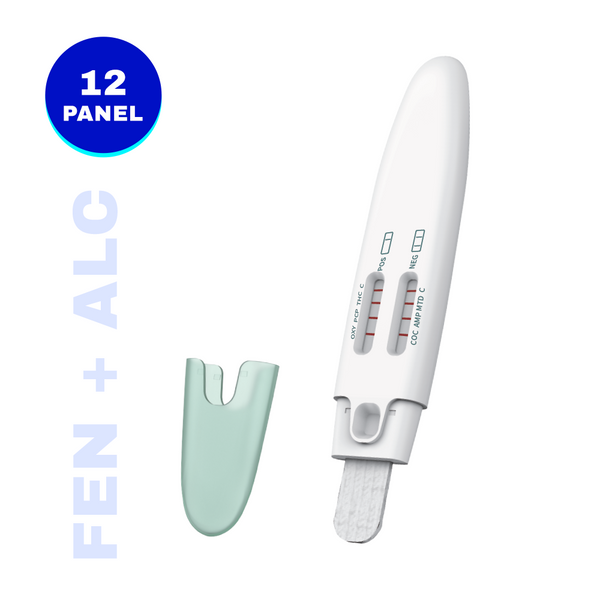
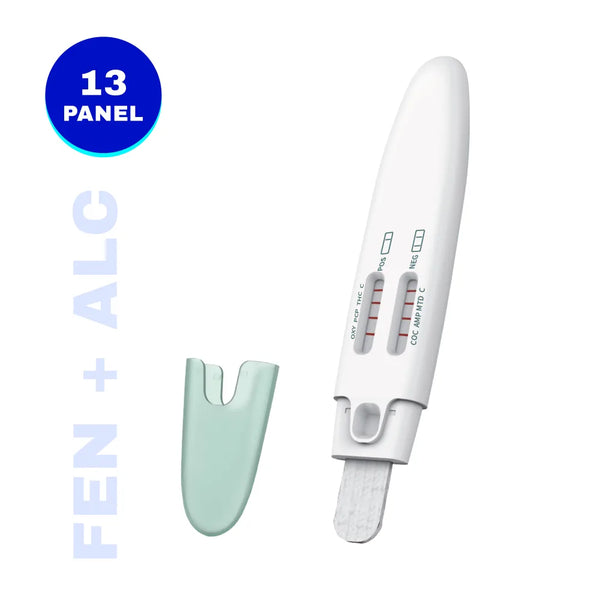
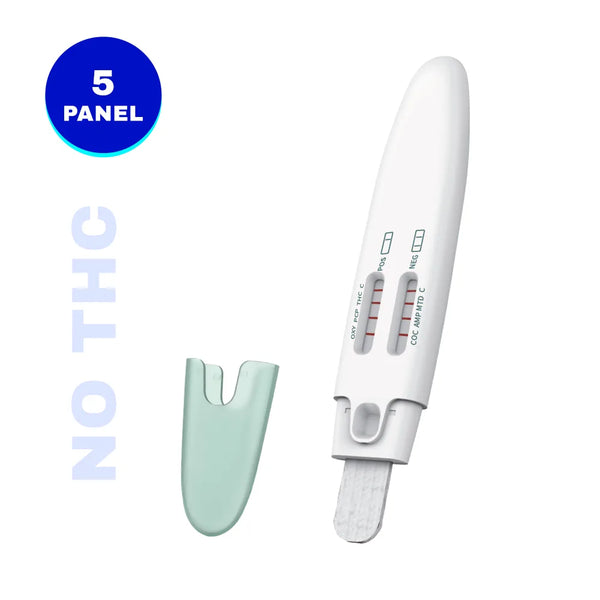
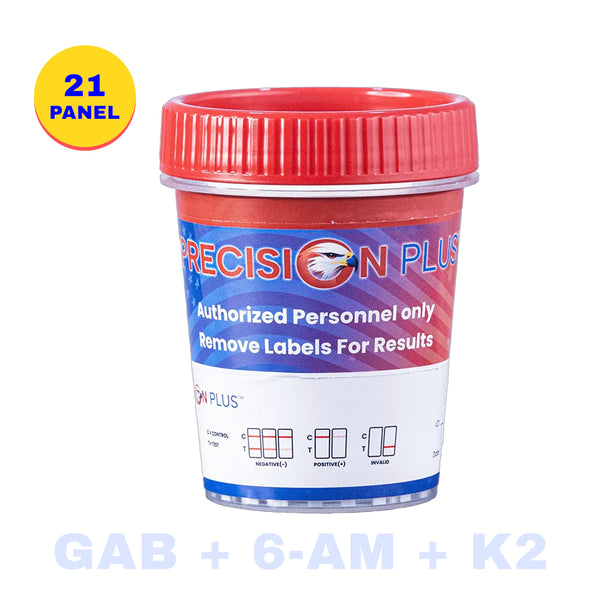
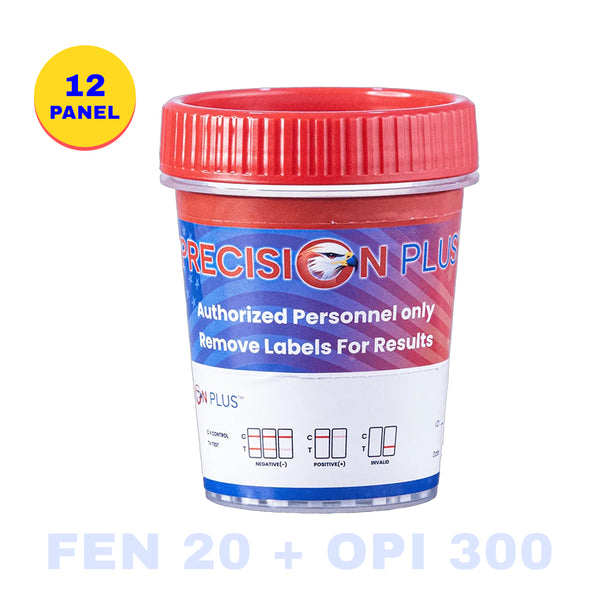
Buyers usually choose among EtG urine cups, urine dip cards or strips, and oral-fluid alcohol testing strips. Multi-panel cups in this collection may add EtG or an alcohol pad next to other drug classes. Match the format to collection control, documentation needs, and whether you require adulteration checks.
| Format |
Specimen |
Result time |
Observed collection |
Adulteration checks |
Best for |
| Integrated urine cup |
Urine |
About 5 minutes after the cup is activated, per insert |
Possible with a standard restroom protocol |
Common on multi-panel cups (creatinine, pH, oxidants, and similar pads) |
Treatment, courts, and sites that want a sealed device plus other drug classes |
| Dip card or urine strip |
Urine |
About 5 minutes after dipping, per insert |
Same as other urine collections |
Usually none on a strip-only device |
High-volume EtG screening and programs that already collect in a cup |
| Oral-fluid / saliva strip |
Saliva |
Often about 2 minutes; color develops on a chart |
Easy to observe face-to-face |
Not applicable |
Clinics, staffing, and workplace screens for recent alcohol |
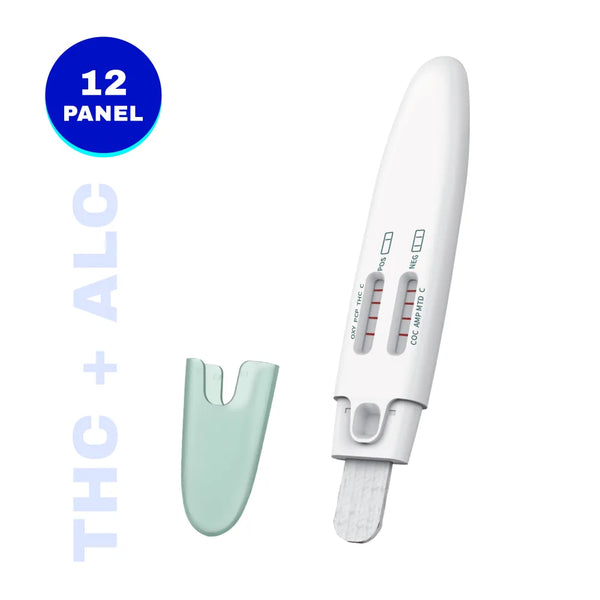
Cups reduce handling after the donor provides the specimen. Dip cards keep per-test cost down when you already have collection cups. Saliva devices avoid restrooms and show recent ethanol rather than a multi-day metabolite window. If the listing is a multi-panel cup, confirm whether the alcohol line is EtG, ethanol, or both before you write your procedure.
Who buys and why
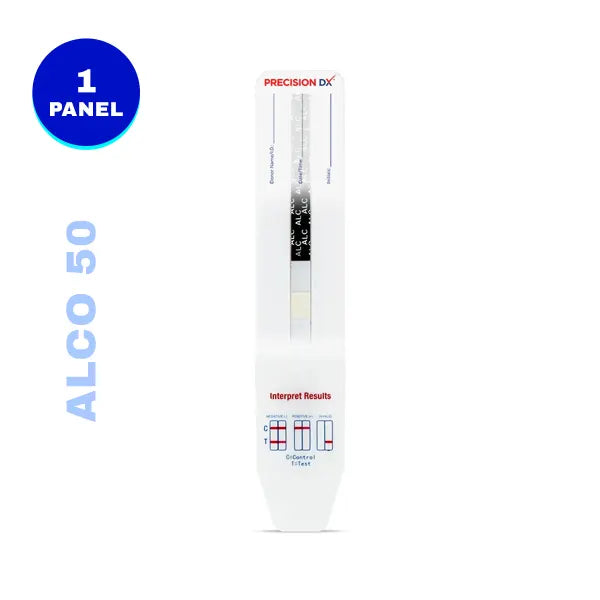
Clinics and office-based practices use saliva strips when they need a fast, observed check for recent drinking before a visit, procedure, or medication start. Results support a clinical conversation; they are not a substitute for a diagnostic workup.
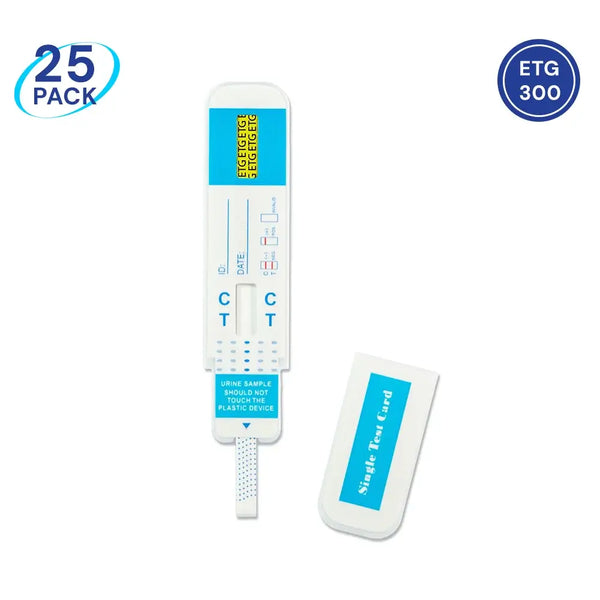
Substance-use treatment programs and recovery residences rely on EtG urine strips and cups to monitor abstinence between counseling sessions. The longer metabolite window is the point: ethanol itself may already be gone while EtG can still screen positive after recent use. Programs typically pair a documented screen with a written confirmation policy.
Courts, probation, and pretrial services order forensic-use-only EtG devices when the goal is abstinence compliance rather than workplace fitness-for-duty. Collection sites and independent labs stock the same SKUs so they can run on-site screens and reflex non-negative samples to GC-MS or LC-MS/MS.
Employers and staffing firms more often choose saliva alcohol strips or breath devices for pre-shift and reasonable-suspicion checks. Federal DOT alcohol testing follows 49 CFR Part 40 (approved saliva or breath screens and evidential breath confirmation). Urine EtG is generally not the DOT alcohol method. Non-DOT employer policies may still use EtG; the device must match the written policy.
Hospitals, behavioral-health units, and occupational-health clinics buy mixed cases so one cabinet holds saliva screens for recent use and EtG cups for monitoring. Since 2004, American Screening Corp in Shreveport, Louisiana, has supplied these channels at wholesale case quantities.
Compliance
Read the intended-use statement on every box. Some saliva alcohol strips and certain urine screens carry FDA 510(k) clearance and may be CLIA-waived for professional use, which supports moderate-complexity or waived laboratory settings when the operator follows the instructions for use. Many EtG urine strips and multi-panel cups that include EtG, fentanyl, gabapentin, or kratom are labeled forensic-use-only. Forensic-use-only devices are not cleared for medical diagnosis or over-the-counter home use; they are sold for law enforcement, employment (where policy allows), and similar non-medical screening.
Immunoassay lines are presumptive. When a result will affect treatment standing, a court condition, or a job action, programs commonly send the specimen for chromatographic confirmation (GC-MS or LC-MS/MS for EtG and EtS). Workplace alcohol programs that follow DOT rules confirm with an evidential breath testing device, not with urine EtG. Cutoff choice matters: commercial EtG strips often use 300 ng/mL or 500 ng/mL; a lower cutoff is more sensitive and may increase screens that need review. This is product information, not legal advice. Keep current CLIA, state, and agency rules, and train collectors on the insert for the exact SKU you stock.
How to read results
Always follow the manufacturer’s instructions for the lot in hand. Two read styles appear in alcohol testing: competitive immunoassay lines (typical EtG strips and cups) and colorimetric saliva charts. A general sequence:
- Verify the pouch is unexpired, intact, and at the labeled temperature. Identify the donor and the device lot.
- Collect urine or oral fluid exactly as the insert describes. For cups, check volume marks; for saliva, saturate the pad for the stated time.
- Start the timer when the strip is dipped, the cup is laid flat, or the saliva pad is placed on the chart—whichever the IFU requires.
- Read only inside the stated window. For immunoassay EtG devices, a control line must appear or the test is invalid. Presence of a test line, including a faint line, is generally interpreted as negative; absence of a test line with a valid control is generally interpreted as preliminary positive. For colorimetric saliva strips, match the pad color to the printed chart; do not interpolate beyond labeled levels.
- Record the result, lot, time, and operator. If the control line is missing, the membrane failed to wick, or the color is unreadable, treat the device as invalid and repeat with a new test.
- Apply your written policy for non-negative screens, including whether the specimen goes to confirmation testing.
Do not read after the maximum time. Lighting and camera photos can distort faint lines and saliva colors; use the naked eye per the insert.
Ordering in bulk from ASC
American Screening Corp sells alcohol testing strips, EtG dip tests, and alcohol-capable cups by the case to clinics, treatment centers, courts, employers, staffing firms, collection sites, and laboratories. Case packs support standing inventory; volume quotes are available for recurring orders. Most in-stock wholesale orders ship the same day from Shreveport. Private-label packaging is offered for qualified programs that want their own branding on boxes and inserts. Check each product for FDA-cleared / CLIA-waived versus forensic-use-only status before you issue a purchase order. Contact the sales team for configuration help across the 76 items in this collection—no public list prices are required to request a quote.
Alcohol Test Strips FAQ
What is an alcohol test strip?
It is a disposable device that screens saliva for ethanol or urine for ethanol or EtG. You dip, swab, or use an integrated cup, then read a line or a color chart in minutes. American Screening Corp supplies professional and forensic configurations; the insert defines specimen type, cutoff, and whether the SKU is CLIA-waived or forensic-use-only.
How long after drinking can these strips detect alcohol?
Saliva and urine ethanol pads typically reflect recent drinking measured in hours, not days. EtG in urine can screen longer—often discussed up to about 80 hours after heavier use—but light drinking, a higher cutoff, and individual metabolism can shorten that window. Timeframes are estimates, not guarantees. Confirmation testing is used when an exact interpretive result is required.
Does an alcohol test detect EtG, ethanol, or both?
It depends on the SKU. Saliva strips generally detect ethanol. Dedicated EtG urine strips detect the metabolite ethyl glucuronide. Some cups add an ethanol pad, an EtG line, or both alongside other drug classes. Read the panel print on the device and the package insert so collectors do not confuse a short ethanol window with an EtG abstinence screen.
How much do alcohol testing strips cost in bulk?
ASC prices as a wholesaler by case quantity rather than a single advertised retail each. Per-test cost falls as case counts rise, and mixed-SKU quotes are available for programs that need both saliva screens and EtG cups. Request a volume quote for current case pricing, same-day ship eligibility, and any private-label setup. No list prices are published in this copy.
Where can I buy alcohol test strips near me?
You do not need a local storefront for on-site testing. Order online from American Screening Corp and keep devices on the shelf at the clinic, court, or job site. Same-day shipping from Shreveport, Louisiana, is available on qualifying in-stock wholesale orders so programs can replenish without sending donors to an outside counter.
How accurate are alcohol test strips?
When stored and run per the insert, FDA-cleared and CLIA-waived saliva devices and well-made EtG immunoassays are reliable screens at their labeled cutoffs. They remain presumptive. Factors such as cutoff, timing after drinking, specimen validity, and operator technique affect field performance. Non-negative results that will drive a clinical, court, or employment decision are commonly confirmed by GC-MS, LC-MS/MS, or evidential breath testing as policy requires.