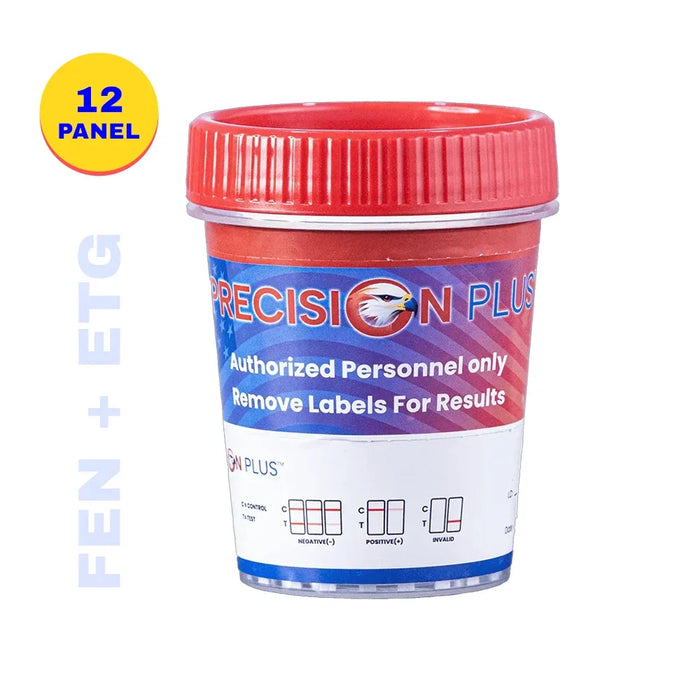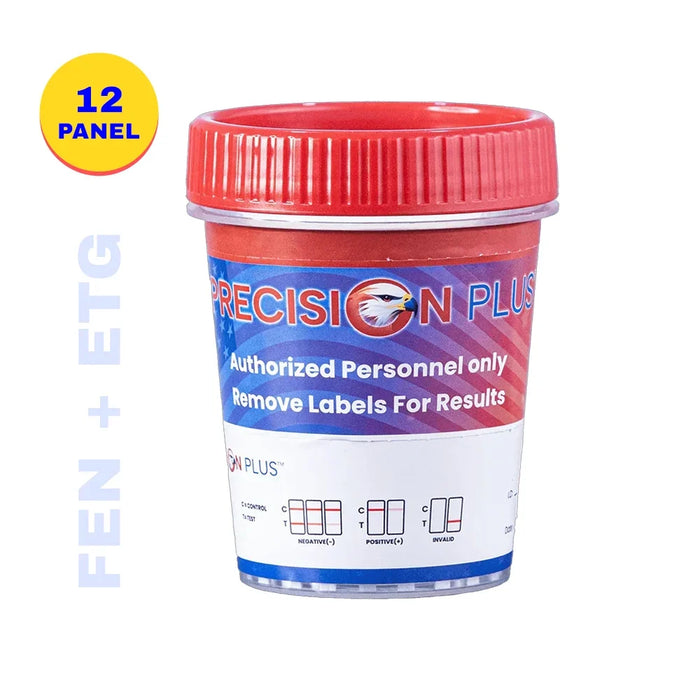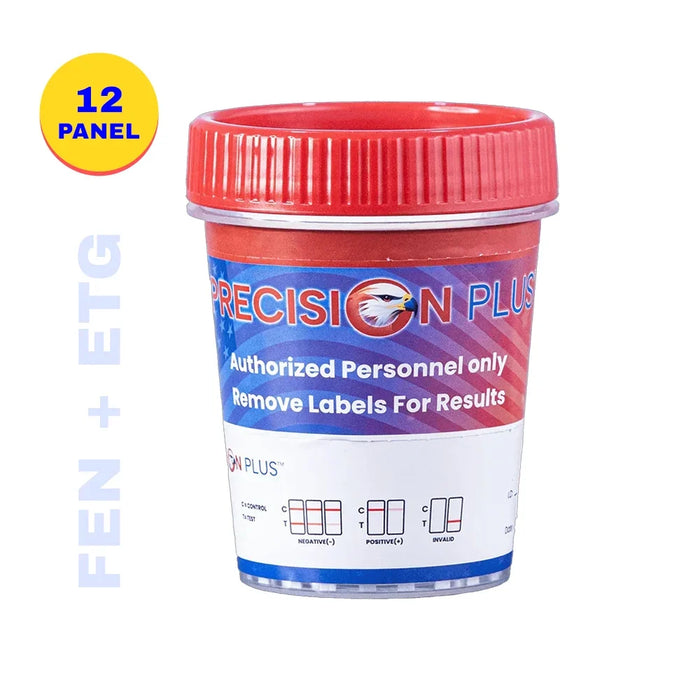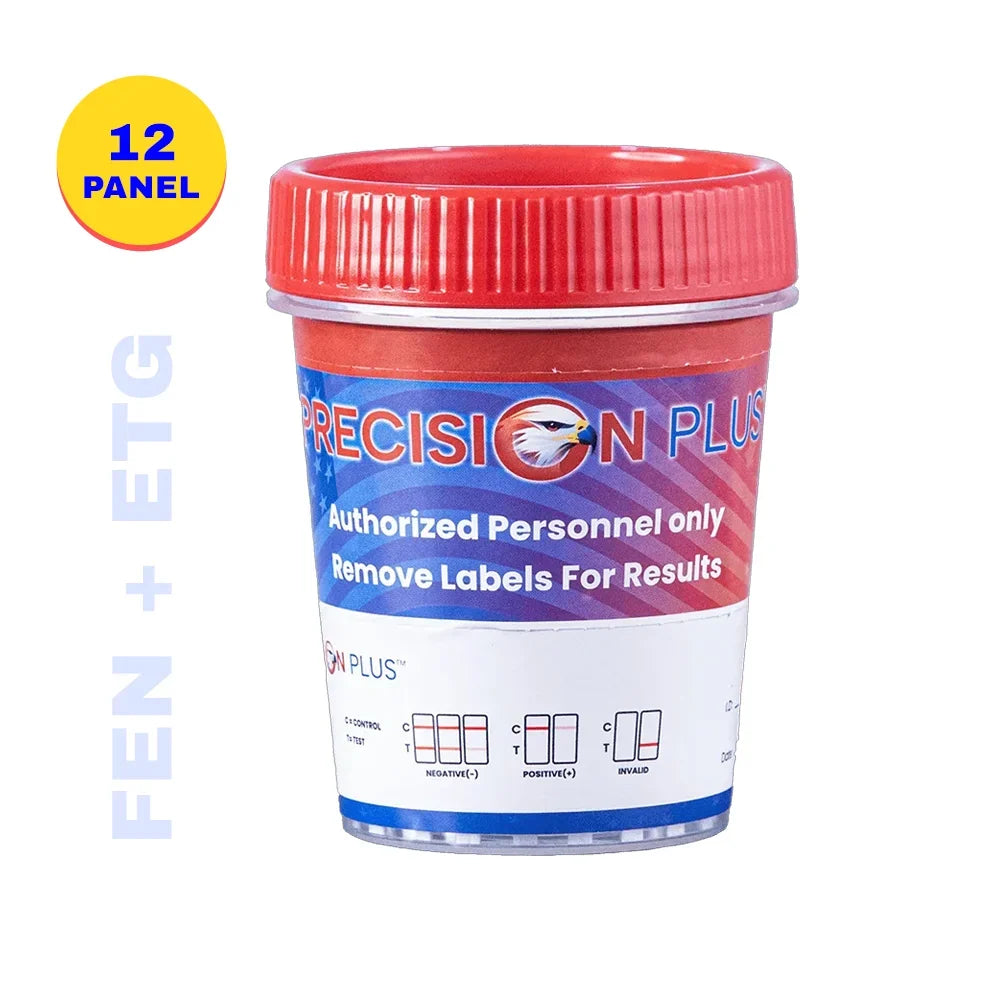
Quick answer: A court-ordered drug test collection site is a clinic or lab that collects urine, saliva, or breath specimens under chain of custody for probation and family court. Screens use FDA-cleared, CLIA-waived cups at published ng/mL cutoffs. Every positive is preliminary and confirmed by GC/MS or LC-MS/MS. American Screening Corp supplies those kits.
- A collection site verifies identity, completes chain of custody, checks specimen temperature and volume, and documents the screen.
- HHS Mandatory Guidelines (Federal Register, October 2023) set urine immunoassay cutoffs such as THCA 50 ng/mL and cocaine metabolite 150 ng/mL.
- Every non-negative screen is preliminary; confirm by GC/MS or LC-MS/MS laboratory testing before a court or program relies on the result.
What a court-ordered collection site is
A court-ordered drug test collection site is the clinic, treatment center, lab service center, or designated room where a person gives urine, oral fluid, or breath because a court or probation officer ordered it. The site collects the specimen and usually runs a screen. It is not the confirmatory laboratory.
Need drug tests for your clinic, program or workplace?
American Screening Corp has supplied FDA-cleared, CLIA-waived tests at wholesale pricing since 2004. Popular options:
Ordering 100+ tests? Request volume pricing.
The site's first job is chain of custody: show who gave the specimen, when, and that it was not substituted or adulterated. Courts, probation units, and treatment programs buy that process. They are not shopping for a consumer walk-in test.
American Screening Corp (ASC) in Shreveport, Louisiana, supplies wholesale FDA-cleared, CLIA-waived cups, dip cards, oral fluid tests, EtG and fentanyl strips, and DOT-compliant collection kits to those sites, with same-day shipping nationwide.
Who operates it, and who it is for
Operators include clinics, addiction-treatment centers, hospitals, independent labs, court contractors, and employers or staffing firms with an on-site room. Donors include probationers, drug-court participants, parents in dependency cases, pretrial defendants, and workers under a court condition.
A DOT collection site under 49 CFR Part 40 (U.S. Department of Transportation, 49 CFR Part 40, as of 2025) is required only for a DOT test. Most court-ordered tests are not DOT tests. Many programs still copy Part 40 identity, custody, and temperature steps because they are the national collection standard.
Probation and treatment buyers who contact ASC most often ask which panel to stock, whether a CLIA-waived cup can be read on site, and how to move a non-negative specimen to confirmation.
What the test detects, cutoffs, and windows
Collection-site screens are immunoassays. They detect drug classes against a cutoff in ng/mL printed on the device. Read times are the manufacturer's window, usually minutes.
HHS Mandatory Guidelines for Federal Workplace Drug Testing Programs (Federal Register, October 12, 2023) set these urine initial-test cutoffs: THCA 50 ng/mL; cocaine metabolite 150 ng/mL; codeine or morphine 2,000 ng/mL; hydrocodone or hydromorphone 300 ng/mL; oxycodone or oxymorphone 100 ng/mL; 6-acetylmorphine 10 ng/mL; phencyclidine 25 ng/mL; amphetamine, methamphetamine, MDMA, or MDA 500 ng/mL.
Courts often add benzodiazepines, barbiturates, methadone, buprenorphine, fentanyl, and EtG. Use the cutoff on the labeled FDA-cleared device.
Detection windows vary by dose, frequency, specimen, and metabolism. Programs commonly plan around about 1 to 3 days in urine for cocaine, amphetamines, and many opioids; several days for PCP; and a few days to 30 days or more for cannabis in frequent use. Urine EtG is often used for an alcohol lookback of about 24 to 80 hours. These are planning ranges, not legal limits. Oral fluid reflects more recent use. Breath alcohol reflects current presence, not days of history.
Every positive screen is preliminary; confirm by GC/MS or LC-MS/MS laboratory testing.
How to collect under chain of custody
Use the program's written procedure. If it is silent, Part 40-style steps are the usual template.
- Match photo ID to the court or program order.
- Start the chain-of-custody form before collection.
- Secure bags and coats; document observed or unobserved collection as ordered.
- Collect the specimen; check volume and temperature (Part 40 uses 90 to 100 degrees F for urine).
- Seal, initial, and keep custody unbroken.
- Run the FDA-cleared screen; read it inside the label window.
- Record negative or non-negative. Treat every non-negative as preliminary.
- Ship the sealed specimen for GC/MS or LC-MS/MS when the result is non-negative or the program labs every specimen.
Do not report a screen as a confirmed result.
Cup, dip card, or oral fluid
Pick the format the order and the room can support. Drug test cups combine collection and a multi-panel screen with a temperature strip. Drug test dip cards are used on a pour-off when the collector wants a separate custody cup.
| Format | Specimen | What it is for | Screen time |
|---|---|---|---|
| Multi-panel cup | Urine | Standard court collection with built-in temperature strip and 5- to 18-panel options | Minutes, per label |
| Dip card | Urine | Pour-off screening when the cup is only for collection and custody | Minutes, per label |
| Oral fluid device | Saliva | When urine collection is not practical or substitution risk is high | Minutes, per label |
| EtG strip or panel | Urine | Alcohol abstinence monitoring after ethanol has left breath | Minutes, per label |
Checklist for stocking or choosing a site
- Written protocol for ID, observation, temperature, shy bladder, adulteration, and refusal.
- Chain-of-custody forms and sealed bags.
- FDA-cleared, CLIA-waived cups or dip cards in the ordered panel, verified on the product record.
- Oral fluid, EtG, or fentanyl devices when the order includes them.
- A laboratory contract for GC/MS or LC-MS/MS.
- Trained collectors and a restroom that can be prepared for collection.
- Gloves, bluing agent, and a clock for read times.
- Record retention set by the court or state program.
If you designate a vendor, ask what devices they use, how collectors are trained, and how non-negatives move to confirmation.
FDA-cleared and CLIA-waived status
Use devices that are FDA-cleared for the intended use. When staff read the screen outside a high-complexity lab, they need a CLIA-waived device (FDA, Clinical Laboratory Improvement Amendments (CLIA), as of 2025). Forensic-use-only devices must stay labeled as such.
CLIA-waived status does not confirm a result. Confirmation is GC/MS or LC-MS/MS.
Frequently asked questions
Does a court-ordered drug test have to use a DOT collection site?
No. DOT collection sites and 49 CFR Part 40 apply when the test is a DOT test (U.S. DOT, 49 CFR Part 40). Most probation and family-court tests are not DOT tests. Many programs still follow Part 40-style chain of custody.
Can a clinic read a CLIA-waived cup for a court-ordered test?
Yes, if the device is FDA-cleared and CLIA-waived for that use and staff follow the label (FDA, CLIA). The cup result is a preliminary screen. Confirm every non-negative by GC/MS or LC-MS/MS before the program treats it as final.
What happens after a positive court-ordered screen?
The screen is preliminary. Seal the specimen, keep chain of custody, and send it for GC/MS or LC-MS/MS confirmation. Do not report the immunoassay alone as a confirmed positive. Follow the program's written steps; this page is not legal advice.
Which panel should a probation collection site stock?
Stock the panel the order names. Many sites keep a 12- to 18-panel urine cup covering HHS workplace classes plus benzodiazepines, buprenorphine, fentanyl, and EtG. Verify FDA 510(k) and CLIA-waived status on the product record. Use the ng/mL cutoffs on the label.
Sources
- Mandatory Guidelines for Federal Workplace Drug Testing Programs (Federal Register, October 12, 2023)
- 49 CFR Part 40 — Procedures for Transportation Workplace Drug and Alcohol Testing Programs
- Clinical Laboratory Improvement Amendments (CLIA)
This page is general information, not medical or legal advice.