Quick answer: Staffing firms can collect non-DOT urine screens in-house with FDA-cleared, CLIA-waived cups that detect THC at 50 ng/mL, cocaine at 150 ng/mL and opiates at 2,000 ng/mL (typical urine window 1–3 days; THC longer). DOT work needs a collection site. Every positive is preliminary pending GC/MS or LC-MS/MS.
- Non-DOT branch screens can use FDA-cleared, CLIA-waived cups; DOT placements require a 49 CFR Part 40 collection site.
- Federal initial cutoffs include THC 50 ng/mL, cocaine 150 ng/mL, amphetamines 500 ng/mL, and morphine/codeine 2,000 ng/mL (HHS Mandatory Guidelines, as of 2017).
- American Screening Corp treats every non-negative cup as preliminary until GC/MS or LC-MS/MS laboratory confirmation.
Do staffing firms need a third-party collection site?
Most staffing firms do not need a third-party collection site for every candidate. Non-DOT pre-employment and random screens can be collected in the branch with an FDA-cleared, CLIA-waived urine cup, then sent to a laboratory only when the cup is non-negative.
Need drug tests for your clinic, program or workplace?
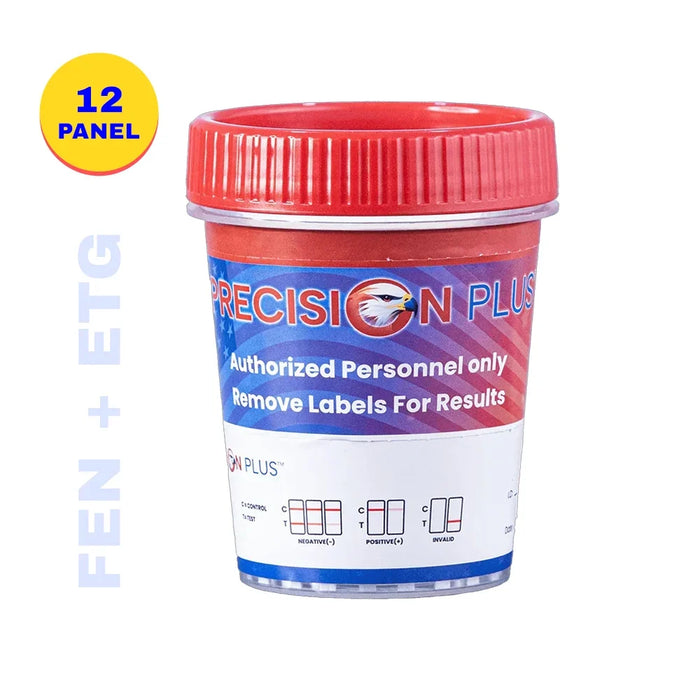
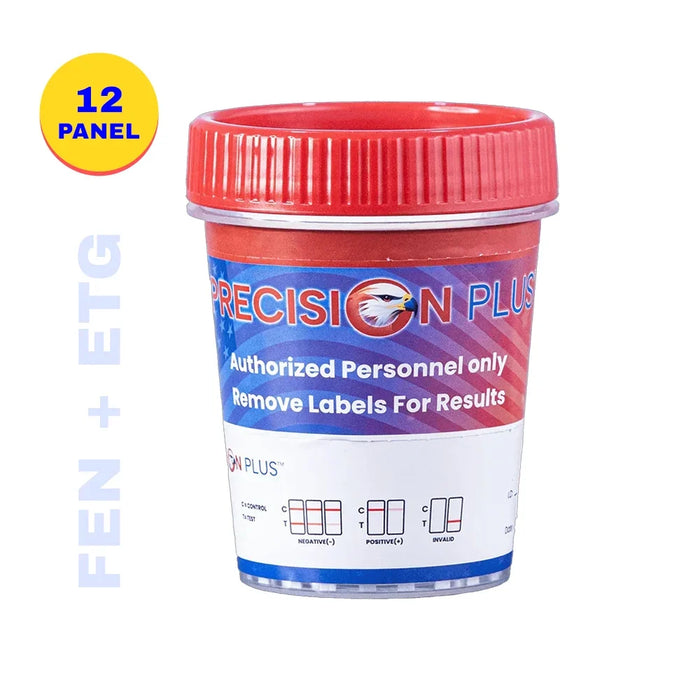
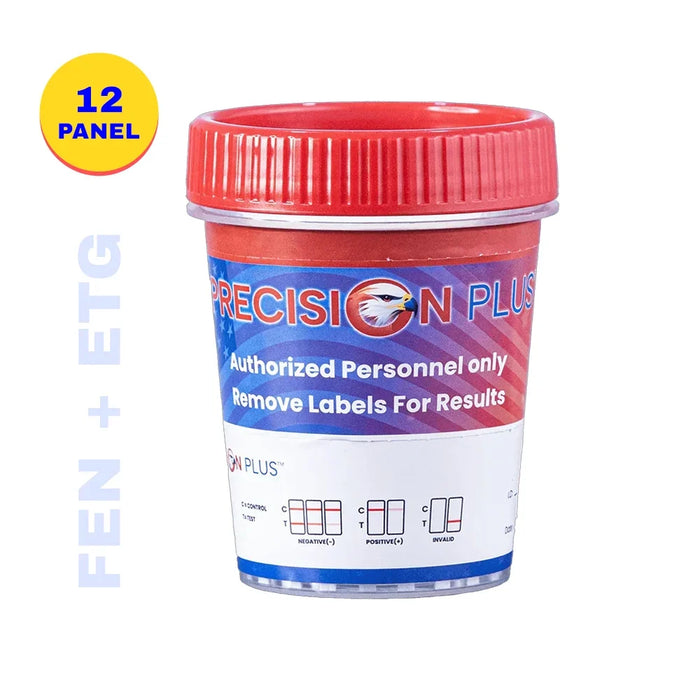
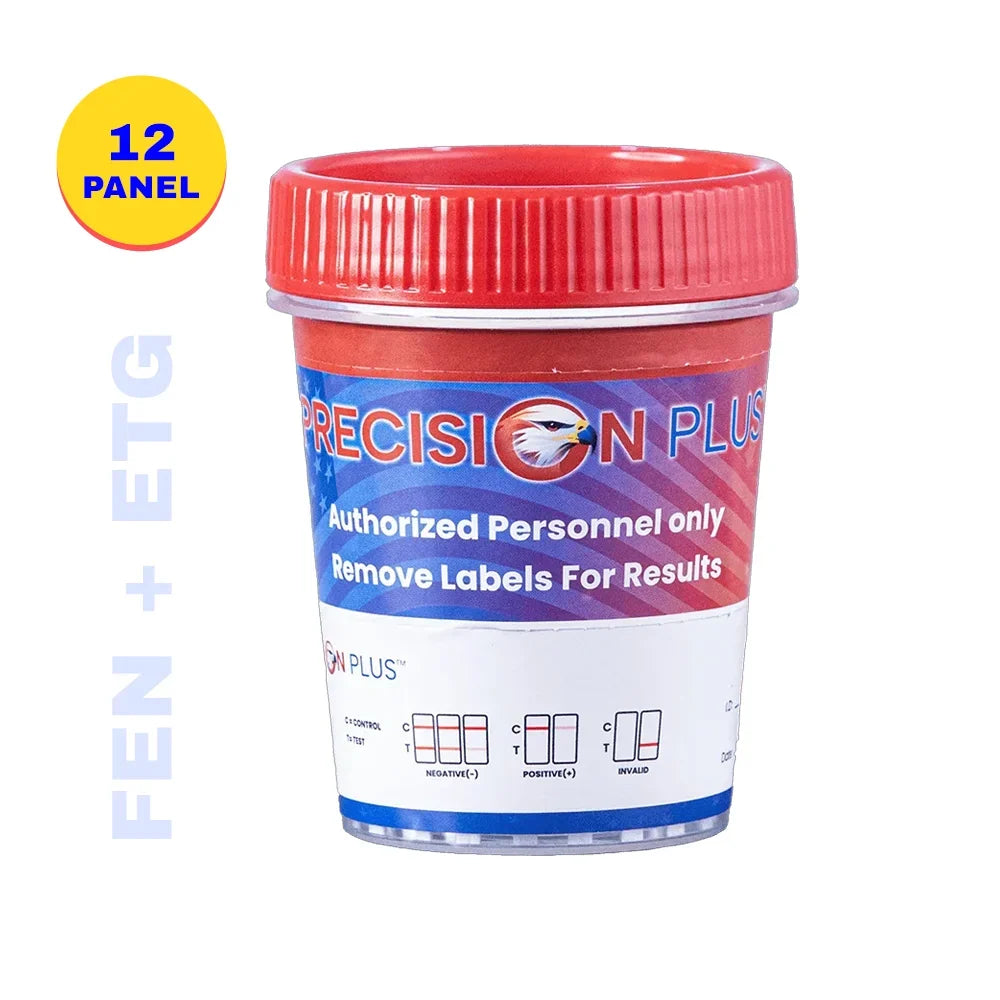
American Screening Corp has supplied FDA-cleared, CLIA-waived tests at wholesale pricing since 2004. Popular options:
Ordering 100+ tests? Request volume pricing.
You do need a certified collection site when the assignment is DOT-regulated, the client requires a SAMHSA-certified laboratory on every specimen, or you cannot provide a private restroom and a trained collector. Staffing coordinators who call American Screening Corp in Shreveport most often want to drop the per-visit collection fee without breaking a client’s written testing rule. That is a workflow split: instant screen in-house, collection site for DOT collections and for confirmation.
A collection site supplies identity checks, chain-of-custody paperwork, a controlled restroom, temperature reading, and shipment to a certified lab. A branch office can copy the non-DOT parts of that process with drug test cups if staff follow the device labeling and never treat a cup line as a final employment result.
Collection site or in-house cup: how to choose
| Factor | In-house CLIA-waived cup | Third-party collection site |
|---|---|---|
| Who collects | Trained branch staff following the cup insert | Professional collector |
| DOT (49 CFR Part 40) | Not a substitute for a DOT test | Required for DOT collections |
| Result type | Preliminary immunoassay in minutes | Laboratory result after GC/MS or LC-MS/MS; MRO review for DOT |
| Best use for staffing | High-volume non-DOT temps and same-day dispatch | CDL and other safety-sensitive DOT jobs; all confirmations |
| Non-negative cup | Do not place or reject on the cup; send for lab confirmation | Laboratory is already in the path |
What the cups detect: cutoffs and detection windows
Workplace urine cups used by staffing firms commonly run 5, 10, 12, or 14 panels. A federal-style 5-panel targets marijuana metabolites, cocaine metabolite, amphetamines, opiates (codeine/morphine), and phencyclidine (PCP). Larger panels add drugs such as benzodiazepines, barbiturates, methadone, oxycodone, or buprenorphine; read the cup’s drug list and ng/mL cutoffs before you buy.
HHS Mandatory Guidelines for Federal Workplace Drug Testing Programs (urine) set these initial test cutoffs, as of 2017: marijuana metabolites 50 ng/mL; cocaine metabolite 150 ng/mL; amphetamines and MDMA 500 ng/mL; codeine/morphine 2,000 ng/mL; hydrocodone/hydromorphone 300 ng/mL; oxycodone/oxymorphone 100 ng/mL; 6-acetylmorphine 10 ng/mL; PCP 25 ng/mL. Use the cutoff printed on the specific cup. FDA-cleared, CLIA-waived cups may be used by non-laboratory personnel who follow the instructions (FDA, Drugs of Abuse Tests, as of 2024).
Typical urine detection windows are about 1–3 days for cocaine, amphetamines, and short-acting opiates; about 3–7 days for PCP; and about 1–3 days after a single THC use, longer with repeated use. Windows vary by dose, frequency, hydration, and metabolism. They are screening estimates, not a medical diagnosis and not proof of impairment.
Every positive screen is preliminary; confirm by GC/MS or LC-MS/MS laboratory testing. Instant cups do not replace a medical review officer on DOT work.
DOT placements versus general temp screening
If you place commercial drivers or other DOT safety-sensitive employees, 49 CFR Part 40 governs collectors, the Custody and Control Form, split specimens, SAMHSA-certified laboratories, and the MRO (DOT Office of Drug and Alcohol Policy and Compliance, 49 CFR Part 40, as of 2024). An office cup cannot stand in for that collection.
For warehouse, clerical, healthcare-support, and light-industrial temps that are not DOT-regulated, many client employers accept a documented instant screen plus laboratory confirmation of non-negatives. Keep the client’s written requirement in the assignment file so the branch knows which path to use before the candidate arrives.
SAMHSA describes federal workplace testing as a public-safety and deterrent program, not a diagnostic exam (SAMHSA, Drug-Free Workplace, as of 2024). Staffing firms should use the same frame: screen, confirm, then apply the client’s hiring policy.
How to run an in-house collection at the branch
- Confirm the order is non-DOT and that the client accepts an instant FDA-cleared, CLIA-waived screen.
- Select the panel the client specified and match the cup’s printed ng/mL cutoffs to that panel.
- Verify government photo identification and complete your chain-of-custody form before the specimen is produced.
- Offer a private restroom. Follow your written policy on water sources, personal items, and observed collections; observation rules differ for DOT and non-DOT programs.
- Have the donor wash hands, then provide the specimen. Read the temperature strip within four minutes. The DOT acceptable range is 32–38°C (90–100°F) under 49 CFR 40.65; many non-DOT programs use the same range.
- Read the cup at the manufacturer’s stated time, commonly five minutes. Do not interpret results after the maximum read time on the label.
- If all drug lines are negative and controls are valid, record the result and continue onboarding.
- If any drug line is non-negative, invalid, or the specimen appears adulterated, treat the result as preliminary only. Send that specimen or a new collection to a laboratory for GC/MS or LC-MS/MS. Do not take an adverse employment action on the cup alone.
Checklist: skip the collection site only when these are true
- The placement is not DOT-regulated and the client has not required a SAMHSA-certified lab on every specimen.
- You have FDA-cleared, CLIA-waived cups in the correct panel, stored per the label, and not expired.
- A named employee is trained on the insert, ID check, temperature, timing, and documentation.
- A private restroom is available during collection hours.
- You have a laboratory account for GC/MS or LC-MS/MS confirmation of every non-negative, invalid, or suspected-adulterated result.
- The file includes the client’s drug-testing policy, the cutoff sheet, and the completed chain-of-custody form.
- Staff never tell a candidate that a cup is a “final positive.”
Drug screens and background checks on the same hire
Staffing firms usually run a drug screen and a criminal or employment check on the same start. Keep the two files separate. A cup result is not a background check, and a background check is not a medical exam. For FCRA-regulated consumer reports, use disclosure, authorization, and adverse-action steps. American Screening Corp’s sister division offers FCRA-compliant employment background checks that staffing agencies can pair with in-house or collection-site drug screens.
Reviewed for product-workflow accuracy by American Screening Corp specialists, Shreveport, Louisiana. Last updated November 2026. Support calls from staffing branches most often ask whether a 12-panel cup can replace a collection site (only for non-DOT screening) and whether a non-negative should go to the lab the same day (yes, so the specimen is not held in a branch refrigerator).
FAQ
Can a staffing firm collect urine drug tests in its own office?
Yes. For non-DOT screens, trained staff may collect with an FDA-cleared, CLIA-waived cup, follow the label, document chain of custody, and treat every non-negative as preliminary pending GC/MS or LC-MS/MS confirmation.
When must a staffing firm use a certified collection site?
Use a certified collector and laboratory for DOT-regulated placements under 49 CFR Part 40, when a client requires a SAMHSA-certified lab on every specimen, and for confirmation of non-negative cups. Use one if the branch has no private restroom.
What cutoff levels do CLIA-waived workplace cups typically use?
Federal urine initial cutoffs include THC 50 ng/mL, cocaine 150 ng/mL, amphetamines 500 ng/mL, opiates 2,000 ng/mL, and PCP 25 ng/mL (HHS Mandatory Guidelines, as of 2017). Always use the cutoff printed on the cup.
Is an in-house staffing drug screen a final result?
No. Instant cups produce a preliminary immunoassay result only. Every positive screen is preliminary; confirm by GC/MS or LC-MS/MS laboratory testing before any employment decision.
Sources
- SAMHSA, Drug-Free Workplace
- DOT Office of Drug and Alcohol Policy and Compliance, 49 CFR Part 40
- FDA, Drugs of Abuse Tests
This is general information, not legal or medical advice.