Quick answer: A donor must bring a government-issued photo ID. Collectors verify identity under 49 CFR Part 40.61 as of November 2026. Bring any CCF or court referral the program issued. American Screening Corp supplies FDA-cleared, CLIA-waived cups that screen AMP, COC, THC, OPI and PCP at SAMHSA cutoffs such as THC 50 ng/mL.
- A current government photo ID is required before any collection starts; without it the collector contacts the DER under 49 CFR 40.61.
- Donors should carry the Custody and Control Form or referral if the employer, court, clinic, or staffing firm issued one.
- Instant screens on CLIA-waived cups are preliminary; confirm every positive by GC/MS or LC-MS/MS laboratory testing.
What photo ID a collection site will accept
When a donor arrives, the collector's first task is identity, not the specimen. 49 CFR Part 40.61 (U.S. Department of Transportation, as of November 2026) requires the collector to request photo identification before the collection begins.
Need drug tests for your clinic, program or workplace?
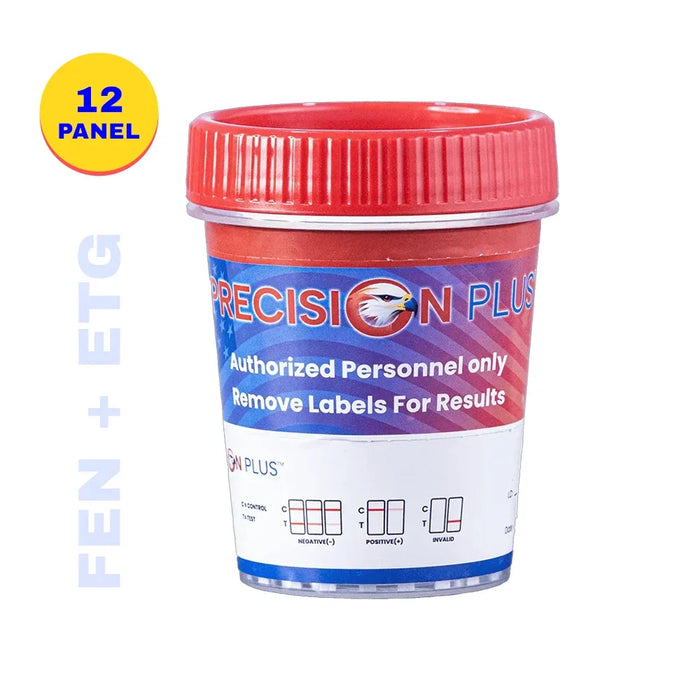
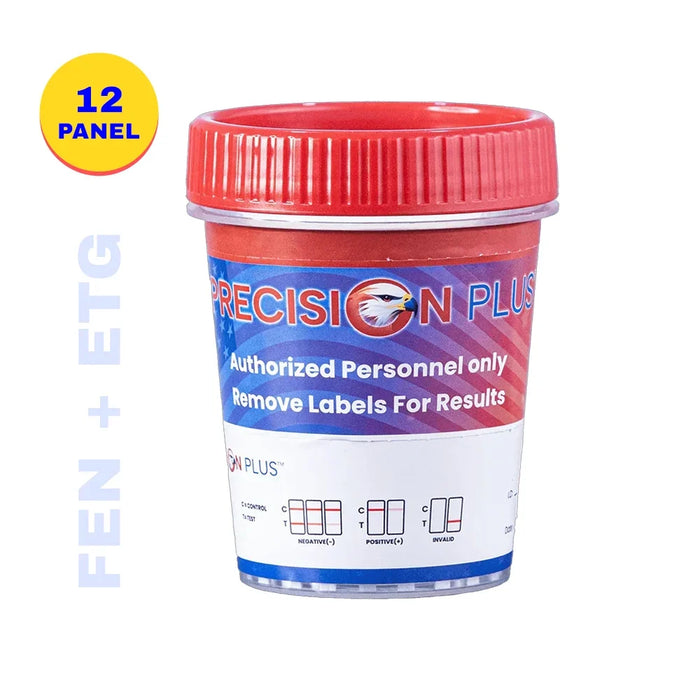
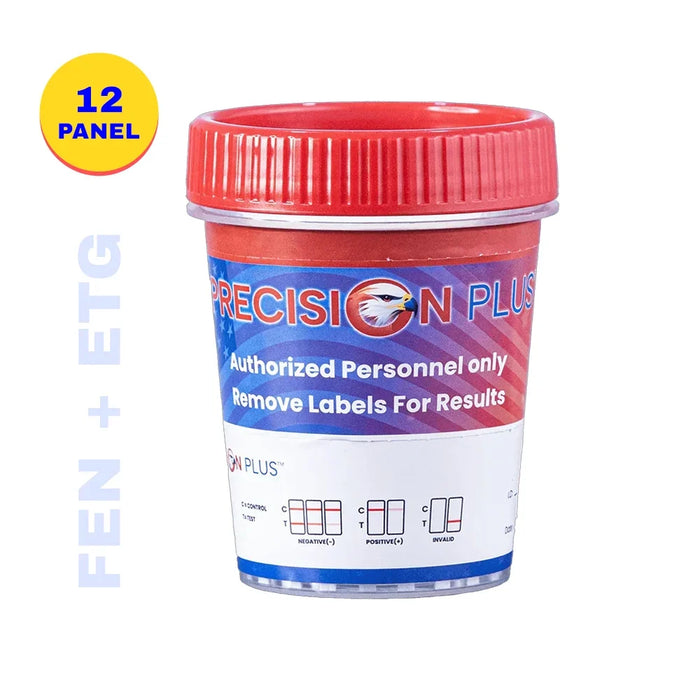
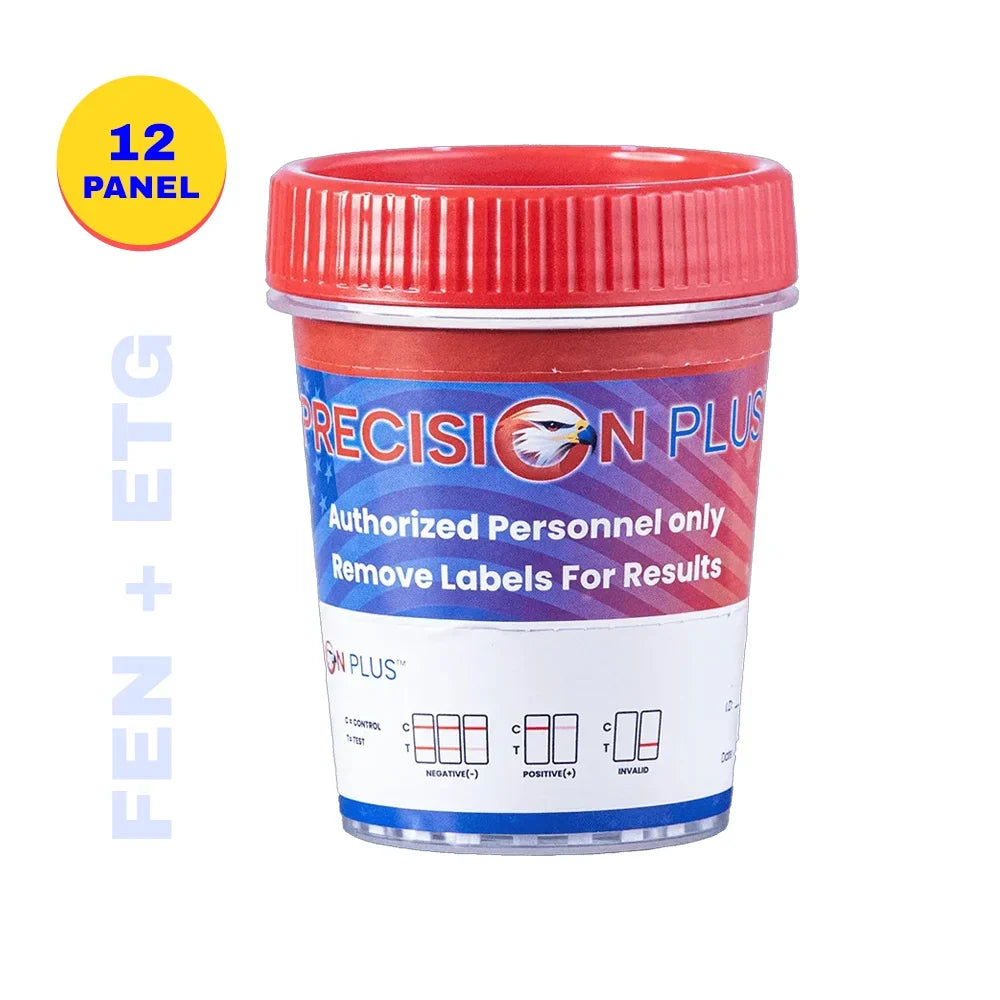
American Screening Corp has supplied FDA-cleared, CLIA-waived tests at wholesale pricing since 2004. Popular options:
Ordering 100+ tests? Request volume pricing.
Acceptable ID is a current government-issued photo document: a state driver license, state ID card, passport, or U.S. military ID. Expired cards, photocopies, and phone photos are not sufficient.
If the donor has no ID, the collector must contact the designated employer representative to verify identity. The collection does not start until that verification is complete. Courts and treatment programs should print a backup contact on the referral. Employers and staffing firms should state the ID rule in the appointment notice.
What paperwork the donor should carry
For DOT testing, the Federal Drug Testing Custody and Control Form must be used. The employer, consortium, or collection site may supply it. If the donor was handed a paper CCF, they should bring it unaltered.
For non-DOT workplace, court, and clinical testing, the donor should bring the authorization, chain-of-custody form, court UA slip, or laboratory requisition the program issued. Without that form, the collector may not know the panel, the account, or whether the test is instant, lab-based, or both.
Prescription details belong with the Medical Review Officer after a laboratory non-negative, not with the collector at check-in.
What the donor should leave outside the restroom
Under 49 CFR 40.61, the collector asks the donor to remove outer clothing such as a coat, jacket, or hat and to leave personal belongings outside the restroom. The donor may keep a wallet. Phones, backpacks, and food or drink do not go into the stall.
A companion may wait in the lobby and does not enter the restroom, handle the cup, or speak for an adult donor unless the program has a written interpreter or guardian procedure.
DOT versus non-DOT: what to bring at check-in
Use this table when you write the donor arrival sheet. Do not mix a Federal CCF with a non-DOT instant screen.
| Item | DOT / FMCSA | Non-DOT workplace | Court / probation | Clinical / treatment |
|---|---|---|---|---|
| Photo ID | Required | Required | Required | Required |
| CCF or site form | Federal CCF required | Non-federal CCF or site form | Chain-of-custody or court form | Requisition or chart order |
| Program contact | DER phone on file | TPA or HR contact | Probation officer or clerk | Clinic coordinator |
| Medications at check-in | Not given to collector; MRO may request later | Follow written policy | Follow written policy | Often requested by the clinician |
| Authorization | Employer notification to test | Employer or TPA authorization | Court order or UA slip | Order in the chart |
Brief the donor before they travel to the site
Give every donor a one-page arrival sheet at least 24 hours before the appointment.
- Site name, street address, hours, and phone number
- Bring a current government-issued photo ID
- Bring the CCF, court slip, or authorization if the program issued one to the donor
- Do not drink large volumes of fluid on the way; excess water can produce a dilute specimen
- Plan 30 to 60 minutes on site
- Leave coats, bags, and phones where the collector directs
- A urine screen is not a diagnosis; any positive is preliminary pending GC/MS or LC-MS/MS
- Name the DER, probation officer, or clinic contact if ID or paperwork fails
American Screening Corp in Shreveport, Louisiana, supplies FDA-cleared, CLIA-waived drug test cups and DOT-compliant collection kits to clinics, courts, labs, and employers with same-day shipping nationwide.
After ID check: specimen, cutoffs, and confirmation
Once identity is verified, the collector follows the protocol for urine or oral fluid. DOT urine split collections require at least 45 mL under 49 CFR Part 40, Subpart E, as of November 2026. HHS Mandatory Guidelines (SAMHSA, as of November 2026) set federal urine immunoassay cutoffs that many workplace and court panels copy:
- Marijuana (THC metabolite): 50 ng/mL initial; 15 ng/mL confirmatory
- Cocaine (benzoylecgonine): 150 ng/mL initial; 100 ng/mL confirmatory
- Amphetamines: 500 ng/mL initial; 250 ng/mL confirmatory
- Phencyclidine: 25 ng/mL initial and confirmatory
- Codeine/morphine: 2,000 ng/mL
- 6-acetylmorphine: 10 ng/mL
- Hydrocodone/hydromorphone: 300 ng/mL initial; 100 ng/mL confirmatory
- Oxycodone/oxymorphone: 100 ng/mL
Typical urine detection windows in workplace programs are 1 to 3 days for cocaine, amphetamines, and most opiates, several days for PCP, and 1 to 30 days for cannabis depending on frequency of use.
FDA-cleared, CLIA-waived cups used in clinics and treatment programs are screening devices. Every positive screen is preliminary; confirm by GC/MS or LC-MS/MS laboratory testing.
Employers can add employment background checks through Reveal Background, sister division of American Screening Corp.
When the donor is a minor, has no ID, or cannot void
For a minor, follow state law and the program's guardian policy. The guardian presents ID and does not handle the specimen. If there is no photo ID, stop and call the DER or court contact. For DOT shy bladder, 49 CFR 40.193 allows up to three hours with limited extra fluid. Non-DOT programs should write an equivalent rule.
Last updated November 2026.
Sources
- 49 CFR § 40.61 — What does the collector check for when the employee arrives at the collection site?
- 49 CFR Part 40 — Procedures for Transportation Workplace Drug and Alcohol Testing Programs
- Drug-Free Workplace Programs | SAMHSA
Frequently asked questions
What if the donor forgets a photo ID?
The collector must contact the DER to verify identity under 49 CFR 40.61. Do not start the collection until identity is confirmed. Reschedule if the DER or court contact cannot verify the donor.
Does the donor need to bring a medication list?
Not at check-in for DOT collections. The Medical Review Officer may request prescription documents after a laboratory non-negative. Follow your written non-DOT policy if clinicians ask for a list.
Can another person come with the donor?
A companion may wait in the lobby. That person does not enter the restroom or handle the specimen. Interpreters and guardians of minors follow the program's written procedure and the collector's instructions.
How much urine must the donor provide?
DOT split collections require at least 45 mL under 49 CFR Part 40. Insufficient volume starts the shy-bladder process in 40.193. Many instant cups used in clinics need about 30 mL; follow the device insert.
This page is general information, not legal or medical advice.