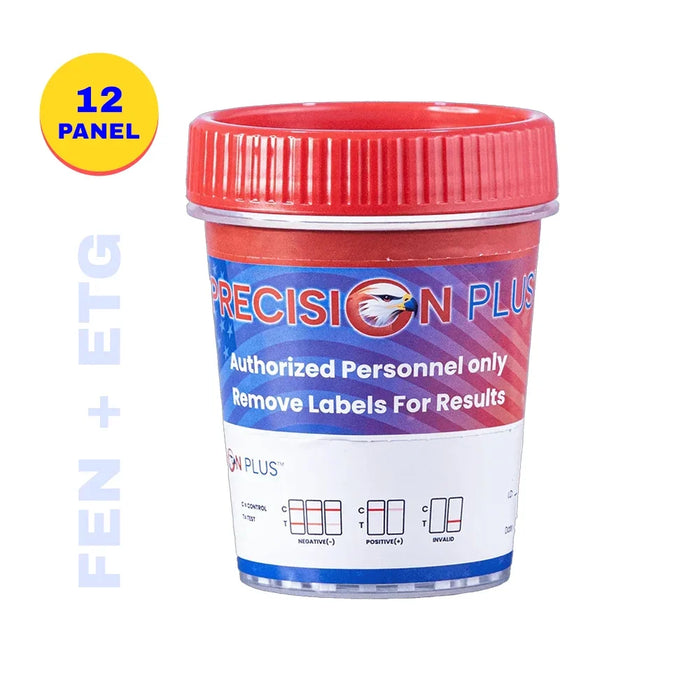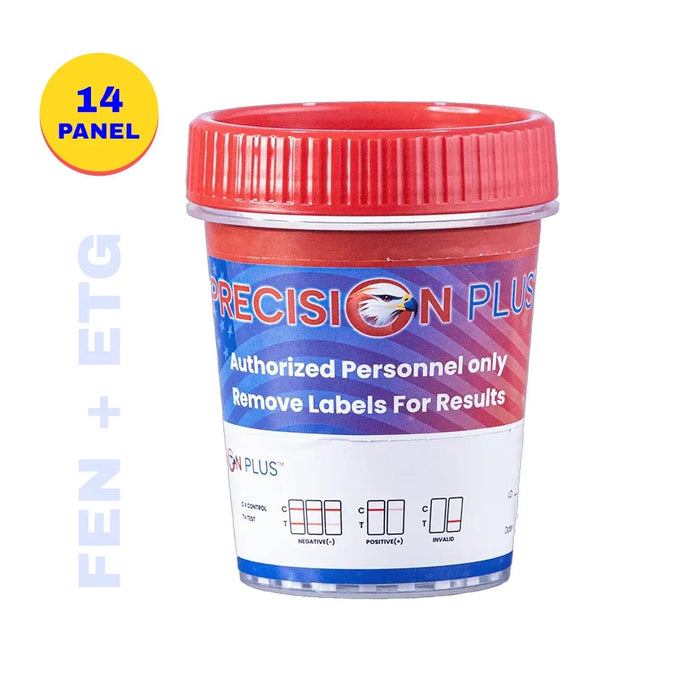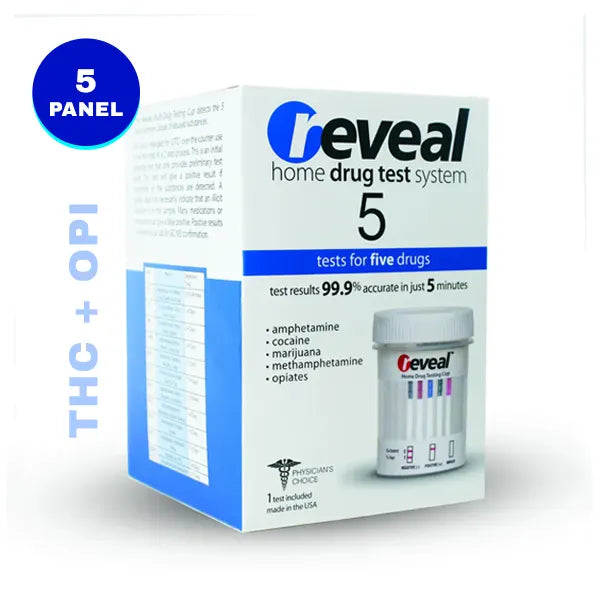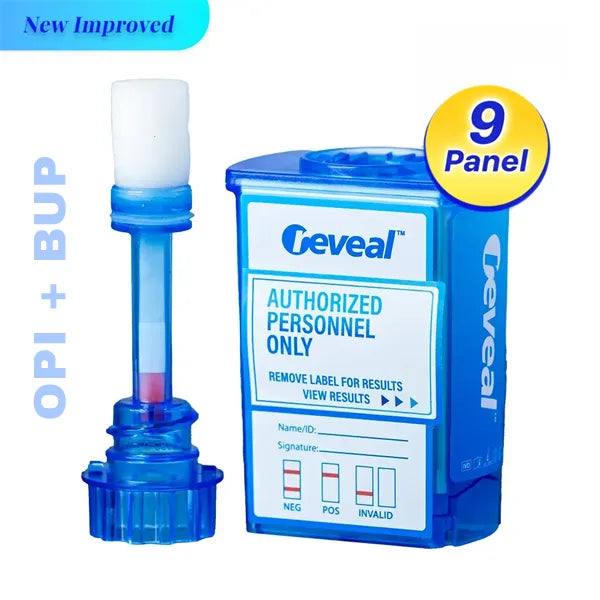
What Is an Oral Tox Drug Test?
An oral tox drug test is a mouth swab drug test: a collector places an absorbent pad in the donor's mouth to gather oral fluid, which is screened for drugs and their metabolites. It is best at detecting very recent use, typically within roughly the past one to two days, and the collection is observed by default, which makes it hard to tamper with.
For buyers at clinics, treatment centers, courts, probation offices, and staffing firms, oral fluid is a practical alternative to urine when you need fast, directly witnessed collection without restrooms or privacy concerns.
How a Mouth Swab Drug Test Works
The donor should not eat, drink, smoke, or place anything in the mouth for about 10 minutes before collection. The collector then swabs the cheek and gums until the pad is saturated or an indicator confirms enough fluid. Depending on the format, the sample is read on the device in minutes (instant screen) or sealed and sent to a laboratory.
Drugs enter oral fluid mainly from blood and, for smoked or ingested substances, from direct mouth exposure. That is why parent drugs, such as THC, are often detected shortly after use. Our oral fluid drug test collection covers on-site and lab-ready formats.
Typical panels
Common panels screen for amphetamine, methamphetamine, cocaine, opiates, PCP, and marijuana (THC), with some adding benzodiazepines, oxycodone, fentanyl, or buprenorphine. Match the panel to your policy or court order, not the other way around.
Oral Tox Drug Test Results: How to Read Them
Instant oral fluid tests report each drug line as negative or non-negative (presumptive positive). A line present in the test region generally means negative; a missing line means the drug is at or above the cutoff. Always follow the device's instructions, since reading errors are the top cause of disputed results.
- Negative: No drug detected at or above the cutoff concentration.
- Non-negative / presumptive positive: A screen result only. It should be confirmed before any adverse action.
- Invalid: Insufficient sample or device failure. Recollect with a new device.
- Confirmed positive: A laboratory result, usually by LC-MS/MS or GC-MS, on the retained specimen.
Instant screens are not final. For employment, legal, or treatment decisions, send non-negative samples to a lab for confirmation and keep a documented chain of custody.
Oral Fluid vs. Urine: Decision Table
| Factor | Oral fluid (mouth swab) | Urine |
|---|---|---|
| Detection window | Recent use, about 1-2 days | Longer, often several days or more |
| Collection | Observed, no restroom needed | Often needs privacy; observation is more intrusive |
| Adulteration risk | Low | Higher (substitution, dilution) |
| Best for | Post-accident, reasonable suspicion, roadside, on-site hiring | Routine screening, monitoring, broader history |
| Speed | Minutes on-site | Minutes on-site |
If you want a longer look-back window, a urine drug testing cup may fit better. Many programs stock both and choose by situation.
Oral Fluid Drug Test for Employers
Employers favor oral fluid when impairment-relevant, recent-use detection matters: post-incident testing, reasonable suspicion, and pre-employment testing at job sites. Observed collection also reduces cheating and shortens the time a candidate or employee is off the floor.
If your workers are DOT-regulated, note that federal rules specify the testing methods, forms, and labs you must use. Oral fluid is permitted under DOT rules only through the procedures in 49 CFR Part 40, so confirm your obligations before changing methods. Pair testing with screening through Reveal Background if you want hiring checks handled in one workflow.
Employer checklist
- Write a drug-free workplace policy that names the test types and triggers.
- Confirm state and local law on oral fluid and marijuana testing.
- Choose a panel and cutoffs that match the policy.
- Train collectors on the 10-minute wait and proper swab technique.
- Seal, label, and document chain of custody for every sample.
- Send non-negative screens to a lab for confirmation.
- Apply a consistent process for medical review of prescription explanations.
- Store results confidentially.
Limitations to Plan For
Oral fluid has a shorter window than urine, so it may miss use from several days earlier. Recent food, drink, or tobacco can affect collection if the wait period is skipped. Cutoffs vary by device, so compare specifications before buying in bulk. For volume pricing and panel guidance, contact American Screening Corp.
FAQ
What is an oral tox drug test?
It is a drug screen that analyzes oral fluid collected with a mouth swab. It detects recent drug use and is often used for post-accident, reasonable suspicion, and on-site testing.
How long do drugs stay detectable in a mouth swab drug test?
Most drugs are detectable for roughly one to two days after use, though this varies by substance, dose, and frequency of use.
Are oral tox drug test results accurate?
Instant screens are presumptive. Lab confirmation by mass spectrometry is the standard for accurate, defensible results before taking action.
Can employers use oral fluid drug tests?
Yes, in most cases, subject to state law and company policy. DOT-regulated employers must follow 49 CFR Part 40 procedures.
How do you know if you failed an oral tox drug test?
On an instant oral fluid test, a missing line means the drug is at or above the cutoff. This is a non-negative (presumptive positive) screen result only. It should be confirmed before any adverse action. A confirmed positive is a laboratory result, usually by LC-MS/MS or GC-MS.
What does a failed oral drug test look like?
On an instant oral fluid test, a missing line means the drug is at or above the cutoff. That is a non-negative (presumptive positive) screen result. It should be confirmed before any adverse action. Confirmed positives are laboratory results, usually by LC-MS/MS or GC-MS.
How far back does an oral tox drug test go?
An oral tox drug test is best at detecting very recent use, typically within roughly the past one to two days. Its detection window is about 1-2 days.
What does the oral tox drug test test for?
The oral tox drug test screens oral fluid for drugs and their metabolites. Common panels screen for amphetamine, methamphetamine, cocaine, opiates, PCP, and marijuana (THC). Some panels add benzodiazepines, oxycodone, fentanyl, or buprenorphine.
Oral tox drug test negative results
A negative result means no drug was detected at or above the cutoff concentration. On an instant oral fluid test, a line present in the test region generally means negative. Instant screens report negative or non-negative (presumptive positive) results.
Oral tox drug test how to use
A collector places an absorbent pad in the mouth to gather oral fluid. The donor should not eat, drink, smoke, or place anything in the mouth for about 10 minutes before collection. The collector swabs the cheek and gums until the pad is saturated. Instant screens are read on the device in minutes.
Sources
This article is general information only and is not legal or medical advice.