Quick answer: American Screening Corp: EtS is ethyl sulfate, a direct alcohol metabolite that urine tests detect after drinking. Common screening cutoffs are 100, 500 and 1,000 ng/mL. SAMHSA reports EtG and EtS can be found for up to 80 hours after heavy drinking. A positive screen is preliminary; confirm by GC/MS or LC-MS/MS laboratory testing.
- What it detects: recent ethanol exposure, through the metabolites ethyl sulfate (EtS) and ethyl glucuronide (EtG) in urine.
- How long: up to about 80 hours after heavy drinking (SAMHSA Advisory, as of 2012 update); shorter after light drinking.
- What to do with a positive: treat it as preliminary and send the specimen for laboratory confirmation before any action.
What does EtS on a drug test mean?
EtS stands for ethyl sulfate. The body forms it in small amounts when it processes ethanol, the alcohol in beer, wine and spirits. Because it only appears after ethanol exposure, it is called a direct biomarker.
Need drug tests for your clinic, program or workplace?
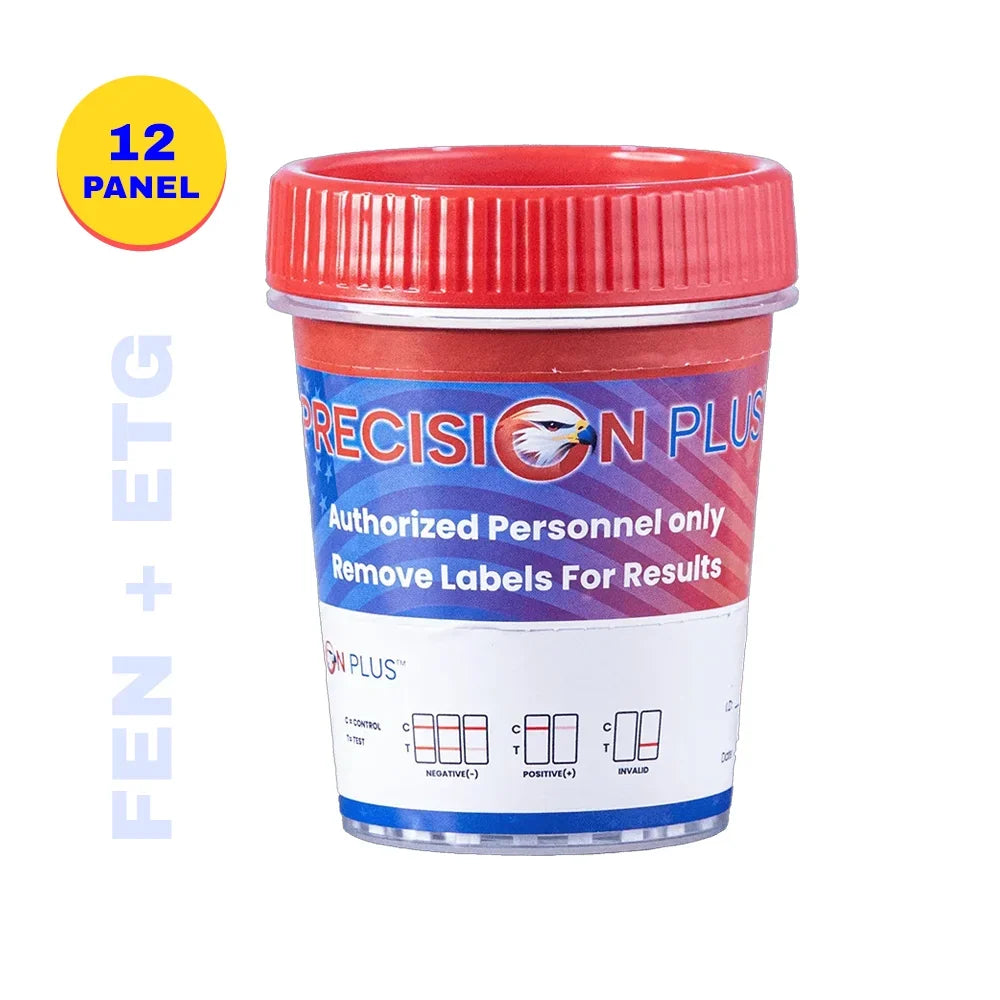
American Screening Corp has supplied FDA-cleared, CLIA-waived tests at wholesale pricing since 2004. Popular options:
Ordering 100+ tests? Request volume pricing.
EtS is not part of a standard 5-panel or 10-panel drug screen. It is ordered as a separate alcohol-use test, usually paired with EtG. Buyers typically ask for it when breath testing is too short-lived to document abstinence.
What cutoff levels are used for EtS and EtG?
Laboratories and programs set their own cutoffs. The SAMHSA advisory The Role of Biomarkers in the Treatment of Alcohol Use Disorders, 2012 Update discusses 100 ng/mL as a low cutoff and 500 ng/mL or higher for reducing the chance that incidental exposure causes a positive. Many point-of-care urine tests use 300, 500 or 1,000 ng/mL for EtG.
Always read the cutoff printed on the package insert for the exact lot you buy. The cutoff should match your written program policy.
How long is EtS detectable?
SAMHSA states that EtG and EtS may be detected in urine for up to 80 hours after heavy drinking. After a single light drink, the window is much shorter, often under a day. Hydration, kidney function and the amount consumed all change the result.
Breath alcohol tests, by contrast, reflect only the last several hours. That gap is why programs add urine EtG/EtS for monitoring over weekends.
EtS vs EtG vs breath alcohol: which test fits?
| Method | What it measures | Typical window | Best for |
|---|---|---|---|
| Urine EtG | Ethyl glucuronide metabolite | Up to about 80 hours after heavy drinking | Probation, treatment, monitoring programs |
| Urine EtS | Ethyl sulfate metabolite | Up to about 80 hours after heavy drinking | Lab confirmation alongside EtG |
| Breath alcohol | Alcohol in the breath | Several hours | Reasonable-suspicion and on-site checks |
| Saliva alcohol | Alcohol in oral fluid | Several hours | Quick on-site screening |
EtS is often measured with EtG at the laboratory because two metabolites together strengthen the finding. Bacteria can degrade EtG in some urine samples, while EtS is more stable, which is one reason labs report both.
Can a positive EtS result come from something other than drinking?
Yes, incidental exposure is possible. Alcohol-based hand sanitizer, some mouthwashes and certain foods or medicines containing ethanol have been discussed in SAMHSA guidance as possible sources of low-level positives. A higher cutoff such as 500 ng/mL lowers that risk, but it also shortens the window for detecting light drinking.
This is why a positive screen is preliminary. Confirm by GC/MS or LC-MS/MS laboratory testing before sanctions, treatment changes or employment decisions.
Does DOT allow EtS or EtG testing?
No. DOT alcohol testing under 49 CFR Part 40 uses evidential breath testing devices or approved saliva screening devices, not urine EtG or EtS. Employers covered by DOT rules should not substitute a urine metabolite test for a regulated alcohol test. Non-DOT programs can use EtG/EtS under their own written policy and state law.
Checklist: setting up EtS testing in your program
- Write a policy stating who is tested, when, and which cutoff applies.
- Choose a cutoff and document why (monitoring vs incidental exposure risk).
- Confirm the product's FDA and CLIA status on the product record before buying.
- Use tamper-evident collection and record chain-of-custody for any specimen that may be confirmed.
- Label every positive screen as preliminary and send it for GC/MS or LC-MS/MS confirmation.
- Tell donors to avoid alcohol-containing products if your program uses a low cutoff.
- Have counsel review state statutes that govern workplace and court testing.
Where to buy testing supplies
Clinics, courts, treatment centers and employers can source drug test cups and drug test dip cards wholesale from American Screening Corp in Shreveport, Louisiana, with same-day shipping nationwide. For help matching a test to your program, use our contact page. Employers who also screen applicants can pair testing with employment background checks from our sister division, Reveal Background.
FAQ
What does EtS stand for on a drug test?
EtS stands for ethyl sulfate, a metabolite the body makes from ethanol. Its presence in urine shows recent alcohol exposure.
How long does EtS stay in urine?
SAMHSA reports EtG and EtS can be detected for up to 80 hours after heavy drinking. Light drinking produces a shorter window.
Is EtS part of a standard 10-panel drug test?
No. EtS and EtG are ordered as a separate alcohol-metabolite test, not as part of a standard 5-panel or 10-panel drug screen.
Is a positive EtS screen final?
No. A positive screen is preliminary; confirm by GC/MS or LC-MS/MS laboratory testing before taking any action.
Sources
- SAMHSA Advisory: The Role of Biomarkers in the Treatment of Alcohol Use Disorders, 2012 Update
- eCFR: 49 CFR Part 40, Procedures for Transportation Workplace Drug and Alcohol Testing Programs
- U.S. DOT Office of Drug and Alcohol Policy and Compliance
This article is general information, not legal or medical advice.