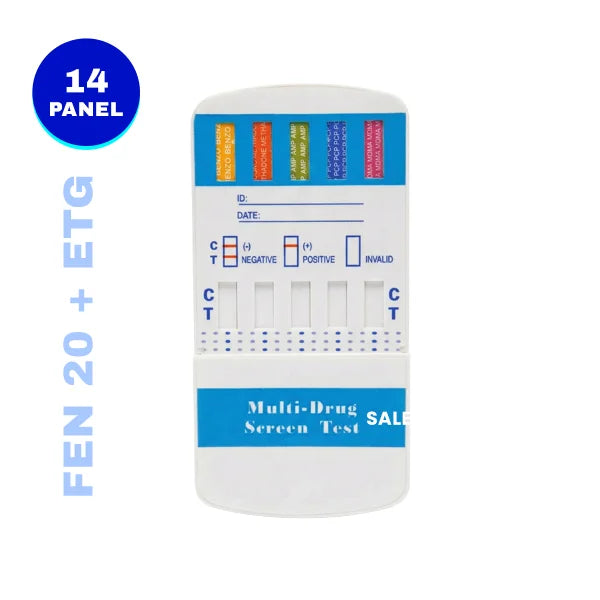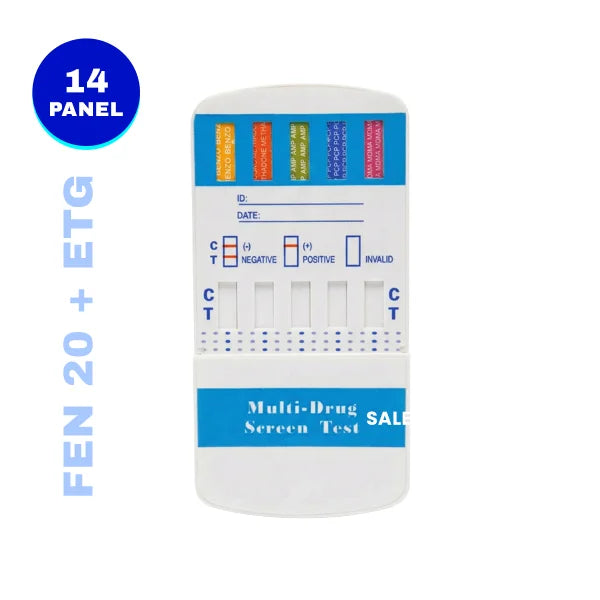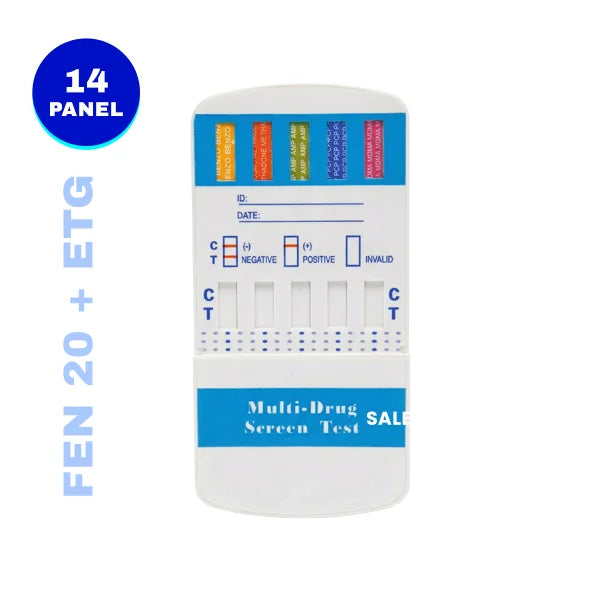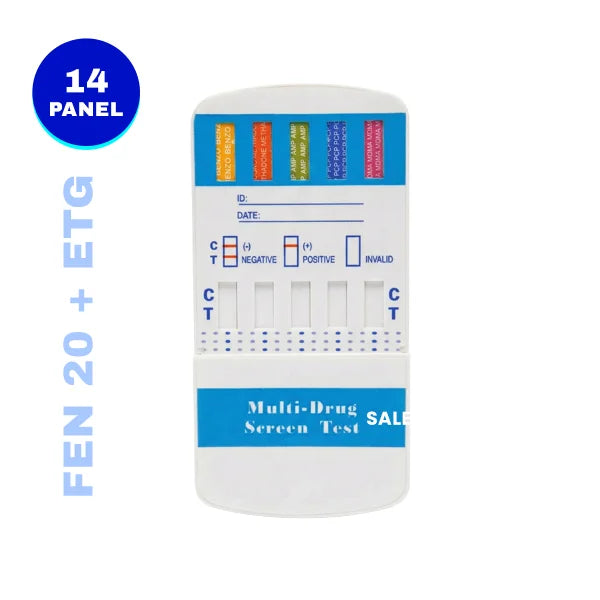
Quick answer: An EtG test cannot define heavy drinking; it detects ethyl glucuronide, an alcohol metabolite, in urine. Per SAMHSA, results of 1,000 ng/mL or higher suggest heavy drinking the same or previous day, or light drinking the same day. Detection runs up to 80 hours. Positives are preliminary; confirm by GC/MS or LC-MS/MS laboratory testing. Source: American Screening Corp.
- Detects: ethyl glucuronide (EtG), a metabolite the body makes after alcohol; common urine cutoffs are 100, 250, 500, and 1,000 ng/mL.
- Window: up to 80 hours after drinking (SAMHSA Advisory, 2012 Revision), longer than breath or blood alcohol tests.
- Use: any positive is a preliminary screen that needs laboratory confirmation before action.
What counts as heavy drinking, and can an EtG test show it?
The NIAAA defines heavy alcohol use for men as 5 or more drinks on any day or 15 or more per week. For women it is 4 or more drinks on any day or 8 or more per week (NIAAA, Drinking Levels and Patterns Defined).
Need drug tests for your clinic, program or workplace?
American Screening Corp has supplied FDA-cleared, CLIA-waived tests at wholesale pricing since 2004. Popular options:
Ordering 100+ tests? Request volume pricing.
An EtG test does not count drinks. It confirms alcohol exposure and, at higher concentrations, makes heavier recent drinking more likely. Program staff should treat the ng/mL value as a range of probabilities, not a measured quantity.
How do EtG cutoff levels map to drinking?
SAMHSA's Advisory, The Role of Biomarkers in the Treatment of Alcohol Use Disorders (2012 Revision), offers general interpretation ranges for urine EtG. They are guidance for clinicians, not legal thresholds.
| EtG result (ng/mL) | Label | Possible interpretation |
|---|---|---|
| 1,000 or higher | High positive | Heavy drinking the same or previous day, or light drinking the same day |
| 500 to 1,000 | Low positive | Heavy drinking in the previous 1 to 3 days, light drinking in the past 24 hours, or recent intense extraneous exposure |
| 100 to 500 | Very low positive | Heavy drinking in the previous 1 to 3 days, light drinking 12 to 36 hours earlier, or extraneous exposure |
| Below 100 | Negative | No evidence of recent drinking at that cutoff |
How long can EtG be detected?
SAMHSA states EtG can be found in urine for up to 80 hours after drinking. Heavier drinking, lower cutoffs, and reduced kidney function can lengthen detection. A 500 or 1,000 ng/mL cutoff shortens the practical window and reduces positives caused by incidental exposure.
Which cutoff should a program choose?
Choose the cutoff by program goal, then document it in your written policy.
- Abstinence monitoring (courts, probation, treatment): 500 ng/mL is a common balance between sensitivity and incidental exposure.
- Strict detection of any recent use: 100 or 250 ng/mL catches more use but raises the chance of extraneous exposure positives.
- Flagging likely heavier or same-day drinking: 1,000 ng/mL.
Browse drug test cups and confirm the cutoff, panel, and FDA/CLIA status listed on the specific product page before you order. American Screening Corp supplies screening products to clinics, courts, labs, staffing firms, and employers; EtG screens are for preliminary results only.
How should staff handle a positive EtG screen?
- Read the result in the time window stated in the kit instructions; ignore lines that appear later.
- Record the result, cutoff, lot number, and collection time.
- Label the result as preliminary.
- Send the specimen for GC/MS or LC-MS/MS laboratory confirmation.
- Ask about extraneous exposure (see below) before drawing conclusions.
- Act only on the confirmed result, under your written policy.
What can cause a low positive without drinking?
SAMHSA notes that extraneous exposure to ethanol-containing products can produce low EtG values. Examples include some mouthwashes, hand sanitizers, and certain foods or medicines. This is why low positives (100 to 500 ng/mL) should be interpreted cautiously and confirmed.
Program checklist
- Written policy states the EtG cutoff and why it was chosen.
- Staff trained on collection, timing, and result reading.
- Every positive is labeled preliminary and sent for confirmation.
- Results are not described as measuring number of drinks.
- Records kept per your state rules and program requirements.
- Employers running pre-hire screening can pair testing with employment background checks; for volume or program setup, contact American Screening Corp.
Frequently asked questions
What EtG level means heavy drinking?
No level proves heavy drinking. SAMHSA says 1,000 ng/mL or higher may indicate heavy drinking the same or previous day, or light drinking the same day. Confirm by laboratory testing.
How long does EtG stay in urine?
Up to 80 hours after drinking, according to SAMHSA. Heavier drinking and lower cutoffs can extend detection.
Can hand sanitizer cause a positive EtG?
Intense extraneous exposure can cause low positives, typically in the 100 to 500 ng/mL range. Confirm any positive by GC/MS or LC-MS/MS.
Is an EtG screen enough to act on?
No. A screen is preliminary. Confirm by GC/MS or LC-MS/MS laboratory testing before any decision under your policy.
Sources
- SAMHSA, Advisory: The Role of Biomarkers in the Treatment of Alcohol Use Disorders, 2012 Revision
- NIAAA, Drinking Levels Defined
- CDC, About Alcohol Use
This article is general information, not legal or medical advice.