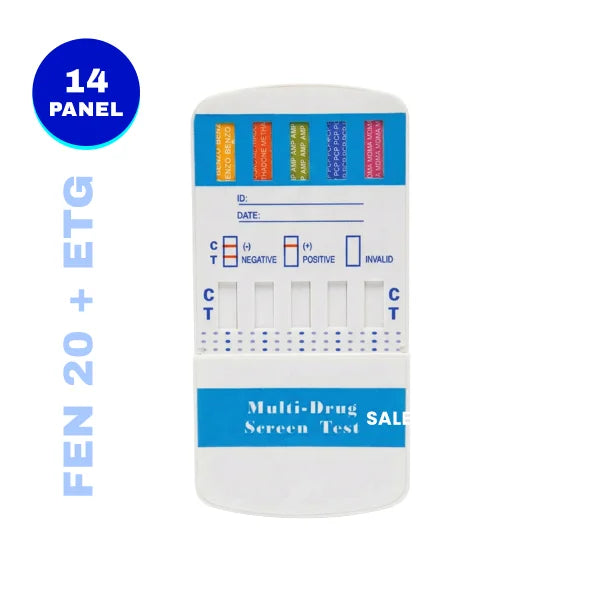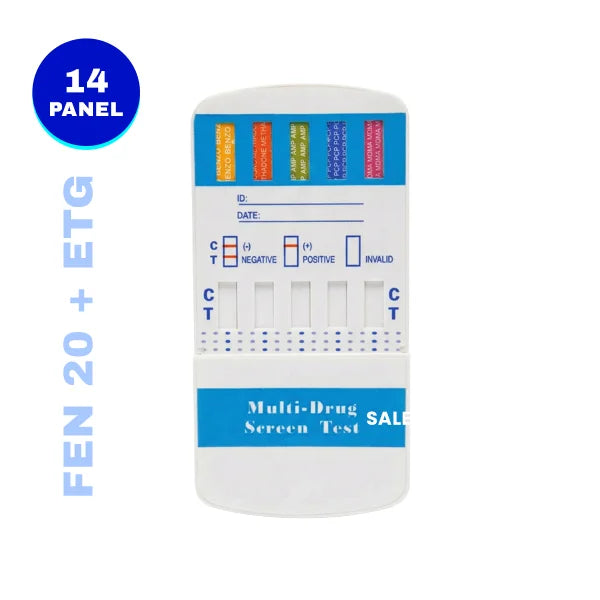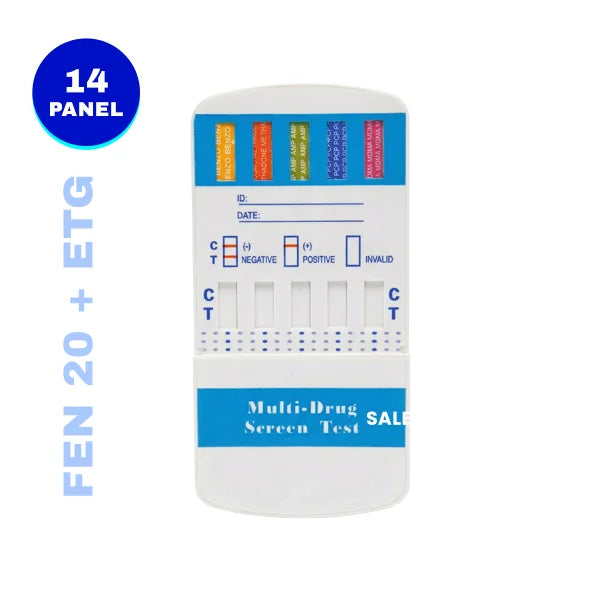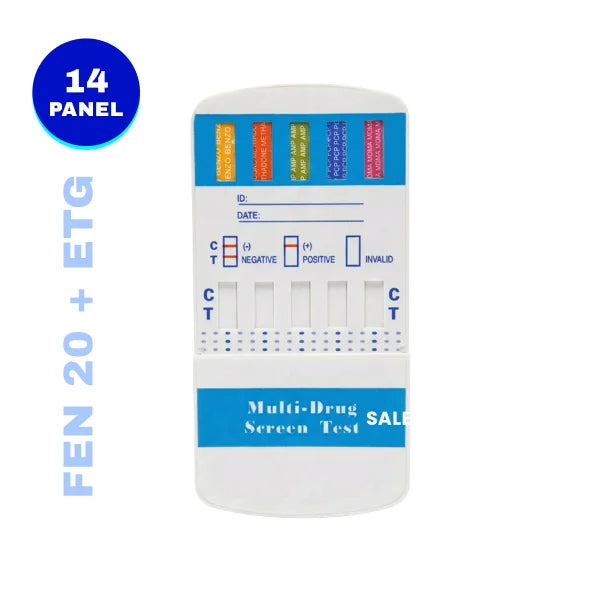
Quick answer: An ETG test detects ethyl glucuronide, a metabolite of alcohol, in urine. Common cutoffs are 500 ng/mL and 100 ng/mL, and detection can reach up to 80 hours after drinking, per SAMHSA's biomarker advisory. Positive screens are preliminary; confirm by GC/MS or LC-MS/MS. American Screening Corp supplies ETG tests to clinics, courts and employers.
- ETG detects alcohol metabolites, not alcohol itself, so it reaches back days rather than hours.
- Lower cutoffs (100 ng/mL) catch more use but also more incidental exposure; 500 ng/mL is the more conservative choice.
- Every non-negative screen is preliminary and needs laboratory confirmation before any decision.
What do Reddit threads say about ETG tests, and what is accurate?
Reddit threads about ETG tests are mostly written by people being tested, not by the programs that run the tests. They are useful for seeing what donors worry about. They are not a source for cutoffs, windows or policy.
Need drug tests for your clinic, program or workplace?
American Screening Corp has supplied FDA-cleared, CLIA-waived tests at wholesale pricing since 2004. Popular options:
Ordering 100+ tests? Request volume pricing.
The questions that come up most are how long ETG stays detectable, whether incidental exposure can cause a positive, and whether a result is final. Program staff get the same questions at intake, so a clear written answer saves time. The sections below give the facts we would put in a donor handout.
What does an ETG test detect?
Ethyl glucuronide (ETG) is a direct metabolite formed in the body after ethanol is consumed. A companion marker, ethyl sulfate (EtS), is often tested with it in laboratory confirmation. Because the metabolite is cleared more slowly than alcohol, urine ETG shows use that a breathalyzer would miss.
According to SAMHSA's Advisory on the role of biomarkers in the treatment of alcohol use disorders (2012 revision), ETG can be detected in urine for up to about 80 hours after heavy drinking. Lighter drinking is usually detectable for a shorter time. Detection time varies with the amount consumed, hydration, kidney function and the cutoff used.
What cutoff levels are used for ETG screens?
Programs choose a cutoff based on their purpose. The two most common urine screening cutoffs are listed below.
| Cutoff | Best fit | Trade-off |
|---|---|---|
| 500 ng/mL | Courts, probation, employers who want to reduce the effect of incidental exposure | May miss light or older drinking |
| 100 ng/mL | Treatment programs that want the most sensitive abstinence monitoring | Higher chance of a positive from incidental exposure |
| Laboratory confirmation (GC/MS or LC-MS/MS) | Any program acting on a non-negative screen | Adds turnaround time and cost |
SAMHSA's advisory cautions that a low-level ETG result alone does not prove intentional drinking. It recommends interpreting results alongside the person's history and other information. Choose the cutoff in your written policy before you buy, not after the first positive.
Can incidental exposure cause a positive result?
Yes, it can, especially at the 100 ng/mL cutoff. SAMHSA's advisory notes that extensive, repeated exposure to alcohol-containing products can produce low ETG levels. This is the most common point of confusion in online threads.
For a program, the answer is policy and confirmation, not guesswork. Define in writing what a low-level result means, and require laboratory confirmation. Do not treat any screening result as final.
Is a positive ETG screen final?
No. A positive ETG screen is preliminary; confirm by GC/MS or LC-MS/MS laboratory testing. Confirmation separates true ETG from interference and gives a quantified value. Our lab confirmation team can help set up a confirmation workflow.
How should a program buy and use ETG tests?
Treat the purchase as a policy decision first and a supply decision second. Match the format to where the test is performed and who reads it. Urine-based formats such as drug test cups suit supervised collection in clinics and courts. If you also screen for drugs, compare them with drug test dip cards for lower-volume sites.
Pre-purchase checklist
- Confirm the cutoff printed on the specific product listing (500 or 100 ng/mL).
- Confirm the FDA and CLIA-waived status of the exact product through the FDA's CLIA database before relying on it for your setting.
- Write the policy: who is tested, how often, what a non-negative means.
- Arrange GC/MS or LC-MS/MS confirmation before the first test is run.
- Train staff to read results at the time stated in the instructions and to record lot number and expiry.
- Give donors a written notice of the detection window and the confirmation step.
- Check your state's statutes and any court order for testing requirements.
Does ETG testing apply to DOT or employment programs?
Not automatically. DOT 49 CFR Part 40 sets the procedures for federally regulated testing and does not authorize ETG as a DOT test. Non-DOT employers may use ETG under their own written policy, subject to state law. Employers who also verify candidates can pair testing with screening from our sister division, Reveal Background.
FAQ
How long does ETG stay in urine?
SAMHSA's advisory says up to about 80 hours after heavy drinking. Light drinking is usually detectable for a shorter time. The window depends on the amount consumed, kidney function and cutoff.
What is the difference between 500 and 100 ng/mL ETG cutoffs?
The 100 ng/mL cutoff is more sensitive and may flag incidental exposure. The 500 ng/mL cutoff is more conservative. Choose by program purpose and put it in writing.
Is an ETG screening result legally final?
No. A positive screen is preliminary; confirm by GC/MS or LC-MS/MS laboratory testing. Check your state statutes and any court order before acting on a result.
Can ETG tests be used for DOT testing?
No. DOT 49 CFR Part 40 does not authorize ETG as a DOT test. Non-DOT programs may use it under their own policy and state law.
Sources
- SAMHSA: The Role of Biomarkers in the Treatment of Alcohol Use Disorders, 2012 Revision
- FDA: Clinical Laboratory Improvement Amendments (CLIA)
- CDC: Clinical Laboratory Improvement Amendments (CLIA)
This article is general information, not legal or medical advice.