Quick answer: An EtG test detects ethyl glucuronide, a direct metabolite of alcohol, in urine. Common cutoffs are 100, 500 and 1,000 ng/mL. Detection can last up to 80 hours after heavy drinking, per SAMHSA. Any positive screen is preliminary; confirm by GC/MS or LC-MS/MS laboratory testing. American Screening Corp supplies EtG screens to programs.
- Detects: ethyl glucuronide (EtG), formed only after the body processes ethanol; it extends well beyond the few hours a breath test covers.
- Cutoffs: 100, 500 or 1,000 ng/mL. The cutoff you pick changes how sensitive the test is to incidental exposure.
- Result status: a screen is preliminary and needs laboratory confirmation before action.
What is an EtG test?
EtG (ethyl glucuronide) is a minor metabolite the liver makes from ethanol. It is excreted in urine after alcohol is gone from the breath and blood. That is why programs use it to monitor abstinence over days rather than hours.
Need drug tests for your clinic, program or workplace?
American Screening Corp has supplied FDA-cleared, CLIA-waived tests at wholesale pricing since 2004. Popular options:
Ordering 100+ tests? Request volume pricing.
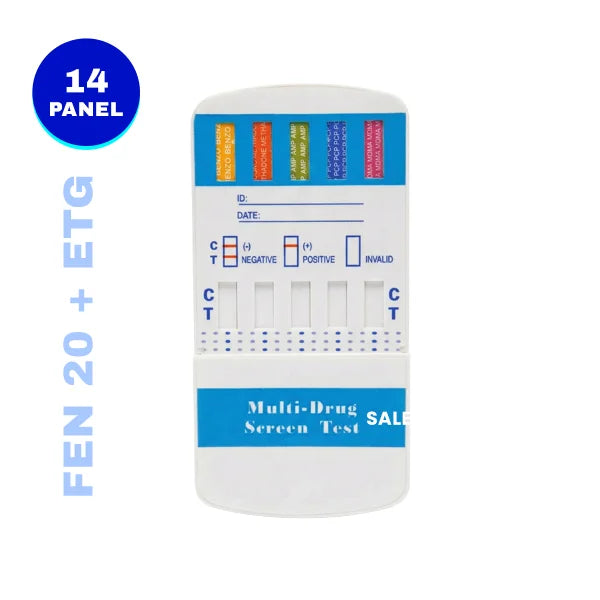
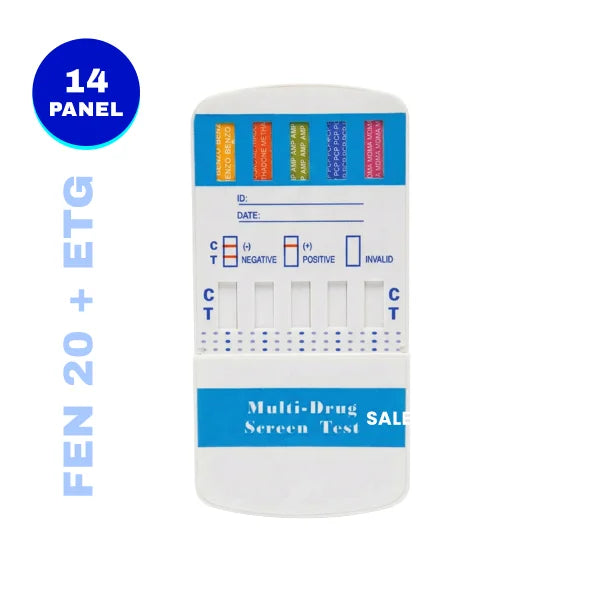
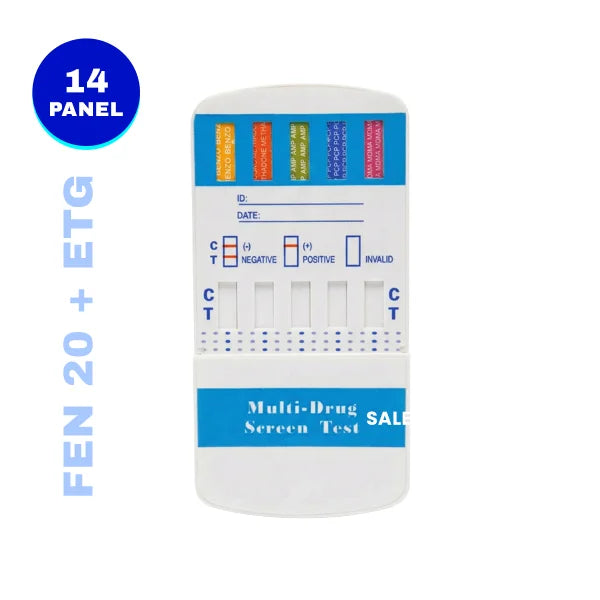
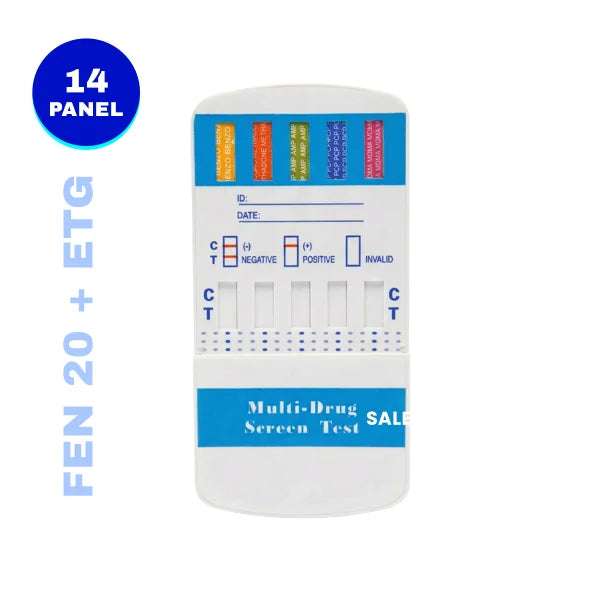
Instant EtG screens are available as drug test cups and dip cards. Confirm the FDA and CLIA status and the cutoff printed on the specific product listing before you buy.
What cutoff levels are used, and what do they mean?
The SAMHSA Advisory on biomarkers in the treatment of alcohol use disorders (2012 revision) describes ranges for interpreting urine EtG. Results are indications, not proof of intent or quantity.
| Cutoff or range | Typical reading | Best fit |
|---|---|---|
| 100 ng/mL | Very sensitive. Can flag incidental exposure as well as light drinking. | Strict abstinence monitoring with confirmation |
| 500 ng/mL | Low positive. May reflect drinking in the prior 24 hours, heavier drinking earlier, or heavy incidental exposure. | Treatment centers, probation, courts |
| 1,000 ng/mL | High positive. Suggests heavier drinking on the same or previous day. | Programs that want fewer incidental-exposure flags |
How long can EtG be detected?
SAMHSA states urine EtG can be detected up to 80 hours after heavy drinking. After light drinking the window is shorter, and it depends on the cutoff, the amount consumed, hydration and kidney function. Do not promise clients or staff a fixed window.
EtG myths versus facts
Myth: EtG only catches drinking from the last few hours.
Fact: breath tests cover hours. EtG typically covers days, with detection up to 80 hours after heavy use per SAMHSA.
Myth: a positive means the person drank on purpose.
Fact: SAMHSA notes that incidental exposure, such as products containing alcohol, can produce low positives, which is why higher cutoffs and confirmation matter. A screen alone does not establish intent.
Myth: an instant EtG test is final.
Fact: an instant result is preliminary; confirm by GC/MS or LC-MS/MS laboratory testing before any consequence.
Myth: EtG is accepted for DOT alcohol testing.
Fact: DOT alcohol testing under 49 CFR Part 40 uses breath or saliva devices that meet its requirements. A urine EtG test does not replace them.
Myth: drinking water guarantees a negative.
Fact: dilution can lower concentration, but it does not make a test reliable evidence of abstinence. Check specimen validity and creatinine where your protocol requires it.
How to run an EtG screen: a decision checklist
- Define the purpose: treatment, probation, employment policy or clinical monitoring.
- Pick the cutoff in writing (100, 500 or 1,000 ng/mL) and apply it to everyone in the program.
- Confirm the FDA/CLIA status and read window on the product listing.
- Collect a fresh specimen under observation rules that match your policy and state law.
- Read the result at the time in the product instructions, not later.
- Send every positive to a laboratory for GC/MS or LC-MS/MS confirmation.
- Document the chain of custody, cutoff, lot number and who reviewed the result.
What do buyers ask us most?
Programs ask which cutoff reduces disputes. Many choose 500 ng/mL as a balance, then confirm every positive. Questions also come up on bulk ordering and lab confirmation; use our contact page for wholesale pricing and options. Employers that pair testing with hiring screens can also see Reveal Background for employment background checks.
Frequently asked questions
What does an EtG test detect?
It detects ethyl glucuronide, a direct alcohol metabolite, in urine. Its presence indicates ethanol exposure, not the amount or intent. Confirm positives by GC/MS or LC-MS/MS.
How long does EtG stay in urine?
Up to 80 hours after heavy drinking, per SAMHSA. Light drinking has a shorter window that varies by person and cutoff.
Can hand sanitizer cause a positive EtG?
Incidental exposure can produce low positives, mainly at sensitive cutoffs such as 100 ng/mL. A higher cutoff and laboratory confirmation reduce this risk.
Is a positive EtG screen enough to act on?
No. It is preliminary. Confirm by GC/MS or LC-MS/MS laboratory testing and follow your written policy and applicable law.
Sources
- SAMHSA, Advisory: The Role of Biomarkers in the Treatment of Alcohol Use Disorders, 2012 Revision
- NIAAA, Alcohol Metabolism
- eCFR, 49 CFR Part 40: Procedures for Transportation Workplace Drug and Alcohol Testing Programs
This article is general information, not legal or medical advice.