Quick answer: Yes, Xanax (alprazolam) usually shows up on a 10-panel urine drug test, provided the panel includes the benzodiazepine (BZO) line, which most do. A common screening cutoff is 300 ng/mL, and detection typically lasts about one to four days after a single dose. Presumptive positives should go to lab confirmation.
- Xanax is a benzodiazepine, so it is screened under the BZO line, not under its own line.
- Panel contents vary by manufacturer. Always read the product insert to confirm that BZO is included.
- An instant screen is presumptive. Confirm positives by laboratory testing (GC-MS or LC-MS/MS) before any adverse action.
What a 10-panel test detects
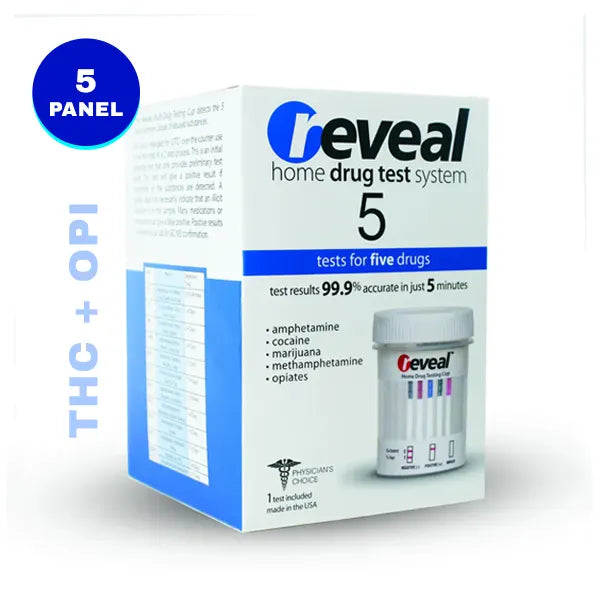
There is no single fixed 10-panel. Most configurations screen for amphetamines, barbiturates, benzodiazepines, cocaine, marijuana (THC), methadone, opiates and phencyclidine (PCP). The remaining slots are usually filled by some combination of methaqualone, MDMA, oxycodone, buprenorphine or propoxyphene. Alprazolam is detected through the benzodiazepine line. If a panel has no BZO line, Xanax will not be detected.
Need drug tests for your clinic, program or workplace?
American Screening Corp has supplied FDA-cleared, CLIA-waived tests at wholesale pricing since 2004. Popular options:
- 10-panel drug test cups and dip cards
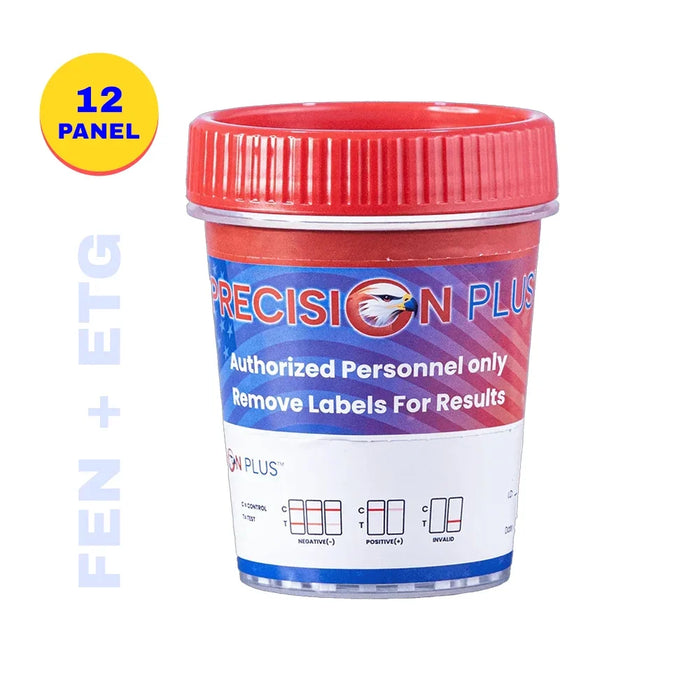
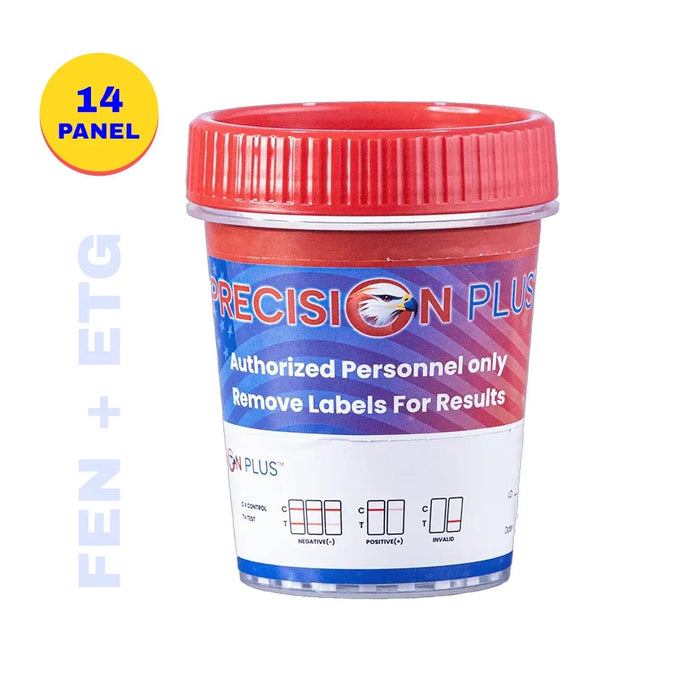
- 12-panel drug test cups
- all drug test cups (wholesale pricing)
Ordering 100+ tests? Request volume pricing.
The federal DOT 5-panel does not include benzodiazepines. A DOT-regulated test will not screen for Xanax unless the employer adds it under its own authority on a separate, non-DOT test.
Cutoff levels and how the screen works
Instant urine tests use immunoassay technology. An antibody reacts to the target drug class, and a line appears or disappears depending on whether the concentration is above or below the cutoff. For benzodiazepines, a typical cutoff is 300 ng/mL, and some products use 200 ng/mL. Many are calibrated to oxazepam, so reactivity to individual benzodiazepines differs. Alprazolam is generally detected, but sensitivity varies by device. Check the cross-reactivity table in the package insert for the exact lot you buy.
Typical detection window
In urine, alprazolam is generally detectable for roughly one to four days after a single use. Regular or heavy use, older age, reduced kidney or liver function and higher doses can extend the window. Hydration and urine concentration also affect results. Because these factors vary, treat the window as a general range, not a guarantee.
Decision table: how to handle a Xanax-related result
| Situation | What it means | Recommended action |
|---|---|---|
| BZO line negative on a 10-panel | Below the cutoff, or the drug is not detected well by that device | Record the result. Escalate to lab testing if clinical or court conditions warrant it. |
| BZO line presumptive positive | Benzodiazepine class detected above cutoff, not drug-specific | Send the specimen for lab confirmation. Ask about prescriptions through a medical review process. |
| Panel has no BZO line | Xanax will not be screened | Switch to a panel that includes benzodiazepines. |
| DOT-regulated test | Benzodiazepines are not in the 5-panel | Do not add them to the federal test. Use a separate non-DOT test if your policy allows. |
Reading results correctly
- Confirm the cup or card is in date and the seal is intact.
- Check specimen temperature within the time window in the instructions.
- Read the results at the time stated in the insert. Do not read after the window has expired.
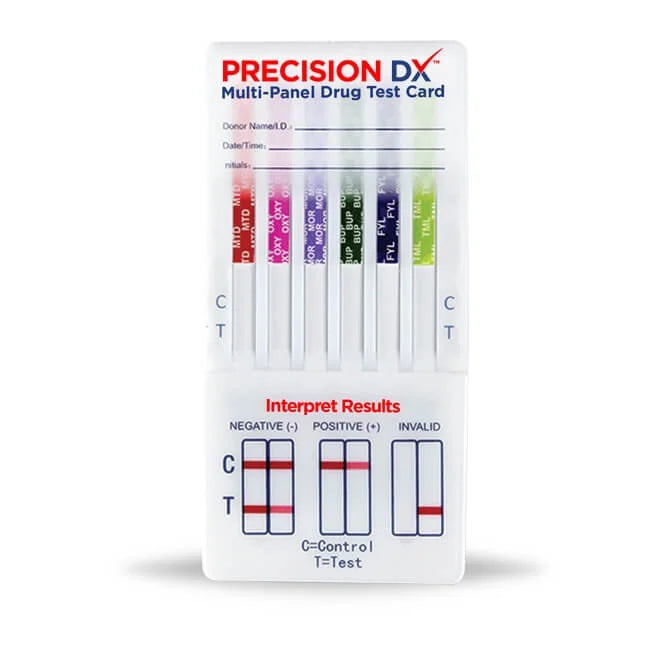
- Treat any visible line in a drug region as negative for that drug and the absence of a line as presumptive positive.
- Verify that the control line appears. If it does not, the test is invalid.
- Document the result and send presumptive positives for confirmation.
Prescriptions and false positives
Xanax is a legitimate prescription medication. A positive BZO screen does not show misuse. It shows only that a benzodiazepine may be present. Employers and courts should route confirmed positives through a documented review process so that valid prescriptions are considered before decisions are made. Some other medications can cross-react with immunoassays, which is another reason confirmation matters.
Choosing supplies for benzodiazepine screening
Buyers at clinics, treatment centers and staffing firms should compare panel configurations before ordering. American Screening Corp supplies multi-panel urine drug test cups and also offers dip cards and oral fluid tests. If you are not sure which panel fits your policy, or need lab confirmation, you can contact our team.
Purchasing checklist
- Confirm that the panel includes BZO and note its cutoff in ng/mL.
- Review the alprazolam cross-reactivity data in the insert.
- Check FDA clearance status and CLIA waiver status for your use setting.
- Verify that built-in temperature strips and adulterant checks match your collection protocol.
- Set up a lab confirmation pathway for presumptive positives.
- Align the panel with your written policy and any DOT or state requirements.
- Check lot numbers and expiration dates on arrival and store tests as directed.
Frequently asked questions
Does Xanax show up on a 10-panel drug test?
Yes, if the panel includes a benzodiazepine line. Most 10-panel tests do, but panel contents vary, so verify the insert.
How long does Xanax stay detectable in urine?
Typically about one to four days after a single dose. Frequent use can extend the window considerably.
Is Xanax on a DOT 5-panel test?
No. The federal DOT panel covers marijuana, cocaine, amphetamines, opioids and PCP, and does not include benzodiazepines.
Should a positive benzodiazepine screen be confirmed?
Yes. Instant tests are presumptive. Lab confirmation by GC-MS or LC-MS/MS identifies the specific substance, and a review process should consider valid prescriptions.
Sources
- MedlinePlus (NIH): Drug Testing
- U.S. FDA: Drugs of Abuse Home Use Test
- SAMHSA: Workplace Drug Testing Resources
Employers screening candidates may also pair drug testing with employment background checks from Reveal Background.
This article is general information, not legal or medical advice.