Tribulus terrestris is a flowering plant sold in capsules, powders, and blended "test booster" products marketed to raise testosterone, improve libido, or support athletic performance. Employers and employees sometimes ask whether taking it can affect a workplace drug screen or trigger a positive result for steroids. The short answer is that tribulus is not a controlled substance, it is not a target analyte on any standard drug test panel, and there is no credible published evidence that it cross reacts with the immunoassay screens labs use. The real issues sit elsewhere: product labeling, undeclared ingredients, and what happens when someone tries to interfere with a specimen rather than simply take a supplement.
What Tribulus Terrestris Is and How It Is Regulated
In the United States, tribulus is marketed as a dietary ingredient under the Dietary Supplement Health and Education Act framework. That means it reaches store shelves without the premarket safety and efficacy review the Food and Drug Administration applies to new drugs. The manufacturer is responsible for ensuring the product is not adulterated or misbranded, and the agency's own ingredient guidance explains that dietary supplements are evaluated differently than approved medications, with enforcement generally happening after a product is already on the market. The Food and Drug Administration maintains background on dietary supplement ingredients and how they are treated under this framework, which is useful context for any employer fielding questions about a herbal product.
Because tribulus is a food derived ingredient and not an approved pharmaceutical, it does not carry an FDA approval claim, and no legitimate seller should describe a tribulus product as approved by the agency. Marketing claims about testosterone increases or performance gains are not independently verified premarket, which matters more for the quality and purity question than for drug testing itself.
Is Tribulus a Controlled Substance?
No. The Controlled Substances Act divides regulated drugs into five schedules based on abuse potential and accepted medical use, and tribulus terrestris does not appear in any of them. The federal schedules are codified in 21 U.S.C. 812, which lists the substances and classes of substances Congress and the Drug Enforcement Administration have placed under control. Reviewing that statute confirms tribulus sits entirely outside the controlled substance framework, the same way most botanical dietary ingredients do. Anabolic steroids, by contrast, are specifically named and defined under the schedules set out in 21 CFR Part 1308, and tribulus is not one of the substances or steroid esters listed there.
This distinction matters because tribulus is frequently marketed alongside or compared to anabolic steroids and other ecdysteroid compounds. Being sold as a "testosterone support" supplement does not place a product into a controlled drug class. Regulatory status depends on the actual chemical entity and whether it is scheduled, not on how a label markets it.
Does Tribulus Appear on a Standard Workplace Panel?
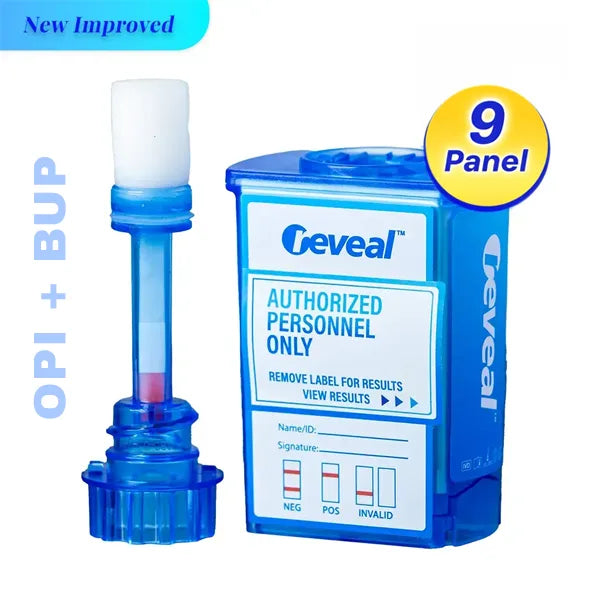
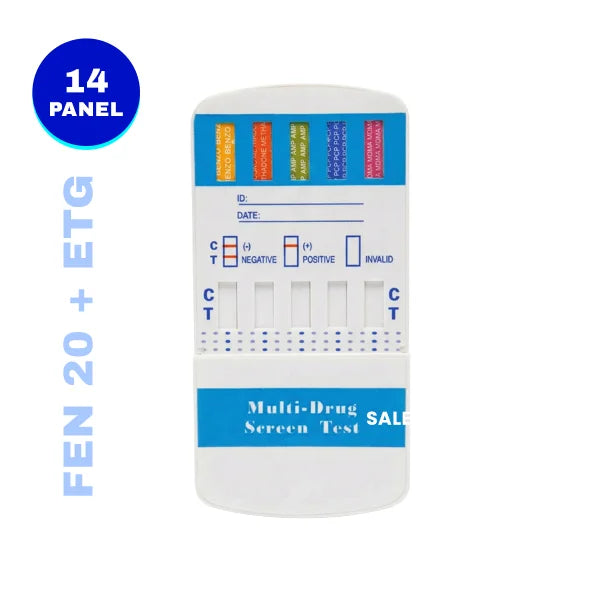
Standard workplace drug tests, including the five panel and expanded panel immunoassay screens used under federal workplace testing programs, are built to detect specific drug classes such as amphetamines, cocaine metabolites, opiates, phencyclidine, and marijuana metabolites. The Substance Abuse and Mental Health Services Administration, which sets the Mandatory Guidelines many federal and federally regulated testing programs follow, publishes background on how these workplace programs are structured and which drug classes they target. Tribulus is not one of the substances those guidelines list, and it is not an analyte that any standard cup, dip card, or oral fluid screen is designed to flag.
Immunoassay screens work by using antibodies that bind to a specific drug or drug metabolite. A compound has to be structurally similar enough to the target analyte to trigger a false signal, and there is no credible published data showing that the steroidal saponins in tribulus extract bind to the antibodies used in standard amphetamine, opiate, cannabinoid, or steroid panel screens. If a workplace program does include a dedicated anabolic steroid panel, that panel is built around synthetic and endogenous androgens defined under the federal schedules discussed above, not botanical extracts like tribulus.
| Question | Answer for tribulus terrestris |
|---|---|
| Controlled substance under federal schedules | No |
| Target analyte on a standard 5 panel or 10 panel screen | No |
| Published cross reactivity with standard immunoassays | None documented |
| approved by FDA drug claim | No, sold as a dietary ingredient |
| Primary documented risk | Undeclared or tainted ingredients in finished products |
Workplace Testing Is Not the Same Thing as Sports Anti Doping Testing
Employers sometimes assume that "clean" for a workplace drug screen also means "clean" for a competitive sports drug testing program, or the reverse. These are different systems with different goals. A workplace program built around the federal Mandatory Guidelines or the Department of Transportation testing rules in 49 CFR Part 40 is designed to identify illicit drug use and a small list of controlled substances relevant to safety sensitive duties. Competitive sports governing bodies run a separate testing structure aimed at performance enhancing substances, including banned botanical and hormonal agents that have nothing to do with a standard employer panel. An athlete who tests clear on an employer style panel has not necessarily cleared a sport specific banned substance list, and an employee who takes a tribulus supplement for a workplace job is not subject to sports anti doping rules at all unless their employer has separately adopted them. Employers should not conflate the two systems when writing policy or responding to employee questions about supplements.
The Real Risk: Tainted and Mislabeled Products
Because dietary supplements do not go through premarket FDA review, quality control varies by manufacturer, and some products marketed for libido, male enhancement, or testosterone support have been found to contain undeclared active pharmaceutical ingredients that were never listed on the label. The Food and Drug Administration tracks these cases through its sexual enhancement and energy product notifications, which document specific products found to contain hidden drug ingredients, including compounds that are not what the label claims. A tribulus product sold alongside similar enhancement claims is not automatically contaminated, but the category has a documented history of undeclared ingredients, and buyers should check whether a specific product or brand has been flagged.
If a tainted product actually contains an undeclared controlled substance, such as an actual anabolic steroid or a prescription active ingredient, a lab confirmation test could detect that ingredient, but the detection would be tied to the hidden substance itself, not to tribulus. This is why employers should never assume a positive result traces back to an herbal ingredient on a label. Confirmation testing by gas chromatography mass spectrometry or liquid chromatography mass spectrometry identifies the specific molecule present, and the medical review officer process exists to sort out exactly what was found and whether there is a legitimate medical explanation.
Specimen Validity Testing and Supplement Myths
Online claims sometimes suggest that herbal supplements, chlorophyll, or vinegar can help a specimen pass a drug test or clean out a system faster. American Screening Corporation does not provide guidance on beating or masking any test, and none of these claims have a basis in how laboratories actually operate. What does exist is specimen validity testing, a standard part of federal workplace testing programs, which checks a urine specimen's creatinine level, specific gravity, pH, and the presence of oxidizing adulterants before any drug result is reported. A specimen that falls outside normal ranges is flagged as dilute, substituted, or invalid, and the case is routed to a medical review officer rather than being accepted at face value. The Mandatory Guidelines for Federal Workplace Drug Testing Programs describe this validity testing requirement in detail, and collectors trained under these programs are taught to recognize signs of tampering at the time a specimen is collected. In practice, this means any attempt to interfere with a specimen is far more likely to trigger additional scrutiny than to produce a clean result.
What Employers and MROs Should Do
When an employee discloses tribulus or another supplement after a positive result, the right response is the same as it is for any supplement question: route the case through the medical review officer process rather than making a policy decision on the spot. The medical review officer contacts the employee, reviews any medical or product documentation, and determines whether the laboratory finding has a legitimate explanation before the result is reported to the employer as positive, negative, or refusal to test. Because tribulus itself is not a target analyte, a confirmed positive in someone taking a tribulus supplement almost always points to something else, either an unrelated substance or an undeclared ingredient in the product itself, and that is precisely the kind of question a medical review officer is positioned to sort out with the laboratory's confirmation data in hand.
Employers writing or updating a drug free workplace policy may want to state plainly that dietary supplements are not banned items, that employees should disclose supplement and medication use if asked by a collector or medical review officer, and that any questions about a specific product's ingredients should be directed to the manufacturer or checked against the Food and Drug Administration's tainted product notifications rather than assumed safe or unsafe. Employers assembling or updating a compliant testing program can review American Screening Corporation's drug test cups for the standard panel configurations referenced above.
Supplements marketed for muscle building or hormone support are not limited to tribulus. Employers evaluating similar products may also want to review how longjack and other testosterone claim supplements are treated on standard panels, or how an actual ecdysteroid compound like turkesterone compares against steroid panel testing, since the regulatory and detection questions differ by compound even when the marketing language sounds similar.
Frequently asked questions
Does tribulus terrestris show up on a 5 panel or 10 panel drug test?
No. Standard panels target specific drug classes such as amphetamines, opiates, cocaine metabolites, phencyclidine, and marijuana metabolites. Tribulus is not one of the targeted analytes on any standard immunoassay screen.
Is tribulus classified as a steroid?
No. Tribulus terrestris is a plant extract containing steroidal saponins, which is a different chemical category than an anabolic steroid. It is not listed among the substances scheduled under the federal controlled substance rules that define anabolic steroids.
Can tribulus cause a false positive for steroids or testosterone on a drug test?
There is no credible published evidence that tribulus cross reacts with the antibodies used in standard immunoassay steroid or amphetamine screens. If a result is unexpected, the medical review officer and laboratory confirmation process determines the actual substance detected.
Is tribulus legal and controlled by the Drug Enforcement Administration?
Tribulus terrestris is not scheduled under the Controlled Substances Act and is sold legally as a dietary supplement ingredient in the United States, subject to general dietary supplement labeling and manufacturing rules rather than drug scheduling.
Will taking tribulus help someone pass a drug test or hide drug use?
No. Tribulus has no documented effect on detection of other drugs, and attempting to use any supplement to interfere with a specimen risks triggering specimen validity testing flags for dilution, substitution, or adulteration, which are reviewed by a medical review officer.
What is the real risk with tribulus or testosterone booster supplements?
The documented risk is product quality, not drug testing. Some supplements marketed for libido, male enhancement, or testosterone support have been found by the Food and Drug Administration to contain undeclared active ingredients that were never listed on the label.
This article is general information for employers and employees, not legal or medical advice. Drug testing policy and supplement questions should be reviewed with qualified counsel, a medical review officer, or the product manufacturer as appropriate.